What Is an ATM Skimmer Device
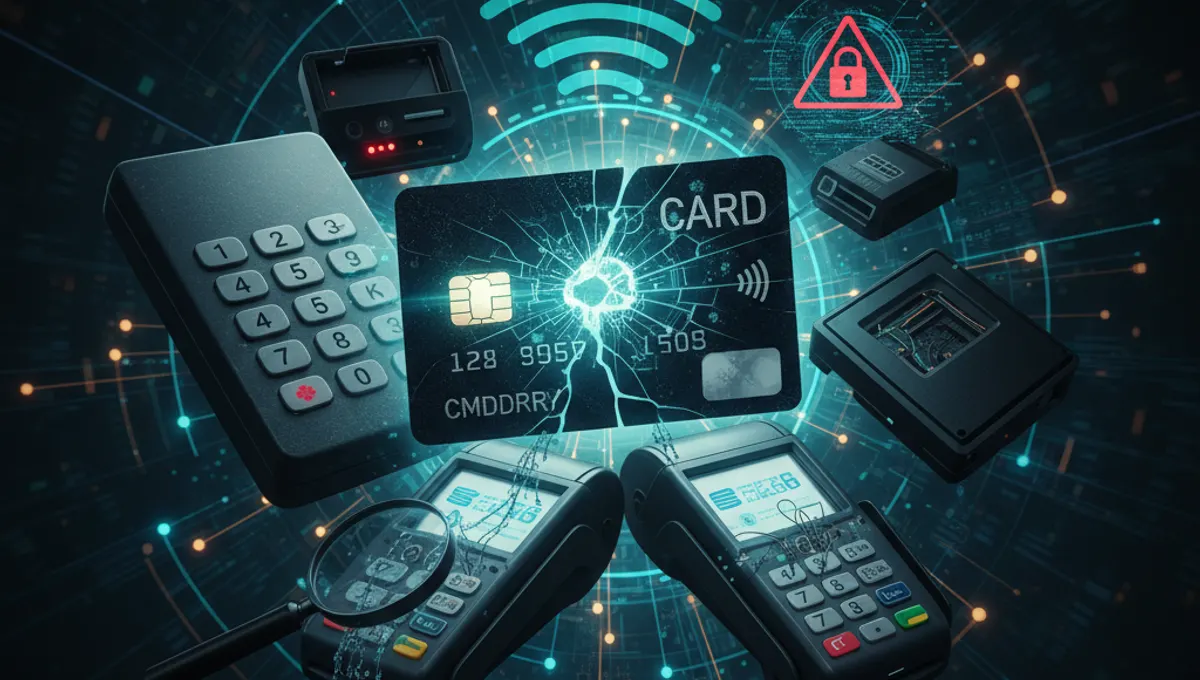
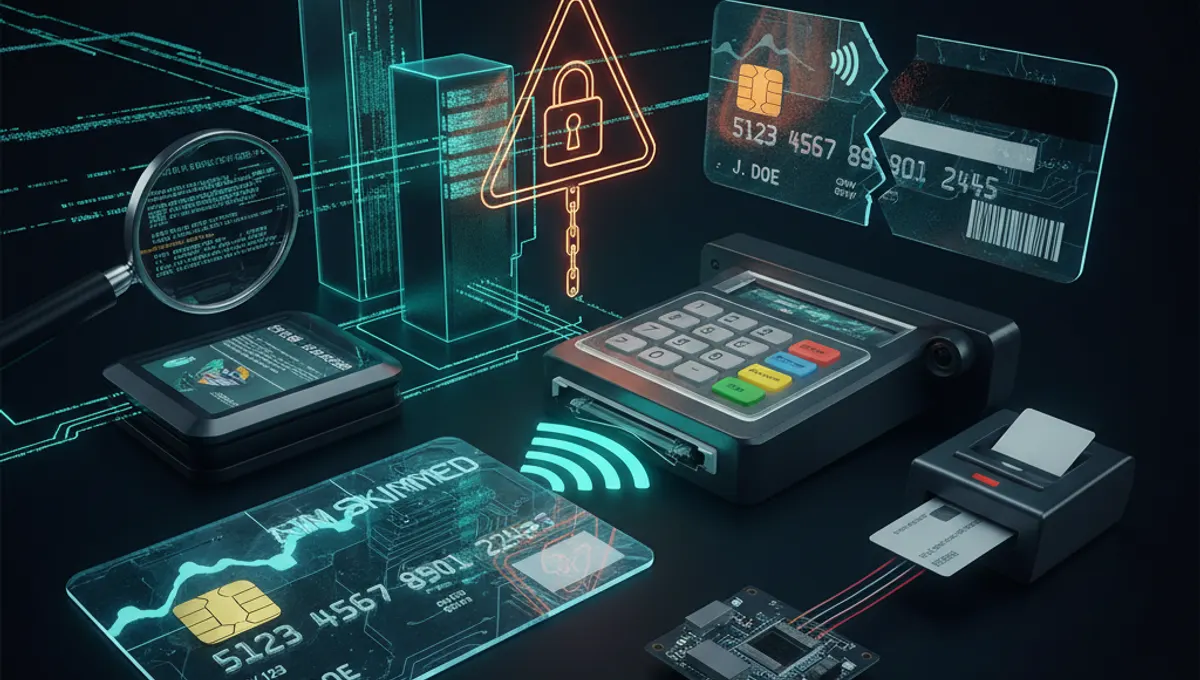
An ATM skimmer is a physical or wireless device installed on an ATM to capture card information during a transaction. Skimmers typically work by reading the magnetic stripe data from your card as it passes through the machine. Some devices are inserted into the card slot (deep-insert skimmers), while others overlay the legitimate card reader. Wireless ATM skimmer devices use Bluetooth or GSM technology to transmit captured data to nearby criminals in real time. The captured information includes your card number, expiration date, and sometimes the cardholder name. More sophisticated devices also capture PIN data through hidden cameras or overlay keypads. Unlike EMV chip technology, which is harder to clone, magnetic stripe data remains vulnerable to skimming attacks. The price of ATM skimmer devices varies widely depending on sophistication and technology, from basic models to advanced wireless systems. Criminals often source these devices through underground forums or specialized vendors, sometimes even listing them on general marketplaces before removal.
How Cloned Cards Are Created from Skimmed Data
Once a skimmer captures your card data, criminals encode that information onto blank cards using specialized equipment. This process, called cloning, recreates a functional duplicate of your original card. The cloned card contains the same magnetic stripe data, allowing it to work at point-of-sale terminals and ATMs that rely on magnetic stripe authentication. Magnetic stripe cloning remains effective because the stripe stores static data that does not change between transactions, unlike chip-based EMV cards which generate unique transaction codes. Criminals can clone cards within hours of capturing the data. The cloned card ecosystem operates on the dark web, where stolen card data and finished cloned cards are bought and sold through specialized marketplaces. Sellers often provide card details with spin codes (additional verification data) to increase the card's usability. Buyers range from individual fraudsters to organized crime networks. The dark web marketplace structure allows sellers to maintain anonymity while building reputation scores based on customer reviews. Prices for cloned cards fluctuate based on card type, available balance information, and seller reputation. This underground economy has created a self-sustaining system where skimmer operators, cloners, and fraudsters operate in coordinated networks.
Legal Consequences of ATM Skimmer Fraud
Possession of ATM skimmer devices is illegal in most jurisdictions and typically falls under laws prohibiting fraud instruments or access device fraud. Using a cloned card constitutes fraud and identity theft, with penalties varying significantly by jurisdiction. In the United States, federal charges can include wire fraud, access device fraud, and identity theft, which carry sentences ranging from several years to decades depending on the amount involved and criminal history. State laws also prosecute these offenses separately, often with overlapping charges. Selling or distributing skimmer devices or cloned cards can result in charges related to conspiracy, money laundering, and organized fraud. Specific penalty ranges depend on the jurisdiction and circumstances of the case. Some regions treat ATM-specific fraud more severely due to the premeditation required to install devices. International enforcement has increased, with law enforcement agencies coordinating across borders to prosecute dark web marketplace operators. Conviction records for fraud and identity theft carry collateral consequences including employment restrictions, financial penalties, and civil liability to victims. Individuals caught purchasing cloned cards face similar charges regardless of whether they used the cards or intended to resell them. The legal system treats this as a serious financial crime with escalating penalties for repeat offenders.
The Dark Web Cloned Card Marketplace
Dark web marketplaces operate as platforms where vendors sell cloned cards, card data, and skimming equipment to buyers worldwide. These marketplaces function similarly to legitimate e-commerce sites, with vendor profiles, product listings, customer reviews, and dispute resolution mechanisms. Transactions typically occur using cryptocurrency to maintain anonymity. Buyers access these marketplaces through Tor browsers and VPN connections. Card listings include details such as card type (Visa, Mastercard, American Express), available balance information, expiration dates, and spin codes. Vendors often provide guarantees or refunds if cards are declined or detected as fraudulent. The marketplace structure creates a reputation system where successful vendors build trust and command higher prices for their products. Some marketplaces specialize exclusively in financial fraud tools, while others operate as general dark web bazaars. Law enforcement agencies monitor these platforms and conduct undercover operations to identify and prosecute operators and major buyers. Marketplace volatility is high, with sites frequently shutting down due to law enforcement action or operator exit scams. The buying and selling process typically involves creating an account, depositing cryptocurrency into an escrow account, selecting products, and receiving digital delivery of card data or physical delivery of cloned cards through mail. Buyers assume significant risk including law enforcement detection, scams by vendors, and non-delivery of products.
How to Detect ATM Skimmers and Protect Your Card
Detecting ATM skimmers requires visual inspection before using any machine. Examine the card slot for loose, misaligned, or unusually colored components that may indicate an overlay device. Check the keypad for raised or movable keys, and test it gently before entering your PIN. Look for small cameras or holes near the keypad that might be recording your PIN entry. Use ATMs in well-lit, monitored locations such as bank branches rather than standalone machines in remote areas. Cover the keypad with your hand while entering your PIN to prevent camera capture. Enable transaction alerts through your bank to receive notifications of all card activity. Consider using contactless or tokenized payment methods that do not expose your full card number or magnetic stripe data. Virtual card numbers generated by your bank or payment provider offer additional protection by creating unique numbers for each transaction. Regularly monitor your bank and credit card statements for unauthorized charges. Use chip readers instead of magnetic stripe when available, as EMV chips are significantly harder to clone. Request your bank to disable magnetic stripe transactions if your card supports chip-only mode. Avoid using debit cards at ATMs when possible, as debit fraud can drain your account immediately. Opt for credit cards instead, which offer stronger fraud protections and liability limits.
What to Do If Your Card Data Is Compromised
If you discover unauthorized charges on your card, contact your bank or card issuer immediately. Most financial institutions have fraud departments available 24/7 to handle these reports. Provide specific details about the fraudulent transactions, including dates, amounts, and merchants. Request that your card be cancelled and a replacement card issued. File a dispute for each unauthorized transaction through your card issuer's formal dispute process. Most banks require disputes to be filed within 60 days of the statement date. Document all communications with your bank, including dates, times, and names of representatives you speak with. Request a copy of the fraud investigation report once it is completed. Monitor your credit reports through the three major bureaus (Equifax, Experian, TransUnion) for signs of identity theft or new accounts opened in your name. Place a fraud alert on your credit file if you suspect broader identity theft. Refund timelines vary by institution but typically range from 5 to 10 business days for provisional credits, with full investigation results within 30 to 45 days. If your debit card was compromised, act quickly as debit fraud liability depends on how quickly you report it. Consider placing a credit freeze to prevent new accounts from being opened without your authorization. Report the skimmer itself to your bank and local law enforcement so they can investigate and warn other customers.
Why ATM Skimmer Fraud Remains a Persistent Threat
ATM skimmer fraud continues despite security improvements because magnetic stripe technology remains vulnerable and widely used globally. Many older ATMs have not been upgraded to chip-only readers, leaving them susceptible to skimming attacks. The profitability of the scheme motivates criminals to continuously develop new skimmer designs and distribution networks. ATM skimmer Bluetooth devices and wireless variants allow criminals to retrieve data remotely without returning to the machine, reducing detection risk. The dark web marketplace infrastructure enables rapid monetization of stolen card data through established buyer networks. Organized crime groups operate skimming operations as part of larger fraud ecosystems, sharing resources and expertise. International enforcement challenges arise because skimmers are often installed in one country while cards are used in another. The relatively low cost of manufacturing skimmer devices compared to potential profits makes the enterprise attractive to criminal organizations. Contactless payment adoption and tokenization are gradually reducing skimming vulnerability, but the transition is slow in many regions. ATMs in developing countries often lack modern security features, creating persistent targets for skimming operations. Continued vigilance by cardholders, banks, and law enforcement remains necessary to mitigate this threat.
Frequently asked questions
Can ATM skimmers work on chip-enabled cards?
ATM skimmers primarily target magnetic stripe data, which is less secure than EMV chip technology. Chip cards generate unique transaction codes for each use, making them significantly harder to clone. However, if a skimmer captures your card number and expiration date, criminals may still attempt to use that data for online purchases or magnetic stripe fallback transactions. Using chip readers at ATMs and enabling chip-only mode on your card provides better protection.
How long does it take for a skimmed card to be cloned and used?
Cloning can occur within hours of data capture. Criminals with the necessary equipment can encode skimmed data onto blank cards quickly. The cloned card may be used immediately for fraudulent transactions or sold on dark web marketplaces. Some fraudsters test cloned cards at low-value retailers before attempting larger purchases. Monitoring your statements daily and enabling transaction alerts helps detect fraud quickly, minimizing losses.
What is the difference between a skimmer and a shimmer?
A skimmer reads data from the magnetic stripe on the back of your card, while a shimmer is a thin device inserted into the chip slot that reads data from the EMV chip itself. Shimmers are more sophisticated and harder to detect than skimmers. Both devices capture card data for cloning purposes. Shimmers represent an evolution in fraud technology as chip adoption increased globally. Inspecting card slots carefully and using ATMs in secure locations helps protect against both threats.
Are virtual card numbers safer than physical cards for ATM use?
Virtual card numbers cannot be used at physical ATMs because ATMs require the physical card to be inserted. However, virtual numbers provide protection for online and contactless purchases by generating unique numbers that cannot be reused. For ATM security, focus on detecting physical skimmers, covering the keypad, and using machines in monitored locations. Virtual cards complement but do not replace physical card security measures.
What should I do if I suspect my ATM was compromised?
Report your suspicion to the bank that operates the ATM immediately. Provide the machine's location and date of your transaction. Contact your card issuer to monitor for fraudulent activity. Check your statements regularly for unauthorized charges. If you discover fraud, file a dispute within the required timeframe. Notify local law enforcement so they can investigate and warn other customers. The bank may inspect the machine and issue warnings to other users of that ATM.