What Is an ATM Skimmer Device and How Does It Capture Data
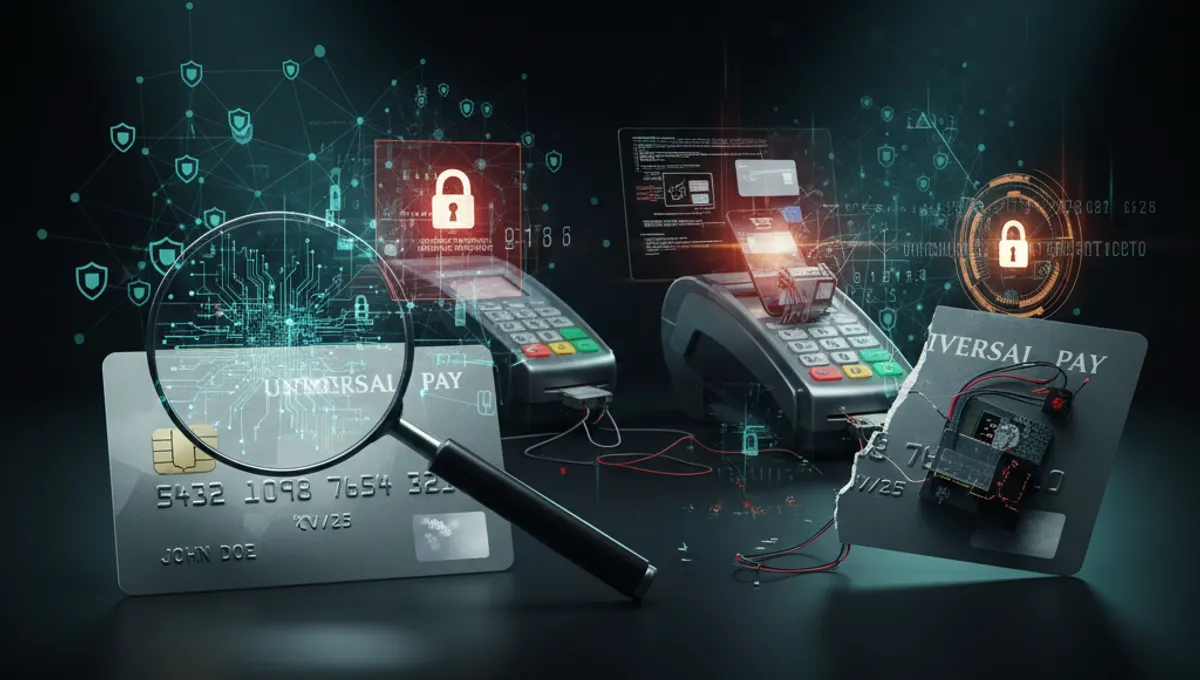
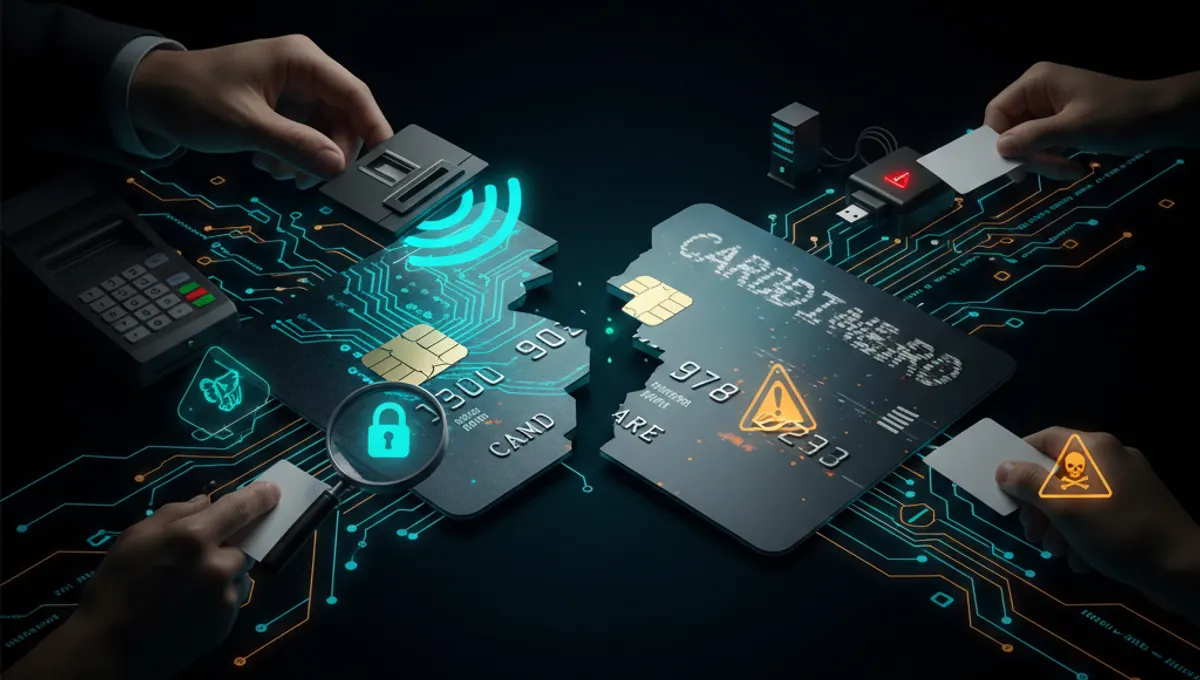
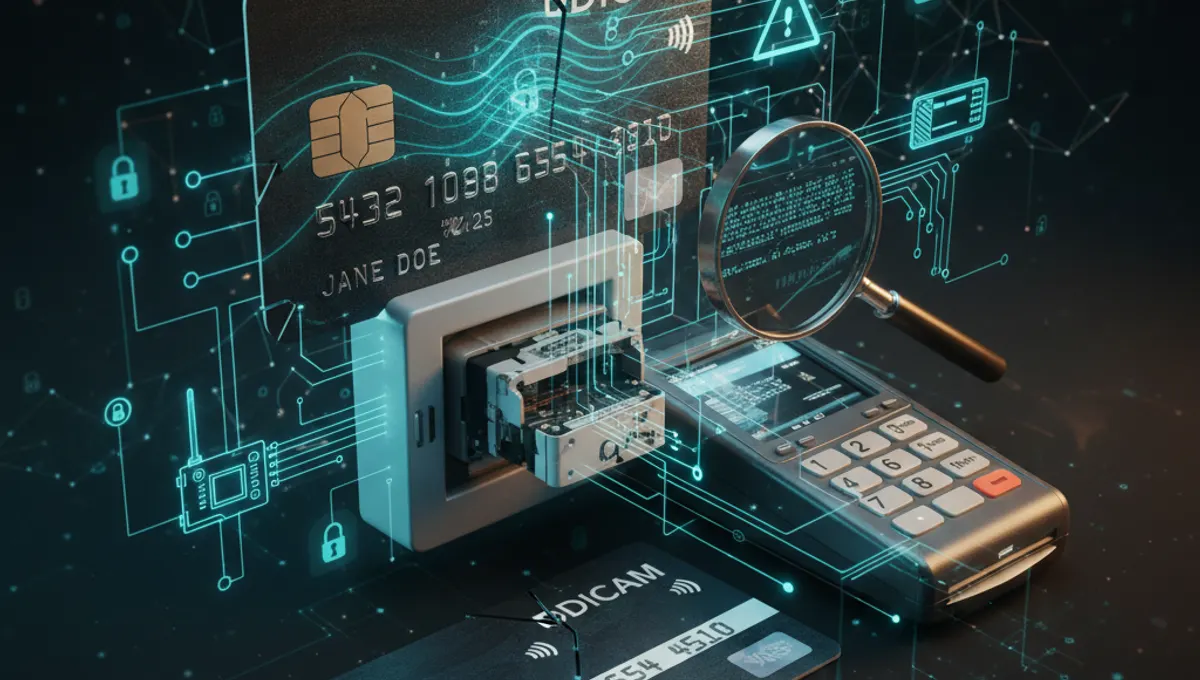
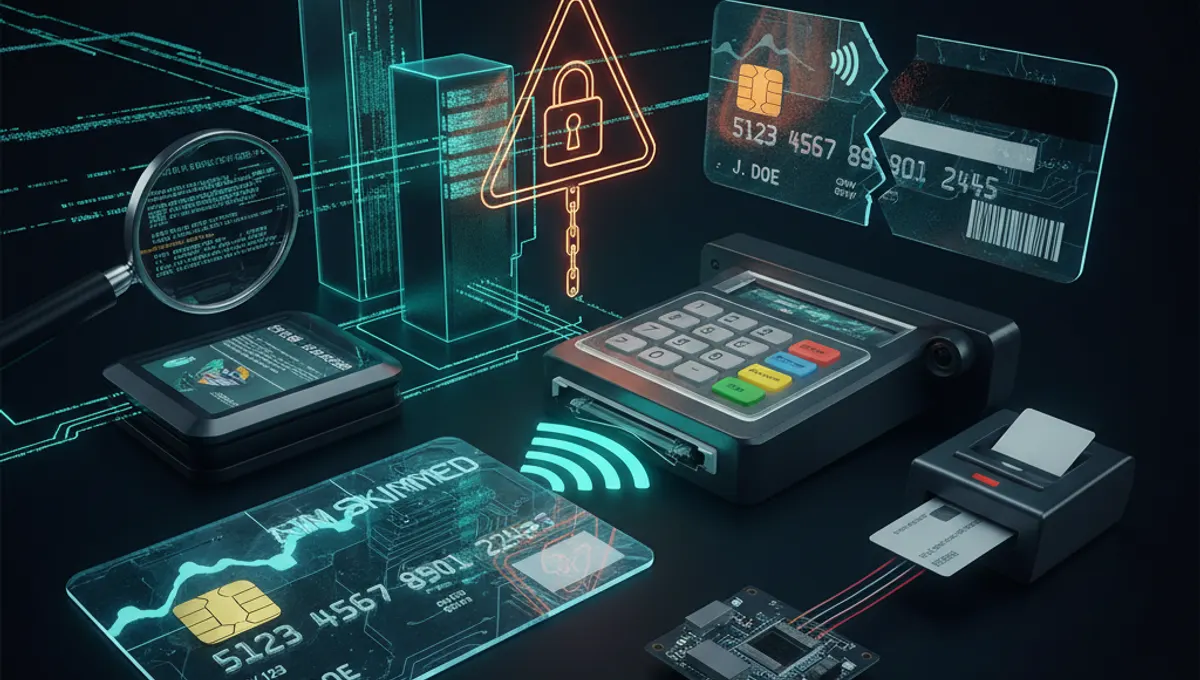
An ATM skimmer device is a hardware component designed to intercept card information during a transaction. Overlay skimmers are the most visible type, fitting over the legitimate card slot and capturing data as the card is inserted. Internal shimming devices are installed inside the ATM mechanism itself, making them harder to detect. These devices read either the magnetic stripe, which contains unencrypted track data, or the EMV chip through a process called shimming. The captured data typically includes the cardholder's name, card number, expiration date, and sometimes the CVV. This stolen information is then transmitted wirelessly via Bluetooth or stored on the device for later retrieval. Unlike modern contactless and tokenized payment systems that generate one-time transaction codes, magnetic stripe and older EMV implementations remain vulnerable to this type of interception.
The Cloned Card Sales Ecosystem and Dark Web Marketplaces
Stolen card data captured by skimmers feeds into a structured underground economy. Once data is harvested, it is sold on dark web marketplaces where buyers purchase cloned cards or card details in bulk. A cloned card is a physical reproduction or digital replica of a legitimate card created using stolen magnetic stripe or EMV data. These marketplaces operate similarly to legitimate e-commerce platforms, with vendor ratings, escrow systems, and bulk pricing tiers. Sellers often organize inventory by card type, issuing bank, and geographic origin. The data is also sold as dumps (magnetic stripe data) or fullz (complete identity information including name, address, and SSN). Buyers range from individual fraudsters to organized crime rings. The dark web provides anonymity for both parties, though transactions still carry significant legal and operational risks. Prices vary based on card freshness, verification status, and associated account balance information.
Legal Consequences of ATM Skimmer Possession and Use
Possession of an ATM skimmer device is illegal in most jurisdictions and typically falls under device-based fraud statutes. Charges vary by location but commonly include unauthorized access to computer systems, wire fraud, and identity theft. In the United States, federal law treats skimmer possession and deployment as a felony under the Computer Fraud and Abuse Act and wire fraud statutes. State laws add additional charges for device manufacturing or distribution. Using a skimmer to obtain card data carries enhanced penalties compared to simple possession. Purchasing or using cloned cards derived from skimming constitutes fraud and identity theft, with penalties depending on the number of cards, dollar amounts involved, and prior criminal history. Specific penalty ranges vary significantly by jurisdiction, so consulting local statutes or legal counsel is necessary for accurate information. International enforcement has increased, with law enforcement agencies coordinating across borders to prosecute skimming operations.
How Cloned Card Sales Operate on Dark Web Marketplaces
Dark web marketplaces facilitate cloned card transactions through structured vendor systems and cryptocurrency payments. Buyers typically access these sites using Tor Browser or a VPN, though neither guarantees safety or anonymity in illegal transactions. Vendors list cards by type (Visa, Mastercard, American Express), issuing bank, country of origin, and price per card or per batch. Verification methods include balance checks or small test transactions to prove card validity. Escrow systems hold cryptocurrency payments until the buyer confirms card functionality. Bulk purchases often receive discounts, with some vendors offering subscription services for regular card shipments. Delivery occurs through digital transfer of card data or physical mailing of cloned cards. Marketplace reputation systems incentivize vendor reliability, though disputes and scams are common. Law enforcement agencies monitor these marketplaces and conduct undercover operations to identify and prosecute participants.
How to Detect ATM Skimmers and Protect Your Card
Physical inspection of an ATM before use is the primary detection method. Check for loose, misaligned, or protruding components around the card slot, keypad, or camera area. Wiggle the card slot cover gently; legitimate components should not move. Look for signs of adhesive, tape, or fasteners that appear recent or out of place. Avoid ATMs in isolated or poorly lit locations, and prefer machines inside banks or well-monitored establishments. Use contactless payment methods when available, as they generate one-time transaction codes that cannot be replayed by stolen data. Enable transaction alerts on your bank account to receive immediate notifications of unauthorized activity. Consider using virtual card numbers generated by your bank or payment provider for online purchases, as these are not connected to your physical card. Monitor your credit reports regularly for signs of identity theft. If you must use a traditional ATM, cover the keypad while entering your PIN to prevent camera capture.
What to Do If Your Card Data Has Been Compromised
Contact your bank or card issuer immediately upon discovering unauthorized charges or suspecting data compromise. Most issuers offer fraud dispute processes that allow you to challenge transactions within a specific timeframe, typically 60 days from the statement date. Provide detailed information about the fraudulent transactions, including dates, amounts, and merchant names. Request a new card with a different number and request that the old card be deactivated. File a dispute claim with your card issuer; they will investigate and typically issue a provisional credit within 10 business days while the investigation proceeds. Full resolution timelines vary but generally complete within 30 to 90 days. If the fraud involves identity theft beyond card data, file a report with the Federal Trade Commission and obtain an identity theft report. Place a fraud alert on your credit file with the three major credit bureaus to prevent new accounts from being opened in your name. Monitor your credit reports for suspicious activity and consider a credit freeze if the compromise is severe.
Verified Resources for Fraud Prevention and Reporting
The Federal Trade Commission provides comprehensive guidance on identity theft, fraud reporting, and recovery steps at IdentityTheft.gov. Your bank or card issuer's official website contains specific fraud dispute procedures and contact information for their fraud department. The Consumer Financial Protection Bureau offers resources on financial fraud and consumer rights. Local law enforcement agencies accept reports of card skimming and fraud, which can be filed in person or online depending on jurisdiction. The Secret Service investigates counterfeit currency and financial crimes, including large-scale carding operations. Credit bureaus Equifax, Experian, and TransUnion provide tools for placing fraud alerts and credit freezes. Cybersecurity organizations and financial institutions publish updated information on emerging skimming techniques and detection methods. Consulting these official sources ensures you receive accurate, jurisdiction-specific guidance rather than relying on unverified third-party information.
Frequently asked questions
Can I detect an ATM skimmer by looking at the machine
Yes, physical inspection can reveal many skimmers. Check for loose or misaligned components around the card slot, keypad, or camera area. Look for signs of adhesive, tape, or recent fasteners. Wiggle the card slot cover gently; legitimate parts should not move. However, internal shimming devices are not visible from outside, so physical inspection alone is not foolproof. Prefer ATMs in well-monitored locations inside banks.
What is the difference between a cloned card and a skimmed card
A skimmed card refers to a legitimate card whose data has been captured by a skimmer device. A cloned card is a physical or digital reproduction created using that stolen data. Cloning involves encoding the stolen information onto a blank card or using the data for fraudulent online transactions. Skimming is the data capture method; cloning is the fraud execution method. Both processes are illegal, and both harm the original cardholder.
How long does it take for fraudulent charges to appear after skimming
Fraudulent charges can appear within hours or days of skimming, depending on how quickly the stolen data is sold and used. Some fraudsters test cards with small transactions immediately, while others wait weeks or months before making larger purchases. This delay makes it harder to connect the fraud to the original skimming incident. Monitoring your account regularly and enabling transaction alerts helps catch fraud quickly regardless of timing.
What should I do if I find an ATM skimmer device
Do not touch or attempt to remove the device, as it may contain evidence or pose a safety risk. Leave the ATM immediately and report the suspected skimmer to the bank that owns or operates the machine. Contact local law enforcement and provide them with the ATM location and description of the suspicious component. If you have already used the ATM, contact your bank to monitor your account and consider placing a fraud alert on your credit file.
Are contactless payments safer than inserting a card into an ATM
Contactless payments are generally safer because they generate one-time transaction codes that cannot be replayed using stolen data. However, contactless payments do not protect against skimming of the underlying card data if the card is used at a traditional ATM or card reader. The safest approach combines contactless payment methods with virtual card numbers, transaction alerts, and regular account monitoring.