What Is an RFID Card and How Does Cloning Work
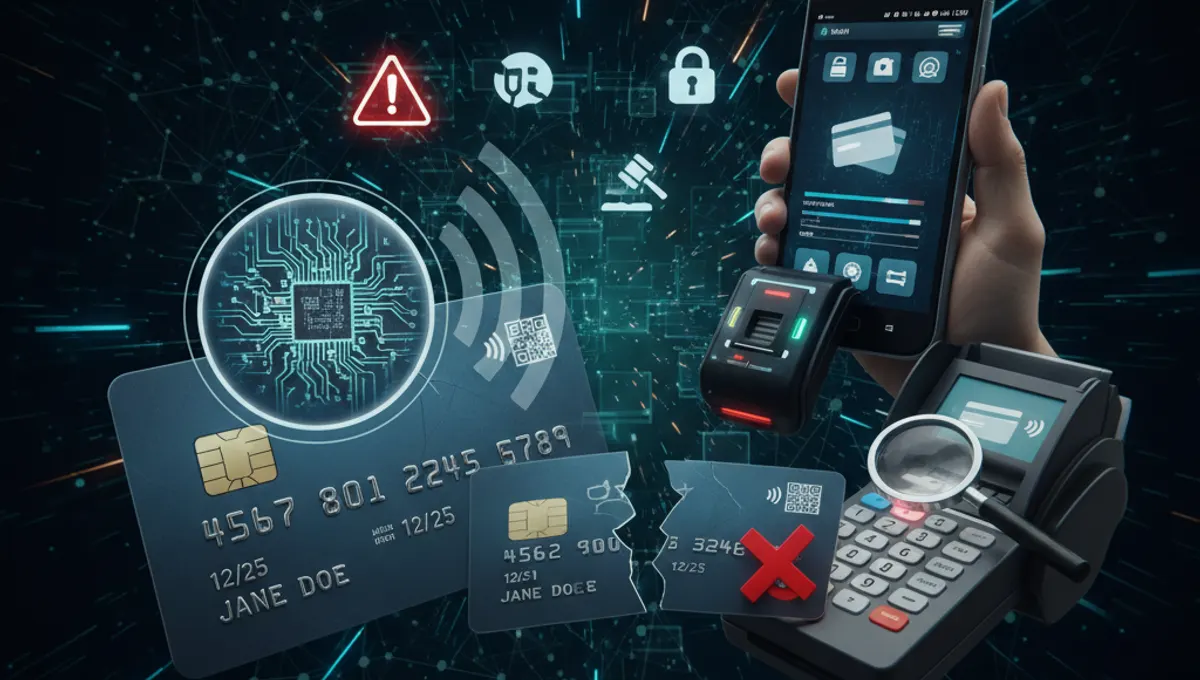
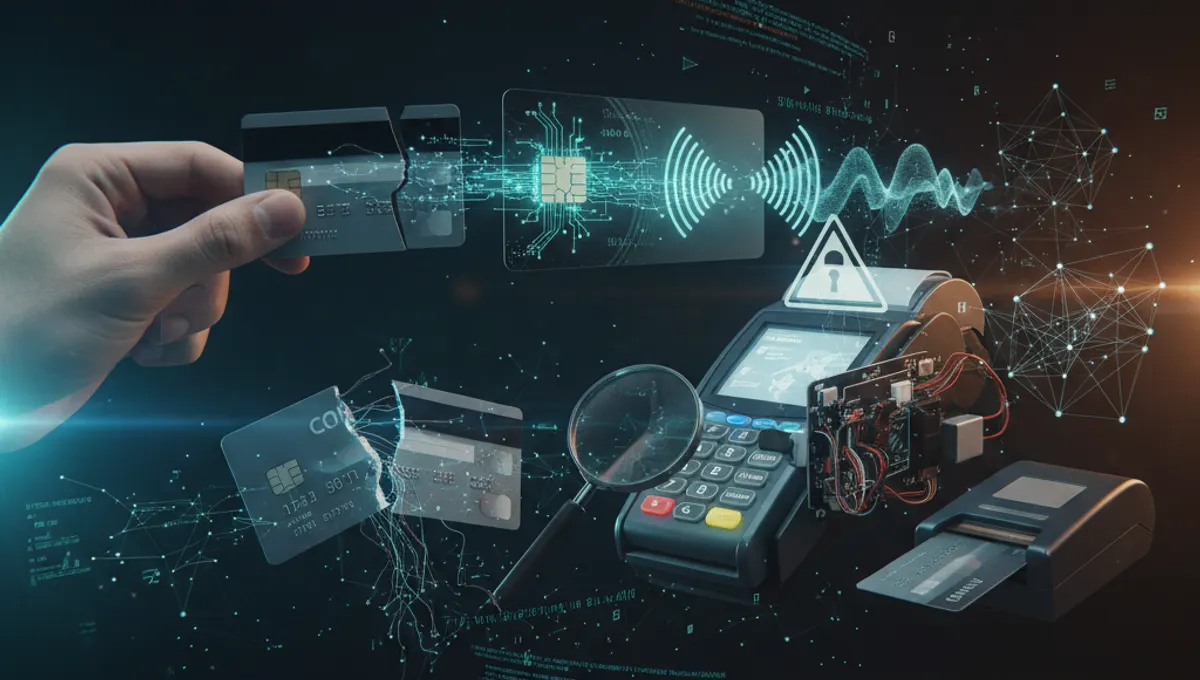
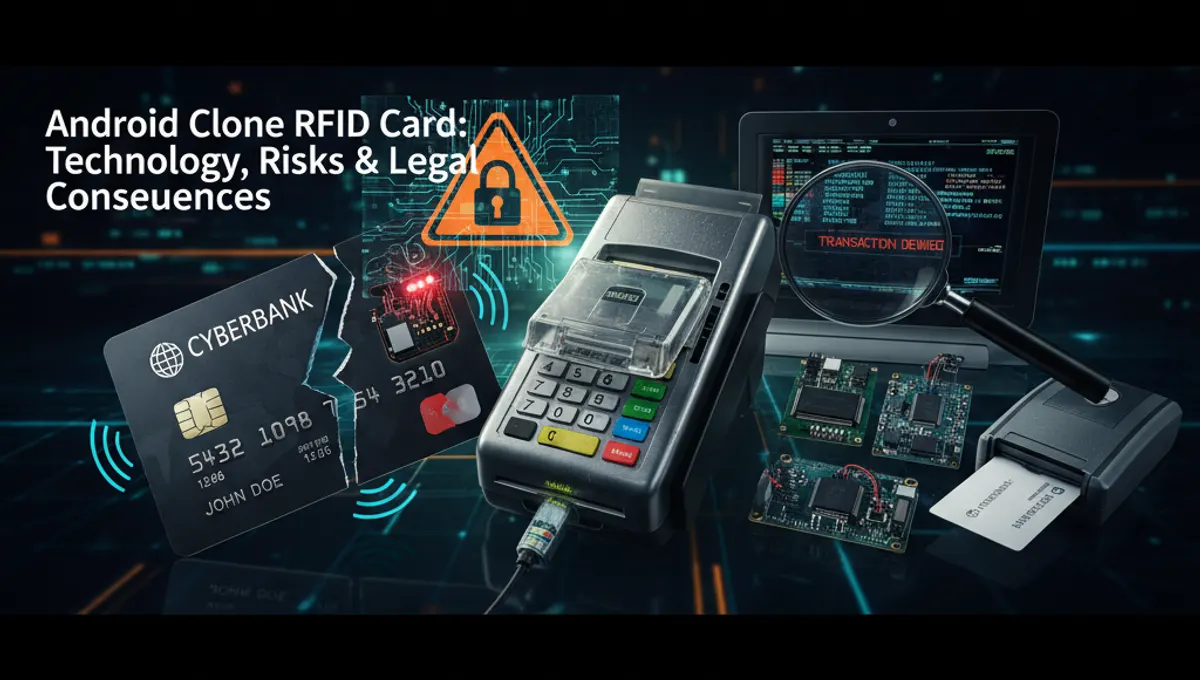
An RFID card contains a microchip and antenna that transmit data wirelessly to a reader. RFID cards operate at frequencies like 125 kHz (access cards) or 13.56 MHz (NFC-based payment or ID cards). Cloning occurs when an attacker reads the card's data using a compatible reader and writes that data to another device, such as an Android phone with NFC capability. The cloned device then mimics the original card's signal, allowing unauthorized access or fraudulent transactions. Unlike EMV chip cards with encryption and one-time codes, many older RFID cards lack these protections, making them vulnerable to duplication. The process differs from shimming (inserting a device into a card slot) and skimming (intercepting wireless data), but all three methods result in card data compromise.
RFID Cloning Methods: Android NFC and Specialized Tools
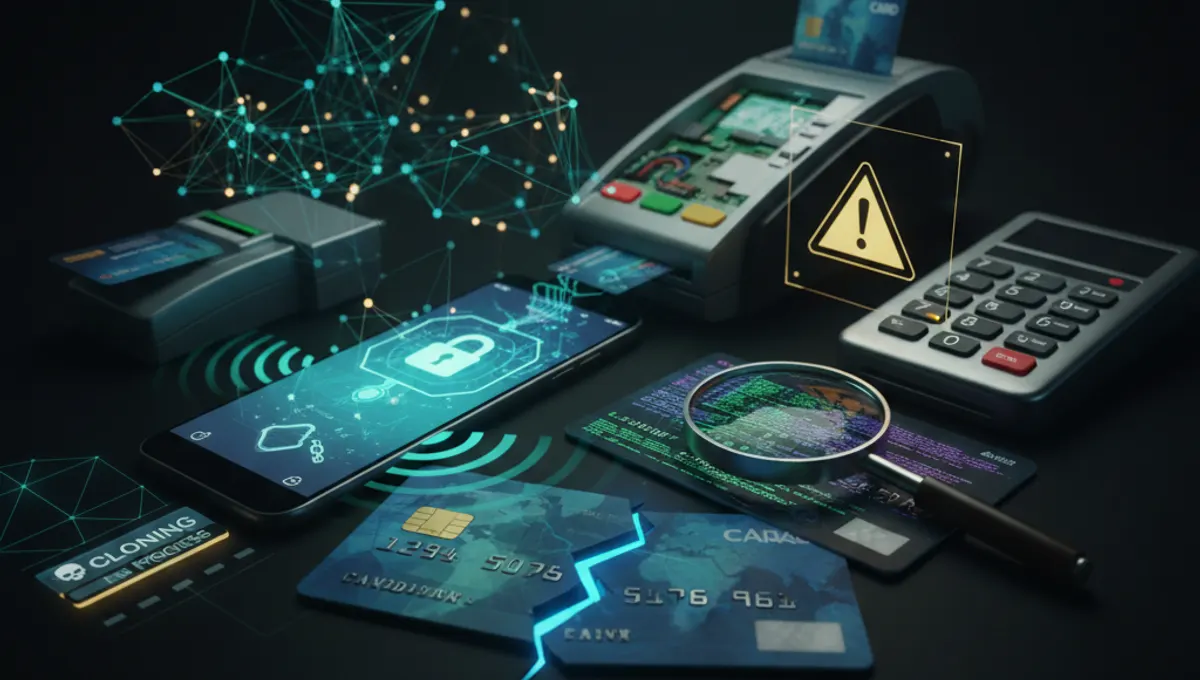
Android devices with NFC capability can clone certain RFID cards using third-party applications that read and write card data. These apps communicate with the phone's NFC chip to capture the card's unique identifier and stored information. Specialized hardware tools, such as 125 kHz RFID cloners or 13.56 MHz NFC writers, are also used to clone access cards and payment cards to blank cards or writable tags. The ease of cloning depends on the card's security features: cards without encryption or authentication protocols are trivial to duplicate, while modern EMV and tokenized systems include cryptographic protections that prevent simple duplication. Attackers often target older proximity cards used in office buildings, parking facilities, and hotels because these systems rely on static identifiers rather than dynamic authentication.
The Dark Web Cloned Card Marketplace and Sales Ecosystem
Cloned card data and pre-cloned cards are sold on dark web marketplaces through vendor accounts and automated shops. Sellers offer cards with magnetic stripe data, EMV chip information, and RFID credentials, often bundled with CVV codes and expiration dates harvested from data breaches or skimming operations. The marketplace operates on reputation systems, escrow services, and cryptocurrency payments to maintain anonymity. Buyers range from individuals seeking unauthorized access to facilities to organized fraud rings conducting large-scale financial crimes. Prices vary based on card type, issuing bank, and available data; premium cards with higher credit limits command higher prices. These marketplaces are regularly monitored by law enforcement, and vendor accounts are frequently shut down, though new marketplaces emerge continuously. Transactions are typically irreversible, and many buyers receive invalid or outdated card data, resulting in financial loss.
Legal Consequences of Cloning RFID Cards and Possession
Cloning an RFID card or possessing cloning equipment is illegal in most jurisdictions and falls under multiple criminal statutes. Charges typically include fraud, identity theft, unauthorized access to computer systems, and possession of fraudulent access devices. In the United States, federal law prohibits the possession of devices designed to clone cards, with penalties varying by statute and jurisdiction. Possession of cloned cards alone can result in felony charges, even without evidence of use. Using a cloned card to access a facility or complete a transaction escalates charges to fraud, theft, or aggravated identity theft, depending on the value and nature of the crime. Penalties range from misdemeanor fines and probation to felony sentences involving years of imprisonment, restitution orders, and permanent criminal records. International jurisdictions impose similar or harsher penalties; some countries treat card cloning as organized crime. Conviction can result in collateral consequences including employment restrictions, professional license revocation, and civil liability.
How to Detect and Protect Against RFID Card Cloning
Protecting RFID cards requires understanding the attack vectors and implementing layered defenses. RFID-blocking wallets and sleeves use conductive materials to shield cards from wireless scanning, preventing unauthorized reads at a distance. For access cards, request that your organization implement multi-factor authentication, such as combining RFID cards with PIN codes or biometric verification. Monitor financial accounts regularly for unauthorized transactions and enable real-time alerts through your bank or card issuer. Use virtual card numbers or tokenized payment systems that generate unique transaction codes, preventing cloned card data from being reused. For Android devices, disable NFC when not in use and avoid installing unverified applications claiming to read or clone cards. Organizations should upgrade to modern access control systems that use encrypted, time-limited credentials rather than static identifiers. Contactless payment systems with EMV protection and dynamic data are significantly more resistant to cloning than older magnetic stripe or basic RFID cards.
What to Do If Your Card Has Been Cloned or Compromised
If you discover fraudulent charges or suspect your card has been cloned, contact your card issuer immediately to report the unauthorized activity. Most financial institutions will freeze the account and issue a replacement card within 5-10 business days. File a dispute for each fraudulent transaction; under consumer protection regulations, you are typically not liable for unauthorized charges reported promptly. Document all communications with your bank, including dates, times, and names of representatives. Request a copy of the fraud investigation report and keep records of any supporting evidence, such as receipts or transaction confirmations. If your card was cloned due to a data breach, monitor your credit report using free annual reports and consider placing a fraud alert or credit freeze with the three major credit bureaus. File a report with the Federal Trade Commission (FTC) if identity theft is involved. For access card cloning, notify your organization's security team immediately so they can revoke the compromised credential and audit access logs for unauthorized entries.
Verified Resources for Card Security and Fraud Prevention
For authoritative guidance on card security, fraud prevention, and legal information, consult official resources from financial regulatory bodies and consumer protection agencies. The Federal Trade Commission (FTC) provides comprehensive guides on identity theft, card fraud, and dispute resolution. Your card issuer's official website contains specific policies on fraud liability and dispute procedures. The National Association of Attorneys General and state consumer protection offices offer jurisdiction-specific legal information regarding card fraud penalties. Organizations like the Payment Card Industry Security Standards Council publish technical standards for secure card handling. For access control security, consult your organization's IT or security department and industry-specific standards bodies. Law enforcement agencies, including the FBI and Secret Service, maintain resources on financial crime and cybersecurity. Avoid relying on unverified forums or dark web sources for card security information, as these often contain misinformation or encourage illegal activity.
Frequently asked questions
Can any Android phone clone an RFID card
Only Android phones with NFC (Near Field Communication) capability can clone RFID cards operating at 13.56 MHz. Phones without NFC hardware cannot perform this function. Additionally, cloning requires compatible software and the target card must lack encryption or advanced security features. Modern EMV and tokenized cards cannot be cloned using standard NFC readers.
What is the difference between cloning and skimming an RFID card
Skimming involves reading card data wirelessly without the cardholder's knowledge, typically from a distance. Cloning is the process of writing that stolen data onto another device or blank card. Skimming is the theft method; cloning is the duplication method. Both are illegal, but cloning requires additional equipment and technical knowledge.
Is it legal to possess RFID cloning equipment
No. Possessing devices designed to clone RFID cards or magnetic stripe cards is illegal in most jurisdictions, even without evidence of use. Federal and state laws prohibit the manufacture, distribution, and possession of card cloning equipment. Possession alone can result in felony charges, fines, and imprisonment.
How long does a bank take to refund fraudulent charges on a cloned card
Most banks refund unauthorized charges within 5-10 business days after you file a dispute, though timelines vary by institution and transaction type. Federal regulations typically require banks to investigate disputes within 30 days. Temporary credits may be issued immediately while the investigation proceeds. Contact your card issuer for specific timelines applicable to your account.
Can RFID-blocking wallets prevent card cloning
RFID-blocking wallets prevent unauthorized wireless reads of your card data, which stops the first step of the cloning process. However, they do not protect against cloning if your card data has already been compromised through other means, such as data breaches or in-person skimming. They are one layer of protection but not a complete solution.