What Is Card Skimming and How Does It Work
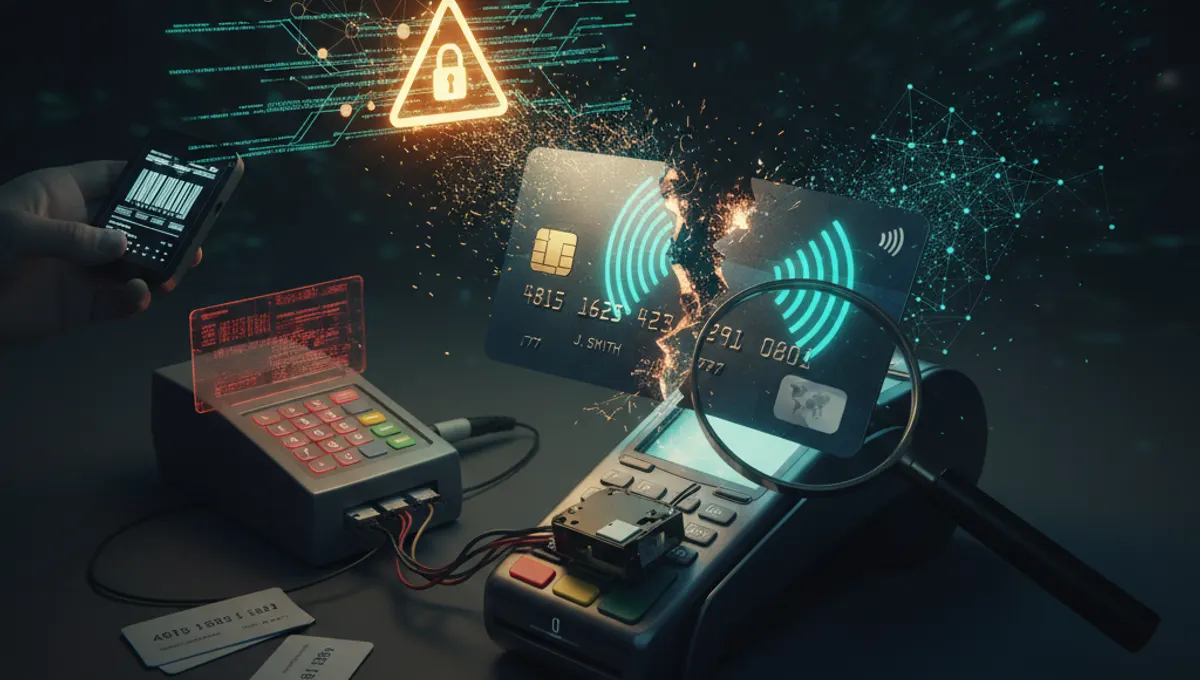
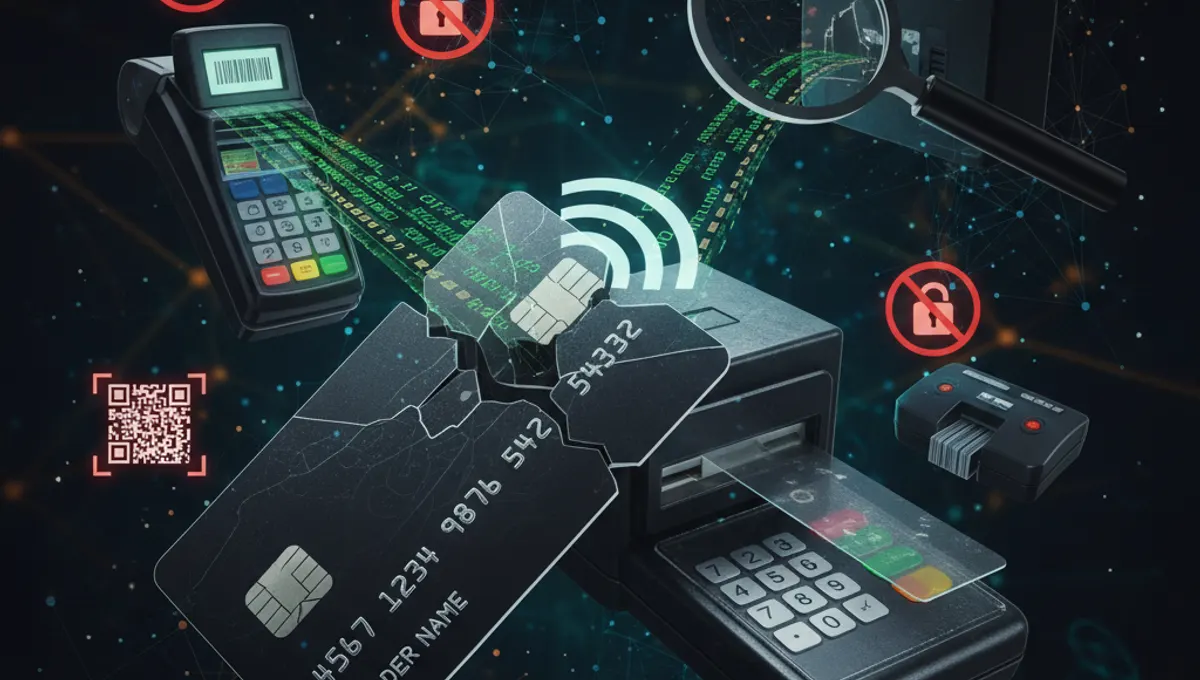
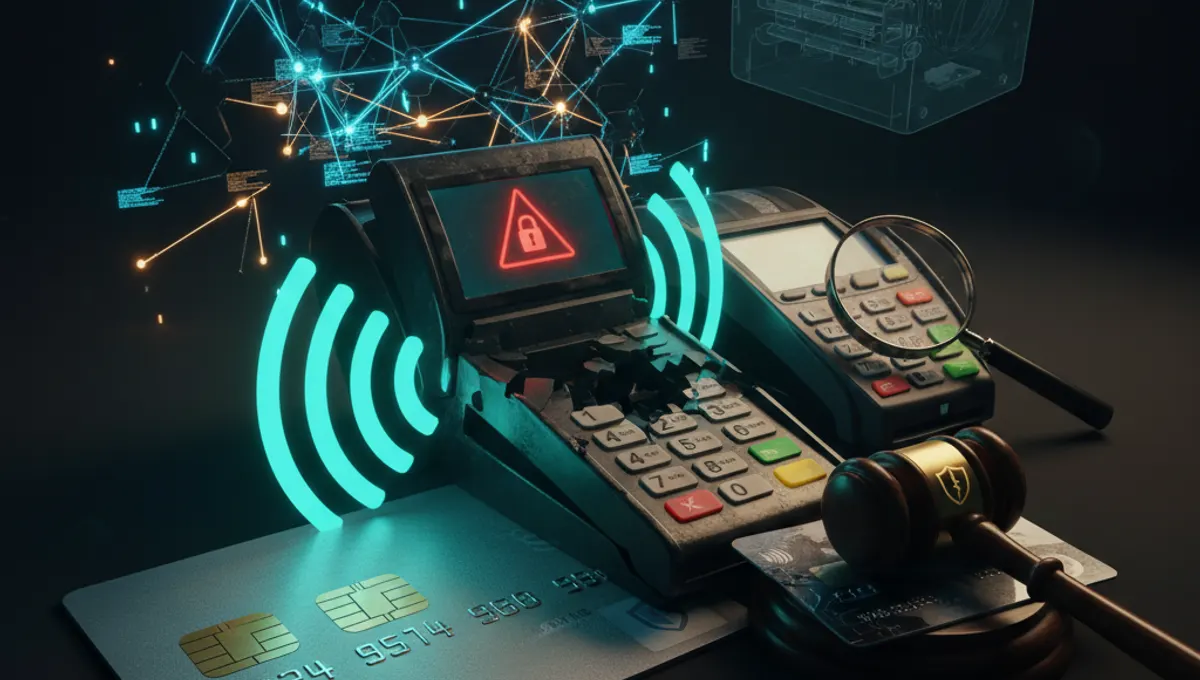
Card skimming involves using a device to read and record the magnetic stripe or chip data from your card without your knowledge. Skimmers are typically placed on ATMs, gas pump terminals, or point-of-sale machines where they capture information when you insert or swipe your card. Chip skimming targets EMV-enabled cards by reading the chip data during a transaction. Contactless skimming uses wireless technology to intercept data from cards with NFC or RFID capabilities without physical contact. The stolen data is then stored on the skimming device or transmitted wirelessly to a nearby receiver. Skimmers at ATMs, commonly called bancomat skimmers, are often combined with hidden cameras or fake keypads to capture your PIN as well. The entire process happens in seconds and leaves no visible trace on your card.
What Is Card Cloning and How Does It Differ from Skimming
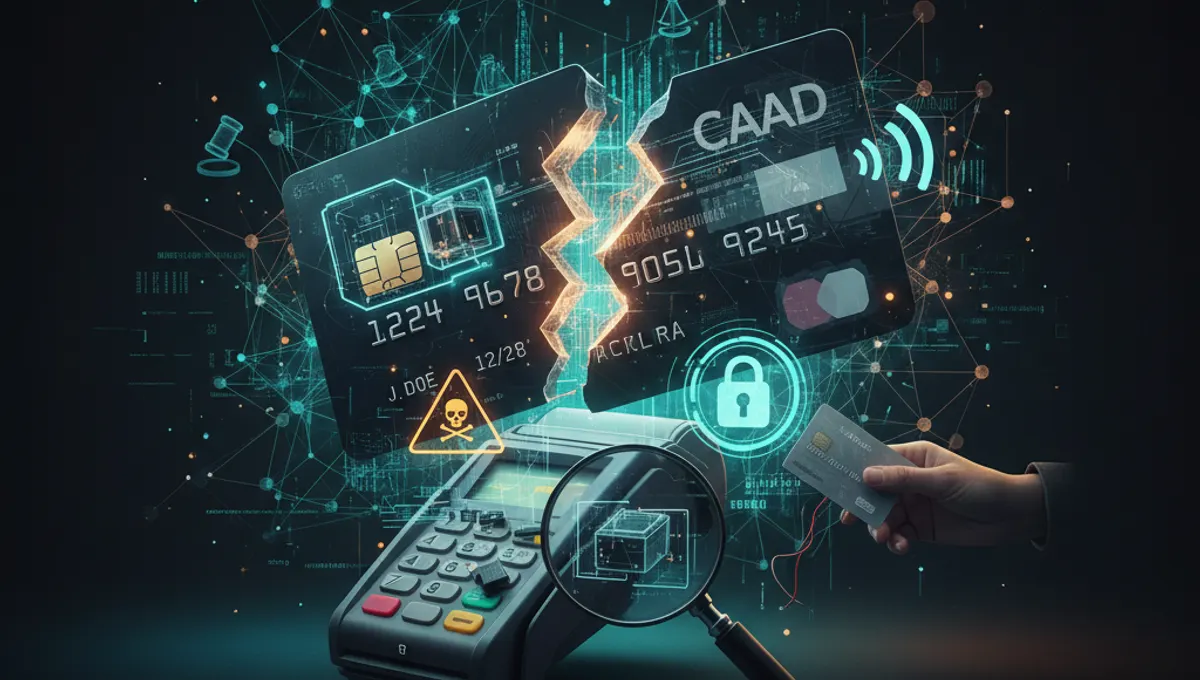
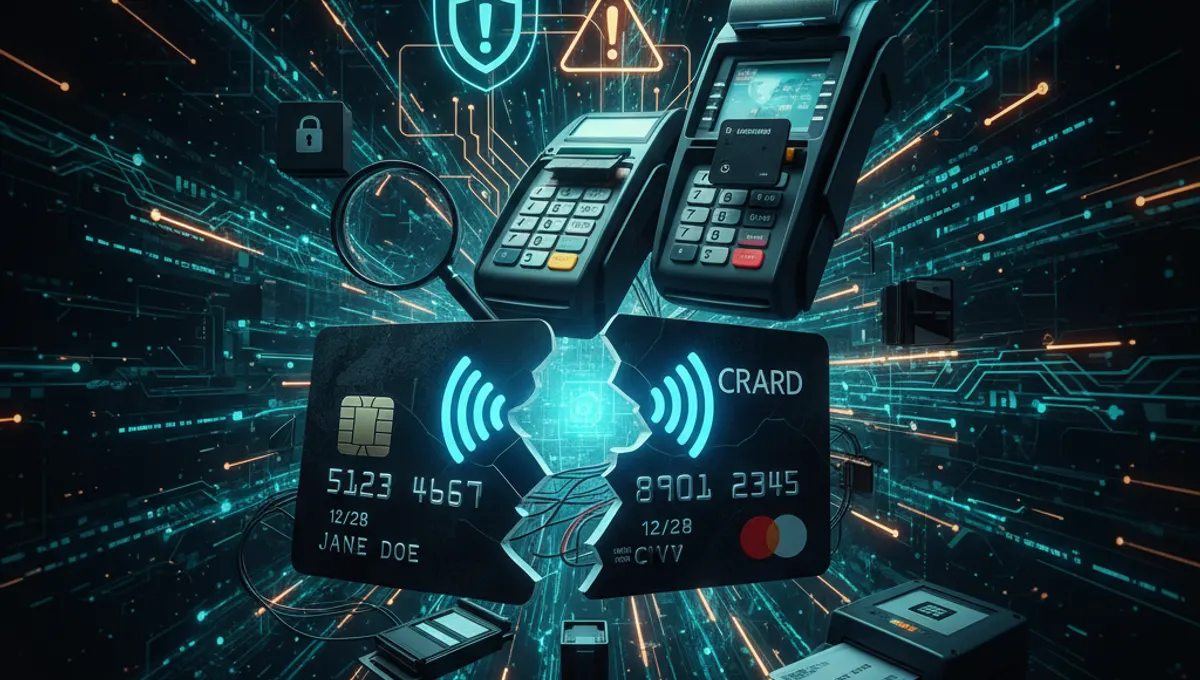
Card cloning is the process of creating a duplicate card using data stolen through skimming or from data breaches. Once a skimmer captures your card's magnetic stripe information, that data is encoded onto a blank card or an existing card, producing a clone with identical credentials. Cloned cards work like your original card at merchants who rely solely on magnetic stripe verification, though modern EMV chip technology has reduced their effectiveness at many retailers. The key difference is that skimming is the theft method, while cloning is the reproduction method. A cloned card may have a different physical appearance but contains the same account information as your legitimate card. Cloning does not require access to your physical card; only the data is needed. This separation of data theft from card reproduction is what makes the cloning ecosystem viable on underground markets.
The Dark Web Cloned Card Sales Ecosystem
Cloned cards are bought and sold on dark web marketplaces where vendors operate with pseudonymous identities and accept cryptocurrency payments. These marketplaces function as directories where sellers list cards organized by bank, card type, and balance range. Buyers typically purchase cards in bulk and test them at low-value merchants to verify functionality before larger transactions. The pricing structure reflects card quality, issuing bank, and available data; cards with full information including CVV and expiration date command higher prices than those with partial data. Vendors often provide guarantees or refunds if cards are declined or flagged quickly, creating a transactional trust system within the marketplace. The supply chain includes individuals who operate skimming devices, data brokers who aggregate stolen information from breaches, and resellers who repackage data for different buyer segments. Transactions are conducted using cryptocurrency to maintain anonymity, though law enforcement agencies monitor these markets and have successfully prosecuted major marketplace operators and users.
How to Detect Card Skimming Devices
Detecting skimmers requires visual inspection and awareness of common placement locations. At ATMs and gas pumps, examine the card reader slot for loose, misaligned, or protruding components that appear different from the machine's standard design. Run your fingers around the edges of the card slot to feel for overlays or inserts that don't fit flush with the machine. Check for hidden cameras positioned above the keypad or to the side, which may be disguised as small dark objects or holes. At gas stations, inspect the pump's card reader before inserting your card; legitimate readers should be smooth and seamless with the pump's surface. For contactless skimming, be aware that wireless readers can operate from a distance, so avoid using contactless payment in crowded areas where someone could hold a reader near your card or phone. Use your bank's mobile app to monitor transactions in real time and set up alerts for any charges. If you notice anything unusual about a machine's appearance or feel uncomfortable using it, use an alternative location or payment method.
Protection Strategies: Preventing Card Compromise
Multiple layers of protection reduce your exposure to skimming and cloning. Use chip readers instead of magnetic stripe whenever possible, as EMV technology is more difficult to clone and provides better fraud protection. Enable contactless payment tokenization on your phone, which replaces your actual card data with a unique token for each transaction, preventing skimmers from capturing usable information. Request virtual card numbers from your bank for online purchases; these single-use or limited-use numbers cannot be reused if compromised. Set up transaction alerts through your bank's app to receive notifications of any charges, allowing you to spot fraudulent activity immediately. Consider using a card reader blocker or RFID-blocking wallet for contactless cards to prevent wireless skimming. Regularly review your bank and credit card statements for unauthorized charges. Avoid using ATMs in isolated locations or those that appear tampered with. For high-value transactions, use payment methods that offer strong buyer protection and dispute resolution.
What to Do If Your Card Information Is Compromised
If you discover unauthorized charges or suspect your card data has been stolen, contact your bank or card issuer immediately. Most banks allow you to report fraud through their app, website, or customer service line. Request that your card be canceled and a replacement issued; this typically arrives within 5-10 business days. File a dispute for each fraudulent transaction; your bank will investigate and usually issue a provisional credit within 10 days while the investigation proceeds. Keep detailed records of all unauthorized charges, including dates, amounts, and merchant names. Request a copy of the fraud investigation report from your bank for your records. If the compromise involved multiple accounts or sensitive information, consider placing a fraud alert or credit freeze with the credit bureaus to prevent identity theft. Monitor your credit reports for suspicious activity over the following months. If your PIN was captured along with your card data, change your PIN immediately after receiving your replacement card. Report the skimming device itself to the business or bank that operates the machine so they can investigate and remove it.
Legal Consequences of Card Cloning and Fraud
Possession of cloned cards or equipment used to create them is illegal in most jurisdictions and typically falls under fraud, identity theft, or device-based fraud statutes. Using a cloned card to make purchases constitutes fraud and potentially identity theft, depending on whether the cardholder's identity was used without authorization. Penalties vary significantly by jurisdiction but generally include criminal charges, fines, and imprisonment. Some jurisdictions distinguish between possession with intent to use and actual fraudulent use, with the latter carrying more severe penalties. Operating a skimming device or selling cloned cards involves additional charges related to conspiracy, money laundering, and organized fraud. Federal charges in certain countries may apply if the fraud crosses state or national borders or involves multiple victims. Restitution to victims is often required as part of sentencing. Civil liability may also apply, allowing card issuers or victims to pursue damages. The specific charges and penalties depend on the jurisdiction's laws, the amount of money involved, and the defendant's criminal history. Consulting with a legal professional in your jurisdiction provides accurate information about potential consequences for specific conduct.
Frequently asked questions
Can a cloned card be used if the original card is still active
Yes, a cloned card can be used independently of the original card because it contains the same account information. However, most modern merchants use chip readers or require additional verification, which makes cloned cards less effective. Banks monitor for simultaneous use of the same card in different locations and flag suspicious patterns. The original cardholder typically notices fraudulent charges quickly through transaction alerts or statement review.
What is the difference between shimming and skimming
Shimming targets EMV chip cards by inserting a thin device into the chip reader slot to intercept data during the chip reading process. Skimming captures data from the magnetic stripe or wireless transmission. Shimming is more technically complex and less common than skimming because chip technology is harder to compromise. Both methods result in stolen card data that can be used for cloning or fraudulent transactions.
How long does it take for a bank to refund fraudulent charges
Banks typically issue a provisional credit within 10 business days of filing a fraud dispute. A full investigation and final resolution usually takes 30-90 days, depending on the complexity and the bank's procedures. During this period, the provisional credit remains in your account. If the investigation determines the charge was fraudulent, the provisional credit becomes permanent. Some banks offer faster resolution for clear cases of unauthorized use.
Are contactless payments safer than chip or magnetic stripe payments
Contactless payments using tokenization are generally safer because they replace your actual card data with a unique token for each transaction. This prevents skimmers from capturing usable information. However, contactless technology uses wireless transmission, which can be intercepted by sophisticated attackers in close proximity. Chip readers remain the most secure for in-person transactions at merchants with proper terminals. No payment method is completely immune to fraud, but layered protections significantly reduce risk.
Can you clone a card with just the card number and expiration date
Cloning typically requires the full magnetic stripe data, which includes the card number, expiration date, and cardholder name. The CVV (card verification value) is not stored on the magnetic stripe and cannot be cloned. However, with just the card number and expiration date, a fraudster can attempt online purchases or phone transactions that don't require the CVV. Physical card cloning requires the complete magnetic stripe data captured by a skimming device.