What Is a Skimmer Bank Machine and How Does It Work
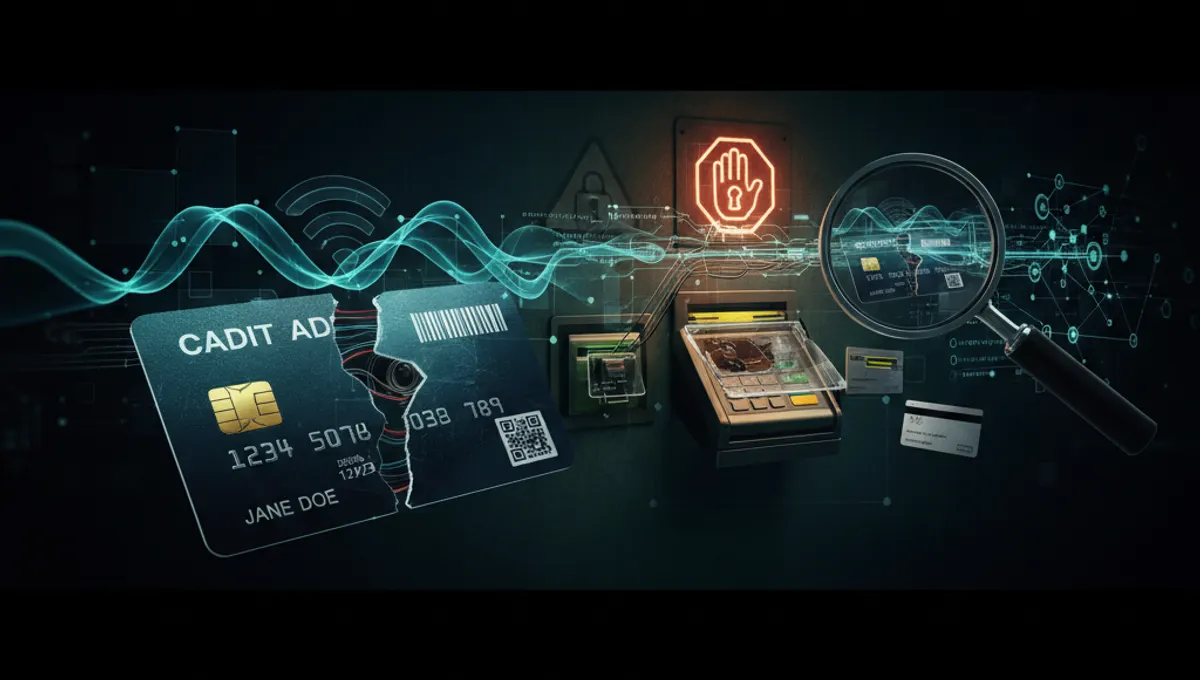
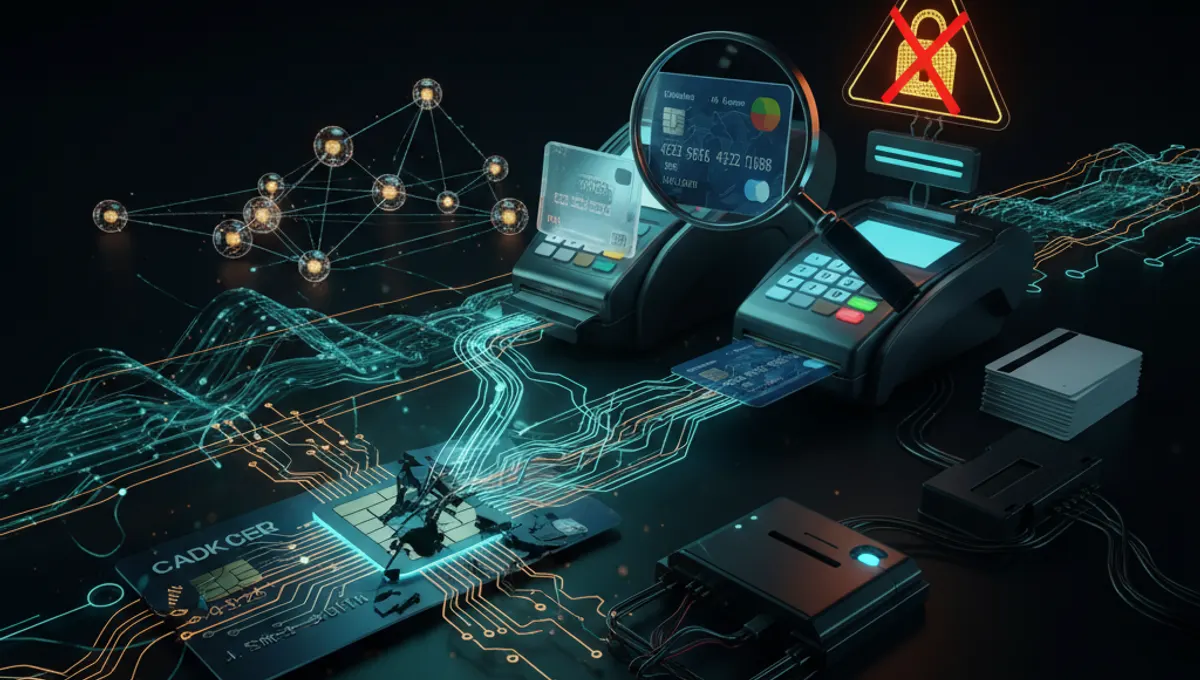
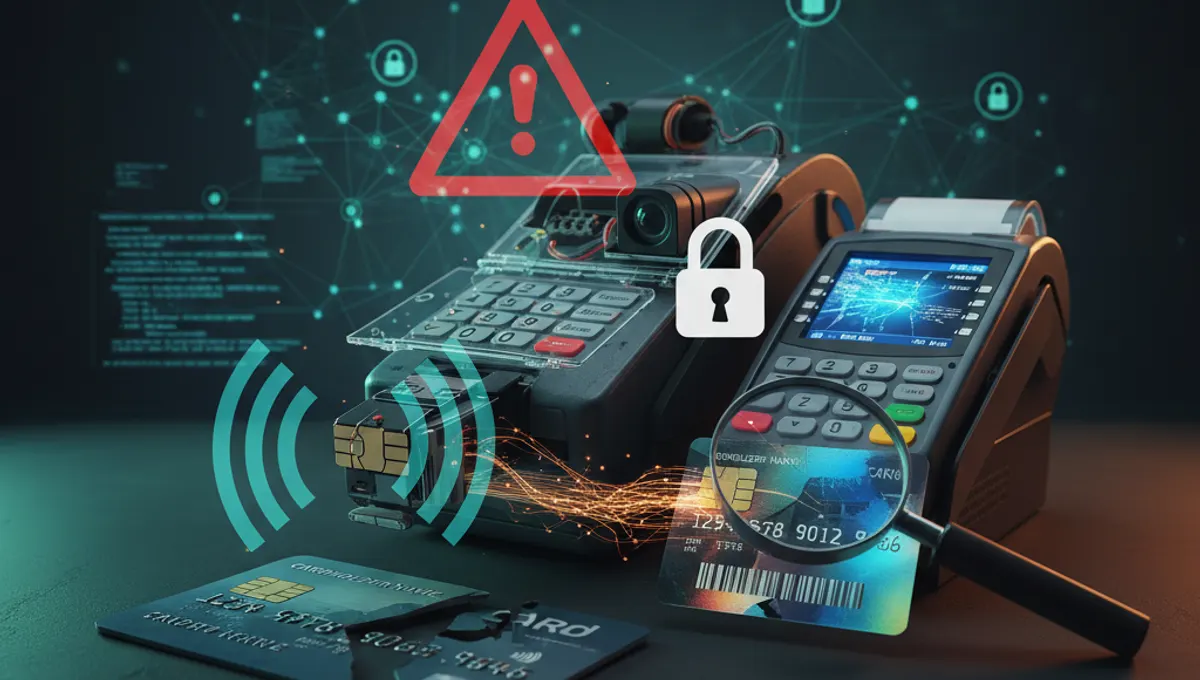
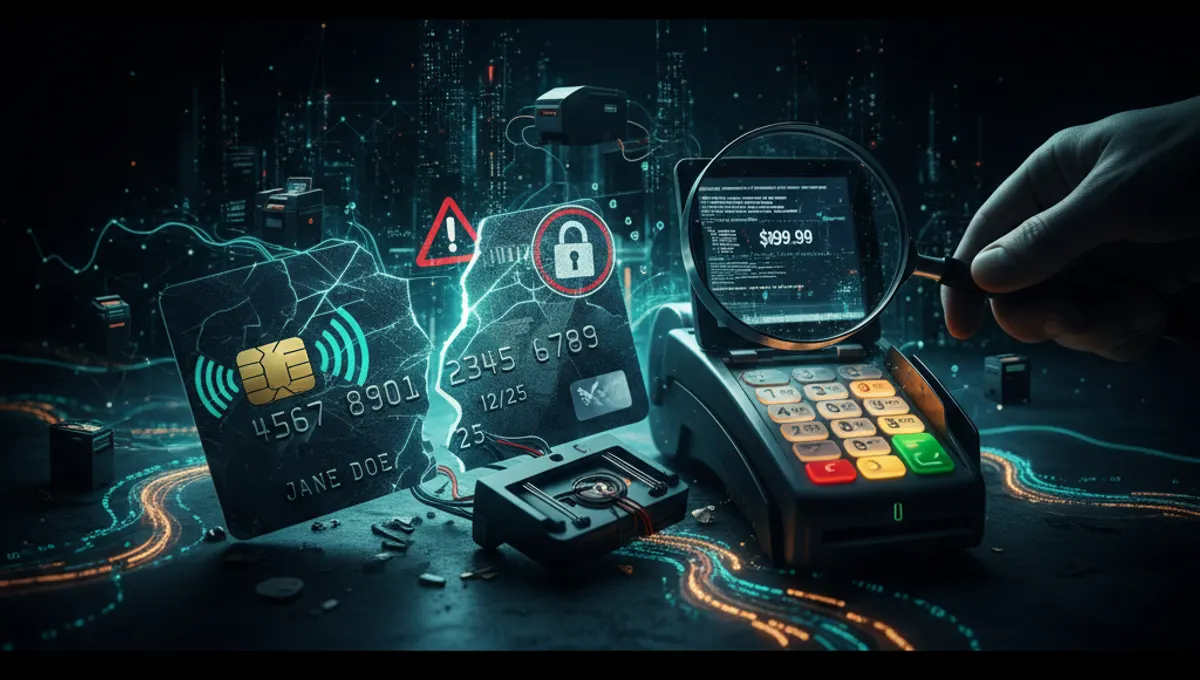
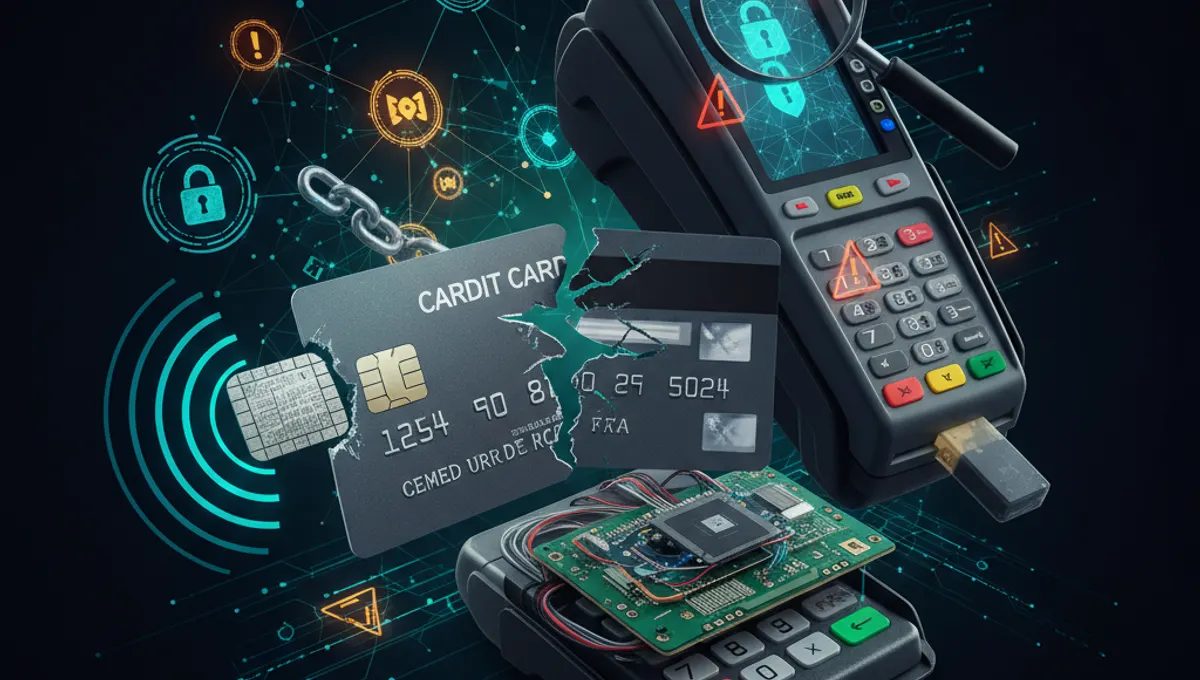
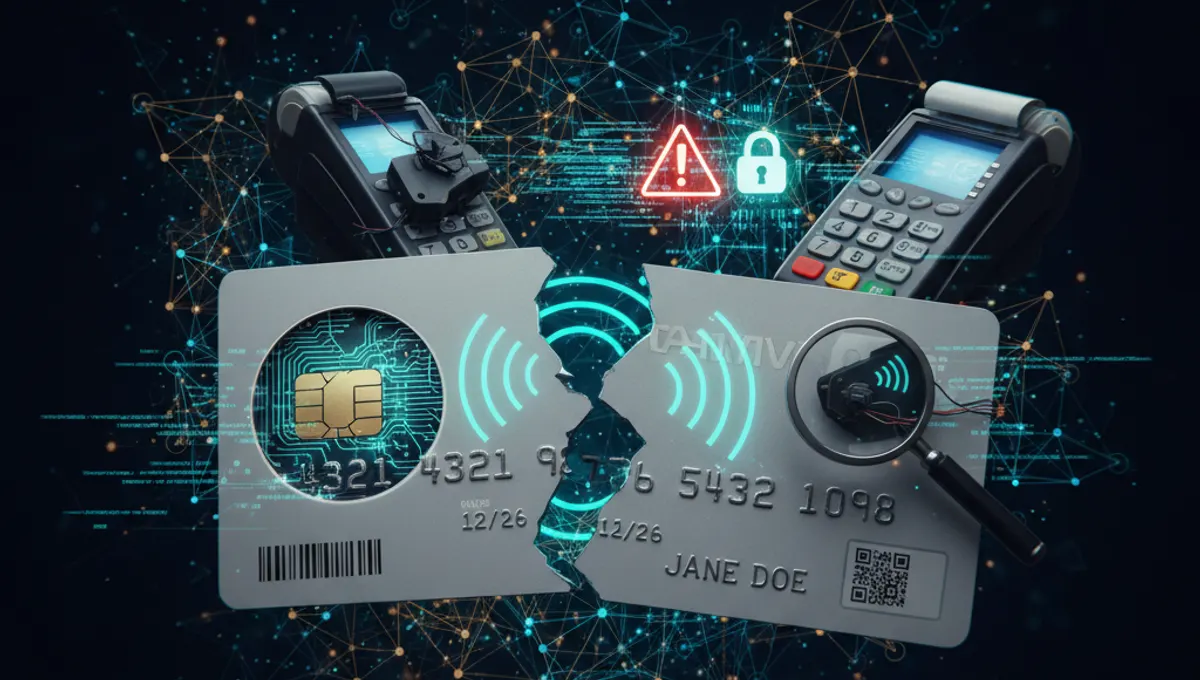
A skimmer bank machine operates by intercepting card information at the point of transaction. The device sits between your card and the legitimate reader, capturing data as it passes through. Older skimmers target the magnetic stripe, which contains unencrypted account numbers and expiration dates. Newer models attempt to bypass EMV chip encryption by reading the chip directly or by combining a skimmer with a hidden camera to capture your PIN. Some skimmers are inserted deep inside the ATM mechanism itself, making them nearly invisible during casual inspection. Others attach externally to the card slot. The captured data is either stored on the device for later retrieval or transmitted wirelessly to a nearby receiver. Once criminals have your card information, they either create a cloned card with a magnetic stripe or sell the data to other fraudsters on dark web marketplaces.
How Cloned Cards Are Created and Sold on the Dark Web
Cloned cards begin with stolen data harvested by skimmers, data breaches, or leaked databases. Criminals use card cloning equipment to encode this information onto blank cards with magnetic stripes, bypassing EMV chip security by reverting to older payment methods. The cloned card sales ecosystem operates through specialized dark web marketplaces where vendors list cards with full details: cardholder name, card number, expiration date, and CVV. Buyers purchase these cards in bulk or individually, often with seller guarantees of validity or refunds if the card declines. Prices vary based on card type, issuing bank, and reported credit limit. Some vendors offer "fullz"—complete identity packages including address and social security number—to enable more sophisticated fraud. The marketplace operates on escrow systems, reputation scores, and encrypted communication channels. Sellers often test cards before listing them to ensure they work. This ecosystem thrives because the barrier to entry is low for buyers, detection is difficult, and the profit margins are high relative to the risk for organized crime groups operating across borders.
Legal Consequences of Card Skimming, Cloning, and Fraud
Possession of a skimmer device or cloned card without authorization is illegal in most jurisdictions. Charges typically fall into three categories: fraud (using a card or card data without permission), identity theft (using someone else's personal information), and device-based fraud (manufacturing, possessing, or distributing skimming equipment). Specific penalties depend on local law. In the United States, federal wire fraud statutes carry sentences up to 20 years imprisonment plus fines. Identity theft under the Identity Theft and Assumption Deterrence Act carries up to 15 years. Possession of access devices (including cloned cards) can result in up to 15 years imprisonment. State laws often impose additional penalties. International jurisdictions vary significantly; some countries treat card fraud as a minor offense while others impose severe sentences. Aggravating factors—such as targeting vulnerable populations, operating as part of an organized group, or causing substantial financial loss—increase penalties. Even first-time offenders face prison time, restitution orders, and permanent criminal records that affect employment and housing. Buying cloned cards on the dark web does not provide legal protection; purchasers are criminally liable for fraud regardless of where the transaction occurs.
How to Detect a Skimmer on an ATM or Bank Card Machine
Visual inspection is the first line of defense against a card skimmer machine. Examine the card slot for loose, misaligned, or protruding components. Run your fingers around the edges to feel for overlays or attachments that don't match the machine's original design. Check for small cameras or pinhole lenses near the keypad that could capture your PIN. Look for signs of tampering, discoloration, or glue residue. Legitimate ATM components fit flush with the machine's body; anything that appears added or bulky warrants suspicion. Test the card slot by gently tugging on visible parts; legitimate components don't move. Inspect the PIN pad for loose keys or raised surfaces that might hide a skimmer overlay. Use the ATM's built-in security features: cover the keypad with your hand while entering your PIN, use machines in well-lit, monitored locations, and avoid ATMs in isolated areas. If something feels wrong, don't use the machine. Report suspicious ATMs to the bank immediately. Additionally, monitor your bank statements regularly for unauthorized transactions. Many banks offer real-time transaction alerts via text or email. Set up low-balance notifications and review your credit report periodically for signs of identity theft.
Protecting Your Card from Skimmers and Unauthorized Use
Multiple layers of protection reduce your vulnerability to skimmer bank machines and card fraud. Use contactless payment methods and tokenized digital wallets when available; these technologies don't transmit your full card number to the merchant. Enable transaction alerts through your bank's app or website so you're notified immediately of any charges. Consider using virtual card numbers generated by your bank or a third-party service for online purchases; these single-use numbers expire after one transaction and limit exposure if compromised. Request chip-enabled cards from your bank and always insert your card into the chip reader rather than swiping the magnetic stripe when possible; chip technology is harder to clone. Use ATMs at bank branches during business hours rather than standalone machines in convenience stores or gas stations. Cover the keypad with your other hand while entering your PIN to prevent hidden cameras from recording it. Regularly review your statements and credit reports. If your bank offers a card lock feature, activate it when you're not actively using the card. For high-value accounts, consider a credit freeze or fraud alert with the credit bureaus. Never share your card details, PIN, or CVV with anyone, regardless of how they contact you.
What to Do If Your Card Information Is Compromised
If you detect unauthorized charges or suspect your card data has been stolen, contact your bank immediately. Most banks have 24/7 fraud hotlines. Report the specific fraudulent transactions and request a card replacement. Under consumer protection laws in many jurisdictions, you are not liable for unauthorized charges if you report them promptly. Your bank will typically issue a chargeback—a reversal of the fraudulent transaction—and credit your account within 1 to 10 business days, though the timeline varies by institution. Request a new card with a different number. Ask your bank whether the compromise was due to a known skimmer incident; if so, they may waive certain fees or offer additional monitoring. File a report with your country's consumer protection agency or financial regulator. If your personal information was also compromised, place a fraud alert with the three major credit bureaus and consider a credit freeze to prevent new accounts from being opened in your name. Document all communications with your bank, including dates, times, and names of representatives. Keep copies of dispute forms and correspondence. Monitor your credit report for 12 months following the incident. If the fraud involved a specific merchant or ATM, report it to that institution and local law enforcement. Some jurisdictions allow you to file reports online; others require in-person filing.
The Difference Between Skimmers, Shimmers, and Other Card Theft Methods
Skimmers capture data from the magnetic stripe by reading it as the card passes through the device. Shimmers are newer variants that target EMV chip cards by intercepting data during the chip reading process; they fit inside the card slot and are nearly invisible. Both devices may be paired with hidden cameras to record PINs. Overlay skimmers attach externally to the legitimate card reader and are more visible but easier to install. Deep-insert skimmers are placed inside the ATM mechanism itself, making them extremely difficult to detect without disassembling the machine. Wireless skimmers transmit stolen data via Bluetooth or cellular signals to a nearby receiver, eliminating the need for criminals to retrieve the device physically. Contactless skimmers use RFID or NFC technology to read card data from a distance without physical contact. Data breaches differ from skimming; they involve theft of information from company databases rather than point-of-sale interception. Phishing and social engineering target cardholders directly through fake websites or calls. Understanding these distinctions helps you recognize which threats apply to different payment scenarios and adjust your behavior accordingly.
Frequently asked questions
Can I get my money back if a skimmer bank machine stole my card data
Yes, in most cases. Contact your bank immediately upon discovering fraud. Banks typically reverse unauthorized charges and issue a chargeback within 1 to 10 business days. You are generally not liable for fraudulent transactions if you report them promptly. Your bank will issue a replacement card and may offer additional monitoring services. Keep documentation of all communications with your bank regarding the dispute.
What does a skimmer on an ATM look like
Skimmers vary in appearance. External overlay skimmers look like plastic attachments on the card slot that don't match the machine's original design. Deep-insert skimmers are hidden inside the machine and invisible from outside. Look for loose, misaligned, or protruding components around the card slot. Check for small cameras near the keypad. Run your fingers around edges to feel for added layers. Legitimate ATM parts fit flush; anything that appears added or bulky warrants suspicion.
How do criminals use cloned cards created from skimmer data
Criminals encode stolen card data onto blank cards using cloning equipment, then use them for in-person purchases at retailers or ATMs. They may also sell the cloned cards on dark web marketplaces to other fraudsters. Some use the data for online purchases or to create counterfeit cards. The magnetic stripe on a cloned card bypasses EMV chip security, making it viable for fraud until the original cardholder or bank detects the unauthorized activity.
Are virtual cards and contactless payments safer than physical cards
Yes, both offer additional security. Virtual card numbers are single-use or limited-use tokens that don't expose your full card number; if compromised, they expire quickly and limit fraud exposure. Contactless payments use tokenization, which replaces your card number with a unique transaction code that cannot be reused. Neither method transmits your full card details to merchants, reducing skimming risk. However, no payment method is completely risk-free; layered protection remains important.
What is the difference between a skimmer and a shimmer
Skimmers read data from the magnetic stripe as your card passes through. Shimmers target EMV chip cards by intercepting data during the chip reading process and fit inside the card slot, making them nearly invisible. Shimmers are newer technology designed to bypass chip security. Both may be paired with hidden cameras to capture PINs. Deep-insert variants of either type are placed inside ATM mechanisms and are extremely difficult to detect without disassembling the machine.