What Is a Keypad Skimmer and How Does It Capture Your PIN?
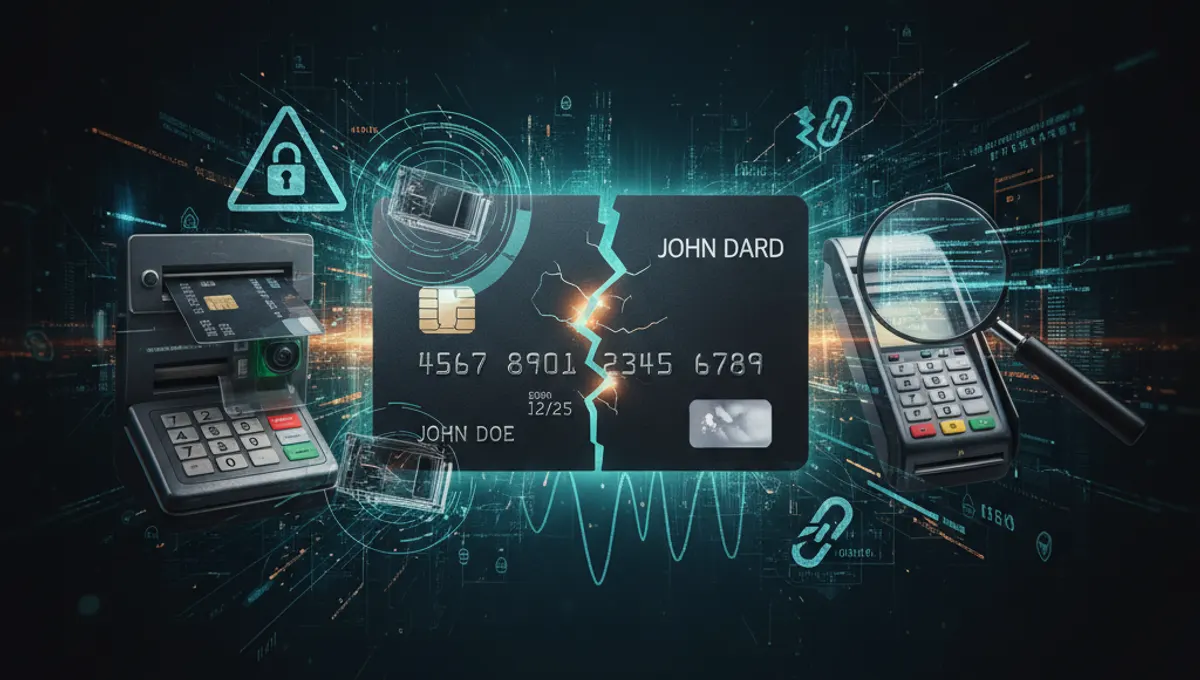
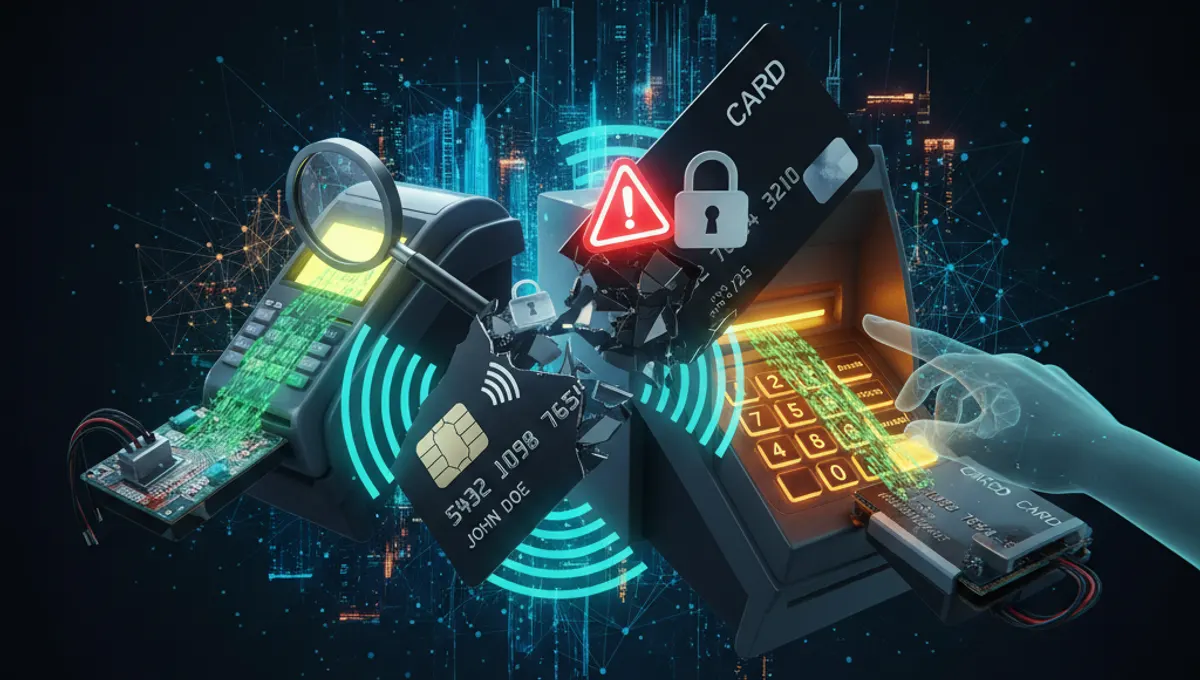
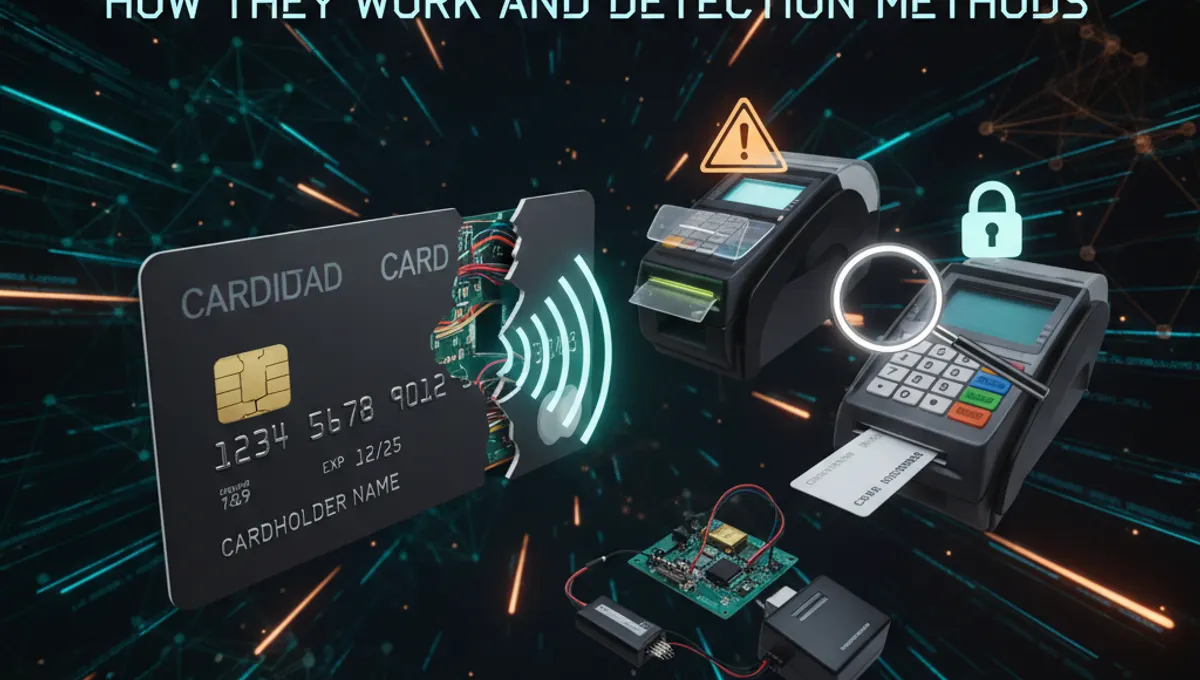
A keypad skimmer is a physical device that sits on top of an ATM's PIN pad. When you press the keys to enter your PIN, the skimmer records each keystroke. The device is typically made of plastic or rubber and is designed to blend with the ATM's appearance. Keypad skimmers often work in tandem with card readers or magnetic stripe cloners positioned in the card slot. While the card reader captures your card number and expiration date, the keypad skimmer captures your PIN. Together, these devices give criminals both pieces of information needed to access your account. Some keypad skimmers are wireless and transmit data via Bluetooth to a nearby receiver, while others store data internally for later retrieval. The overlay is usually thin enough that you may not notice it during normal use, especially if the ATM is in poor lighting or if you're in a hurry.
How Cloned Cards Are Created from Skimmed Data
When a keypad skimmer captures your card number, expiration date, and PIN, criminals have the essential data needed to create a cloned card. A cloned card is a duplicate of your original card that contains the same magnetic stripe information. Criminals use card cloning equipment to write your stolen data onto a blank card with a magnetic stripe. Unlike EMV chip cards, which use dynamic encryption, magnetic stripe data remains static and can be copied repeatedly. Once a cloned card is created, it can be used at any merchant that accepts magnetic stripe payments, or at ATMs where the PIN is known. The cloned card ecosystem operates on the dark web, where stolen card data is bought and sold in bulk. Marketplaces list cloned cards with full details, including the PIN, cardholder name, and sometimes even the CVV. Buyers purchase these cards to withdraw cash, make purchases, or resell them for profit. The entire process—from skimming to cloning to sale—can happen within days.
What Are the Legal Consequences of Possessing or Using Cloned Cards?
Possession of a cloned card, even without using it, is illegal in most jurisdictions. Charges typically fall into categories including fraud, identity theft, and device-based fraud. Specific penalty ranges depend on the jurisdiction and the circumstances of the case. In general, using a cloned card to make unauthorized transactions or withdraw cash constitutes fraud and can result in felony charges. Identity theft charges apply when a cloned card is created using someone else's personal information without consent. Possession of card cloning equipment or skimming devices may trigger separate charges related to fraud devices. Conviction can result in imprisonment, fines, restitution to victims, and a permanent criminal record. Sentences vary significantly based on the amount of money involved, the number of victims, and prior criminal history. Anyone caught purchasing cloned cards on the dark web faces the same legal exposure as those who create or distribute them. Law enforcement agencies across multiple countries actively investigate carding operations and prosecute offenders.
How to Detect an ATM Keypad Skimmer Before You Use It
Before inserting your card, inspect the ATM's card slot and keypad carefully. Look for any plastic overlays, loose components, or devices that appear to be glued or taped on top of the legitimate hardware. Run your finger around the edges of the keypad and card slot to feel for raised edges or gaps that shouldn't be there. Wiggle the keypad gently; a skimmer overlay may move or feel loose compared to the solid ATM frame. Check the color and texture of the keypad—skimmers are sometimes a slightly different shade or material than the original. Look for any small holes or unusual protrusions that could be cameras or wireless transmitters. Use ATMs in well-lit, high-traffic locations like bank lobbies rather than isolated machines. If something feels off or looks suspicious, use a different ATM or go inside the bank to conduct your transaction. Many banks now offer anti-skimmer ATM protection by upgrading to machines with integrated security features and tamper-evident designs.
Protecting Your Card: Payment Methods and Account Monitoring
Use contactless or tokenized payments whenever possible. These methods don't transmit your full card number or PIN, making them resistant to skimming. Virtual card numbers generated by your bank or payment provider add an extra layer of protection by creating a unique, single-use identifier for each transaction. Enable transaction alerts on your bank account so you receive notifications of any withdrawals or purchases. Check your account regularly for unauthorized activity. Consider using a credit card instead of a debit card for ATM withdrawals and retail purchases; credit cards offer stronger fraud protection and liability limits. Use ATMs operated by your own bank rather than independent machines, which may have less security oversight. Cover the keypad with your hand while entering your PIN to prevent hidden cameras from recording your input. Avoid ATMs that appear damaged, modified, or poorly maintained. Keep your PIN confidential and never write it down or share it with anyone, including bank employees.
What to Do If Your Card Has Been Compromised or Cloned
Contact your bank immediately if you notice unauthorized transactions or suspect your card has been cloned. Most banks allow you to report fraud by phone, online, or in person. Request that your card be canceled and a replacement issued. File a dispute for any fraudulent charges; banks typically investigate within 10 business days and issue a provisional credit while the investigation is underway. Full refunds are usually processed within 30 to 60 days, depending on the bank and the complexity of the case. File a report with your local police department and obtain a report number for your records. Report the fraud to the Federal Trade Commission through IdentityTheft.gov if your personal information was compromised. Monitor your credit report for signs of identity theft, such as accounts opened in your name. Consider placing a fraud alert or credit freeze with the three major credit bureaus to prevent new accounts from being opened fraudulently. Keep detailed records of all communications with your bank, police, and credit bureaus. If the fraud involves multiple transactions or accounts, you may need to work with law enforcement to investigate the source of the breach.
The Dark Web Carding Ecosystem and Card Sales
Cloned cards are bought and sold on dark web marketplaces that operate similarly to legitimate e-commerce sites. Sellers list cards with detailed information including the cardholder's name, card number, expiration date, CVV, and PIN. Prices vary based on the card type, credit limit, and whether the PIN is included. Buyers use cryptocurrency to purchase cards anonymously, and sellers ship physical cloned cards or provide digital information for remote use. Marketplaces use escrow systems to hold payment until the buyer confirms the card works, then release funds to the seller. Ratings and reviews help buyers identify reliable sellers, creating a reputation-based system similar to legitimate platforms. Some marketplaces specialize in bulk sales, offering discounts for purchasing multiple cards at once. Law enforcement agencies monitor these marketplaces and work with international partners to identify and prosecute operators. Accessing these marketplaces typically requires use of Tor or similar anonymity tools, but this does not provide legal protection for illegal transactions. The entire ecosystem depends on a continuous supply of stolen card data from skimming operations, data breaches, and insider theft.
Frequently asked questions
Can I get my money back if my PIN was stolen and my account was drained?
Yes, most banks will refund unauthorized ATM withdrawals if you report the fraud promptly. Contact your bank immediately and file a dispute. Banks typically investigate within 10 business days and issue a provisional credit. Full refunds are usually processed within 30 to 60 days. Debit card fraud protection varies by bank and jurisdiction, so check your account terms for specific liability limits.
How can I tell the difference between a real ATM keypad and a skimmer overlay?
Inspect the keypad for raised edges, gaps, or loose components. Run your finger around the perimeter to feel for irregularities. Check the color and material—skimmers may look slightly different. Wiggle the keypad gently; a skimmer may move or feel loose. Look for small holes or protrusions that could be cameras. If something feels suspicious, use a different ATM or visit your bank in person.
What happens if I'm caught buying cloned cards on the dark web?
Purchasing cloned cards is a federal crime in most countries. You can face charges for fraud, identity theft, and possession of fraud devices. Penalties include imprisonment, fines, restitution to victims, and a permanent criminal record. Sentences vary based on the number of cards purchased, the amount of money involved, and prior criminal history. Law enforcement actively investigates dark web carding operations and prosecutes buyers and sellers.
Are contactless payments safe from skimming?
Contactless payments are more resistant to traditional skimming because they use tokenization and encryption instead of transmitting your full card number. However, they are not completely immune to all fraud methods. Use contactless payments when available, enable transaction alerts, and monitor your account regularly. Virtual card numbers and single-use identifiers provide additional protection by limiting exposure of your primary card data.
How long does it take for a cloned card to be created and sold after my data is skimmed?
The timeline varies, but cloned cards can be created and sold within days of data being skimmed. Criminals batch stolen card data and process it in bulk to maximize efficiency. Some cards are sold immediately on dark web marketplaces, while others are held for later sale. The faster the data is processed and sold, the more likely fraudsters are to use the cloned card before the victim discovers the theft and cancels the original card.