What Is a Cloned Card and How Does It Happen
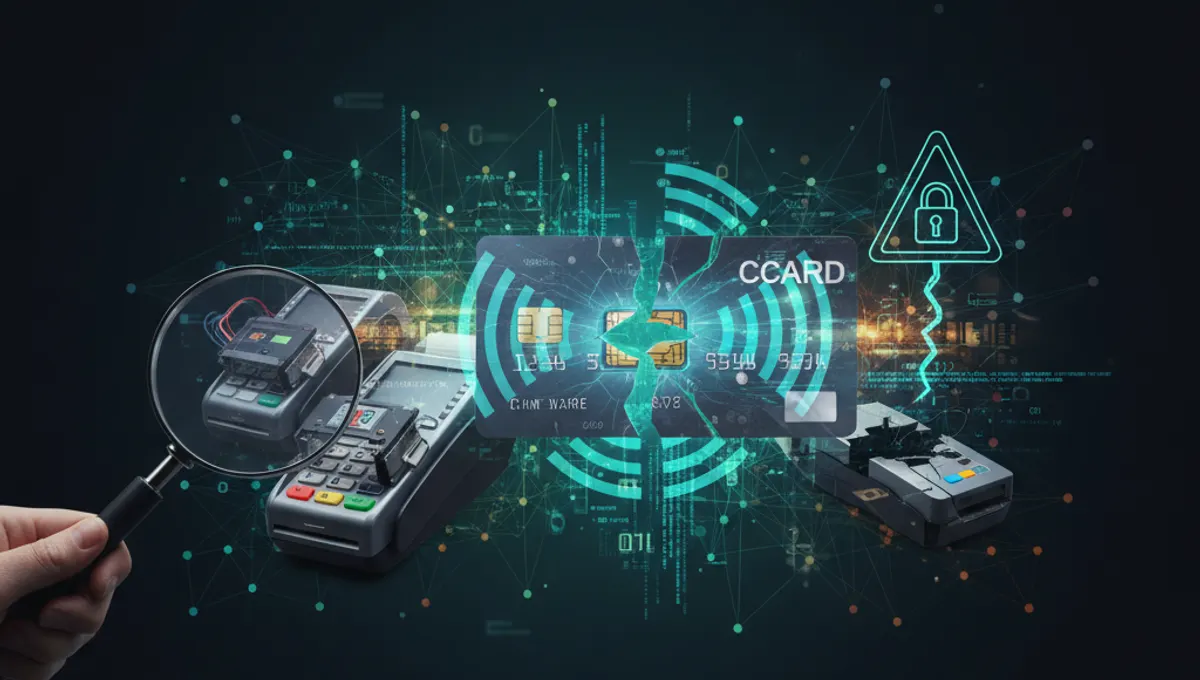
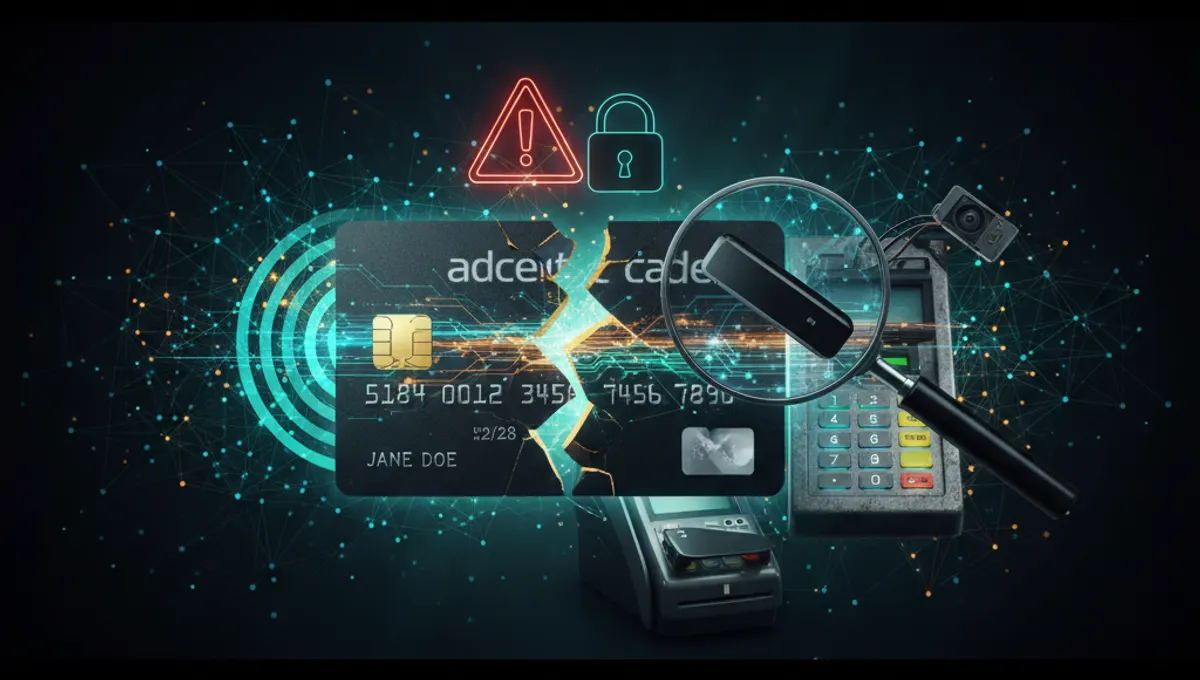
A cloned card is created when criminals capture your payment card's data and reproduce it on a new physical card or use it for online fraud. The most common method is skimming, where a card skimmer device is placed on ATMs, gas pumps, or point-of-sale terminals to read the magnetic stripe. Shimming works similarly but targets the EMV chip slot instead. Data can also come from large-scale retail breaches or phishing attacks. Magnetic stripe cards remain vulnerable because they store static data that doesn't change with each transaction, unlike EMV chips which generate unique transaction codes. Once criminals have your card number, expiration date, and CVV, they can create counterfeit cards or make online purchases immediately.
How Does a Card Skimmer Work and Where Are They Found
A card skimmer is a small electronic device that reads and stores card data when you swipe or insert your card. These devices are typically placed over legitimate card readers at ATMs, fuel pumps, or self-checkout terminals. Some skimmers are internal, hidden inside the machine itself, making them harder to detect. When you insert your card, the skimmer captures your card number and magnetic stripe data. External skimmers are often loose or slightly raised compared to the surrounding surface. Criminals return later to retrieve the device and download the stolen data. Modern skimmers may also include a hidden camera to capture your PIN. Contactless readers and EMV chip technology reduce skimming risk, but older magnetic stripe readers remain targets.
The Dark Web Carding Marketplace: How Cloned Cards Are Sold
Cloned cards and stolen payment data are actively traded on dark web marketplaces, where vendors operate under pseudonyms and accept cryptocurrency for transactions. These markets function like conventional e-commerce platforms, with product listings, seller ratings, and dispute resolution systems. Vendors offer cloned cards with varying details: some include the cardholder's name and address, others provide just the card number and CVV. Prices vary based on card type, credit limit, and verification status. Buyers typically purchase cards in bulk and test them with small transactions before attempting larger fraud. The ecosystem also includes services like money mules who cash out stolen funds, drop addresses for receiving physical goods, and tutorials on avoiding detection. These marketplaces operate across multiple jurisdictions and frequently rebrand or migrate to evade law enforcement.
Legal Consequences of Card Cloning, Possession, and Fraud
Possessing, using, or selling cloned cards carries serious criminal penalties that vary by jurisdiction. Charges typically fall into categories including fraud, identity theft, and access device fraud. In the United States, federal law prohibits the unauthorized use of access devices and fraud in connection with payment cards, with penalties ranging from fines to imprisonment depending on the amount involved and prior criminal history. Possession of cloning equipment or blank cards with intent to defraud is also prosecuted separately. State laws may impose additional charges. International jurisdictions have comparable statutes. Sentences can include restitution to victims, asset forfeiture, and supervised release. Conspiracy charges apply when multiple people coordinate carding operations. The specific penalties depend on the jurisdiction, the amount defrauded, and whether the offense is treated as a misdemeanor or felony.
How to Detect Card Skimmers and Protect Your Payment Card
Detecting a card skimmer requires visual and tactile inspection before using any card reader. Examine ATMs and gas pumps for loose, raised, or misaligned card slots. Run your finger along the reader to feel for foreign attachments. Check for hidden cameras above the keypad. Use ATMs in well-lit, monitored locations inside banks rather than standalone outdoor machines. Enable transaction alerts on your bank account to receive notifications of purchases in real time. Consider using virtual card numbers for online shopping, which generate unique card numbers that expire after one use or a set time period. Contactless payments and tokenized transactions reduce skimming risk because they don't transmit your full card data. Cover the keypad with your hand when entering your PIN. Request your bank to block certain merchant categories if you don't use them. Monitor your credit reports regularly for unauthorized accounts.
What to Do If Your Card Information Is Compromised
If you discover unauthorized charges or suspect your card data has been stolen, contact your bank or card issuer immediately. Most financial institutions offer fraud protection that limits your liability for unauthorized transactions. Report the fraudulent charges and request a dispute. Your bank will typically issue a new card with a different number within 7-10 business days. During the dispute process, the bank investigates the transaction and may reverse the charge within 30-90 days depending on the claim type and jurisdiction. Document all communications with your bank and keep records of disputed transactions. Place a fraud alert on your credit file with the three major credit bureaus to prevent criminals from opening new accounts in your name. Consider a credit freeze, which restricts access to your credit report entirely. File a report with your local law enforcement and the relevant financial crimes agency if the fraud involves a large amount or organized activity.
SIM Card Cloning and Account Takeover Risk
SIM card cloning allows attackers to intercept calls and text messages sent to your phone number, which is often used as a second factor for account verification. When a SIM is cloned, the attacker can receive password reset codes, two-factor authentication messages, and banking alerts intended for you. This enables account takeover of email, social media, and financial accounts. SIM cloning typically requires the attacker to contact your mobile carrier and convince them to transfer your number to a new SIM card, a process called SIM swapping. Some carriers have weak verification procedures, making this easier. To protect yourself, add a PIN or password requirement to your mobile account that must be provided before any number transfers. Use authentication apps like Google Authenticator or Authy instead of SMS-based two-factor authentication when possible. Contact your carrier to confirm whether your account has been transferred if you suddenly lose service.
Frequently asked questions
Can a cloned card be used without the physical card
Yes. Once criminals have your card number, expiration date, and CVV, they can make online purchases, phone orders, or mail-order transactions without possessing the physical card. They may also create a counterfeit physical card for in-person use. This is why online fraud occurs even when your original card remains in your wallet.
How long does it take to detect a cloned card
Detection depends on how frequently you monitor your account. Fraudulent charges may appear within hours of the card being cloned. If you check your account daily, you might catch unauthorized transactions quickly. However, if you review statements monthly, fraud could go undetected for weeks. Setting up real-time transaction alerts significantly reduces detection time.
Is my bank liable for fraudulent charges from a cloned card
In most jurisdictions, banks are required to protect customers from unauthorized transactions. Your liability is typically limited to a small amount or zero, depending on your account agreement and local consumer protection laws. Report fraud promptly to your bank to ensure full protection. Delays in reporting may reduce your coverage.
What is the difference between a cloned card and a counterfeit card
A cloned card is a duplicate created using stolen data from a legitimate card. A counterfeit card is a fraudulent card created with fabricated information that was never issued by a bank. Both are illegal to possess and use, but cloned cards are more common because they use real account data.
Can EMV chip cards be cloned
EMV chip cards are significantly harder to clone than magnetic stripe cards because the chip generates a unique transaction code for each purchase. However, criminals can still steal the card data and use it for online or phone transactions where the chip is not read. Some older terminals may still accept magnetic stripe data from cloned cards.