What Is a Cloned Card and How Does ATM Cloning Work
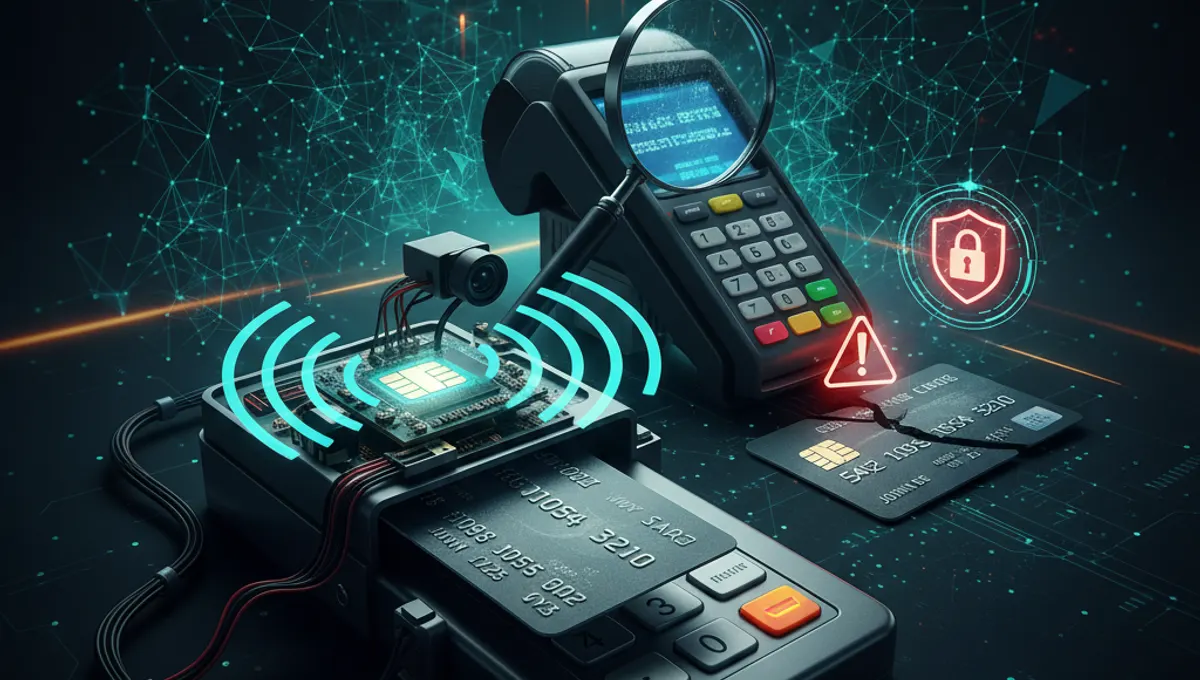
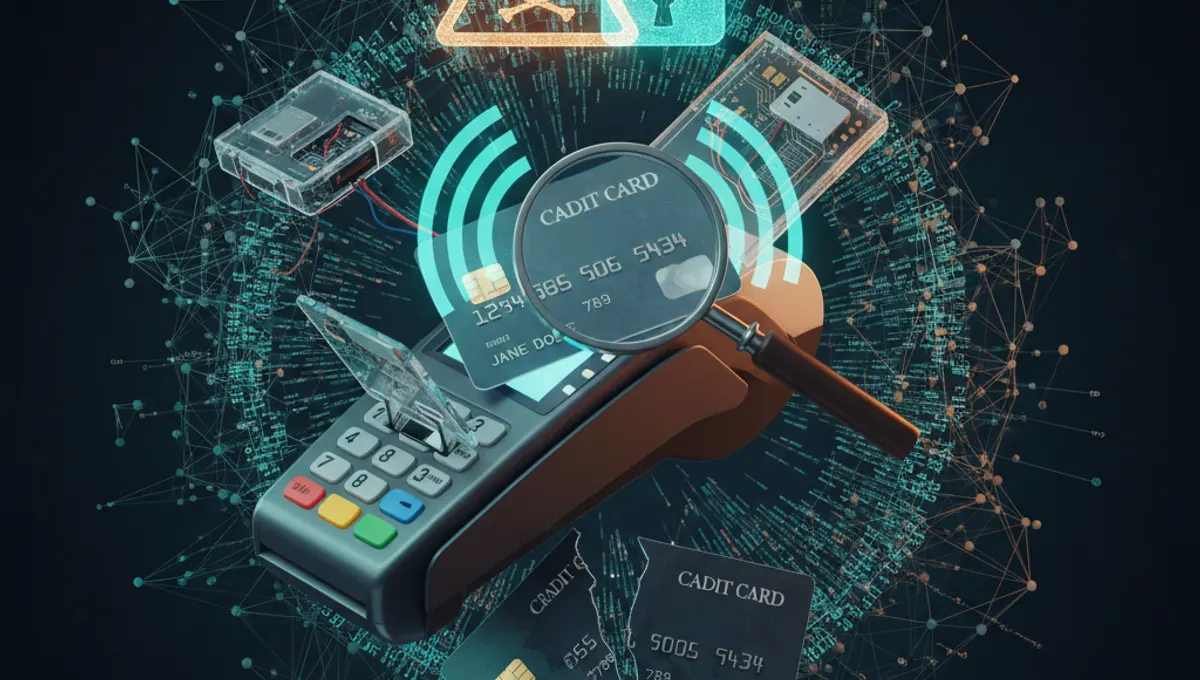
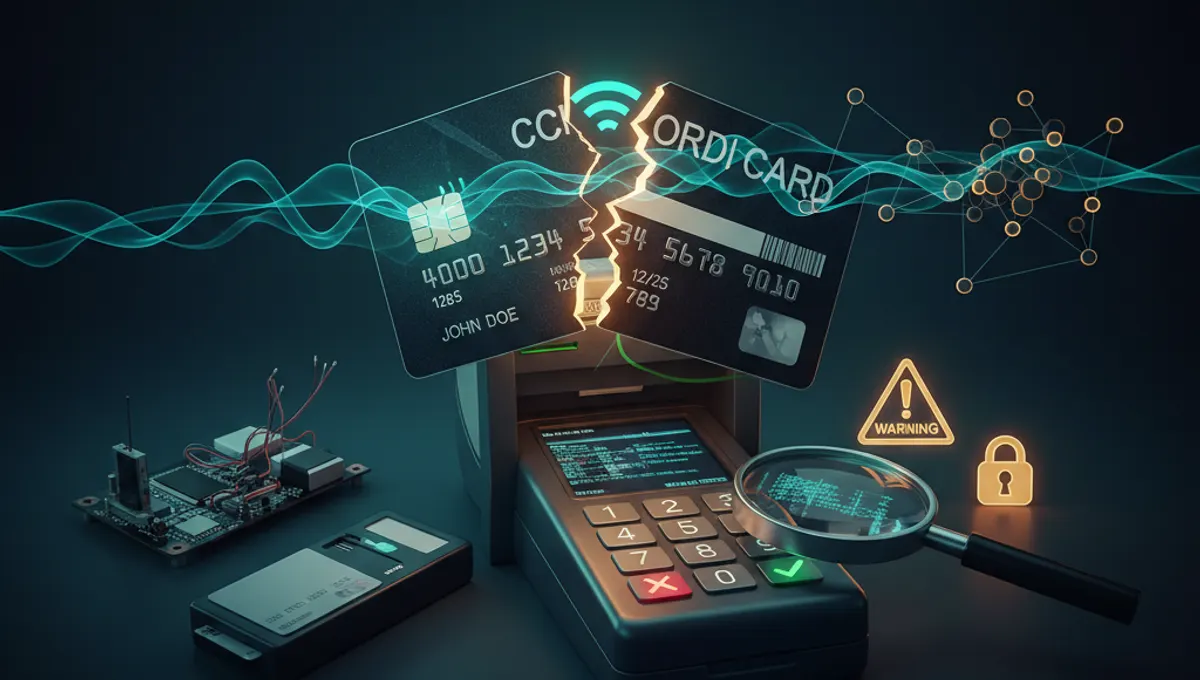
A cloned card is a duplicate created from stolen payment card data. At ATMs, cloning occurs through several methods. Skimming devices read the magnetic stripe or EMV chip when your card passes through the reader. Shimming involves inserting a thin device into the chip slot to intercept data. Deep-insert skimmers sit inside the card slot itself, capturing information from every transaction. Overlay skimmers are fake card readers placed over the legitimate slot. Wireless skimmers use Bluetooth or cellular technology to transmit stolen data remotely. The attacker obtains your card number, expiration date, and sometimes the CVV. If they also capture your PIN via a hidden camera or fake keypad, they can withdraw cash directly. Without the PIN, they typically clone the card onto a blank card with a magnetic stripe for use at merchants or ATMs that don't require chip verification.
The Dark Web Cloned Card Sales Ecosystem
Cloned cards and card data are sold on dark web marketplaces as part of a structured underground economy. Sellers offer cards with various specifications: magnetic stripe clones, EMV-enabled clones with PIN codes, and raw card data for buyers to clone themselves. Marketplaces operate as forums or storefronts where vendors list inventory, often with details about card type, balance, country of origin, and freshness. Pricing varies based on card validity, balance, and whether the PIN is included. Buyers range from individual fraudsters to organized crime groups. The ecosystem includes money mules who cash out stolen funds, resellers who redistribute cards, and technical specialists who create cloning equipment. Transactions use cryptocurrency for anonymity. Vendors maintain reputation systems and offer refunds for non-working cards to build trust. Law enforcement agencies monitor these markets, but the decentralized nature and use of Tor networks make enforcement difficult. Cards typically have short shelf lives before banks detect and block them, creating constant demand for fresh inventory.
Legal Consequences of Card Cloning Possession and Use
Legal consequences for card cloning vary significantly by jurisdiction and the specific actions involved. Possession of a cloned card or cloning equipment can result in charges related to fraud, identity theft, and unauthorized access to financial systems. Using a cloned card typically triggers fraud charges, which may be prosecuted at state or federal levels depending on the amount and whether interstate commerce is involved. Buying cloned cards on the dark web adds charges for conspiracy, money laundering, and receiving stolen property. Sentences depend on the jurisdiction, criminal history, and amount defrauded. Some jurisdictions impose mandatory minimum sentences for financial crimes. Restitution to victims is often required alongside imprisonment or fines. Federal charges carry different penalty structures than state charges. International cases may involve extradition and prosecution in multiple countries. Consulting a criminal defense attorney in your jurisdiction is essential for understanding specific legal exposure, as penalties range widely and laws continue to evolve with technology.
How Cloned Cards Are Bought and Sold on Dark Web Marketplaces
Dark web marketplaces operate as hidden websites accessible through Tor browsers, requiring specific URLs or invitations to access. Buyers create accounts using pseudonyms and cryptocurrency wallets. Sellers list cloned cards with product descriptions specifying card type, issuing bank, country, balance, and whether the PIN is included. Pricing is typically per card or in bulk discounts. Payment occurs in cryptocurrency, usually Bitcoin or Monero, which offers greater anonymity than Bitcoin. Escrow systems hold funds until the buyer confirms receipt and card functionality. Sellers may offer guarantees: if a card doesn't work within a specified timeframe, the buyer receives a replacement or refund. Communication happens through encrypted messaging within the marketplace. Shipping of physical cloned cards uses mail services, often with multiple intermediaries to obscure the origin. Some sellers offer card data only, allowing buyers to clone cards themselves using equipment. Marketplace administrators take a percentage of each transaction. Law enforcement agencies conduct undercover operations and track cryptocurrency transactions to identify buyers and sellers. Participation in these transactions exposes users to arrest, regardless of the anonymity tools used.
How to Detect ATM Card Skimmers and Protect Your Card
Detecting ATM card skimmers requires visual inspection before use. Examine the card slot for loose, protruding, or misaligned parts that don't match the machine's design. Check the keypad for raised or movable keys, which may indicate an overlay. Look for cameras or small holes near the keypad that could be recording your PIN. Wiggle the card reader bezel gently; legitimate parts should be firmly attached. Use ATMs in well-lit, monitored locations, preferably inside banks during business hours. Cover the keypad with your hand while entering your PIN to block hidden cameras. Enable transaction alerts on your bank account to receive notifications of any charges. Use contactless or tokenized payments when available, as they don't transmit full card data. Consider virtual card numbers for online purchases. Request a chip-enabled card from your bank, as EMV chips are harder to clone than magnetic stripes. Monitor your bank and credit card statements regularly for unauthorized transactions. Some banks offer card locking features that disable the card until you unlock it for a specific transaction. Avoid using ATMs in remote locations or those showing signs of tampering.
What to Do If Your Card Is Cloned or Compromised
If you discover unauthorized charges or suspect your card has been cloned, contact your bank or card issuer immediately. Most banks have fraud departments available 24/7. Report the specific fraudulent transactions and request a freeze on your account. Your bank will typically cancel the compromised card and issue a replacement within 5-10 business days. File a dispute for each fraudulent charge; banks must investigate within a set timeframe, usually 30-45 days. Under consumer protection laws in many jurisdictions, you're generally not liable for unauthorized charges if reported promptly. Request a copy of the fraud investigation report for your records. Check your credit reports from major bureaus for unauthorized accounts opened in your name, which may indicate identity theft beyond card cloning. Place a fraud alert or credit freeze if identity theft is suspected. File a report with your country's financial crime agency or consumer protection authority. Keep documentation of all communications with your bank and copies of dispute letters. Monitor your account closely for 6-12 months after the incident. Consider enrolling in credit monitoring or identity theft protection services. If the cloning occurred at a specific ATM, report it to the bank that operates the machine and local law enforcement.
Related Keywords and Further Resources
Understanding card cloning requires familiarity with related terms and concepts. ATM card skimmers, ATM card clones, and bank card cloned incidents all describe variations of the same underlying fraud. SIM card cloning represents a related but distinct threat targeting mobile phone accounts. Learning to identify these threats helps you protect multiple financial channels. For comprehensive information on verified security practices, fraud prevention, and legal resources, consult official guidance from your bank, financial regulatory agencies, and law enforcement. Many banks publish detailed security advisories on their websites. Consumer protection agencies maintain databases of reported skimming incidents and affected ATM locations. Cybersecurity organizations publish research on emerging cloning techniques and detection methods. Legal resources specific to your jurisdiction provide accurate information on fraud statutes and penalties. Staying informed through official channels reduces reliance on unverified sources and helps you make informed decisions about your financial security.
Frequently asked questions
How can I tell if an ATM has a skimming device attached
Inspect the card slot for loose, protruding, or misaligned components. Check the keypad for raised or movable keys. Look for small cameras or holes near the keypad. Wiggle the card reader bezel gently; it should be firmly attached. Use ATMs in well-lit, monitored locations inside banks when possible. If something feels unusual or doesn't match the machine's design, use a different ATM and report it to the bank.
What should I do immediately after discovering fraudulent charges on my card
Contact your bank's fraud department immediately, available 24/7 at the number on your card. Report the unauthorized transactions and request a card freeze. Your bank will cancel the compromised card and issue a replacement. File a dispute for each fraudulent charge; banks must investigate within 30-45 days. Request a copy of the fraud investigation report. Check your credit reports for unauthorized accounts. Monitor your account closely for months after the incident.
Am I responsible for paying fraudulent charges on a cloned card
In most jurisdictions, you are not liable for unauthorized charges if you report them promptly to your bank. Consumer protection laws typically limit your liability to zero if fraud is reported before the card is used. However, liability may apply if you were negligent or if you delayed reporting. Contact your bank immediately upon discovering fraud to ensure maximum protection. Specific liability limits vary by jurisdiction and card type, so consult your card issuer's terms.
How long does it take to receive a replacement card after cloning
Most banks issue replacement cards within 5-10 business days. Expedited replacement may be available within 1-3 business days for an additional fee. During the replacement period, you can request a temporary card number for online purchases or use alternative payment methods. Some banks provide immediate access to funds through a temporary debit card or cash advance. Contact your bank to understand your specific options and timelines.
Can EMV chip cards be cloned like magnetic stripe cards
EMV chip cards are significantly harder to clone than magnetic stripe cards because the chip uses dynamic data that changes with each transaction. However, they are not impossible to clone. Sophisticated attackers can use shimming devices to intercept chip data or clone the magnetic stripe if the card has one. Contactless and tokenized payments offer additional security by not transmitting full card data. Using chip readers, contactless payments, and monitoring your account provides multiple layers of protection.