What Is a Card Skimmer and How Does It Capture Data
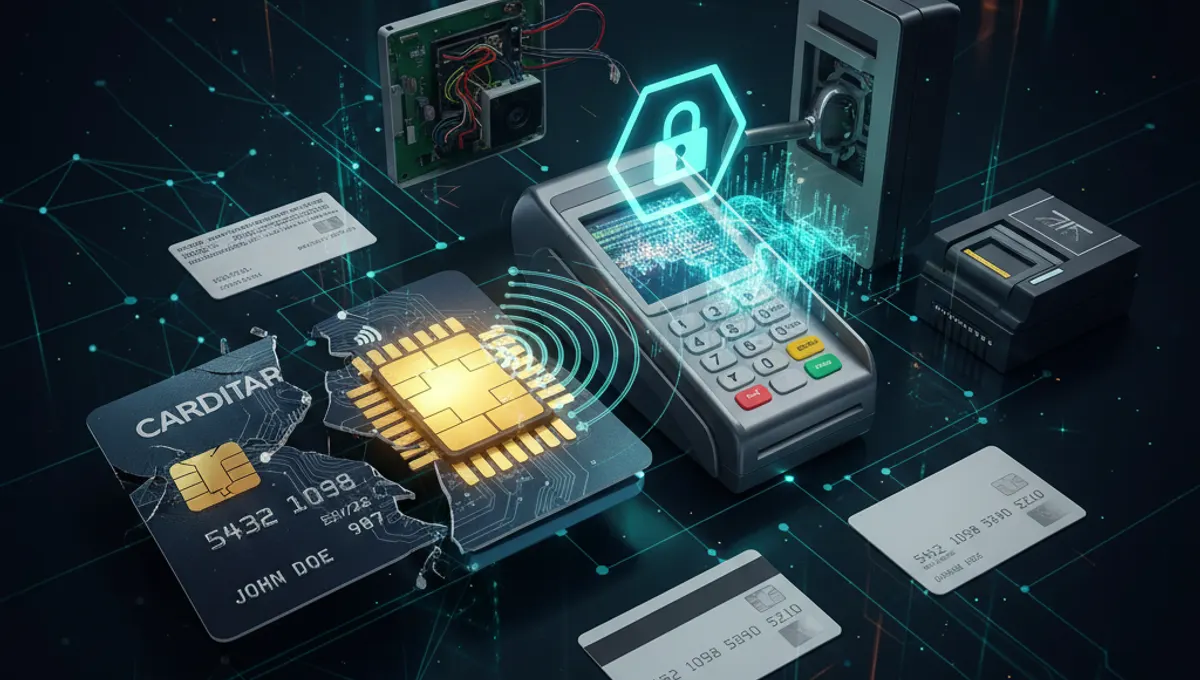
A card skimmer is a device designed to read and store payment card information without the cardholder's knowledge. RFID skimmers specifically target the wireless signals emitted by contactless credit cards, debit cards, and mobile wallets. Unlike traditional magnetic stripe skimmers that require physical card insertion, an RFID credit card skimmer can operate from several feet away. The device reads the card's publicly broadcast data—typically the card number, expiration date, and cardholder name. This differs from EMV chip technology, which uses encrypted transactions and is harder to clone. However, older magnetic stripe cards and some contactless implementations remain vulnerable. Skimmers can also capture data through shimming (inserting a thin device into card readers at ATMs or gas pumps) or from data breaches where entire databases of card information are stolen and later sold.
The Cloned Card Sales Ecosystem on the Dark Web
Once card data is captured, it enters an underground marketplace where criminals buy and sell cloned cards and card information. Dark web marketplaces operate as forums or storefronts where vendors list stolen card details, often bundled with additional personal information. These listings typically include the card number, CVV, expiration date, and sometimes the cardholder's name and address. Sellers price cards based on factors like card type (premium cards command higher prices), available balance, and the freshness of the data. Buyers range from individual fraudsters to organized crime groups. The dark web provides anonymity for both parties, though transactions still require payment—usually in cryptocurrency. Vendors maintain reputation scores based on buyer feedback, similar to legitimate e-commerce platforms. This ecosystem exists because cloned cards enable quick financial theft before victims detect unauthorized charges, making them a commodity in the criminal underworld.
Legal Consequences of Card Cloning and Possession
Possessing, using, or selling cloned cards carries serious criminal liability. Charges typically fall into multiple categories: fraud (using a card without authorization), identity theft (using another person's personal information), and device-based fraud (operating or possessing skimming equipment). In jurisdictions with specific statutes, penalties vary significantly. For example, federal wire fraud charges can result in sentences up to 20 years imprisonment and substantial fines. State laws often impose separate penalties for possession of skimming devices, unauthorized card use, and trafficking in stolen payment card information. Conviction can also result in restitution orders requiring the defendant to repay victims. The specific charges and sentence length depend on the jurisdiction, the number of cards involved, the dollar amount of fraud, and whether the offense is prosecuted at state or federal level. Anyone involved in the dark web marketplace for cloned cards—whether as buyer, seller, or operator—faces federal prosecution for conspiracy and money laundering in addition to the underlying fraud charges.
How Card Data Is Bought and Sold on Dark Web Marketplaces
Dark web marketplaces operate as hidden websites accessible only through specialized browsers like Tor. Vendors establish storefronts where they list card information with details about the card type, available balance, and geographic origin. Buyers browse listings, read vendor reviews, and negotiate prices in cryptocurrency. The transaction process typically involves the buyer sending payment to an escrow account managed by the marketplace, which releases funds to the seller once the buyer confirms receipt of the card data. Some vendors offer guarantees—promising refunds if the card data doesn't work within a specified timeframe. Marketplace administrators take a commission on each transaction. Communication between buyer and seller occurs through encrypted messaging systems built into the platform. This infrastructure mimics legitimate e-commerce but operates entirely outside legal oversight. Law enforcement agencies worldwide conduct undercover operations and technical investigations to identify and prosecute marketplace operators and high-volume traders.
How to Detect and Protect Against RFID Skimmers
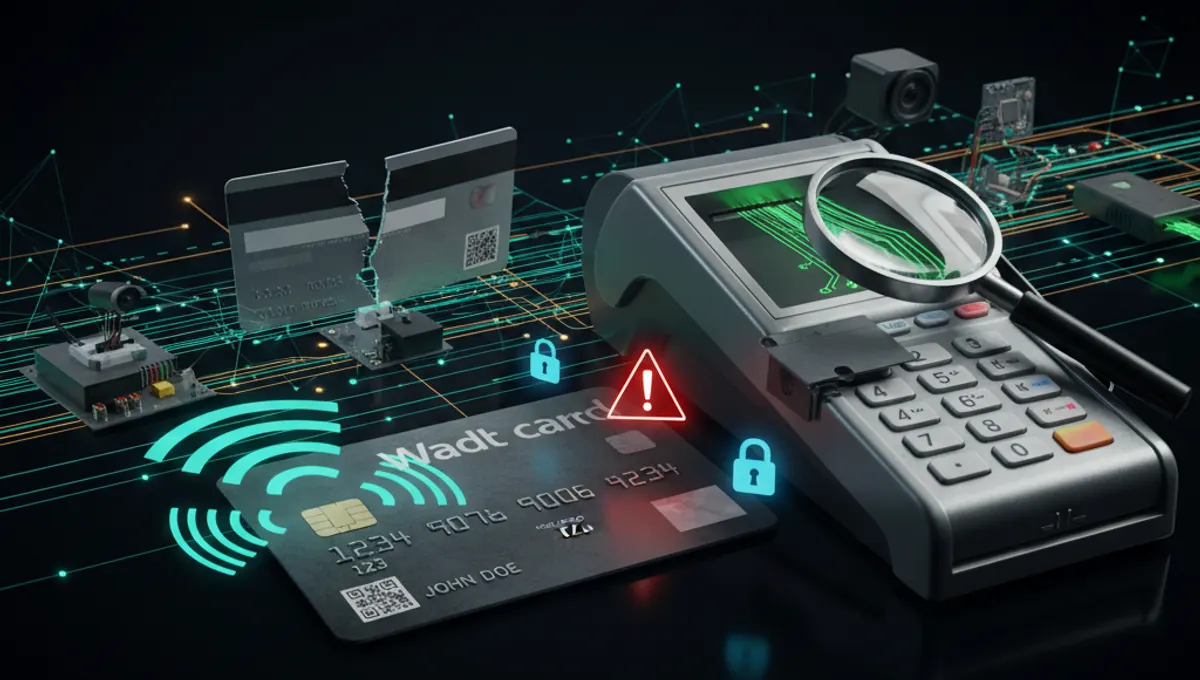
Several practical measures reduce your vulnerability to RFID skimmers and card fraud. First, inspect payment terminals and ATMs before use—look for loose, damaged, or misaligned components that might indicate a shimmed reader. Request contactless payment be disabled at your bank if you don't use it regularly. Use RFID-blocking wallets or sleeves, which contain conductive material that disrupts wireless signals. Enable transaction alerts on your bank accounts so you receive notifications of any charge, allowing faster detection of fraud. Consider using virtual card numbers generated by your bank or payment provider for online purchases; these single-use numbers limit exposure if compromised. Tokenization—where your actual card number is replaced with a unique token—offers additional protection when available. Monitor your credit reports regularly through official channels. Use strong passwords and two-factor authentication on banking apps. When possible, use chip readers rather than contactless or magnetic stripe options, as chip technology encrypts the transaction.
What to Do If Your Card Information Is Compromised
If you detect unauthorized charges or suspect your card data has been stolen, contact your bank or card issuer immediately. Most financial institutions have fraud departments available 24/7. Report the specific unauthorized transactions and request a dispute. Under consumer protection regulations in most jurisdictions, cardholders are not liable for fraudulent charges if reported promptly. The bank will typically issue a replacement card within 5-10 business days. Disputed transactions are usually reversed within 10 business days, though the investigation may take longer. Request a new card number rather than a replacement with the same number. File a report with your country's consumer protection agency or law enforcement if the fraud is significant. Place a fraud alert on your credit file with the three major credit bureaus, which notifies creditors to verify your identity before opening new accounts. Consider a credit freeze if you believe your personal information has been compromised. Monitor your credit reports for new accounts opened in your name. Keep documentation of all communications with your bank and any police reports filed.
Wireless RFID vs. Traditional Magnetic Stripe Skimmers
Wireless RFID credit card skimmers differ fundamentally from traditional magnetic stripe skimmers in their method of data capture. RFID skimmers operate remotely without requiring physical contact or proximity to a card reader, making them harder to detect. Magnetic stripe skimmers typically require installation inside legitimate card readers at ATMs, gas pumps, or point-of-sale terminals, or they operate as handheld devices that physically swipe the card. RFID technology reads data through wallets and clothing, whereas magnetic stripe data must be actively swiped. However, magnetic stripe cards remain vulnerable because the data is static and unencrypted. Modern EMV chip cards provide stronger encryption and are difficult to clone, but many older systems still accept magnetic stripe transactions as a fallback. Contactless payment systems using RFID or NFC technology broadcast data wirelessly but include some fraud detection mechanisms. Understanding which technology your cards use helps you select appropriate protection methods—RFID-blocking products for contactless cards, careful inspection of physical readers for shimmed devices, and awareness of your transaction methods.
Frequently asked questions
Can an RFID card skimmer work through a wallet or purse?
Yes, RFID skimmers can read card data through most wallets, purses, and clothing because radio frequency signals penetrate non-metallic materials. The skimmer only needs to be within a few feet of the card. RFID-blocking wallets use conductive material to disrupt these signals and prevent unauthorized reading. Standard leather or fabric wallets offer no protection against wireless skimming.
What is the difference between a card skimmer and a shimmer?
A skimmer is typically a handheld device or external reader that captures card data wirelessly or through swiping. A shimmer is a thin device inserted inside a legitimate card reader (like an ATM or gas pump slot) to capture data as the card passes through. Shimmers target magnetic stripe or chip data, while skimmers can be wireless. Both serve the same purpose: stealing card information for cloning or fraud.
How quickly can a cloned card be used after data is stolen?
Cloned cards can be used within hours of data theft, depending on when the criminal activates them. Some fraudsters test stolen card numbers with small purchases to verify they work before attempting larger transactions. This is why banks recommend monitoring accounts daily and enabling transaction alerts. The faster you detect and report fraud, the more likely you'll avoid liability and recover funds.
Are chip cards immune to RFID skimming?
Chip cards are more secure than magnetic stripe cards because chip transactions are encrypted and difficult to clone. However, many chip cards also include contactless (RFID/NFC) capability for quick payments, and this contactless data can still be skimmed wirelessly. The chip itself is not vulnerable to remote skimming, but the contactless feature is. Ask your bank to disable contactless if you don't use it.
What should I do if I find a suspicious device on an ATM or gas pump?
Do not attempt to remove or tamper with the device. Leave the terminal unused and report it immediately to the business owner, manager, or the bank that operates the ATM. Provide a clear description and location. Contact local law enforcement if you suspect criminal activity. Warn other customers if safe to do so. Do not use that terminal until it has been inspected and cleared by the operator.