What Is a Gas Station Skimmer Device
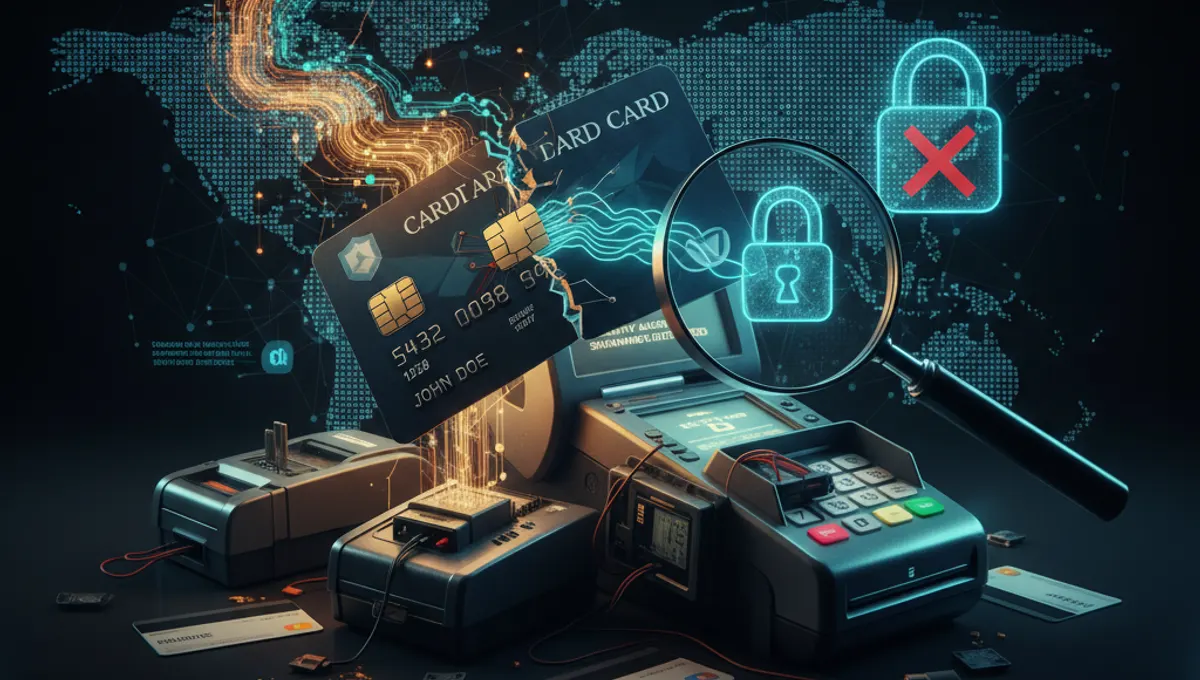
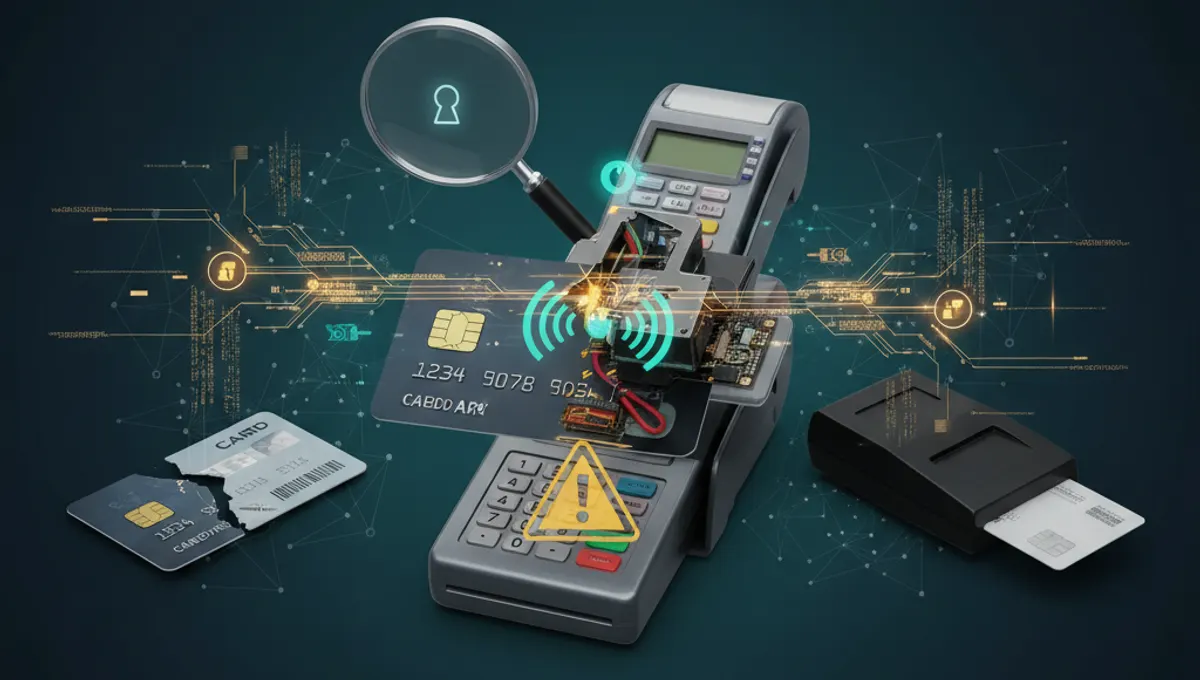
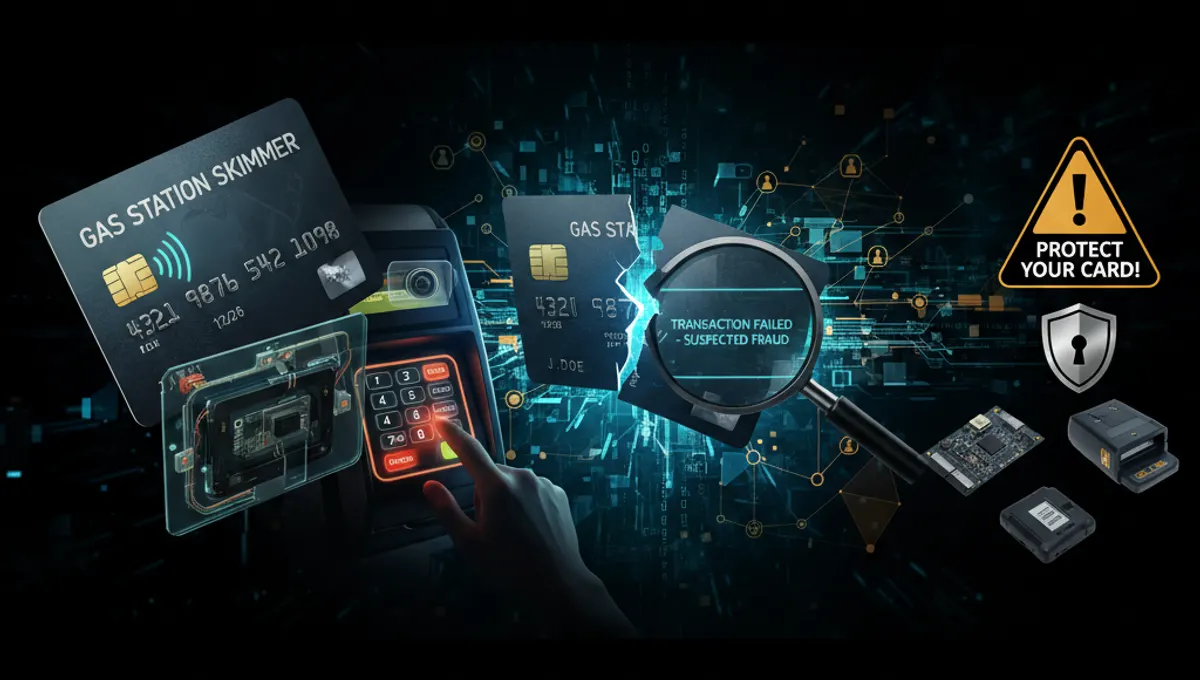
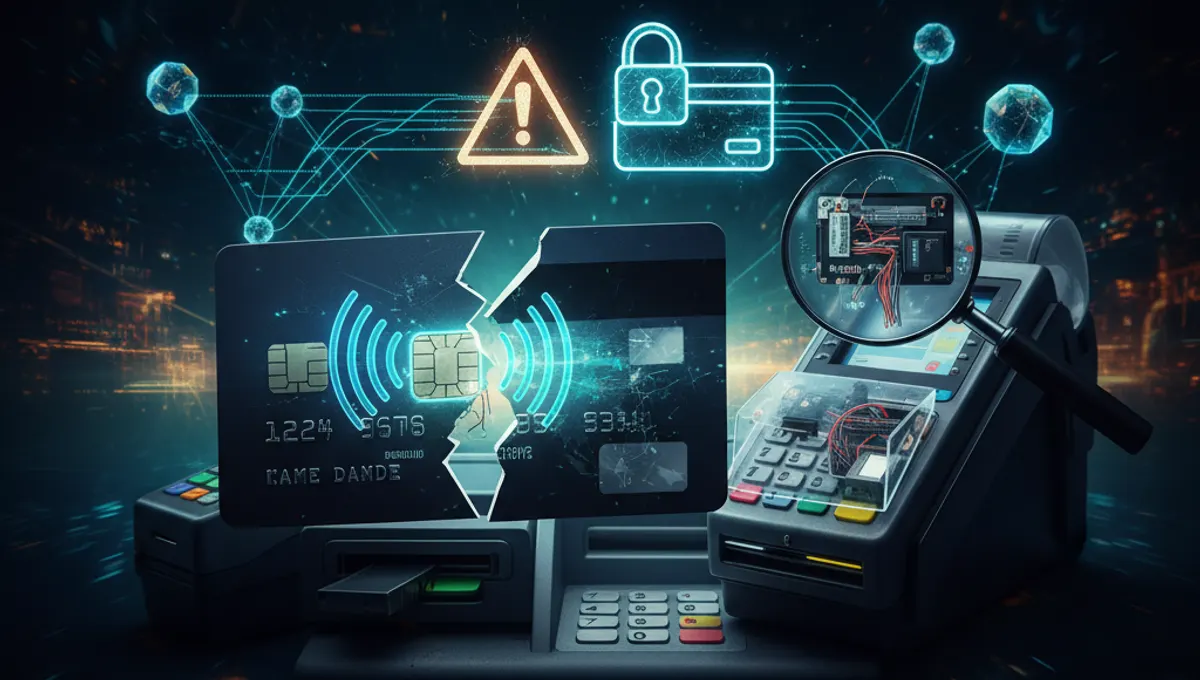
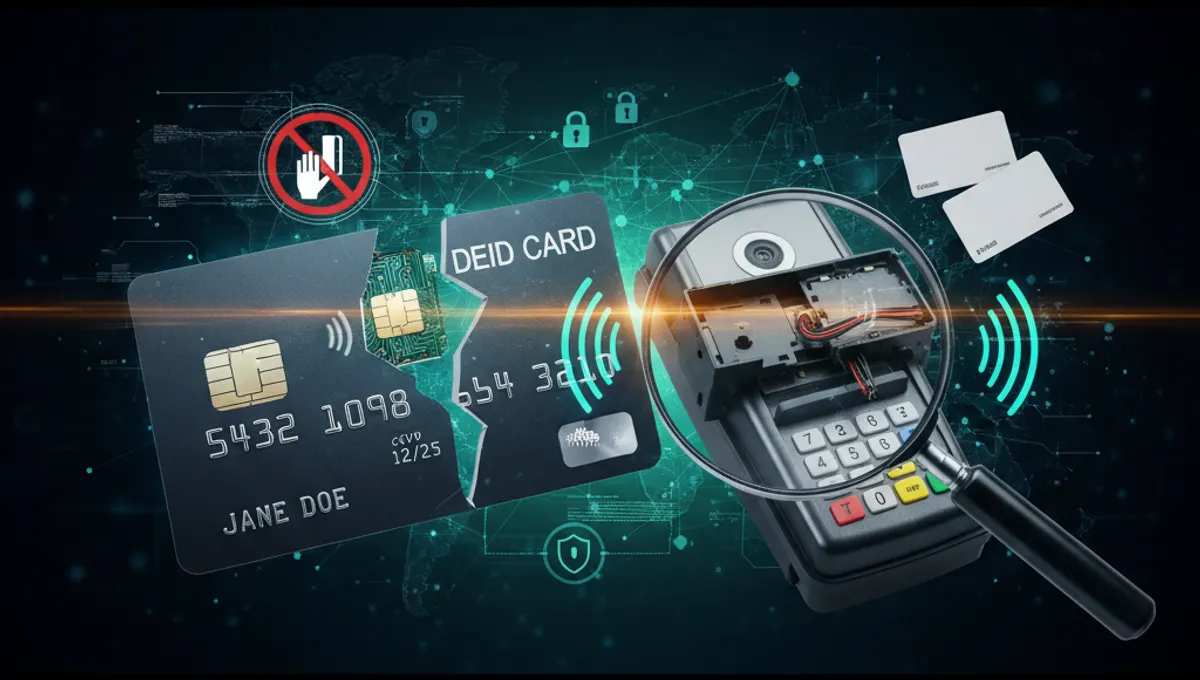
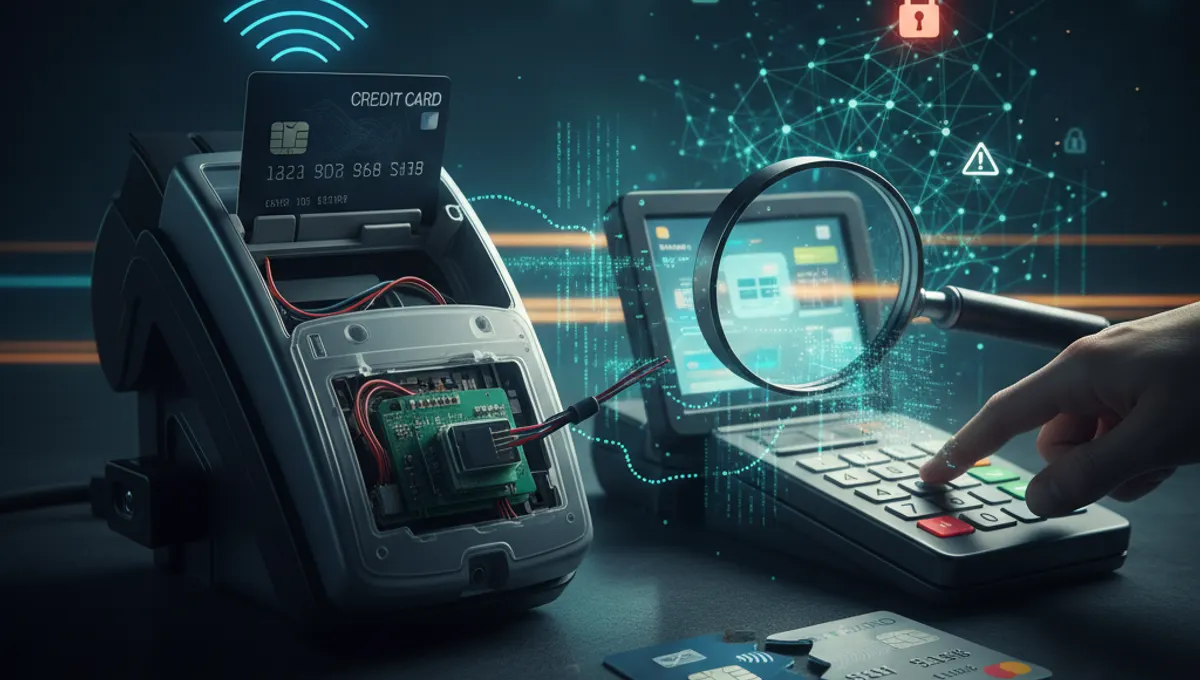
A gas station skimmer device is hardware placed over or inside a pump's card reader to intercept card data during a transaction. Skimmers capture the magnetic stripe information or EMV chip data from your card without interrupting the payment. Some gas station pump skimmer devices are external overlays that fit over the legitimate reader; others are deep-insert skimmers placed inside the pump mechanism. Card skimmer gas station variants may also include a hidden camera or keypad overlay to capture your PIN. The stolen data is then used to create cloned cards or sold on dark web marketplaces. Detecting a card skimmer gas station requires visual inspection of the pump's card slot for loose, misaligned, or unfamiliar components.
How Cloned Cards From Skimmed Data Are Sold
Once a gas station skimmer captures your card details, criminals encode that data onto blank cards or use it to create digital clones. These cloned cards are then sold on dark web marketplaces where buyers purchase them in bulk or individually. The ecosystem operates through specialized forums and vendor shops that list card details with spin codes, expiration dates, and CVV information. Sellers often guarantee the cards will work for a set period or offer refunds if the card is declined. Buyers use these cloned cards for fraudulent purchases, cash withdrawals, or resale. This underground market thrives because skimming remains a low-risk, high-volume crime for device installers.
Steps to Report a Gas Station Skimmer
If you discover a gas station skimmer or suspect one, take these steps: First, do not use that pump. Photograph the suspicious device or pump if safe to do so. Notify the gas station attendant or manager immediately and describe what you observed. Request the station's contact information for corporate security if it is a chain. Contact your bank or card issuer and report the suspected compromise; they will monitor your account and may issue a replacement card. File a report with the Federal Trade Commission at reportfraud.ftc.gov. If you believe criminal activity is occurring, contact local law enforcement or the FBI's Internet Crime Complaint Center. Provide details about the pump location, date, time, and any photos you took.
Detecting a Gas Station Pump Skimmer
Visual inspection is your first defense against a gas station pump skimmer. Before inserting your card, examine the card reader slot for signs of tampering: loose or protruding components, misaligned panels, or a reader that appears newer or different from others on the pump. Try gently tugging on the card slot cover; legitimate readers are flush and secure. Check for hidden cameras or small holes near the keypad that might record your PIN. Look for tape, adhesive residue, or scratches indicating recent installation. If the pump feels physically unstable or has visible damage, use a different pump. Trust your instincts; if something looks out of place, report it to the attendant and use an alternative payment method.
Protecting Your Card From Skimming
Multiple strategies reduce your skimming risk. Use contactless or tokenized payments when available; these methods transmit a one-time token instead of your actual card data, making skimmed data useless. Enable transaction alerts on your bank account so you receive notifications of every purchase. Consider using a virtual card number generated by your bank for online and in-person transactions; these numbers are temporary and tied to your real account. At gas pumps specifically, pay inside the station with cash or use your bank's mobile app if the pump supports it. Monitor your credit reports regularly through official channels. If your card issuer offers a card lock feature, activate it and unlock only when making authorized purchases.
What to Do If Your Card Information Was Compromised
If you discover unauthorized charges or suspect your card data was stolen by a gas station skimmer, contact your bank immediately. Most card issuers have fraud departments available 24/7. Report the specific fraudulent transactions and request a chargeback dispute. Your bank will typically reverse unauthorized charges within one to two billing cycles while they investigate. Request a replacement card with a new number. Ask your issuer to place a fraud alert on your account. Check your credit reports from all three bureaus for suspicious accounts opened in your name. If identity theft occurred, file a report with the FTC and consider placing a credit freeze. Document all communications with your bank and keep records of disputed transactions.
Legal Consequences of Card Skimming and Cloning
Possessing, using, or selling cloned cards carries serious criminal penalties that vary by jurisdiction. Charges typically include wire fraud, identity theft, access device fraud, and conspiracy. Penalties depend on the number of cards involved, the dollar amount of fraud, and prior criminal history. Federal charges can result in significant prison sentences and substantial fines. State laws also prosecute card skimming device installation and possession as separate crimes. Using a cloned card for purchases constitutes fraud and can lead to felony convictions. Selling cloned cards on dark web marketplaces adds distribution and conspiracy charges. Even possessing a skimming device with intent to use it is illegal in most jurisdictions. Specific penalty ranges depend on applicable state and federal statutes in your location.
Frequently asked questions
How can I tell if a gas pump has a skimmer installed
Inspect the card reader slot for loose components, misalignment, or signs of tampering. Gently tug on the reader cover; it should be secure and flush. Look for tape, adhesive residue, or scratches. Check for small holes or cameras near the keypad. If the pump feels unstable or looks different from nearby pumps, use a different one and report it to the attendant.
What should I do immediately after discovering a gas station skimmer
Stop using that pump. Notify the gas station manager or attendant. Take photos if safe. Contact your bank to report potential compromise. File a report with the FTC at reportfraud.ftc.gov. If you used that pump recently, monitor your account closely for unauthorized charges and request a replacement card.
How long does it take to get a refund for fraudulent charges from a skimmer
Most banks reverse unauthorized charges within one to two billing cycles while investigating. Contact your card issuer's fraud department immediately to start a dispute. Keep records of all communications. The exact timeline depends on your bank's policies and the complexity of the investigation.
Can I prevent gas station skimming by using contactless payment
Yes. Contactless and tokenized payments transmit a one-time token instead of your actual card data, making skimmed information useless. Pay inside the station with cash, use your bank's mobile app at the pump if supported, or use a virtual card number if your issuer offers one.
What crimes are associated with selling cloned cards on the dark web
Selling cloned cards involves wire fraud, identity theft, access device fraud, and conspiracy charges. Penalties vary by jurisdiction but typically include felony convictions, substantial prison sentences, and significant fines. The number of cards and dollar amount of fraud influence the severity of charges.