What Is a Gas Station Skimmer Device and How Does It Capture Data
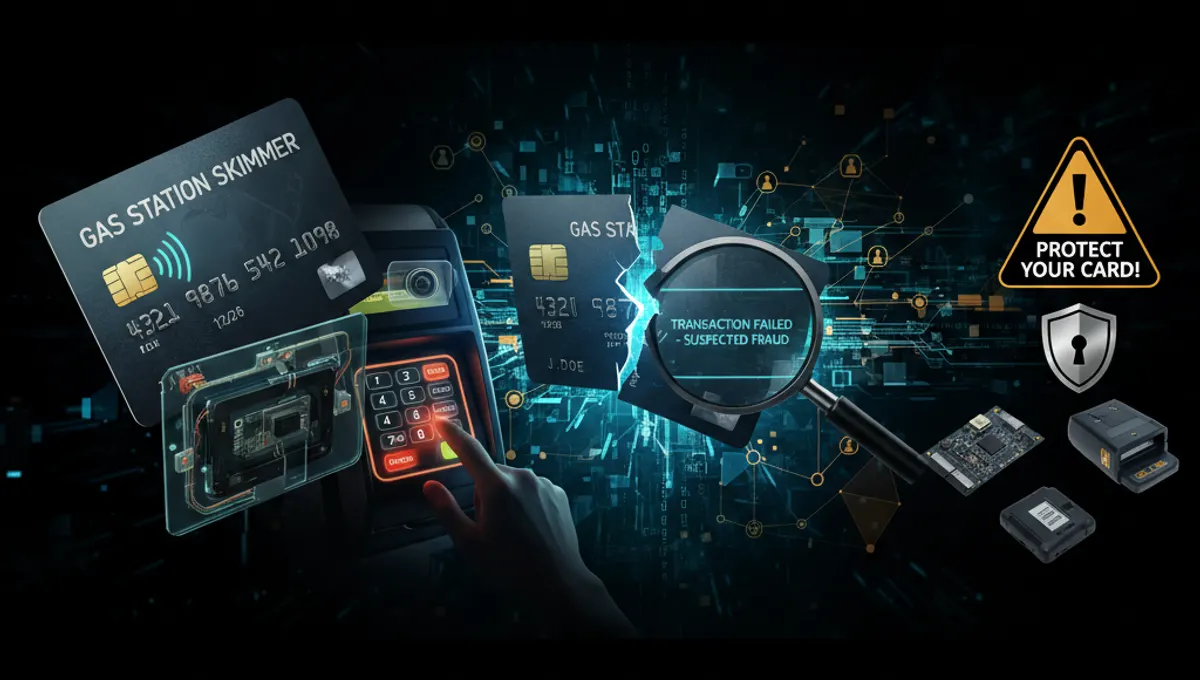
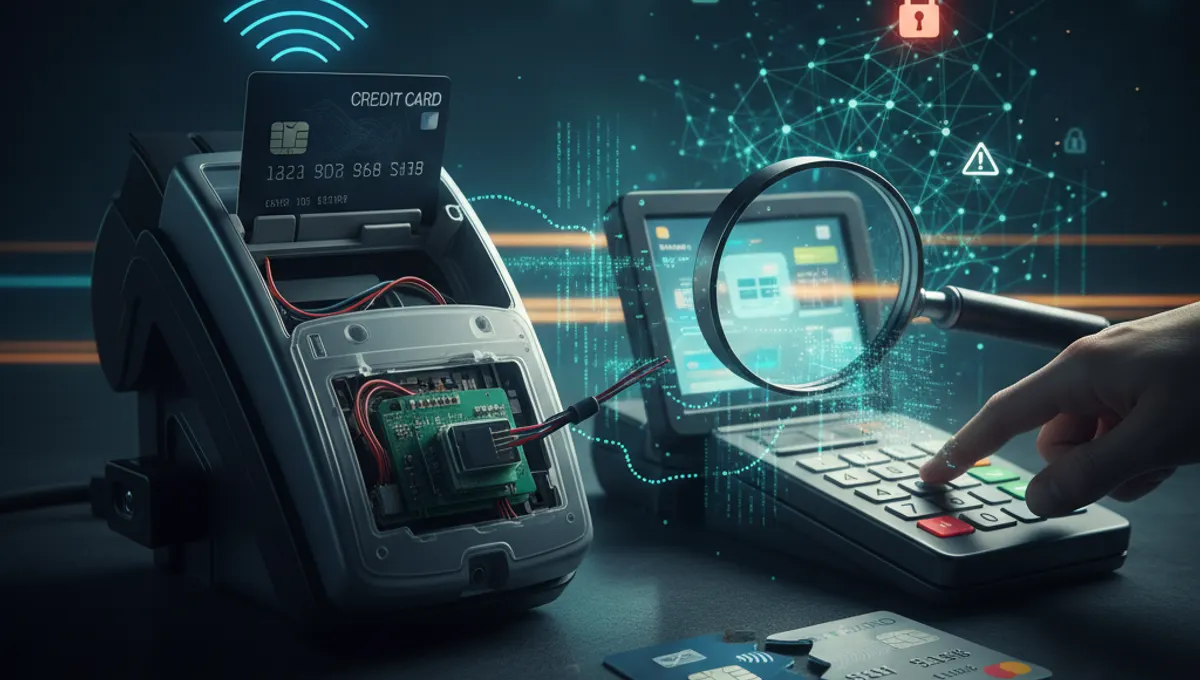
A gas station pump skimmer device is a thin reader that sits between the pump's card slot and the internal processor. When you insert your card, the skimmer reads the magnetic stripe or chip data before passing it to the legitimate pump reader. Some skimmers are overlay devices placed over the card slot; others are deep-insert skimmers installed inside the pump mechanism. The captured data includes your card number, expiration date, and sometimes the cardholder name. Shimming—inserting a thin device into the chip reader slot—is another method. Unlike older magnetic stripe cloning, modern EMV chip cards are harder to clone but remain vulnerable to skimming if the data is harvested and used for online or contactless fraud.
Cloned Card Sales Ecosystem: From Skimming to Dark Web Marketplaces
Once a skimmer device captures card data, the information enters a criminal supply chain. Stolen card details are aggregated, tested for validity, and packaged for sale on dark web marketplaces. Sellers list cloned cards with full details—card number, expiration, CVV, and sometimes cardholder names—organized by card type, issuing bank, and available balance. Buyers purchase these cards using cryptocurrency to maintain anonymity. The cloned card sales ecosystem operates through specialized forums and marketplace platforms where vendors maintain reputation scores based on buyer feedback. Card data from gas station skimmers, ATM skimmers, and data breaches all feed into this market. Prices vary based on card validity, available balance, and card type. This ecosystem exists because there is persistent demand from individuals seeking to conduct fraud or test stolen credentials.
Legal Consequences of Possessing, Using, or Selling Cloned Cards
Possession of a cloned card or skimming device can result in charges under fraud, identity theft, and device-based fraud statutes. Specific penalties depend on your jurisdiction and the circumstances of the case. In many jurisdictions, using a cloned card constitutes wire fraud, access device fraud, and identity theft—each carrying separate penalties. Selling cloned cards or skimming devices can result in additional charges related to conspiracy and trafficking in stolen goods. Conviction may lead to federal or state imprisonment, fines, restitution to victims, and a permanent criminal record. Even possession without use can trigger charges under laws prohibiting the possession of access devices with intent to defraud. The severity of penalties increases if the scheme involves multiple victims, large dollar amounts, or organized criminal activity. Consult a legal professional in your jurisdiction for specific penalty information applicable to your situation.
How Cloned Cards Are Bought and Sold on Dark Web Marketplaces
Dark web marketplaces operate as encrypted platforms accessible through Tor or similar anonymity networks. Vendors post cloned card listings with detailed specifications: card type, issuer, balance range, and country of origin. Buyers browse listings, read vendor reviews, and make purchases using cryptocurrency such as Bitcoin or Monero. Payment is typically held in escrow by the marketplace until the buyer confirms receipt and card validity. After purchase, the buyer receives the card details—full number, expiration, CVV, and cardholder name—via encrypted message or file download. Some vendors offer guarantees: if a card is declined or invalid, the buyer receives a replacement or refund. The marketplace itself takes a commission on each transaction. This system creates a functioning black market for stolen financial data. Law enforcement agencies worldwide monitor these platforms, and marketplace operators face legal liability in most jurisdictions.
How to Detect a Gas Station Skimmer and Protect Your Card
Inspect the card slot and surrounding area of the fuel pump before inserting your card. Look for loose, misaligned, or discolored components that appear different from other pumps. Wiggle the card slot gently; a skimmer overlay will move or feel loose. Check for hidden cameras pointed at the keypad. Pay at the attendant inside rather than at the pump when possible. Use contactless payment or mobile wallet technology, which tokenizes your card data and prevents the actual card number from being transmitted. Enable transaction alerts on your bank account to receive notifications of charges in real time. Consider using a virtual card number generated by your bank for online and contactless purchases. Block your card immediately if you suspect compromise. Regularly monitor your credit reports and bank statements for unauthorized activity.
What to Do If Your Card Information Has Been Compromised
Contact your card issuer immediately if you notice unauthorized charges or suspect your card data was skimmed. Report the fraudulent transactions and request a dispute. Most card issuers will reverse unauthorized charges within 1 to 3 business days for investigation, though the formal dispute process may take 30 to 90 days. Request a replacement card with a new number. Ask your issuer to place a fraud alert on your account. File a report with the Federal Trade Commission (FTC) through IdentityTheft.gov to create an official record. Check your credit reports from all three bureaus (Equifax, Experian, TransUnion) for signs of identity theft or new accounts opened in your name. Consider placing a credit freeze to prevent unauthorized account openings. Keep documentation of all communications with your issuer and the FTC. If the compromise involved multiple accounts or significant identity theft, consult with a credit monitoring service or attorney.
Skimming Device Types Found at Gas Stations
Gas station skimmer devices come in several forms. Overlay skimmers are thin readers placed over the legitimate card slot; they are visible if you inspect closely. Deep-insert skimmers are installed inside the pump mechanism and are harder to detect visually. Wireless skimmers transmit captured data via Bluetooth or cellular connection to a nearby receiver, allowing the attacker to retrieve data without returning to the pump. Pinpad overlay skimmers cover the numeric keypad to capture your PIN as you enter it. Card reader skimming devices may also include a small camera hidden above the keypad to record PIN entry. Some skimmers are designed to be removed quickly by the attacker; others remain installed for weeks. The most effective skimmers combine multiple capture methods—magnetic stripe reading, chip data interception, and PIN capture—to maximize the value of stolen data.
Frequently asked questions
Can a gas station skimmer steal my PIN?
Yes, if the skimmer includes a camera or pinpad overlay. A camera positioned above the keypad records your PIN entry, and a pinpad overlay captures the keys you press. This combination of card data and PIN allows criminals to conduct ATM withdrawals or create cloned cards that work at unattended terminals. Always cover the keypad with your hand while entering your PIN.
How long does it take for a cloned card to be sold after skimming?
Cloned card listings typically appear on dark web marketplaces within hours to days after the data is harvested and tested. Vendors batch stolen data from multiple skimmers and breaches, validate the cards to confirm they are active, and then list them for sale. The speed depends on how quickly the attacker can retrieve the skimmer and process the data.
What is the difference between a skimmer and a shimmer?
A skimmer reads data from the magnetic stripe or chip without removing the card from the slot. A shimmer is a thin device inserted into the chip reader slot that intercepts EMV chip data as the card is inserted. Shimmers are designed to bypass EMV security by capturing the chip handshake data before it reaches the legitimate reader.
Will my bank refund fraudulent charges from a cloned card?
Yes, most banks will refund unauthorized charges if you report them promptly. Credit card fraud liability is typically limited to $50 under federal law, and many issuers offer zero-liability policies. Debit card protections vary; report fraud within 60 days to maximize your protection. The refund process usually takes 1 to 3 business days for provisional credit, with a full investigation taking 30 to 90 days.
Can contactless payment prevent skimming at gas pumps?
Contactless payment and mobile wallets use tokenization, which means your actual card number is not transmitted to the pump. Instead, a unique token is sent for that transaction only. This prevents skimmers from capturing your full card data. However, not all gas pumps support contactless payment yet, so paying inside with the attendant remains the safest option when contactless is unavailable.