What Is a POS Card Skimmer and How Does It Capture Data
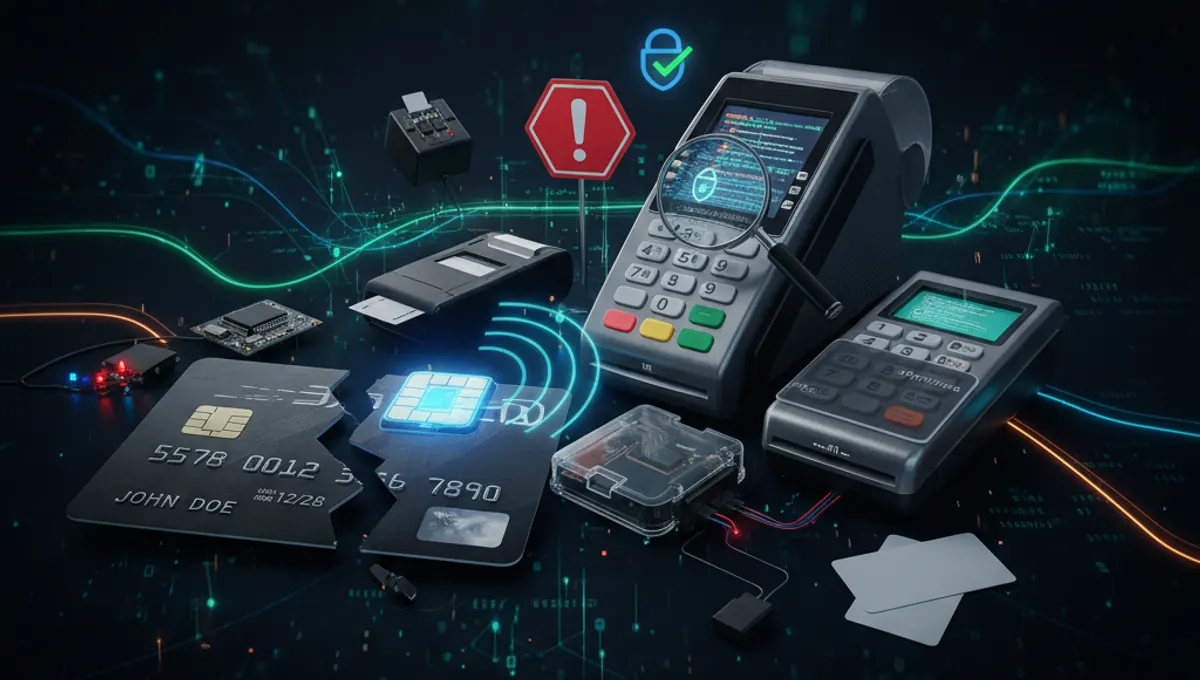
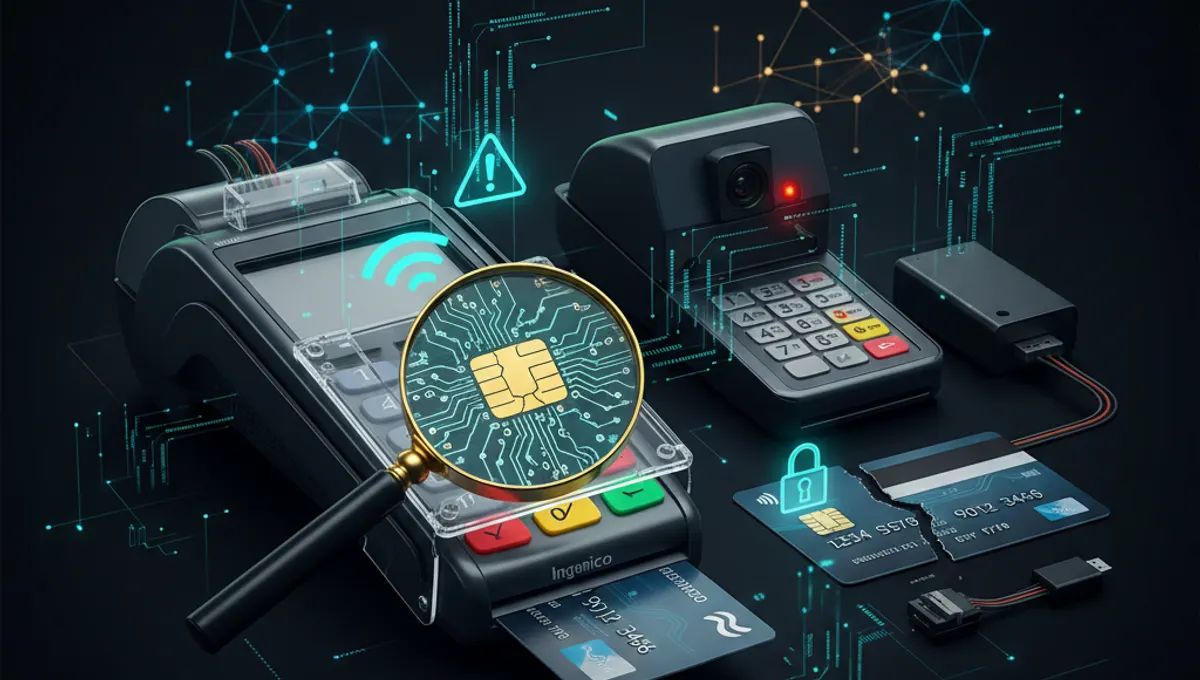
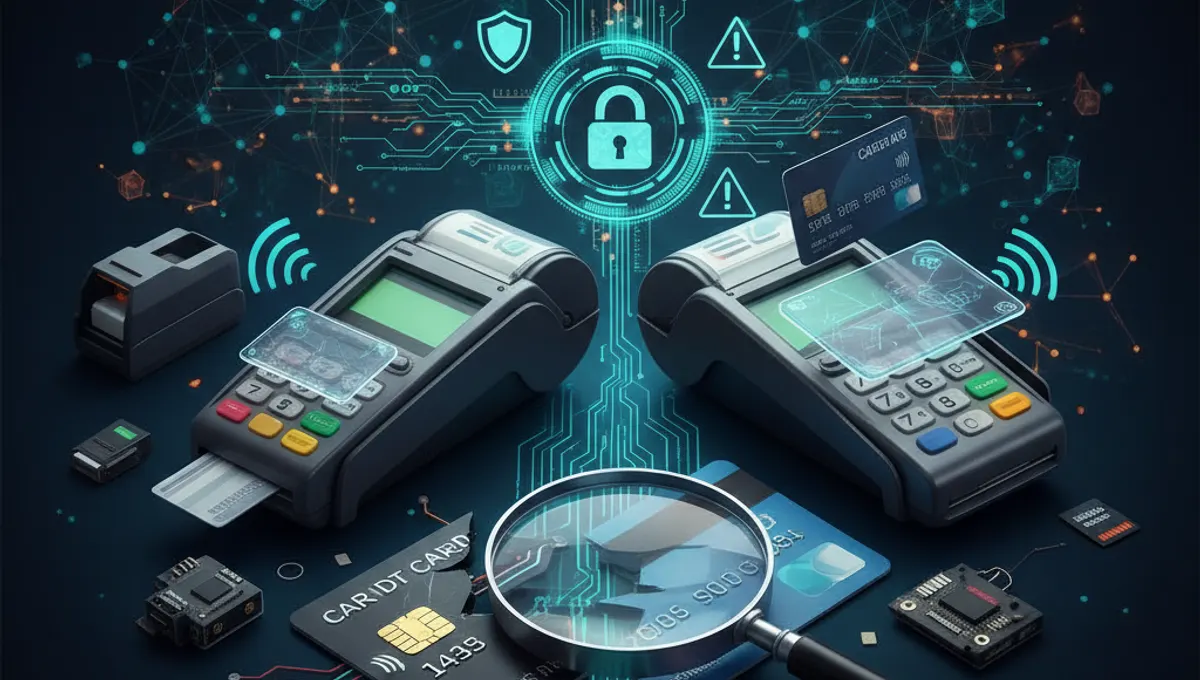
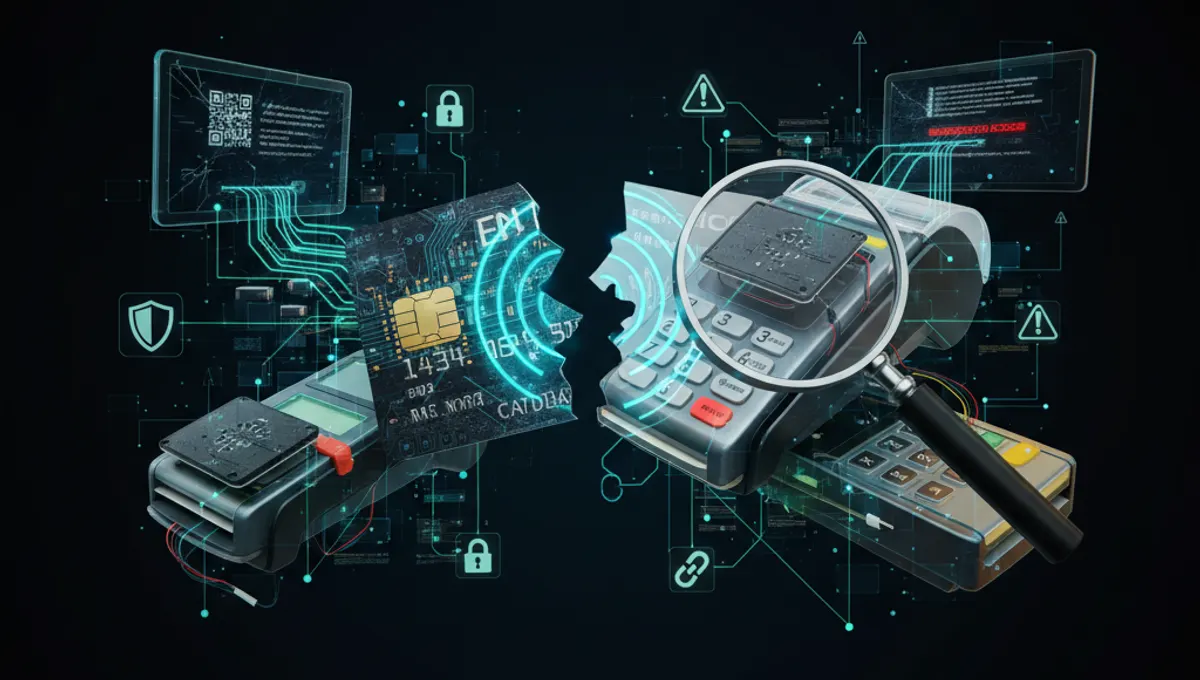
A POS card skimmer is a physical device placed on or inside a payment terminal at checkout counters. Unlike ATM skimmers, POS skimmers target retail environments where customers insert or swipe cards. The device reads the magnetic stripe or, in some cases, attempts to intercept EMV chip data during the transaction. Older skimmers focus on magnetic stripe information because it contains the cardholder's name, card number, and expiration date. Newer variants may include a hidden camera or keypad overlay to capture PIN numbers. The stolen data is either stored in the device's memory for later retrieval or transmitted wirelessly to the attacker. POS skimmers differ from shimming devices, which fit inside card slots and are harder to detect visually. The data collected is typically sold to carding networks or used to create cloned cards with the same magnetic stripe information.
How Cloned Cards Are Created and Sold on the Dark Web
Once POS skimmers capture card data, the information enters a supply chain that leads to dark web marketplaces. Criminals use card cloning equipment to write the stolen magnetic stripe data onto blank cards or cards with valid BIN numbers. These cloned cards function like the originals for in-person transactions at merchants that do not verify EMV chips or require additional authentication. Dark web carding forums and marketplaces operate as centralized hubs where sellers list cloned cards with details such as card type, expiration date, and sometimes CVV information. Buyers purchase these cards using cryptocurrency to maintain anonymity. The pricing varies based on card type, issuing bank, and available data. Some sellers offer guarantees or replacement policies if cards are declined. The ecosystem also includes resellers who buy in bulk and distribute to street-level fraudsters. This supply chain represents a significant portion of organized retail fraud and identity theft operations globally.
Legal Consequences of Possessing or Using Cloned Cards
Possession of a cloned card or a card skimmer device carries serious criminal charges that vary by jurisdiction. In most legal systems, using a cloned card constitutes fraud, identity theft, and potentially device-based fraud if the skimmer itself is involved. Charges typically fall into categories including wire fraud, access device fraud, and conspiracy. Penalties depend on the jurisdiction, the number of cards involved, and the total amount defrauded. Some jurisdictions impose mandatory minimum sentences for organized fraud schemes. Selling cloned cards or skimming devices may result in additional charges related to trafficking in stolen financial information. Possession of a POS skimmer without intent to use it can still result in charges related to possession of fraud equipment. Federal charges in certain countries carry penalties ranging from probation to years of imprisonment, plus restitution to victims. State and local charges may carry different penalty ranges. Immigration consequences may apply to non-citizens convicted of fraud. Consulting with a legal professional in your jurisdiction is essential if you face charges related to card fraud or skimming devices.
How to Detect a POS Card Skimmer at Checkout Terminals
Detecting a POS card skimmer requires visual inspection and awareness of terminal modifications. Look for card readers that appear loose, misaligned, or protrude abnormally from the terminal. Check whether the card slot feels different from other terminals at the same merchant or from previous visits. Some skimmers are housed in plastic overlays that cover the legitimate card reader; these overlays may have slightly different colors or textures. Inspect the keypad for signs of tampering, such as raised keys or loose buttons that might indicate a hidden camera or overlay. Feel the terminal for wireless transmitters or unusual components. Ask the cashier if the terminal has been serviced recently or if they have noticed any changes. Use contactless payment methods when available, as these bypass the card reader entirely. Monitor your bank statements and credit reports for unauthorized charges. Enable transaction alerts through your bank's mobile app or website to receive immediate notifications of card activity. Request a receipt and verify the merchant name and amount before leaving the store.
Protecting Your Card: Payment Methods and Monitoring Strategies
The most effective protection against POS skimmers is to avoid exposing your card data in the first place. Use contactless payment methods such as mobile wallets, which tokenize your card information and do not transmit the full card number to the terminal. Virtual card numbers generated by your bank or credit card issuer create a unique number for each transaction, making stolen data useless for future purchases. Enable real-time transaction alerts through your bank's app so you receive notifications immediately after any charge. Review your statements weekly rather than waiting for monthly billing cycles. Consider using a credit card instead of a debit card for retail purchases, as credit card fraud liability is typically limited to 50 dollars under federal law, whereas debit card fraud may result in full account access. Shield the keypad with your hand when entering your PIN to prevent hidden cameras from recording it. Request chip-based transactions when available, as EMV chips are harder to clone than magnetic stripes. Avoid using ATMs or terminals in isolated or poorly lit locations. Freeze your credit with the three major credit bureaus if you suspect your information has been compromised.
What to Do If Your Card Information Has Been Compromised
If you discover unauthorized charges or suspect your card data was captured by a skimmer, contact your bank or card issuer immediately. Most issuers have fraud departments available 24/7 to report suspicious activity. Request that your card be cancelled and a replacement issued. File a dispute for each unauthorized transaction; the issuer will typically initiate an investigation and issue a provisional credit within 10 business days. Provide the issuer with details about where you last used the card and any suspicious activity you noticed. Request a copy of the fraud investigation report for your records. Place a fraud alert on your credit file with the three major credit bureaus to prevent criminals from opening new accounts in your name. Consider placing a credit freeze if the compromise involved your full personal information. Monitor your credit reports for new accounts or inquiries you did not authorize. Keep documentation of all communications with your bank and credit bureaus. If the skimmer was at a specific merchant, report it to the store manager and local law enforcement. File a report with the Federal Trade Commission if you are a victim of identity theft.
The Role of EMV Chips, Magnetic Stripes, and Data Breaches
The shift from magnetic stripe to EMV chip technology has reduced certain types of POS fraud, but vulnerabilities remain. Magnetic stripes store static data that can be read and cloned without the original card present. EMV chips generate a unique transaction code for each purchase, making it nearly impossible to clone the chip itself. However, criminals have adapted by targeting merchants that still accept magnetic stripe transactions or by using skimmers that capture data before it reaches the chip reader. Data breaches at large retailers expose millions of card records that are then sold on dark web marketplaces. These breached records often include the full card number, expiration date, and sometimes CVV information. Criminals use this data to create cloned cards or conduct card-not-present fraud online. Some POS skimmers are designed to capture data from both magnetic stripes and chip readers during the brief moment the card is in contact with the terminal. Understanding which payment method you are using and whether the merchant supports chip verification can help you make safer choices. Tokenization, which replaces card data with a unique identifier, offers stronger protection than either magnetic stripes or chips alone.
Frequently asked questions
How does a POS card skimmer differ from an ATM skimmer
A POS card skimmer is installed on retail checkout terminals, while an ATM skimmer targets automated teller machines. POS skimmers operate in high-traffic retail environments and may be harder to detect among multiple terminals. ATM skimmers are often more sophisticated, with deep-insert variants hidden inside the card slot. Both capture magnetic stripe data, but POS skimmers may also target PIN entry at checkout, whereas ATM skimmers focus on PIN capture during cash withdrawals.
Can EMV chips be skimmed at a POS terminal
EMV chips generate unique transaction codes that cannot be cloned through standard skimming. However, criminals have developed skimmers that capture data before it reaches the chip reader or target the magnetic stripe fallback on older cards. Some POS terminals still accept magnetic stripe transactions, which remain vulnerable. Using a contactless payment method or mobile wallet bypasses the card reader entirely and provides stronger protection than chip-based transactions.
What should I do if I notice a suspicious card reader at checkout
Do not use that terminal. Alert the cashier or store manager immediately and describe what you observed. If the terminal appears to have been tampered with, ask to use a different one or pay using a contactless method. Report the suspicious terminal to the store's management and consider filing a report with local law enforcement. Monitor your bank statements for unauthorized charges over the next several weeks.
How long does it take for a bank to refund fraudulent charges
Most banks issue a provisional credit within 10 business days of filing a dispute. A full investigation typically takes 30 to 90 days. Once the investigation concludes, the bank either confirms the provisional credit as permanent or reverses it if the transaction is deemed legitimate. Credit card fraud is generally limited to 50 dollars in liability under federal law, so most cardholders are protected from significant losses.
Are cloned cards sold on the dark web actually usable
Cloned cards with magnetic stripe data can be used at merchants that do not verify EMV chips or require additional authentication. However, many modern retailers have upgraded their terminals to require chip verification or contactless payment, which limits the usefulness of cloned cards. Online purchases and card-not-present transactions are also difficult because they require CVV verification. The success rate of cloned card fraud has declined as payment technology has improved, but vulnerabilities remain in older or less secure retail environments.