What Is a Cloned Card and How Does Skimming Create One
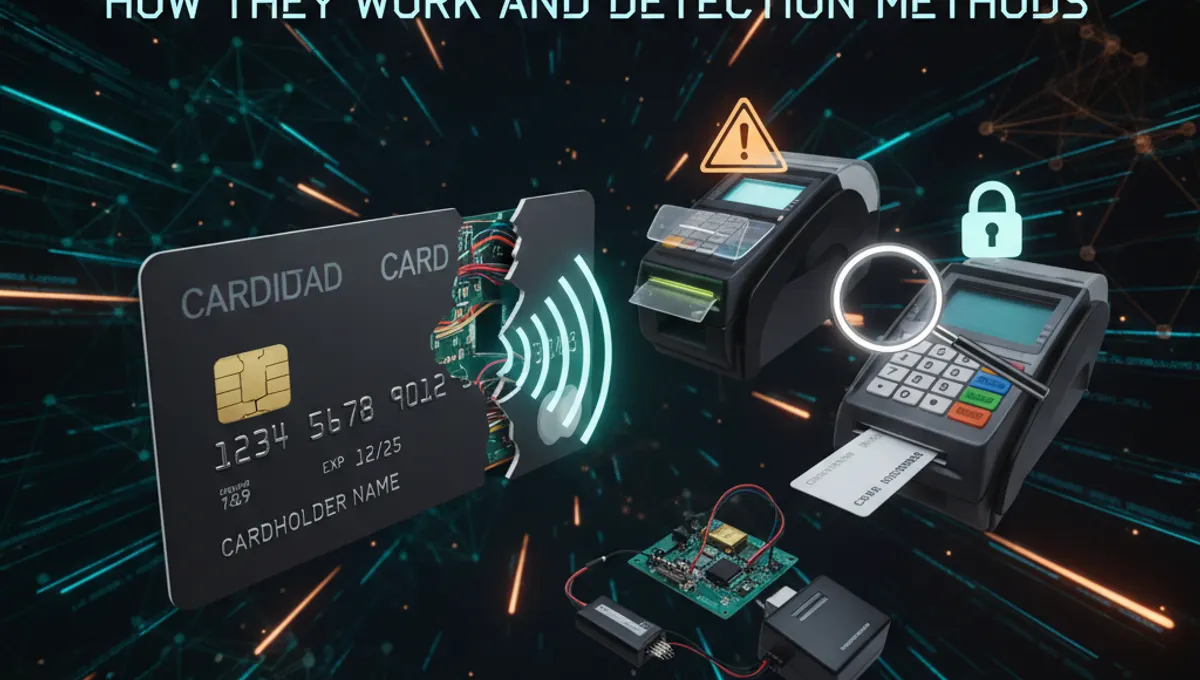
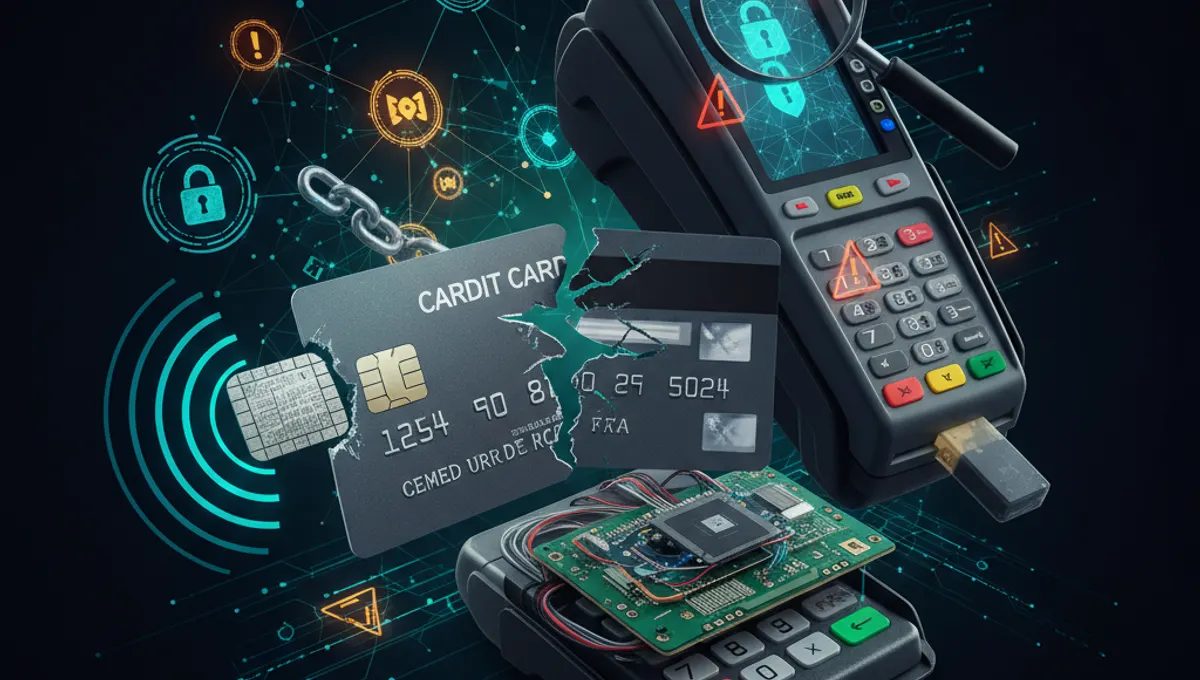
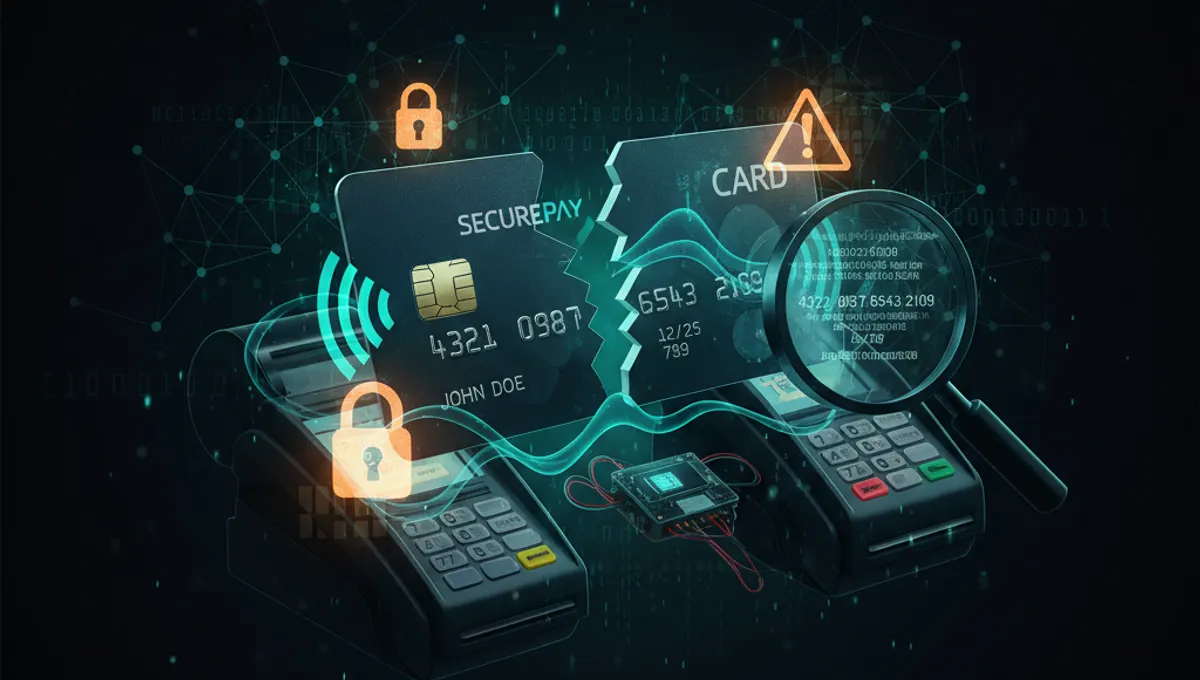
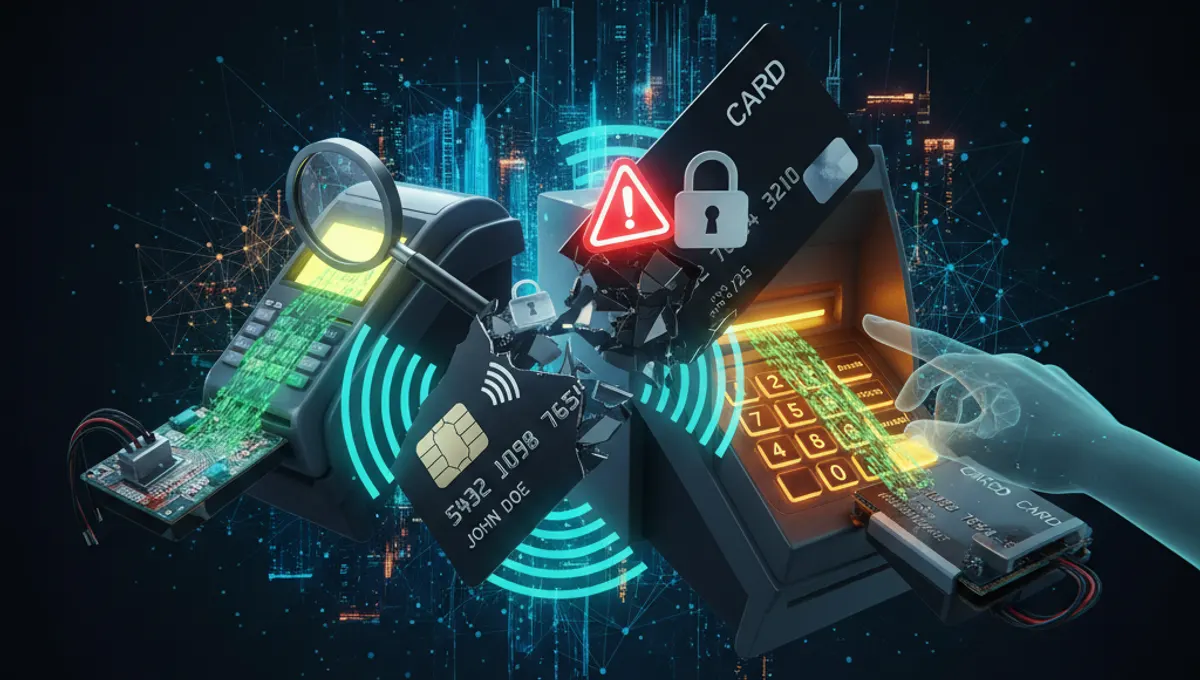
A cloned card is a duplicate of a legitimate payment card created from stolen magnetic stripe or EMV chip data. Skimming devices capture this information when a cardholder inserts their card into a compromised machine. The magnetic stripe contains the cardholder's name, account number, and expiration date—all necessary for creating a functional duplicate. EMV chip technology added encryption, but older magnetic stripe fallback modes remain vulnerable. Shimming, a related technique, targets the chip itself by inserting a thin device into the chip reader. Data harvested through skimming is combined with PIN information captured by overlay keypads, enabling fraudsters to create working clones that function at point-of-sale terminals and ATMs.
Types of DIY ATM Skimmers and Their Components
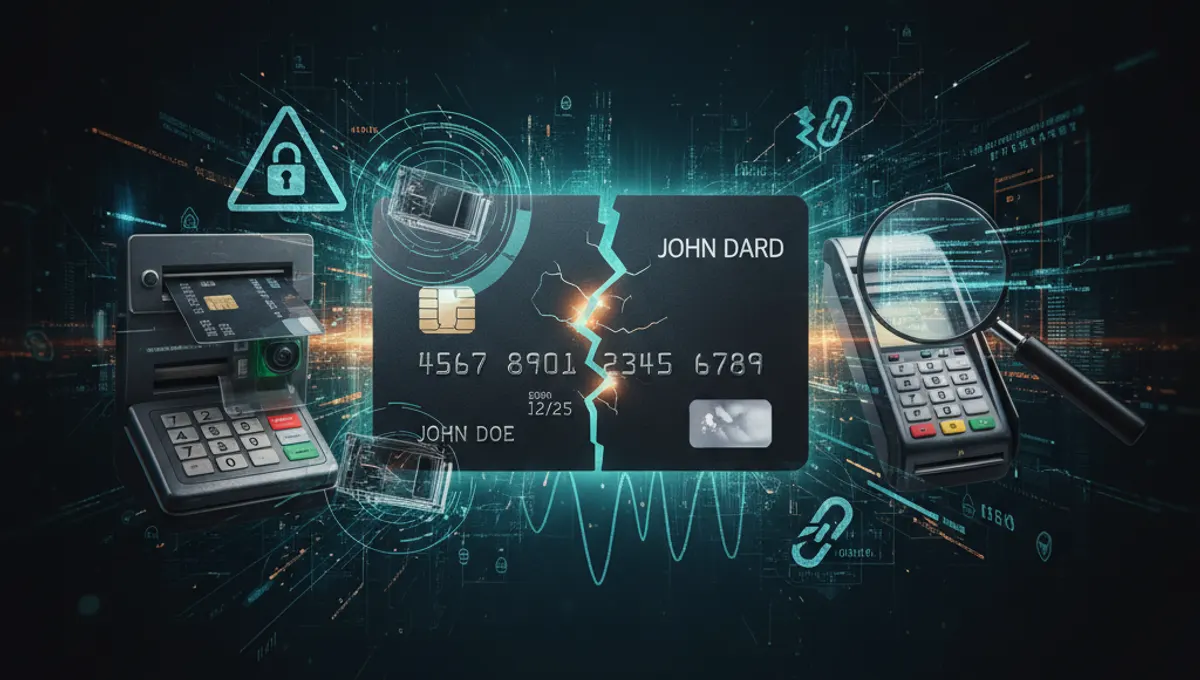
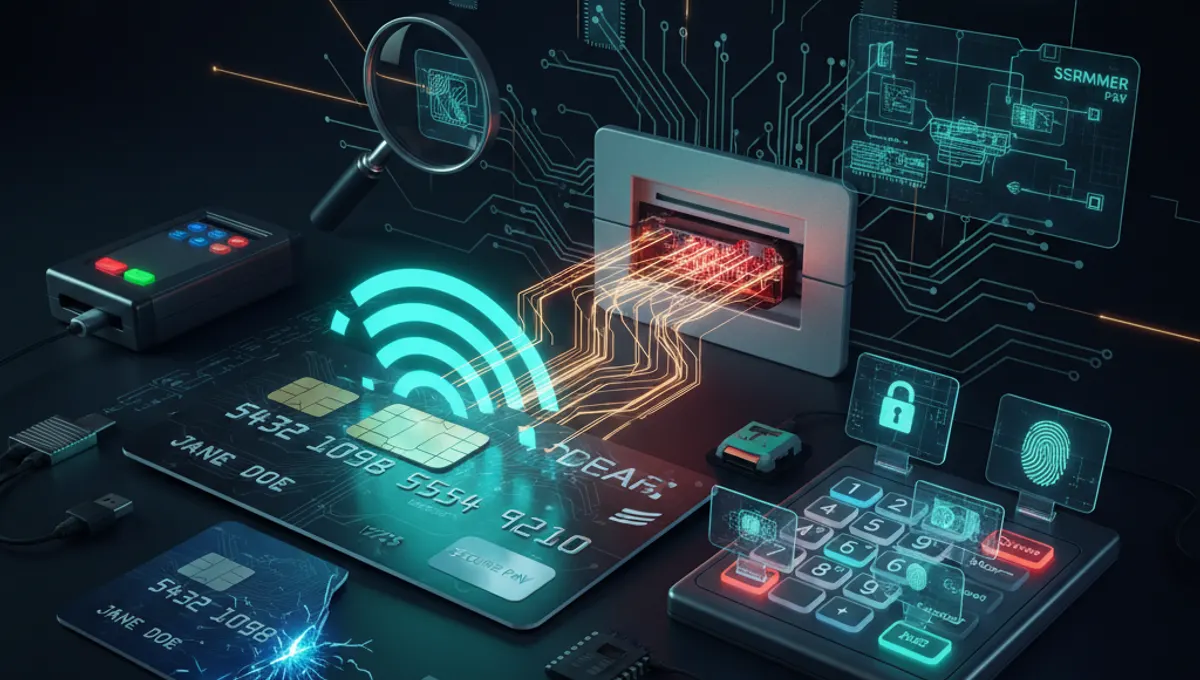
DIY ATM skimmers fall into several categories based on installation method and data capture approach. Insert skimmers fit directly into the card slot and use magnetic stripe readers to capture track data. Overlay skimmers sit on top of the legitimate card slot, mimicking its appearance while routing cards through hidden readers. Keypad overlays capture PIN entries by sitting atop the ATM's numeric keypad. Deep-insert skimmers are positioned further inside the card slot mechanism, making them harder to detect visually. Most DIY versions use basic magnetic stripe readers, microcontrollers, and data storage components. Some incorporate wireless transmission via Bluetooth or GSM modules to send captured data to nearby receivers, eliminating the need to physically retrieve the device. The construction typically requires soldering skills and familiarity with electronics, though component kits are available through online retailers.
How the Cloned Card Sales Ecosystem Functions on Dark Web Marketplaces
Cloned cards harvested from skimming operations are sold through dark web marketplaces in organized listings. Sellers typically advertise cards by bank, country, card type (Visa, Mastercard, American Express), and available balance or credit limit. Pricing varies based on card freshness, balance amount, and issuing institution—premium cards from major banks command higher prices. Buyers can purchase individual cards or bulk lots, often with guarantees of validity or refund policies if cards are declined. Marketplace operators take a commission on each transaction and maintain reputation systems to encourage repeat business. Escrow services hold funds until the buyer confirms card functionality, reducing fraud between marketplace participants. Some vendors offer "fullz" packages combining card data with associated personal information (name, address, SSN) for identity theft purposes. The ecosystem operates continuously with new inventory added as skimming devices harvest fresh data from ATMs and point-of-sale terminals worldwide.
How to Detect DIY ATM Skimmers and Anti-Skimmer Devices
Visual inspection is the primary detection method for DIY ATM skimmers. Check the card slot for loose, protruding, or misaligned components that don't match the machine's original design. Run your hand over the keypad and card slot to feel for overlays or attachments. Legitimate ATM components fit flush and have consistent coloring and material. Wiggle the card slot gently—legitimate slots are firmly secured while skimmer overlays may shift slightly. Examine the keypad for raised or textured surfaces that could indicate an overlay. Look for small holes, wires, or wireless modules protruding from the machine. Anti-skimmer devices include RFID-blocking card sleeves that prevent wireless data capture, though these don't protect against physical skimmers. Some banks deploy anti-skimmer detection systems that alert staff to tampering. Using ATMs in well-lit, monitored locations (inside bank branches rather than street-facing kiosks) reduces exposure to installed devices. Checking your account statements regularly and enabling transaction alerts help catch fraudulent activity quickly.
Legal Consequences of Possessing and Using Cloned Cards
Possession of cloned cards or skimming devices carries serious criminal penalties that vary by jurisdiction. Charges typically fall into categories including fraud, identity theft, unauthorized access to computer systems, and device-based fraud statutes. In many jurisdictions, possession of a skimming device alone—without evidence of use—constitutes a separate crime. Using a cloned card to make purchases or withdraw cash triggers fraud charges, which carry felony penalties in most locations. Conspiracy charges apply when multiple individuals collaborate in skimming or card sales operations. Specific penalty ranges depend on local statutes, prior criminal history, and the value of fraudulent transactions involved. Some jurisdictions impose mandatory minimum sentences for organized card fraud schemes. Restitution orders typically require offenders to repay victims for losses. Immigration consequences apply to non-citizens convicted of these crimes. Consulting with a criminal defense attorney in your specific jurisdiction provides accurate penalty information for your location.
Protecting Your Card: Detection and Prevention Strategies
Multiple layers of protection reduce vulnerability to skimming attacks. Enable real-time transaction alerts through your bank's mobile app or SMS notifications to catch fraudulent charges immediately. Use contactless payment methods (tap-to-pay, mobile wallets) when available, as they transmit tokenized data rather than card numbers. Virtual card numbers generated by your bank for online purchases limit exposure of your primary account. Avoid using ATMs in isolated locations or machines showing signs of tampering. Prefer ATMs inside bank branches during business hours over street-facing kiosks. Cover the keypad with your hand while entering your PIN to prevent shoulder surfing and keypad overlay detection. Check your credit report quarterly for unauthorized accounts opened in your name. Use chip readers instead of magnetic stripe when available—EMV technology provides better encryption. Monitor your bank and credit card statements weekly rather than waiting for monthly statements. Consider RFID-blocking wallets for contactless card protection, though these don't prevent physical skimming.
What to Do If Your Card Information Is Compromised
Immediate action minimizes fraud damage when you discover unauthorized charges or suspect skimming. Contact your card issuer's fraud department by phone immediately—most banks have 24/7 hotlines. Request a card replacement and ask about fraud liability limits (typically zero for unauthorized charges under consumer protection laws). File a dispute for each fraudulent transaction through your bank's online portal or by mail. Provide documentation of unauthorized charges and confirm you did not authorize the transactions. Request a fraud affidavit if your bank requires one for disputes. Most banks issue provisional credits within 10 business days while investigating, with final resolution typically within 45 days. File a police report if the fraud involves identity theft or large amounts. Place a fraud alert with the three major credit bureaus (Equifax, Experian, TransUnion) to prevent new accounts opened in your name. Consider a credit freeze to block unauthorized credit inquiries. Monitor your accounts closely for 12 months following the incident. Keep documentation of all communications with your bank and credit bureaus for your records.
Frequently asked questions
Can a DIY ATM skimmer be detected by looking at the machine
Yes, visual inspection can reveal many DIY skimmers. Look for loose components, overlays that don't fit flush, protruding wires or modules, and mismatched colors or materials. Run your hand over the card slot and keypad to feel for attachments. Legitimate ATM parts are firmly secured and uniform in appearance. However, well-constructed devices may be difficult to spot, so combining visual checks with transaction monitoring provides better protection.
How long does it take for a cloned card to be used after skimming
Cloned cards can be used within hours of data capture, depending on how quickly the skimmer data is retrieved and processed. Some skimmers transmit data wirelessly in real-time, enabling immediate cloning. Others require physical device retrieval and manual data extraction. Once cloned, cards are typically tested with small purchases to verify functionality before larger fraud attempts. Monitoring your account with real-time alerts helps catch fraudulent charges quickly regardless of timing.
What is the difference between skimming and shimming
Skimming targets the magnetic stripe by placing a reader over or inside the card slot to capture track data. Shimming targets the EMV chip by inserting a thin device into the chip reader slot to intercept encrypted data during the authentication process. Shimming is more technically complex than skimming but works against chip-enabled cards. Both methods often include keypad overlays to capture PIN information. Shimming requires more specialized knowledge and equipment than basic skimming devices.
Can contactless payments protect against ATM skimmers
Contactless payments don't protect against ATM skimmers because ATMs require card insertion and don't support contactless transactions. However, using contactless payment methods at retail locations instead of inserting your card reduces overall skimming exposure. ATM protection requires visual inspection, PIN covering, using secure locations, and monitoring your account. Contactless technology is most effective for reducing fraud at point-of-sale terminals and gas pumps.
What should I do immediately after discovering fraudulent ATM charges
Call your bank's fraud department immediately—most have 24/7 hotlines. Report the unauthorized charges and request a card replacement. File a dispute for each fraudulent transaction through your bank's system. Request a fraud affidavit if required. Most banks issue provisional credits within 10 days. File a police report for identity theft or large amounts. Place fraud alerts with the three credit bureaus. Monitor your accounts closely for 12 months and keep documentation of all communications.