What Is a Cloned Credit Card and How Is It Created
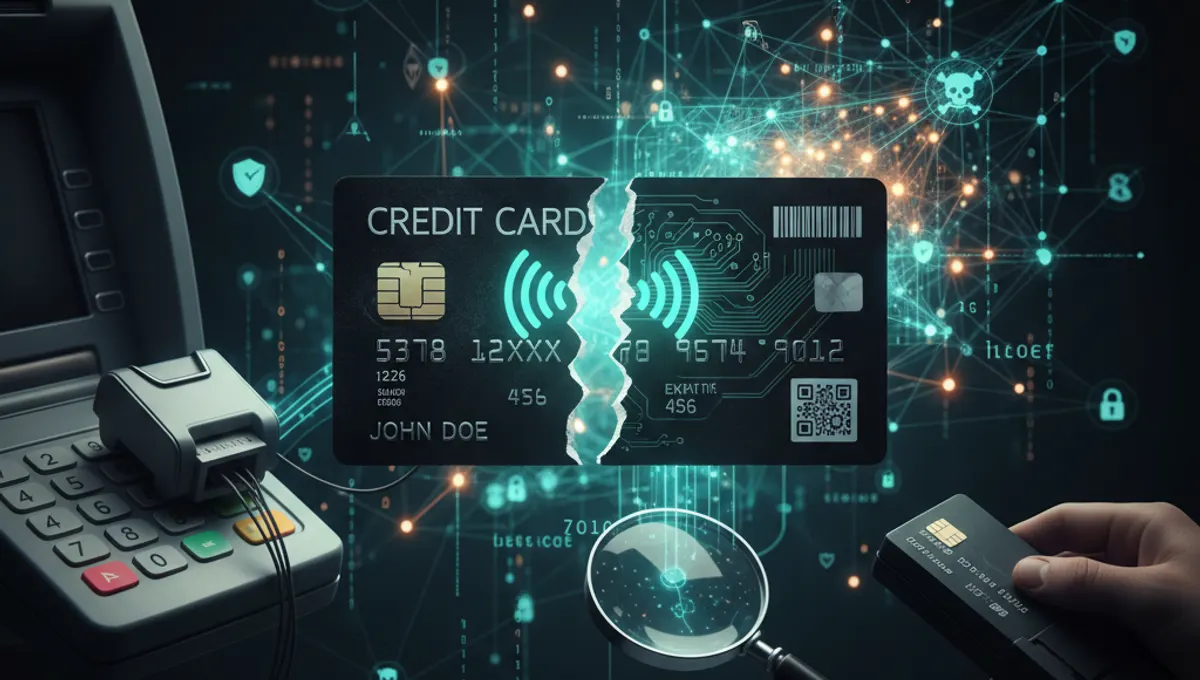
A cloned credit card is a duplicate created from stolen card data. Scammers obtain this data through several methods: skimming devices that capture magnetic stripe information at ATMs or gas pumps, shimming attacks that read EMV chip data, or purchasing leaked card details from data breaches. The magnetic stripe contains account number, expiration date, and cardholder name—enough to create a physical duplicate or conduct online fraud. EMV chips are harder to clone but not impossible; shimming devices can intercept chip communication. Once data is harvested, criminals use card printers and encoding machines to manufacture physical clones or exploit the data for card-not-present transactions online. The distinction matters: magnetic stripe clones work at older terminals, while chip-enabled clones require more sophisticated equipment.
How the Dark Web Cloned Card Sales Ecosystem Functions
The dark web hosts marketplaces where stolen and cloned card data is traded as a commodity. Sellers list card details with accompanying information: card number, CVV, expiration date, cardholder name, and sometimes billing address. Prices vary based on card type, issuing bank, and verification status. Buyers range from individual fraudsters to organized crime networks. Transactions typically occur in cryptocurrency to maintain anonymity. These marketplaces operate similarly to legitimate e-commerce sites, with vendor ratings, escrow systems, and customer reviews. Supply chains involve data brokers who purchase breached databases, hackers who conduct targeted skimming operations, and resellers who aggregate and package stolen information. The ecosystem is resilient because new marketplaces emerge when law enforcement shuts down existing ones. Discussions about card sourcing, pricing, and transaction methods occur on dark web forums and subreddits dedicated to carding, where users share techniques and marketplace recommendations.
Legal Consequences of Card Fraud and Possession
Legal penalties for credit card fraud vary significantly by jurisdiction and the specific charges filed. Common criminal categories include wire fraud, identity theft, access device fraud, and conspiracy. Possession of cloned cards or card-making equipment can result in felony charges. Use of a cloned card typically leads to fraud charges, which may carry prison sentences ranging from months to years depending on the amount involved and prior criminal history. Identity theft charges often carry separate penalties. Some jurisdictions impose mandatory minimum sentences for organized fraud schemes. Restitution to victims is frequently ordered alongside incarceration. Federal charges apply when fraud crosses state lines or involves interstate commerce. Conviction can result in permanent criminal records, affecting employment, housing, and financial opportunities. The specific penalty structure depends on local law, the amount defrauded, and whether the offense is prosecuted at state or federal level. Consulting with a criminal defense attorney in your jurisdiction provides accurate guidance on potential consequences.
How Dark Web Marketplaces Facilitate Card Buying and Selling
Dark web marketplaces operate as platforms where vendors list cloned card data and physical clones for sale. Access requires Tor browser and cryptocurrency wallets. Listings typically include card details, bin number, issuing bank, and cardholder information. Buyers select items, place orders, and transfer cryptocurrency to escrow accounts. Vendors deliver data via encrypted messages or downloadable files. Physical clones are shipped through postal services or courier networks. Marketplace operators take commission on each transaction, typically 5-15 percent. Vendor reputation systems encourage quality products and reliable delivery. Some marketplaces specialize in specific card types or geographic regions. Dispute resolution mechanisms exist, though they favor vendors due to cryptocurrency's irreversible nature. Law enforcement agencies conduct undercover operations and monitor these sites, leading to periodic takedowns. However, the decentralized nature of the dark web means new marketplaces quickly replace shut-down operations. Discussions on dark web Reddit communities and carding forums provide newcomers with marketplace recommendations and operational guidance.
How to Detect Card Skimmers and Protect Your Card
Detecting skimmers requires visual inspection of card readers before use. At ATMs and gas pumps, check for loose, misaligned, or unusually colored card slots. Shimming devices fit inside chip readers; wiggle the card reader gently to detect movement. Inspect PIN pads for overlays or unusual attachments. Use ATMs in well-lit, monitored locations, preferably inside banks. Cover the PIN pad when entering your code. Monitor your statements regularly for unauthorized charges. Enable transaction alerts through your bank's app or SMS notifications. Use contactless payment methods when available; they transmit limited data and are harder to compromise. Virtual card numbers generated by your bank for online purchases reduce exposure of your primary account. Consider RFID-blocking wallets for contactless cards. Avoid using debit cards for online purchases; credit cards offer stronger fraud protection. Request your bank to disable magnetic stripe transactions if you primarily use chip or contactless payments. Regularly review your credit report for signs of identity theft.
What to Do If Your Card Information Is Compromised
If you discover fraudulent charges, contact your card issuer immediately. Most banks have 24/7 fraud hotlines. Report the specific unauthorized transactions and request a dispute. Under consumer protection laws in most jurisdictions, you have liability limits for fraudulent charges; many banks waive liability entirely for prompt reporting. The issuer will typically cancel your card and issue a replacement within 7-10 business days. File a dispute for each fraudulent transaction; the bank investigates and usually reverses charges within 30-90 days. Request a new card number and updated expiration date. Place a fraud alert with credit bureaus to prevent identity theft. Consider a credit freeze if your personal information was compromised. Monitor your credit reports for unauthorized accounts. If your card data appears on the dark web, check sites that aggregate leaked databases. Document all communications with your bank. File a report with the Federal Trade Commission if identity theft occurs. Keep records of fraudulent charges and dispute correspondence for your records. Avoid using the compromised card for any transactions during the dispute period.
Why Card Data Appears on Dark Web Marketplaces and Reddit
Card data reaches dark web marketplaces through multiple sources: large-scale data breaches of retailers and financial institutions, skimming operations at ATMs and point-of-sale terminals, phishing attacks targeting cardholders, and insider threats from employees with access to payment systems. Hackers sell raw databases containing millions of records to aggregators, who parse and verify the data before reselling it in smaller batches. Discussions about sourcing, pricing, and marketplace reliability occur on dark web forums and subreddits where users share experiences and recommendations. Some communities provide tutorials on skimming device installation and card cloning techniques. Reddit communities dedicated to carding discuss marketplace reviews, vendor reliability, and operational security. The dark web's anonymity attracts both buyers and sellers, creating a persistent market despite law enforcement efforts. Card data from breaches can remain valuable for months or years if the card hasn't been canceled. Verified card information commands higher prices than unverified data. The ecosystem is self-sustaining because demand for cloned cards remains constant among fraudsters.
Frequently asked questions
How do scammers clone credit cards on the dark web
Scammers clone cards by obtaining card data through skimming devices, data breaches, or shimming attacks. They purchase card details on dark web marketplaces, then use encoding machines and card printers to create physical duplicates or exploit the data for online fraud. The data includes account number, expiration date, CVV, and cardholder name—sufficient for unauthorized transactions.
What are the legal penalties for possessing or using a cloned card
Legal penalties vary by jurisdiction but typically include felony charges for fraud, identity theft, and access device fraud. Sentences can range from months to years in prison, depending on the amount defrauded and prior criminal history. Restitution to victims is usually ordered. Federal charges apply when fraud crosses state lines. Specific penalties depend on local law and prosecution level.
How can I tell if my card has been compromised on the dark web
Monitor your bank statements regularly for unauthorized charges and enable transaction alerts. Check if your card data appears in leaked databases using aggregator sites. Contact your bank immediately if you notice suspicious activity. Your issuer can confirm whether your card has been compromised and issue a replacement. Place a fraud alert with credit bureaus if identity theft is suspected.
What should I do if I find fraudulent charges on my card
Contact your card issuer's fraud department immediately. Report each unauthorized transaction and request a dispute. Most banks reverse fraudulent charges within 30-90 days and limit your liability. Request a new card number and expiration date. File a report with the Federal Trade Commission if identity theft occurred. Document all communications with your bank for your records.
How do dark web marketplaces sell cloned card information
Dark web marketplaces operate as platforms where vendors list card data and physical clones. Buyers access via Tor browser, select items, and transfer cryptocurrency to escrow accounts. Vendors deliver data through encrypted messages or downloadable files. Physical clones are shipped via postal services. Marketplace operators take commission on transactions. Vendor reputation systems encourage quality products, though law enforcement regularly monitors and shuts down these sites.