What Is a Cloned Credit Card and How Are They Created
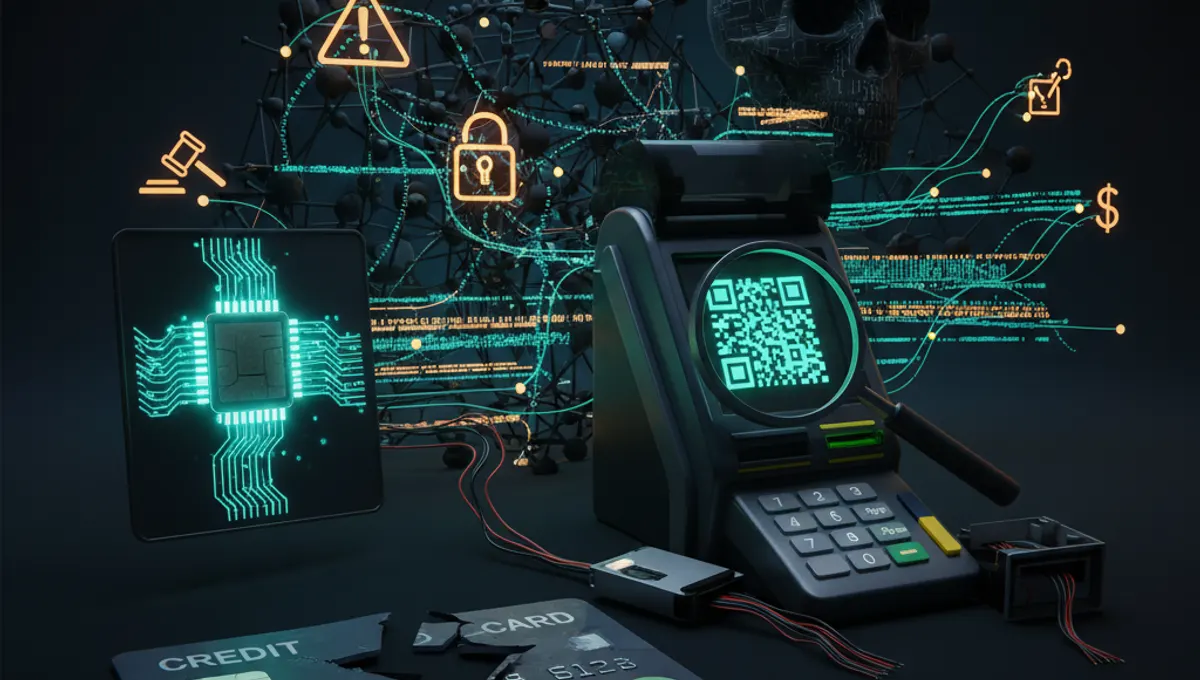
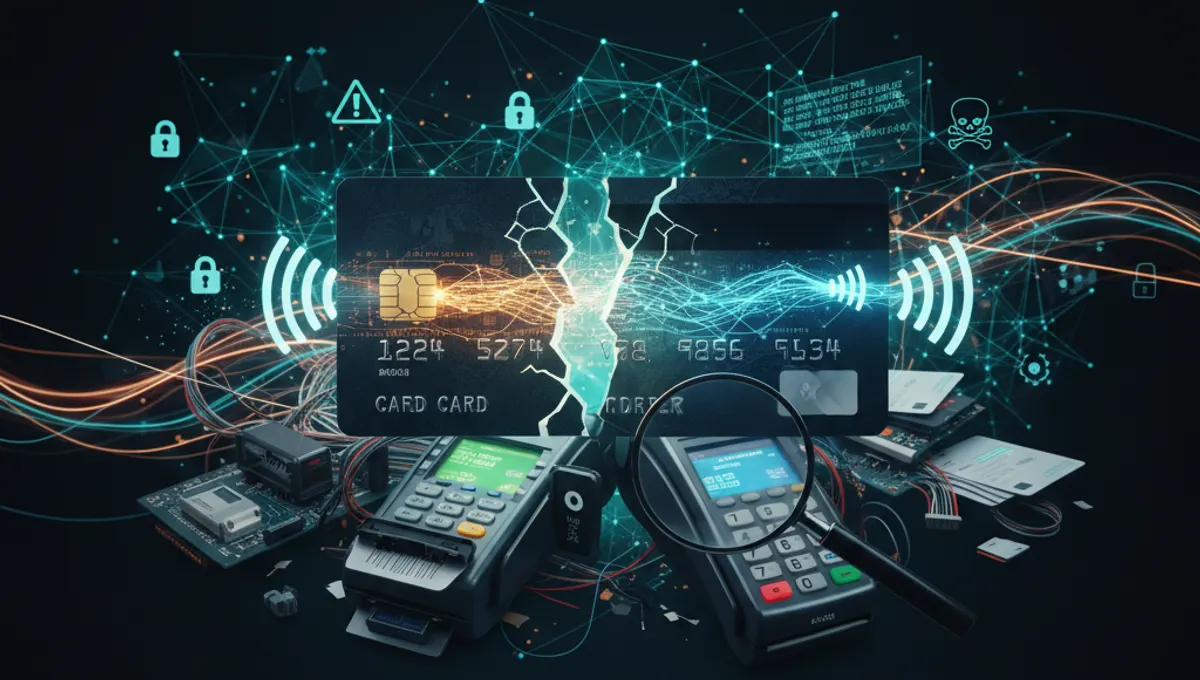
A cloned credit card is a duplicate created from stolen card data. Cloning typically occurs through two methods: skimming and shimming. Skimming captures data from the magnetic stripe on the back of a card using a hidden reader placed on ATMs, gas pumps, or point-of-sale terminals. Shimming works similarly but targets the EMV chip by inserting a thin device into card slots. Once data is harvested, criminals copy the magnetic stripe onto a blank card or use the information for online fraud. Data breaches at retailers and financial institutions also supply stolen card details to dark web markets. The magnetic stripe contains the cardholder's name, card number, and expiration date, but not the CVV code, which limits some fraud attempts. EMV chip technology is harder to clone but not impossible, especially for older chip implementations.
How the Dark Web Cloned Card Sales Ecosystem Operates
The dark web cloned card marketplace functions as a specialized underground economy where sellers list stolen and cloned card data in bulk or individually. Marketplaces operate on encrypted platforms accessible through Tor browsers, where vendors establish reputation scores based on buyer feedback. Cards are typically categorized by type (Visa, Mastercard, American Express), balance range, and country of origin. Sellers provide card details including the full number, expiration date, CVV, and sometimes cardholder name and address. Prices vary based on card freshness, reported balance, and seller reputation. Some vendors offer guarantees or refunds if a card is declined or already reported stolen. The ecosystem also includes money laundering services, drop addresses for physical goods, and reseller networks. Transactions occur in cryptocurrency to maintain anonymity. This market thrives because of constant data breaches, weak security at point-of-sale systems, and the difficulty law enforcement faces in tracking cross-border digital transactions.
Legal Consequences of Possessing and Using Cloned Cards
Possession and use of cloned credit cards carry serious criminal charges that vary by jurisdiction. Common charges include wire fraud, identity theft, access device fraud, and conspiracy. Wire fraud typically applies when stolen card data crosses state or international lines and can result in sentences up to 20 years in federal prison. Identity theft charges address the unauthorized use of another person's personal information and carry separate penalties. Access device fraud specifically targets possession of cloned cards or skimming equipment and is prosecuted under federal law. State laws add additional charges such as forgery, theft, and money laundering. Penalties depend on factors including the number of cards involved, total fraud amount, prior criminal history, and whether the defendant manufactured devices or simply used cards. Fines often exceed the amount defrauded. Restitution to victims is typically mandatory. Purchasing cloned cards on the dark web does not shield buyers from prosecution; law enforcement agencies cooperate internationally and monitor marketplace activity. Even first-time offenders face substantial prison time and permanent criminal records affecting employment and housing.
How Buying and Selling Occurs on Dark Web Card Marketplaces
Dark web card marketplaces operate as structured platforms with vendor profiles, product listings, and escrow systems. Buyers access these sites through Tor browsers and create anonymous accounts using usernames unlinked to personal identity. Sellers list cloned cards with detailed specifications: card type, issuing bank, country, reported balance, and freshness date. Pricing typically ranges from low amounts for older data to higher prices for recently harvested information. Transactions use cryptocurrency, most commonly Bitcoin or Monero, with escrow services holding funds until the buyer confirms the card works. Buyers test cards through small purchases or ATM withdrawals before committing to larger transactions. Sellers provide replacement guarantees if a card is declined or flagged as stolen within a specified timeframe. Communication occurs through encrypted messaging within the marketplace or external channels like Telegram. Reputation systems track seller reliability, with high-rated vendors commanding premium prices. Law enforcement agencies conduct undercover operations on these platforms, posing as buyers or sellers to identify participants. Marketplace administrators occasionally exit scams, disappearing with accumulated cryptocurrency and leaving users without recourse.
How to Detect Skimmers and Protect Your Card Information
Detecting skimmers requires visual inspection of card readers before use. At ATMs, examine the card slot for loose, protruding, or misaligned components that differ from the machine's original design. Gas pump skimmers often appear as aftermarket overlays on the card reader. Check for gaps between the reader and the pump housing, and test the reader by gently pulling on it; legitimate readers are firmly attached. At point-of-sale terminals, observe whether the card reader looks different from others at the same location. Protect your card by using chip readers instead of magnetic stripe when available, as EMV chips are harder to clone. Enable transaction alerts through your bank to receive notifications of purchases in real time. Consider using virtual card numbers generated by your bank for online purchases, which isolate your primary account from fraud. Contactless and tokenized payments reduce exposure by not transmitting full card data. Block high-risk merchants or geographic regions through your bank's controls. Monitor your credit reports regularly for unauthorized accounts opened in your name. Use ATMs in secure locations like bank branches rather than standalone machines in public areas.
What to Do If Your Card Information Is Compromised
If you discover unauthorized charges on your card, contact your bank immediately by phone using the number on your statement or official bank website, not numbers from emails or texts. Report the fraudulent transactions and request a dispute. Banks typically issue temporary credits within one to three business days while investigating. The formal dispute process takes up to 60 days, during which the bank contacts the merchant and reviews evidence. Provide documentation of the unauthorized charges, including transaction dates, amounts, and merchant names. Request a new card with a different number to prevent further fraud on the same account. Check your credit reports from all three bureaus for accounts you did not open, which may indicate identity theft beyond card fraud. File a report with the Federal Trade Commission if your personal information was compromised, which creates an official record. Consider placing a fraud alert or credit freeze with the credit bureaus to prevent criminals from opening new accounts in your name. Keep records of all communications with your bank and the FTC. Monitor your accounts closely for 12 months following the incident. Most banks cover fraudulent charges under zero-liability policies, so you are not responsible for unauthorized transactions reported promptly.
Understanding Credit Card Fraud on Reddit and Community Discussions
Reddit and other online forums contain discussions about credit card fraud, dark web markets, and carding techniques. These communities share information about skimming methods, marketplace reviews, and fraud avoidance strategies. Some threads discuss credit card dark web reddit communities where users exchange marketplace recommendations and vendor feedback. Discussions about credit card details dark web often include warnings about scams within scam communities, where buyers are defrauded by sellers who never deliver cards or provide invalid data. Posts about credit card from dark web frequently ask about purchasing processes, cryptocurrency conversion, and risk assessment. Credit card hack dark web discussions cover data breach sources and how stolen information enters the marketplace. Credit card info dark web threads debate the reliability of different vendors and marketplace platforms. These discussions serve as informal reputation systems and educational resources for potential participants. Law enforcement monitors these communities to identify active fraudsters and gather intelligence on marketplace operations. Participating in these discussions or acting on information shared carries legal risk, as conspiracy charges can apply to coordinated fraud activity. Legitimate cybersecurity researchers monitor these spaces to understand threat landscapes and develop protective measures.
Frequently asked questions
How do criminals clone credit cards on the dark web?
Criminals clone cards by harvesting data through skimming devices placed on ATMs and gas pumps, or by purchasing stolen card information from data breaches. The magnetic stripe data is copied onto blank cards or used for online purchases. This cloned data is then packaged and sold on dark web marketplaces where buyers test the cards and resell them to other fraudsters.
What are the legal penalties for buying cloned cards?
Buying cloned cards can result in federal charges including wire fraud, identity theft, and access device fraud. Penalties vary by jurisdiction but typically include prison sentences ranging from several years to 20 years, substantial fines, and mandatory restitution to victims. Prior criminal history and the number of cards involved affect sentencing severity.
Can I detect a card skimmer before it steals my information?
Yes. Inspect ATM card slots and gas pump readers for loose, protruding, or misaligned components. Test readers by gently pulling on them; legitimate readers are firmly attached. Look for gaps between the reader and the machine housing. Use ATMs in secure bank locations rather than standalone machines, and prioritize chip readers over magnetic stripe when available.
What should I do immediately if I notice fraudulent charges on my card?
Contact your bank by phone using the number on your statement or official website. Report the unauthorized transactions and request a dispute. Banks typically issue temporary credits within one to three business days. Request a replacement card with a new number, and monitor your account closely for additional fraud over the following months.
Why are cloned cards sold on the dark web instead of used directly by thieves?
Selling cloned cards on the dark web allows criminals to monetize stolen data quickly without the risk of using cards themselves. Specialized marketplaces with escrow systems and reputation ratings create trust among buyers. Resellers can purchase cards in bulk at low prices and sell them individually at markup, creating a distributed fraud network that is harder for law enforcement to trace.