What Is an RFID Tag and How Does It Store Data
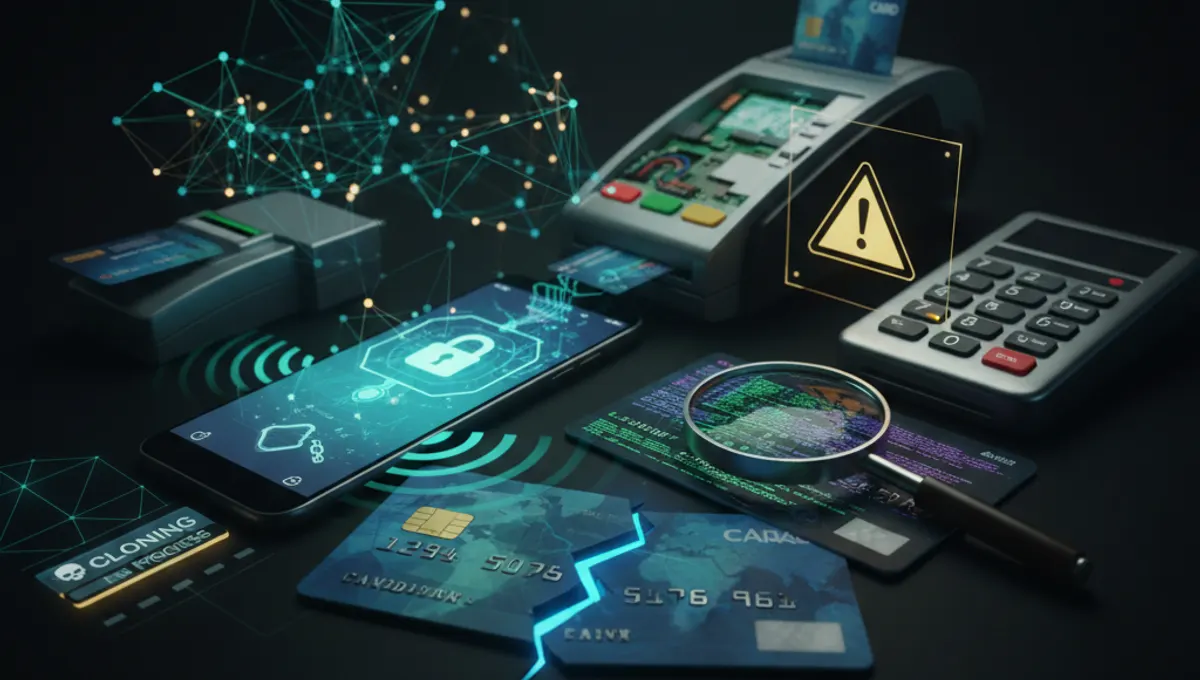
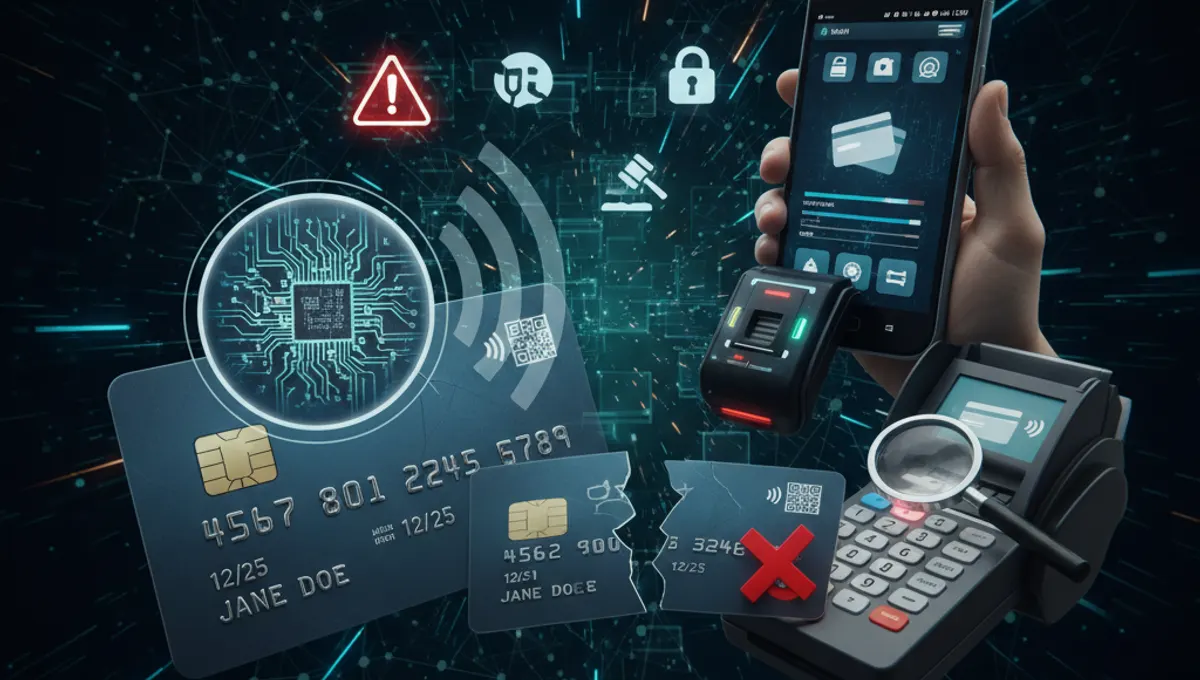
An RFID tag is a small chip that stores data and communicates wirelessly with readers at short range, typically a few inches. Most contactless payment cards and key fobs use RFID or NFC (Near Field Communication) technology to transmit card information without physical contact. The data stored on these tags includes the card number, expiration date, and sometimes a one-time code or spin code. Older RFID systems, particularly those using magnetic stripe equivalents, often lack encryption, making the data readable by any compatible device. Modern EMV chips add a layer of security through dynamic data and transaction-specific codes, but legacy systems remain vulnerable. The Android NFC capability allows smartphones to read and, in some cases, write to these tags if the proper tools and permissions are available.
How RFID Cloning to Android Devices Actually Works
Cloning an RFID tag to Android involves using NFC-enabled software and hardware to read the data from a target card or fob, then writing that data to the phone's NFC chip or a compatible external tag. The process typically requires a rooted Android device, specialized NFC writing applications, and physical proximity to the original card. The cloned Android device can then be presented to a contactless reader in place of the original card, potentially authorizing transactions if the reader does not perform additional verification. Some systems use spin codes or dynamic CVV values that change with each transaction, which complicates cloning but is not impossible with the right tools. The success of a clone depends on the security measures of the target system; modern EMV systems with transaction-specific authentication are significantly harder to clone than older magnetic stripe or static RFID systems. Android's NFC stack provides the technical foundation, but the legality and ethics of the process are entirely separate from its technical feasibility.
The Dark Web Cloned Card Sales Ecosystem
Cloned cards and RFID cloning tools are sold on dark web marketplaces as part of a broader carding ecosystem. Vendors typically acquire card data through skimming devices, data breaches, or insider theft, then clone the information onto physical cards or provide digital cloning instructions. The marketplace operates with pseudonymous sellers and buyers, often using cryptocurrency for transactions. Listings include cloned cards with various spin codes, RFID cloning kits for Android, and tutorials on how to use them. Buyers range from individuals seeking to commit fraud to organized crime groups conducting large-scale theft. The dark web provides a layer of anonymity through Tor and similar networks, but law enforcement agencies actively monitor these marketplaces and conduct undercover operations. Prices vary based on card type, available balance, and the seller's reputation. The ecosystem relies on rapid turnover because cloned cards are often detected and blocked within hours or days of use.
Legal Consequences of Possessing and Using Cloned RFID Cards
Possession of cloned cards or RFID cloning tools is illegal in most jurisdictions and typically falls under multiple criminal statutes. Charges commonly include fraud, identity theft, unauthorized access to computer systems, and possession of devices designed to facilitate fraud. In the United States, federal law addresses credit card fraud under 18 U.S.C. § 1029, which covers the production, use, or possession of counterfeit access devices. State laws add additional charges for identity theft and wire fraud. The specific penalties depend on the jurisdiction and the circumstances of the case, including the number of cards involved, the amount of money obtained, and whether the offense is prosecuted at state or federal level. Conviction can result in fines ranging from thousands to hundreds of thousands of dollars, imprisonment from months to decades, restitution to victims, and a permanent criminal record. Using a cloned card, even once, constitutes fraud and can trigger felony charges. Merely possessing cloning tools with intent to use them is also prosecutable in many jurisdictions.
How to Detect RFID Skimming and Protect Your Cards
Detecting RFID skimming requires awareness of common attack vectors and implementation of protective measures. Skimmers are often placed on gas pump readers, ATM machines, or point-of-sale terminals; they capture card data when you insert or tap your card. Physical inspection of card readers for loose, misaligned, or unusual attachments can reveal some skimmers, though advanced devices are difficult to spot. Using contactless or tokenized payments through digital wallets reduces exposure because these systems use dynamic data and transaction-specific codes rather than static card information. Enabling transaction alerts through your bank allows you to detect unauthorized charges immediately. Virtual card numbers, offered by many financial institutions, provide a unique number for each transaction, limiting the usefulness of stolen data. RFID-blocking wallets and sleeves can prevent wireless skimming of cards in your possession. Regularly monitoring your credit reports and bank statements for unauthorized activity is essential. Avoiding the use of debit cards for large purchases and preferring credit cards, which offer stronger fraud protections, reduces your financial exposure.
What to Do If Your Card Information Has Been Compromised
If you discover unauthorized charges or suspect your card information has been compromised, contact your bank or card issuer immediately. Most financial institutions have fraud departments that operate 24/7 and can freeze your account, cancel your card, and initiate an investigation. File a dispute for each fraudulent transaction; under federal law, your liability is typically limited to 50 dollars if you report the fraud within two business days, and zero if you report it before any unauthorized charges post. Request a new card with a different number and ensure the issuer sends it securely. File a report with the Federal Trade Commission through IdentityTheft.gov, which creates an official record and may help with dispute resolution. If the compromise involves personal information beyond the card number, consider placing a fraud alert or credit freeze with the three major credit bureaus. Keep detailed records of all communications with your bank and the FTC. Refund timelines vary by institution but typically range from 5 to 10 business days for provisional credits, with a full investigation completed within 30 to 45 days. Monitor your credit reports for new accounts or inquiries that you did not authorize.
Why Android RFID Cloning Remains a Persistent Threat
Android RFID cloning persists as a threat because many payment systems still rely on older, less secure protocols, and the tools to perform cloning are widely available online. The technical barrier to entry has lowered significantly with the availability of NFC writing applications and tutorials. Older cards and key fobs without EMV or dynamic authentication are particularly vulnerable. The financial incentive is substantial; a single cloned card can be used for multiple transactions before detection. The dark web marketplace continues to supply both cloned cards and cloning tools to buyers worldwide. Law enforcement efforts, while increasing, struggle to keep pace with the scale and speed of the carding ecosystem. Education and awareness among cardholders remain limited, leaving many people unaware of the risks or protective measures. The transition to more secure payment methods is ongoing but incomplete; many retailers and institutions still accept older, less secure card formats. Understanding the threat landscape helps individuals and organizations prioritize security investments and implement appropriate protections.
Frequently asked questions
Can you actually clone an RFID card to an Android phone?
Yes, RFID cards can be cloned to Android devices using NFC writing software and compatible hardware. The process requires reading the data from the original card and writing it to the phone's NFC chip. Success depends on the security level of the target system; older cards without encryption are easier to clone than modern EMV cards with dynamic authentication. However, cloning is illegal and constitutes fraud.
What are the criminal charges for possessing RFID cloning tools?
Possession of RFID cloning tools with intent to use them is prosecutable under fraud and access device statutes in most jurisdictions. Charges typically include fraud, identity theft, and unauthorized computer access. Penalties vary by jurisdiction but can include significant fines and imprisonment. Conviction results in a permanent criminal record.
How can I tell if my card has been skimmed or cloned?
Monitor your bank and credit card statements regularly for unauthorized charges. Enable transaction alerts through your financial institution to receive notifications of card activity. Check your credit reports for accounts you did not open. If you notice suspicious activity, contact your bank immediately and file a dispute for any fraudulent charges.
What is the fastest way to stop fraud if my card is compromised?
Call your bank's fraud department immediately to report the unauthorized activity and request card cancellation. Most institutions can freeze your account within minutes and issue a new card. File a dispute for each fraudulent transaction. Your liability is typically limited to 50 dollars if reported within two business days, or zero if reported before charges post.
Are modern contactless payment cards vulnerable to cloning?
Modern EMV contactless cards use dynamic data and transaction-specific codes that change with each transaction, making them significantly more resistant to cloning than older magnetic stripe cards. However, no system is completely immune. Using digital wallets with tokenization provides an additional layer of security by replacing your actual card number with a unique token for each transaction.