What Is Contactless Card Skimming and How Does It Differ from Traditional Skimming
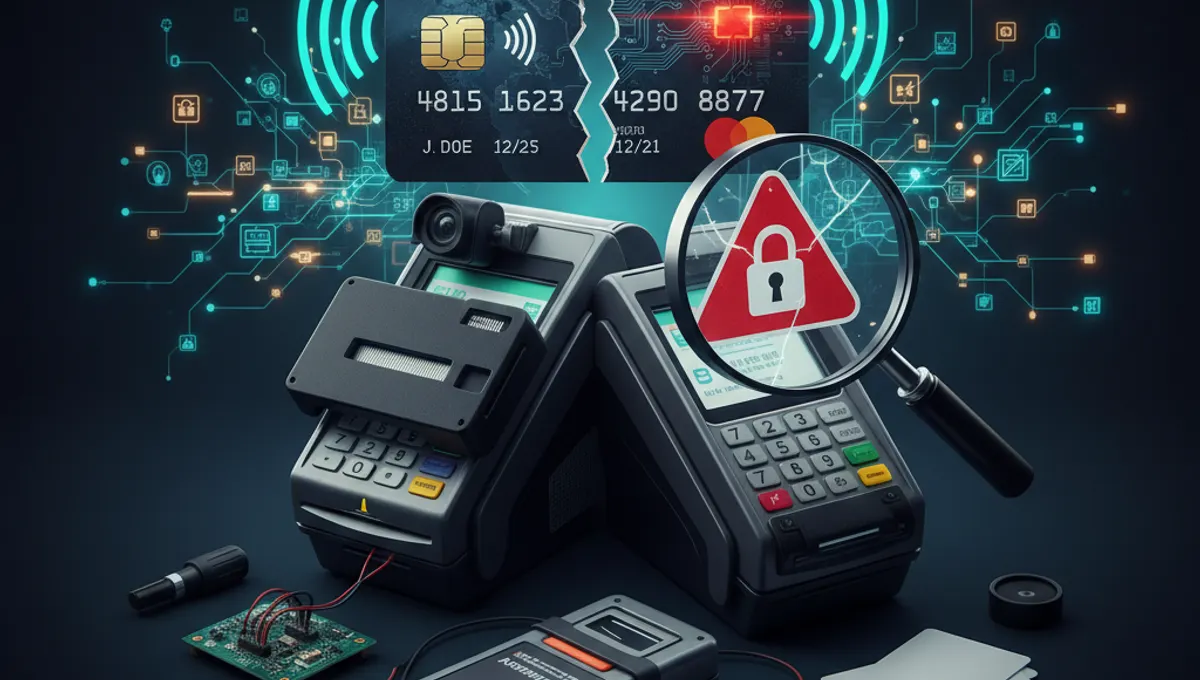
Contactless card skimming targets cards with embedded NFC chips that enable tap-to-pay functionality. Unlike traditional card skimming, which requires physical insertion into a device or magnetic stripe reading, contactless skimming operates wirelessly from a distance—sometimes up to several feet. Criminals use handheld NFC readers to capture the card's payment data as it passes nearby. Traditional skimming methods focus on magnetic stripe data or EMV chip information through physical contact, while contactless skimming exploits the wireless broadcast nature of NFC communication. Both methods result in card data being harvested, but contactless attacks are harder to detect because they leave no physical trace and require no device installation at point-of-sale terminals.
The Relationship Between Card Skimming and Card Cloning
Card skimming and card cloning are linked stages in the same fraud pipeline. Skimming is the data collection phase—criminals capture card numbers, expiration dates, and CVV information through various methods including contactless interception. Cloning is the creation of a duplicate card using that stolen data. Once skimmed data is obtained, it can be encoded onto a blank card or used for online purchases. Card skimming and cloning often work together: skimmers harvest data, and cloners manufacture fraudulent cards or conduct card-not-present transactions. Understanding this connection helps explain why protecting against skimming is critical—it prevents the first step in the cloning process.
How Cloned Cards Are Sold on Dark Web Marketplaces
Dark web marketplaces operate as underground platforms where stolen card data and cloned cards are bought and sold. Vendors list cards with details including card number, expiration date, CVV, and cardholder name—sometimes with additional information like address or phone number. Transactions typically occur using cryptocurrency to maintain anonymity. Buyers purchase cards in bulk or individually, often with guarantees or refund policies if the card is declined or already reported. These marketplaces function similarly to legitimate e-commerce sites, complete with vendor ratings and dispute resolution systems. The ecosystem thrives because of the difficulty in tracing cryptocurrency transactions and the jurisdictional challenges law enforcement faces. Cards are often tested before sale to verify they still have available funds, and vendors may offer replacement guarantees if a card is blocked within a certain timeframe.
Detecting Contactless Skimmers and Protecting Your Card
Detecting contactless skimmers is challenging because they operate wirelessly and leave no visible evidence. However, several protective measures reduce your risk. Use contactless payment blocking wallets or sleeves that shield NFC signals from reaching your card. Enable transaction alerts on your bank account to receive notifications of any charges, allowing you to catch fraud quickly. Consider using virtual card numbers for online purchases—many banks offer single-use card numbers that limit exposure if compromised. Monitor your credit reports regularly for unauthorized accounts opened in your name. When possible, use tokenized payments through mobile wallets like Apple Pay or Google Pay, which replace your actual card data with encrypted tokens. At physical locations, inspect card readers for loose or misaligned components, though this is more relevant for traditional skimmers. Disabling contactless payment on your card through your bank is an option if you rarely use tap-to-pay functionality.
What to Do If Your Card Information Has Been Compromised
If you discover unauthorized charges or suspect your card data has been compromised, contact your bank immediately. Most banks allow you to dispute fraudulent transactions, and you typically have liability protection—often limited to fifty dollars or zero dollars depending on when you report the fraud. File a dispute claim with your bank, providing details of the unauthorized transactions. Your bank will investigate and usually issue a provisional credit while the dispute is processed, which typically takes thirty to ninety days. Request a new card with a different number. File a report with your local police department and the Federal Trade Commission if identity theft is involved. Place a fraud alert on your credit file with the three major credit bureaus to prevent criminals from opening new accounts in your name. Keep detailed records of all communications with your bank and documentation of fraudulent charges. Monitor your accounts closely for sixty to ninety days after the incident.
Legal Consequences of Card Cloning and Fraud
Possession and use of cloned cards constitute serious crimes in most jurisdictions. Charges typically fall into categories including fraud, identity theft, and device-based fraud. Fraud charges relate to the unauthorized use of financial instruments; identity theft charges apply when personal information is misused; device-based fraud charges target the creation or possession of cloning equipment. Penalties vary significantly by jurisdiction and the amount of money involved. Some jurisdictions impose mandatory minimum sentences for organized fraud schemes. Federal charges in certain countries carry penalties ranging from several years to decades of imprisonment, depending on the scale and sophistication of the operation. Restitution to victims is often required. Possession of cloning equipment or blank cards with intent to commit fraud carries separate charges. Conspiracy charges may apply if multiple individuals are involved. A criminal record for fraud or identity theft creates lasting employment and housing barriers. The specific penalties depend on local laws, prior criminal history, and the amount defrauded.
Card Skimming Methods Used by Criminals
Criminals employ multiple card skimming methods to harvest payment data. Gas pump skimming involves installing overlay readers on fuel pump card slots that capture magnetic stripe data when customers insert cards. ATM skimming uses similar overlay devices or deep-insert skimmers placed inside ATM card slots. PIN pad skimmers capture keypad entries to obtain PINs. Contactless skimming uses handheld NFC readers to wirelessly intercept tap-to-pay card data. Online skimming involves malware on compromised websites that intercepts card data during checkout. Shimming targets EMV chip cards by inserting thin devices between the card and the chip reader. Phishing and social engineering tricks users into revealing card details directly. Data breaches at retailers or payment processors expose millions of card records at once. Each method exploits different vulnerabilities in payment systems, which is why using multiple protective strategies is necessary.
Frequently asked questions
Can contactless cards be skimmed from a distance?
Yes, contactless cards can be skimmed from a distance using handheld NFC readers. The range typically extends several feet, allowing criminals to capture payment data without the cardholder's knowledge. This is why contactless payment blocking wallets and sleeves are recommended—they shield the NFC signal and prevent unauthorized reading.
What information do criminals get when they skim a contactless card?
When skimming a contactless card, criminals typically capture the card number, expiration date, and sometimes the cardholder's name. Some advanced readers may also obtain transaction history or additional encoded data. However, the CVV is often not transmitted during contactless transactions, which provides some protection against card-not-present fraud.
How quickly can a skimmed card be cloned and used?
Cloning can occur within hours of data being skimmed. Criminals encode stolen data onto blank cards or test it for online purchases immediately. This is why monitoring your account for unauthorized charges and enabling transaction alerts is critical—early detection can stop fraud before significant damage occurs.
Are contactless payments safer than inserting a card?
Contactless payments offer both advantages and vulnerabilities. They reduce exposure to physical skimmers at terminals, but they introduce wireless interception risks. Using a contactless payment blocking wallet, enabling transaction alerts, and monitoring your account provides better overall protection than relying on any single payment method.
What should I do if I notice a suspicious charge on my card?
Contact your bank immediately to report the unauthorized charge. Most banks offer fraud protection and will issue a provisional credit while investigating. File a dispute claim and request a replacement card. Monitor your account closely for additional fraudulent activity and consider placing a fraud alert with credit bureaus if identity theft is suspected.