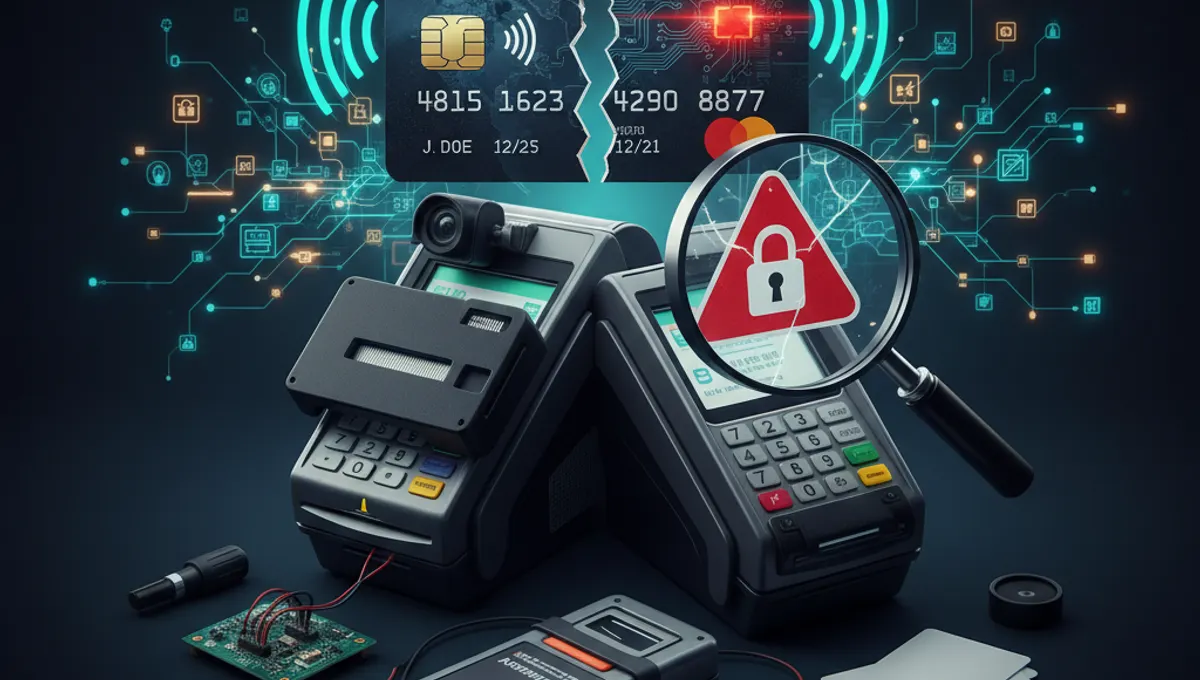
What Is a Cloned Card and How Does Skimming Create It
A cloned card is a duplicate of a legitimate payment card created using stolen data. Skimming is the primary method used to obtain this data. Attackers use card skimming devices placed on ATMs, gas pumps, or point-of-sale terminals to read the magnetic stripe or capture contactless card information. Shimming targets EMV chip readers by inserting thin devices between the chip and the reader. Card skimming methods vary: magnetic stripe skimming copies the encoded track data, contactless skimming uses NFC or RFID readers to intercept wireless signals, and online skimming harvests data through compromised payment forms. Data breaches at retailers also supply cloning material. Once attackers have the card number, expiration date, CVV, and cardholder name, they can encode this information onto blank cards or use it for online purchases. EMV chip technology provides some protection against physical cloning, but magnetic stripe data remains vulnerable, and contactless payments can be intercepted without physical contact.
How the Cloned Card Sales Ecosystem Operates
Cloned cards are bought and sold through dark web marketplaces where anonymity and cryptocurrency transactions enable illegal commerce. Sellers offer cards in batches, often with spin codes or freshness guarantees indicating recent skimming or data breaches. Marketplaces operate as forums or storefronts where vendors list inventory with details about card type, balance status, and country of origin. Buyers typically purchase cards in bulk for resale or use in fraud schemes. The ecosystem includes specialized services: drop networks that receive shipped goods purchased with cloned cards, money mules who cash out stolen funds, and refunders who exploit return policies. Prices vary based on card type, balance, and verification status. Sellers maintain reputation systems and offer refunds for non-working cards to sustain buyer confidence. This infrastructure depends on rapid card replacement cycles, as financial institutions cancel compromised cards quickly. The market operates across multiple jurisdictions, making enforcement difficult. Cryptocurrency transactions leave blockchain records but provide pseudonymity that complicates tracing. Marketplaces frequently relocate or rebrand after law enforcement action.
Legal Consequences of Card Cloning and Fraud
Legal consequences for card cloning and fraud vary significantly by jurisdiction but generally fall into several categories. Possession of cloned cards or card cloning equipment can result in charges related to fraud, identity theft, access device fraud, and conspiracy. In many jurisdictions, using a cloned card constitutes wire fraud, mail fraud, or identity theft, depending on the transaction method. Penalties depend on factors including the number of cards involved, total fraud amount, prior criminal history, and whether the offense involved organized crime. Some jurisdictions impose mandatory minimum sentences for card fraud exceeding specific dollar thresholds. Charges may include federal offenses if transactions cross state or international lines. Restitution to victims is typically required alongside criminal penalties. Civil liability allows card issuers and defrauded individuals to pursue damages. Possession of card cloning equipment such as magnetic stripe writers or RFID cloners can trigger separate charges under laws prohibiting fraud device manufacturing or possession. International cases may involve extradition and prosecution under multiple countries' laws. Specific penalty ranges depend on applicable statutes in your jurisdiction; consulting legal counsel is necessary for accurate guidance on potential consequences.
How Buying and Selling Occurs on Dark Web Marketplaces
Dark web marketplaces facilitate card sales through structured platforms accessible via Tor browsers and similar anonymity networks. Buyers typically create accounts using pseudonyms and establish cryptocurrency wallets for transactions. Sellers list cloned cards with specifications: card type (Visa, Mastercard, American Express), country, balance status, and freshness date. Purchase processes vary by marketplace but generally involve selecting inventory, confirming details, and transferring cryptocurrency. Escrow systems hold funds until buyers confirm receipt and card functionality. Communication occurs through encrypted messaging within the marketplace or external channels. Sellers may offer guarantees such as refunds for non-working cards within specified timeframes. Some marketplaces provide testing services where buyers can verify card validity before full purchase. Shipping of physical cloned cards occurs through mail services or dead drops. Digital delivery of card data occurs instantly via encrypted channels. Marketplaces maintain forums where buyers share experiences, test results, and vendor reviews. Law enforcement agencies monitor these platforms and conduct undercover operations. Marketplace administrators collect fees on transactions, creating financial incentives to maintain operations despite legal risks. Platforms frequently migrate to new domains or rebrand following takedowns.
Detecting Card Skimmers and Protecting Against Skimming
Detecting card skimmers requires physical inspection and awareness of skimming methods. At ATMs and gas pumps, examine the card reader slot for loose, misaligned, or protruding components that may indicate an inserted skimming device. Check for hidden cameras above keypads that might capture PIN entry. Wiggle card readers gently; legitimate readers are firmly installed. Use ATMs in well-lit, monitored locations such as bank branches rather than isolated machines. For contactless card protection, use RFID-blocking wallets or sleeves that prevent wireless interception. Enable transaction alerts through your card issuer to receive notifications of purchases in real time. Consider using virtual card numbers or digital wallets that tokenize your actual card data, preventing merchants from storing full card information. Avoid using magnetic stripe cards when chip readers are available, as chip technology provides stronger fraud protection. For online purchases, use single-use card numbers or payment intermediaries that shield your primary card. Monitor your credit reports regularly for unauthorized accounts opened in your name. When entering PINs, shield the keypad from view. Avoid using public WiFi for sensitive transactions. Request chip card replacements if your issuer still provides magnetic stripe-only cards.
What to Do If Your Card Information Is Compromised
If you detect unauthorized charges or suspect your card information has been compromised, contact your card issuer immediately by phone using the number on your card or statement. Report specific fraudulent transactions and request a dispute. Card issuers typically issue temporary credits within one to three business days while investigating, with permanent resolution usually occurring within 30 to 90 days depending on jurisdiction and complexity. Request a replacement card with a new number. Ask your issuer to flag your account for fraud monitoring and place a fraud alert on your credit file. File a report with your country's consumer protection agency or financial regulator. Obtain a copy of the fraud report for your records. Check your credit reports from major bureaus for unauthorized accounts or inquiries. Consider placing a credit freeze to prevent new accounts opened in your name. If your PIN was compromised, change it immediately. Review recent statements carefully for additional unauthorized activity. Keep documentation of all communications with your issuer, including dates, times, and representative names. If card cloning involved identity theft, file a report with local law enforcement and the Federal Trade Commission or equivalent agency. Monitor your accounts for 12 months following the incident. Do not ignore communications from your issuer regarding the dispute process.
Understanding Card Cloning Equipment and Technology
Card cloning equipment ranges from simple magnetic stripe writers to sophisticated RFID and NFC readers. Magnetic stripe writers encode stolen card data onto blank cards or rewritable magnetic stripe media. These devices read the three tracks of magnetic stripe data and reproduce them on new cards. Shimming devices are thin inserts placed in chip card readers that capture EMV data during transactions. RFID and NFC cloners read and copy contactless card signals, allowing attackers to intercept wireless payment data without physical contact. Card skimming contactless technology uses handheld readers that can capture payment information from cards in wallets or pockets. Skimmer card readers are installed on legitimate payment terminals and transmit captured data wirelessly to attackers. Some equipment combines multiple capabilities, reading both magnetic stripe and chip data. Blank card stock and encoding software complete the cloning process. Possession of this equipment is illegal in most jurisdictions and constitutes a separate offense from using cloned cards. Law enforcement agencies identify and seize this equipment during investigations. Manufacturers and sellers of cloning equipment face prosecution under fraud device statutes.
Frequently asked questions
What is the difference between card skimming and card cloning
Card skimming is the process of capturing payment card data using devices or wireless interception. Card cloning is the creation of a duplicate card using stolen data. Skimming is the method used to obtain the data; cloning is what attackers do with that data. A skimmed card can be cloned, but skimming also enables online fraud without physical cloning.
Can EMV chip cards be cloned
EMV chip cards provide stronger protection against physical cloning than magnetic stripe cards because chip data includes dynamic authentication elements that change with each transaction. However, chip data can still be compromised through shimming devices or data breaches. Cloning an EMV chip is more difficult than cloning a magnetic stripe, but not impossible. Contactless EMV payments remain vulnerable to wireless interception.
How quickly will my card issuer refund fraudulent charges
Card issuers typically issue temporary credits within one to three business days of reporting fraud. Full resolution usually occurs within 30 to 90 days depending on the complexity of the dispute and your jurisdiction. During the investigation period, you should have access to temporary funds. Timelines vary by issuer and may be longer for certain types of fraud. Contact your issuer for specific details about your case.
What should I do if I find a skimming device on an ATM
Do not attempt to remove the device yourself. Notify the bank or financial institution that owns the ATM immediately by phone or in person. Provide details about the device's location and appearance. If you used the ATM before discovering the skimmer, contact your card issuer to report potential compromise. File a report with local law enforcement. Monitor your accounts for unauthorized activity and consider placing a fraud alert on your credit file.
Are virtual card numbers safer than physical cards for online shopping
Virtual card numbers provide additional protection for online shopping because merchants cannot store or reuse the temporary number for future transactions. If a virtual card number is compromised, the damage is limited to that specific transaction. However, virtual cards do not protect against account takeover or other forms of identity theft. They work best as one layer of a comprehensive fraud prevention strategy that includes strong passwords and monitoring.