What Is a Card Skimmer and How Does It Work
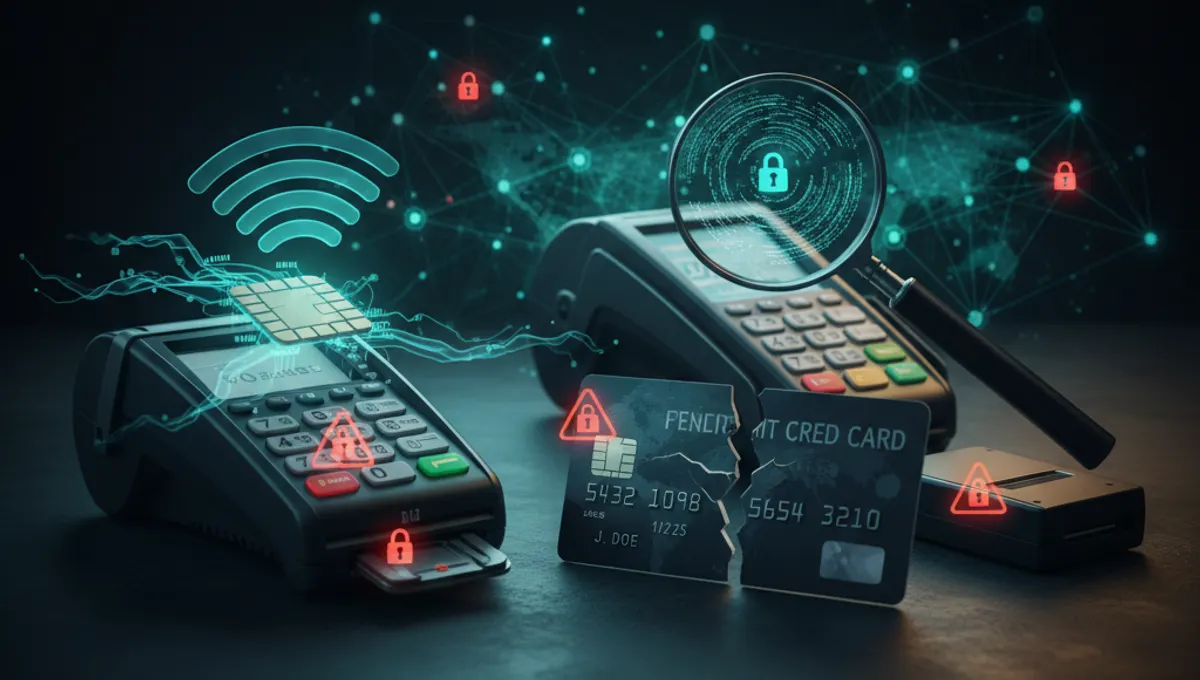
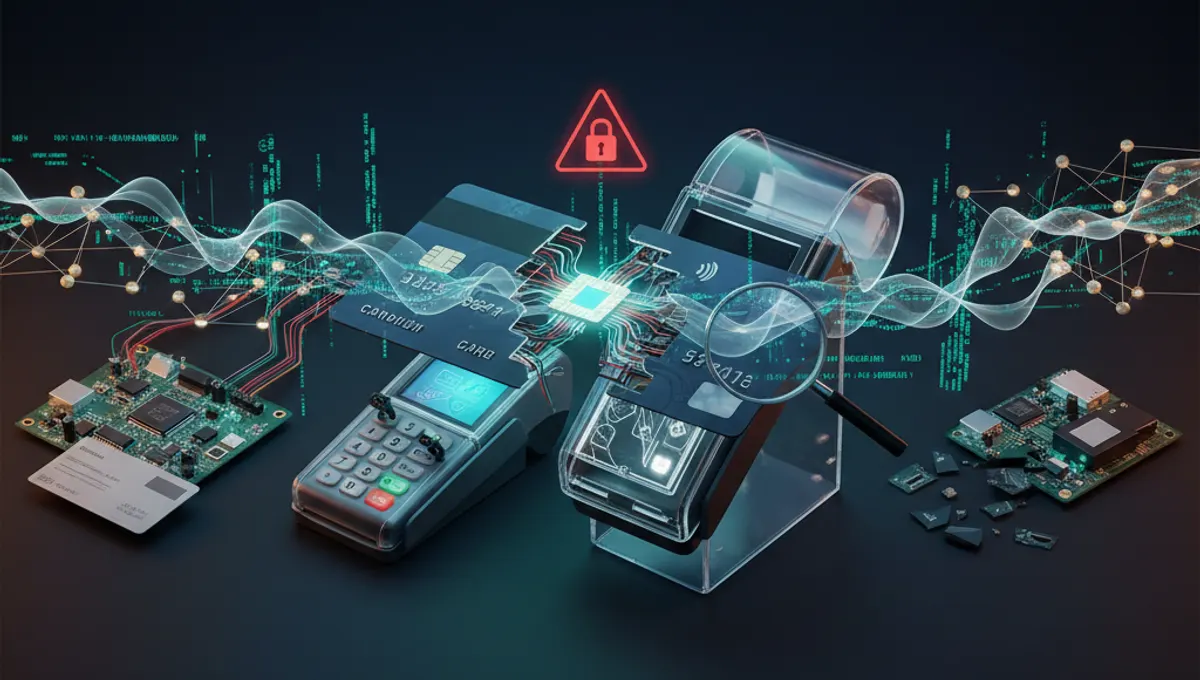
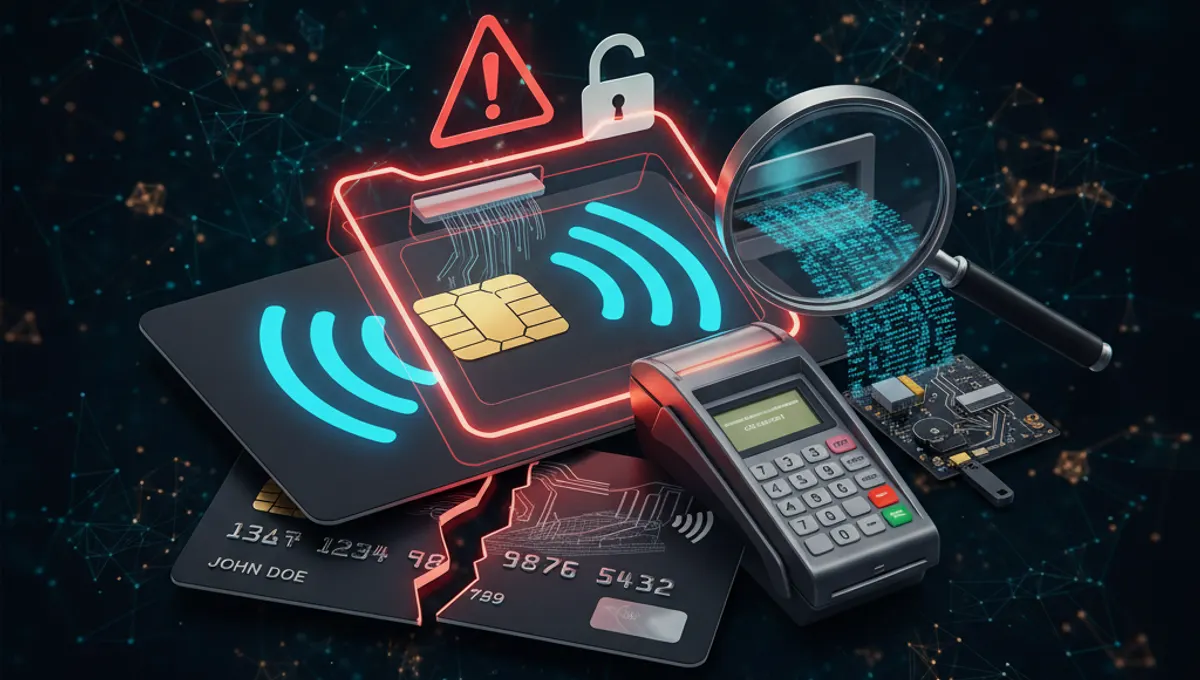
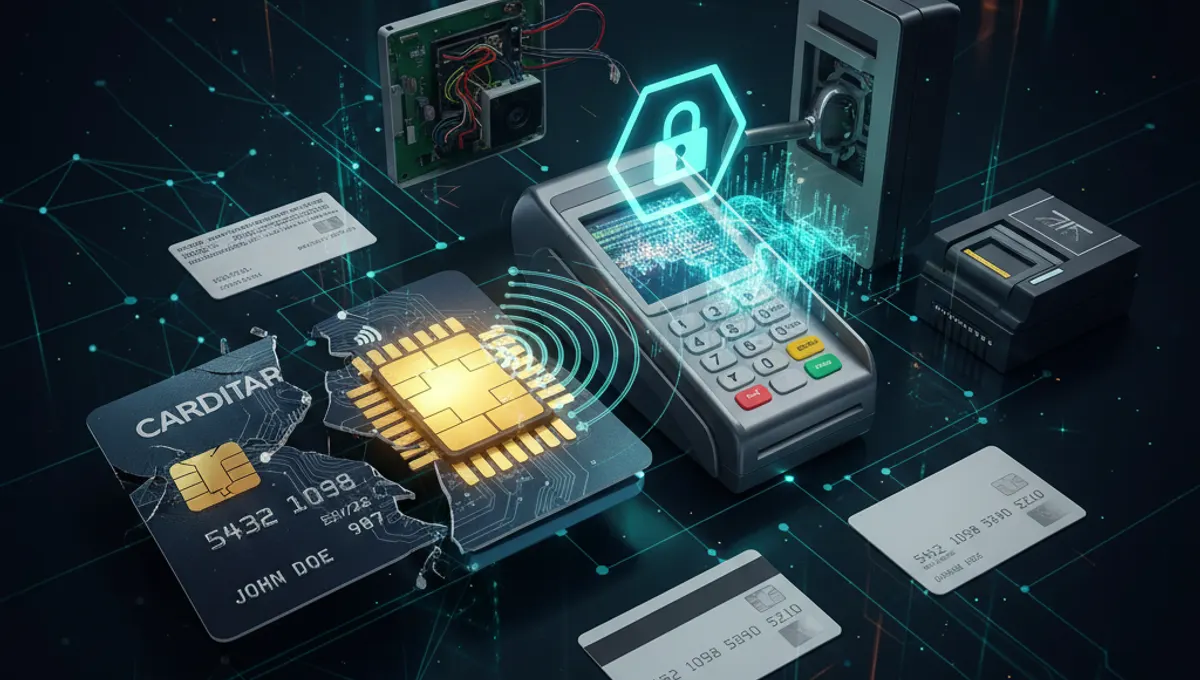
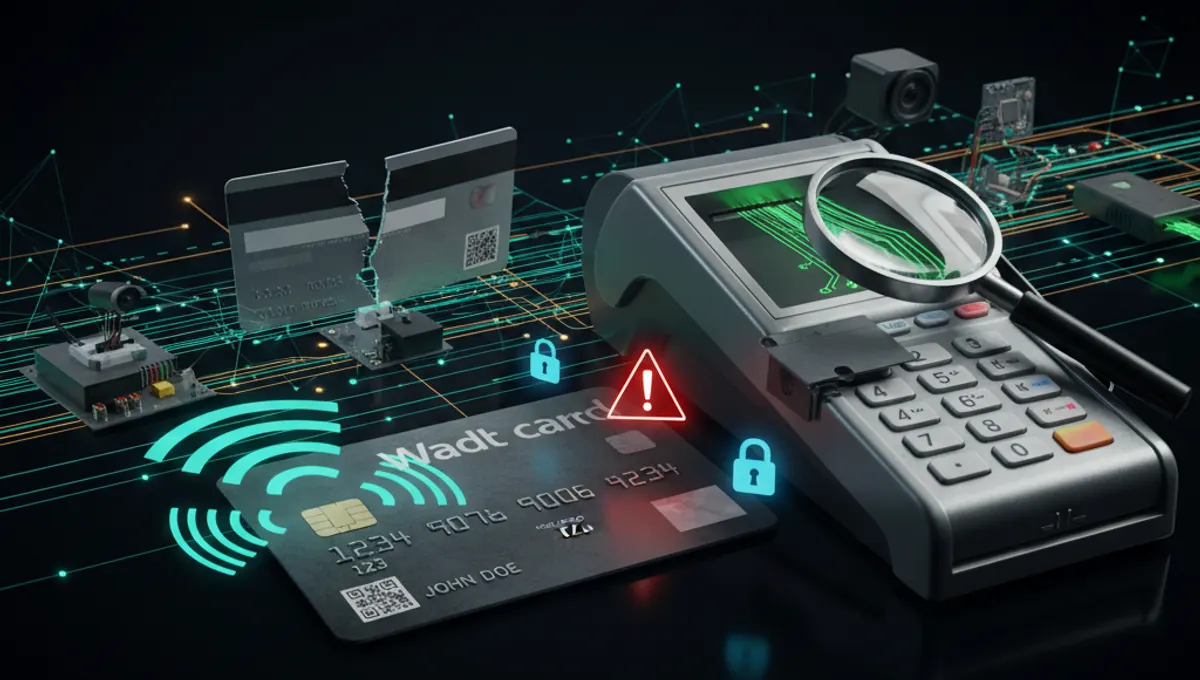
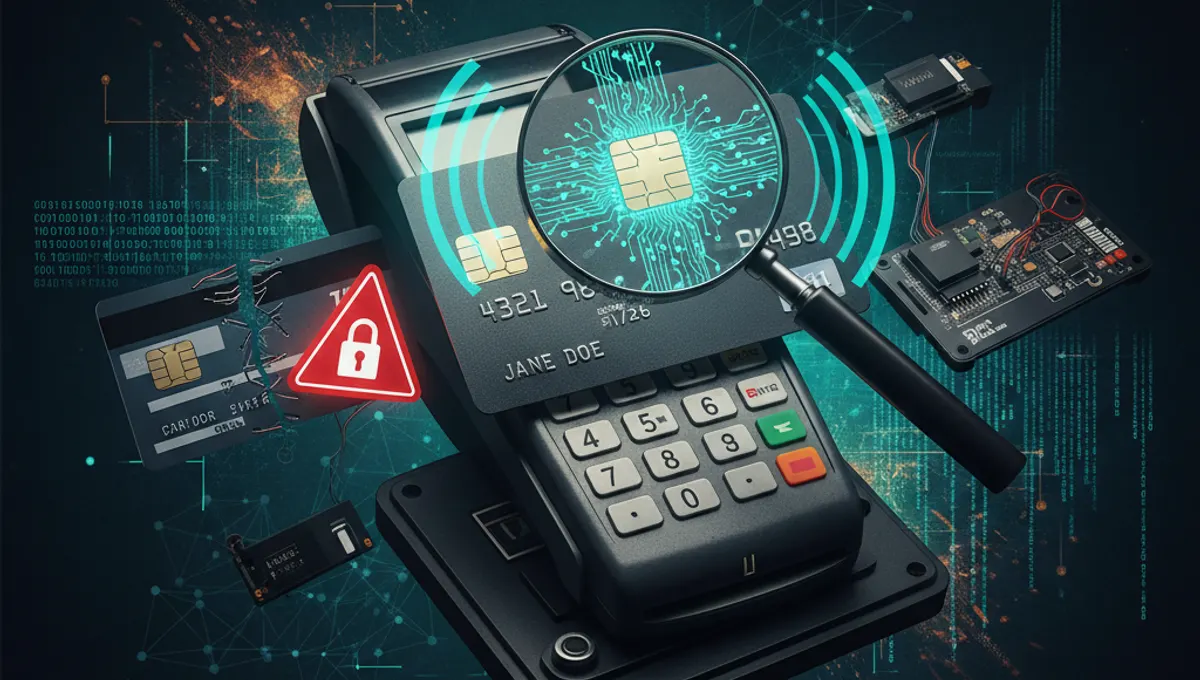
A card skimmer is a device or software tool designed to capture payment card information during a legitimate transaction. Physical skimmers are installed over card slots at ATMs, gas pumps, or retail terminals; they record data as your card passes through. Some skimmers use magnetic stripe readers to capture the track data encoded on the back of your card. Others, called shimming devices, fit inside chip readers and intercept EMV chip data. Card skimmer 711 and convenience store variants target high-traffic locations. A card skimmer chip reader specifically targets EMV-enabled cards. The captured data includes your card number, expiration date, and sometimes the CVV, which criminals later use to create cloned cards or make unauthorized purchases online.
How Cloned Cards Are Created and Sold
Once a skimmer captures your card data, criminals encode that information onto blank cards or existing cards with new magnetic stripes, creating cloned cards. The cloning process involves writing your stolen data onto a card's magnetic stripe using specialized equipment. These cloned cards are then sold on dark web marketplaces, often bundled with spin codes (randomized CVVs) to increase their usability. The dark web ecosystem for cloned card sales operates through dedicated marketplaces and forums where sellers offer batches of cards sorted by card type, issuing bank, and country. Buyers purchase these cards using cryptocurrency to maintain anonymity. The entire transaction chain—from skimming to cloning to sale—typically occurs within days, making detection difficult for cardholders and financial institutions.
How to Spot a Card Skimmer Device
Learning how to spot a card skimmer reduces your risk of becoming a victim. At ATMs, inspect the card slot for loose, misaligned, or protruding parts that don't match the machine's design. Wiggle the card slot gently; legitimate parts should not move. At gas pumps, check that the pump appears intact and the card reader sits flush with the machine. Look for signs of tampering, adhesive residue, or color mismatches. A card skimmer device may feel slightly raised or have visible seams where it was attached. Test the keypad by pressing each button firmly; skimmers sometimes include overlay keypads that feel different from the original. Avoid using card readers that feel loose, damaged, or recently installed. When possible, use ATMs in well-lit, monitored locations such as bank lobbies rather than standalone machines in remote areas.
Protecting Your Card from Skimming Threats
Multiple strategies reduce your exposure to card skimmer scams. Use contactless or tokenized payments whenever available; these methods transmit a one-time token rather than your actual card data, making skimmed data useless. Enable transaction alerts on your bank account so you receive notifications of any charges, allowing you to detect fraud quickly. Consider using virtual card numbers generated by your bank or payment provider for online purchases; these temporary numbers cannot be reused if compromised. Set up account monitoring through your bank's app or website to review transactions regularly. When entering your PIN at ATMs or terminals, shield the keypad with your hand to prevent shoulder surfers or hidden cameras from capturing it. Avoid using debit cards for online purchases when possible; credit cards offer stronger fraud protections. Check your statements monthly for unauthorized charges, no matter how small.
Legal Consequences of Card Skimming and Carding
The legal consequences for possessing, using, or selling cloned cards vary by jurisdiction and the specific charges filed. Possession of cloned cards or skimming devices can result in charges related to fraud, identity theft, or device-based fraud. Use of a cloned card typically triggers fraud charges, which may carry penalties ranging from fines to imprisonment depending on the amount involved and local law. Selling cloned cards on dark web marketplaces exposes individuals to federal charges in many countries, including wire fraud, access device fraud, and conspiracy. Penalties depend on factors such as the number of cards sold, total monetary loss, and criminal history. Jurisdictions handle these offenses differently; some treat them as misdemeanors while others classify them as felonies. Consulting local legal resources or an attorney familiar with your jurisdiction's fraud statutes provides accurate information about specific penalties applicable to your location.
What to Do If Your Card Information Is Compromised
If you detect unauthorized charges or suspect your card data has been compromised, act immediately. Contact your card issuer's fraud department by calling the number on the back of your card or your bank's official website. Report the fraudulent charges and request a new card with a different number. Most card issuers initiate a dispute process for unauthorized transactions; the investigation typically takes 30 to 90 days, though provisional credits often appear within 5 to 10 business days. Document all communications with your bank, including dates, names, and reference numbers. Review your credit reports from the three major bureaus to check for unauthorized accounts opened in your name. Consider placing a fraud alert or credit freeze on your accounts to prevent further misuse. File a report with the Federal Trade Commission at IdentityTheft.gov if identity theft is involved. Monitor your accounts closely for the next 12 months and continue checking statements for any additional suspicious activity.
Dark Web Marketplaces and Cloned Card Sales
Dark web marketplaces operate as platforms where cloned cards are bought and sold using cryptocurrency. These marketplaces function similarly to legitimate e-commerce sites but operate on encrypted networks requiring specific software like Tor to access. Sellers list cloned cards with details such as card type, issuing bank, country of origin, and whether the card includes a PIN or spin code. Buyers browse listings, make purchases using Bitcoin or other cryptocurrencies, and receive card data or physical cards via mail or digital transfer. The anonymity provided by these platforms attracts both sellers and buyers, though law enforcement agencies worldwide actively investigate and shut down these operations. Transactions on dark web marketplaces carry significant legal risks for all parties involved. Users should be aware that accessing these marketplaces and purchasing cloned cards constitutes fraud and identity theft in virtually all jurisdictions, regardless of the technical anonymity provided by Tor or VPN services.
Frequently asked questions
Can a card skimmer steal my PIN?
Some advanced skimmers include hidden cameras or overlay keypads designed to capture your PIN as you enter it. To protect your PIN, shield the keypad with your hand while typing and avoid using ATMs in isolated locations. If you suspect your PIN has been compromised, contact your bank immediately and request a new PIN.
How long does it take for a skimmed card to be used fraudulently?
Criminals typically begin using skimmed card data within hours to days of capture. They test the card with small purchases to verify it works, then make larger fraudulent charges or sell the data on dark web marketplaces. Early detection of unauthorized charges significantly reduces your liability and allows your bank to cancel the card before major fraud occurs.
Are contactless payments safer than chip readers?
Contactless payments using tokenization are generally safer than magnetic stripe or chip readers because they transmit a one-time token rather than your actual card data. Even if a skimmer captures the token, it cannot be reused for future transactions. However, contactless payments still require verification, so always monitor your account for unauthorized charges.
What should I do if I find a skimmer device on an ATM?
Do not attempt to remove the device yourself. Notify the bank or ATM operator immediately by calling the number on the machine or contacting the bank directly. Report the location and describe what you observed. If you used the ATM before discovering the skimmer, contact your bank to monitor your account and consider requesting a new card as a precaution.
Will my bank refund fraudulent charges from a card skimmer scam?
Yes, most banks refund unauthorized charges resulting from card skimming or fraud. The refund process typically begins within 5 to 10 business days as a provisional credit, with a full investigation completed within 30 to 90 days. Contact your bank immediately upon discovering fraud to initiate the dispute process and protect your account.