What Is a Cloned ATM Card and How Is It Created
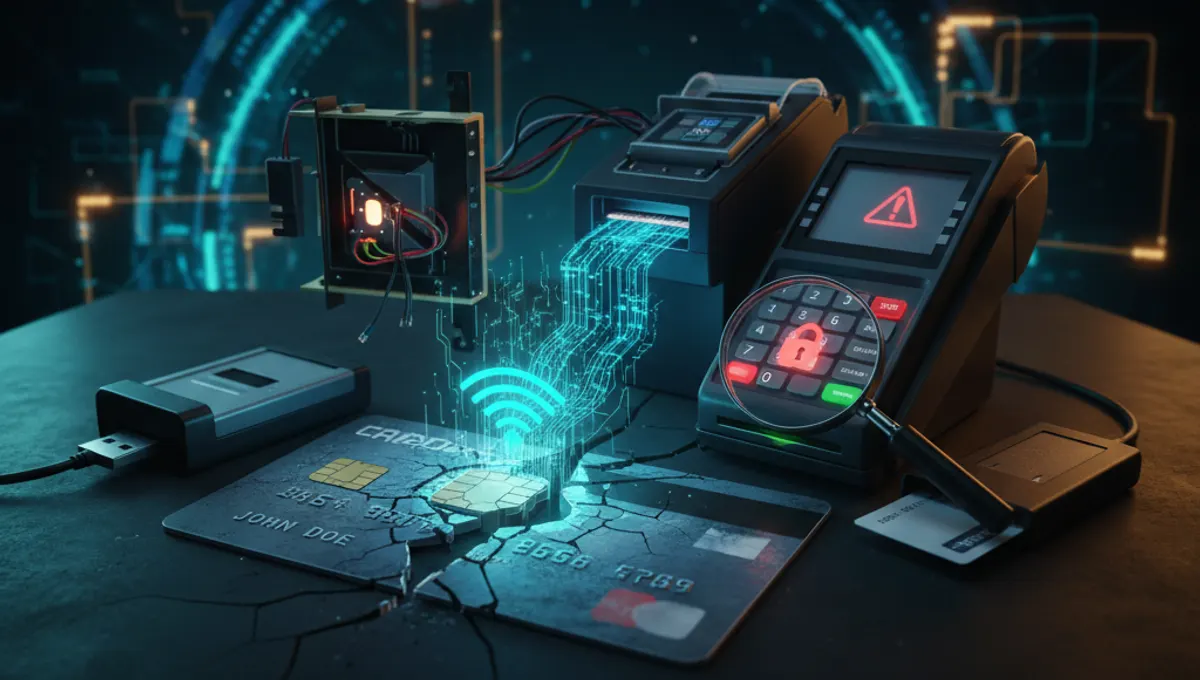
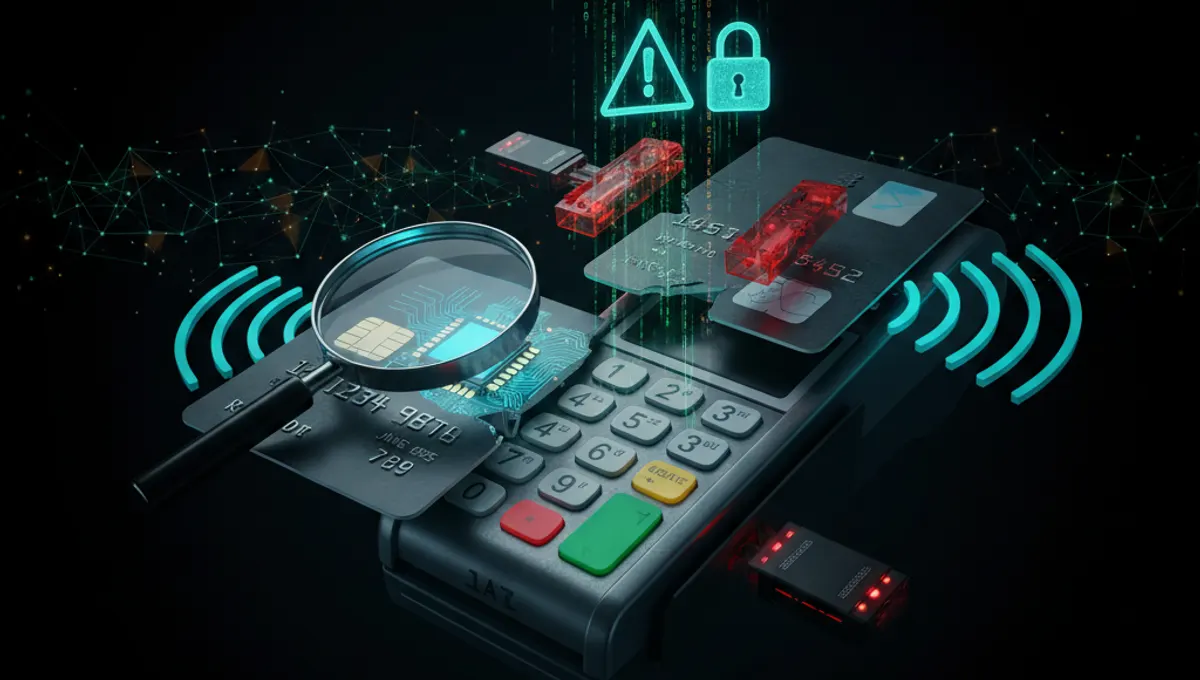
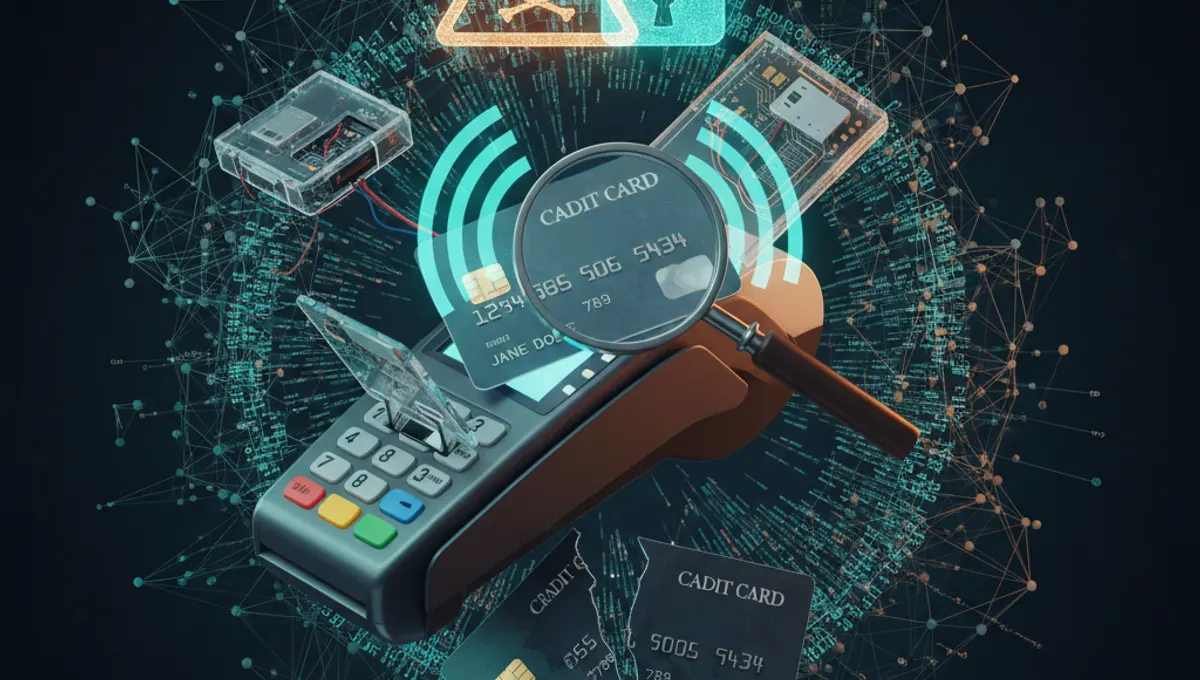
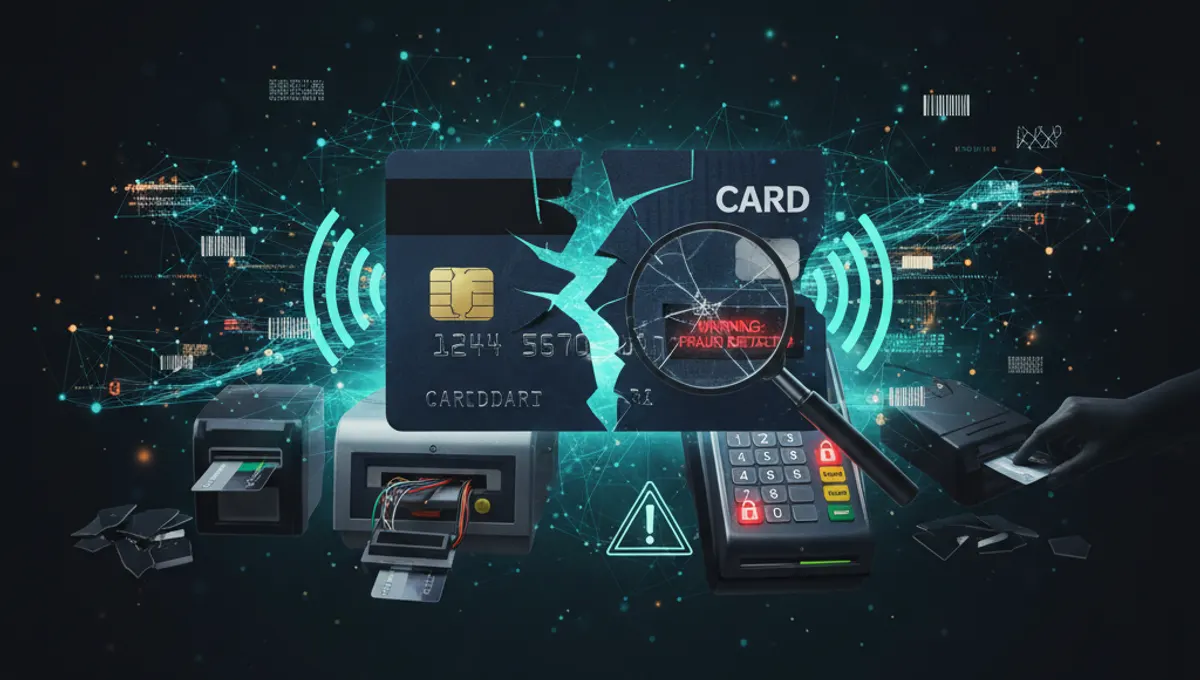
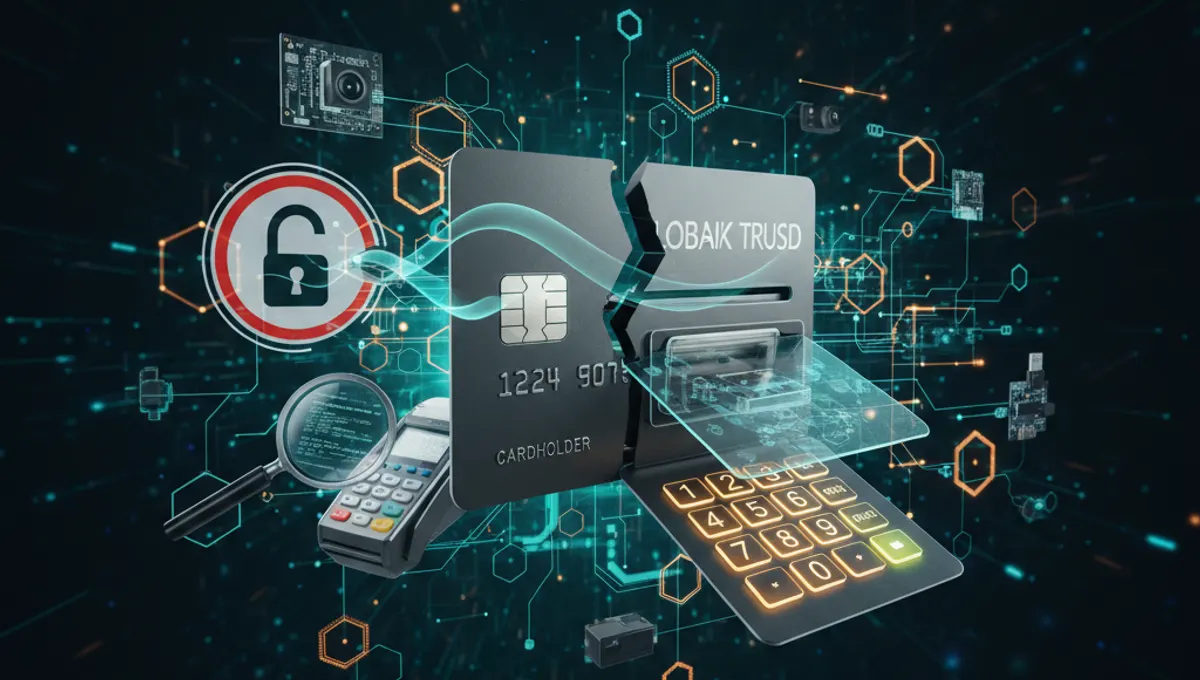
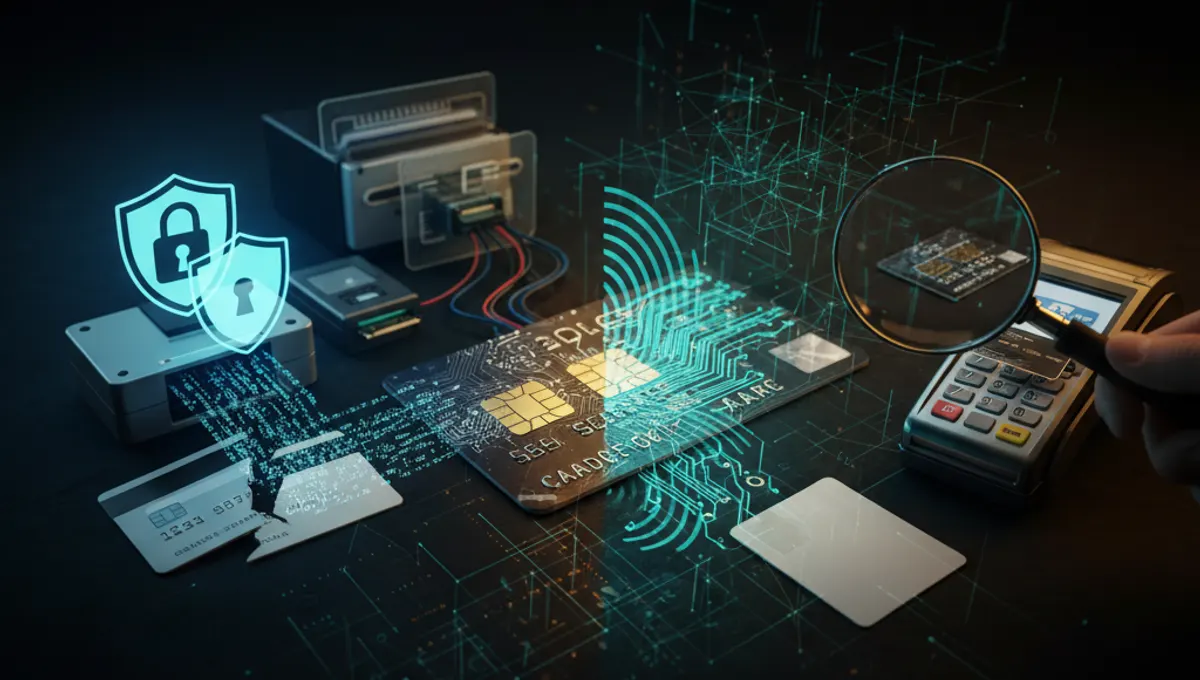
A cloned ATM card is a fraudulent duplicate created by extracting data from the magnetic stripe or EMV chip of a legitimate card. Skimming is the most common method: a device installed on an ATM or gas pump reads card data when you insert or swipe your card. Shimming involves inserting a thin device into the chip reader slot to intercept EMV data. Magnetic stripe cloning captures the track data encoded on the back of older cards. Data can also come from large-scale breaches of payment processors or retailers. Once the data is obtained, criminals encode it onto blank cards or use the information for online fraud. The cloned card functions identically to the original but draws from the victim's account, leaving them liable for unauthorized charges.
How the Cloned Card Sales Ecosystem Operates on the Dark Web
Cloned cards are bought and sold on dark web marketplaces through specialized forums and vendor accounts. Sellers typically organize inventory by card type (Visa, Mastercard, American Express), issuing bank, country of origin, and available balance. Cards are listed with details such as cardholder name, expiration date, CVV, and sometimes a 'freshness' rating indicating how recently the data was captured. Buyers purchase cards using cryptocurrency to maintain anonymity. Prices vary based on card type and balance; premium cards with higher limits command higher prices. The marketplace operates with escrow systems and vendor reputation scores to facilitate transactions. Many sellers offer guarantees or refunds if cards are declined or flagged. This ecosystem thrives because it creates a direct supply chain from skimmers and data brokers to end-users committing fraud.
Legal Consequences of Possessing and Using Cloned Cards
Possession of a cloned card without authorization is illegal in most jurisdictions and typically falls under fraud, identity theft, and access device fraud statutes. Using a cloned card to make purchases constitutes wire fraud and potentially aggravated identity theft. Penalties vary significantly by jurisdiction but generally include criminal charges, fines, and imprisonment. Possession alone may result in misdemeanor charges; actual use or distribution typically escalates to felony charges with longer sentences. Additional charges may apply if the cloned card is used across state or international lines, triggering federal jurisdiction. Conspiracy charges can apply if multiple people are involved in the scheme. Restitution to victims is often required. A criminal record for fraud or identity theft carries collateral consequences including employment difficulties, housing restrictions, and professional licensing issues. Consult local legal resources for specific penalty ranges in your jurisdiction.
How Cloned Card Transactions Occur on Dark Web Marketplaces
Dark web marketplaces facilitate cloned card transactions through structured vendor platforms accessible via Tor browsers. Buyers browse listings, select cards matching their criteria, and complete purchases using cryptocurrency such as Bitcoin or Monero. After payment is confirmed and held in escrow, the seller provides the card details or access credentials. Buyers then test the card through small transactions or ATM withdrawals to verify functionality before making larger purchases. Some marketplaces offer 'drops' where physical cards are mailed to addresses, though this increases law enforcement risk. Vendors maintain anonymity through cryptocurrency mixers and rotating marketplace accounts. Dispute resolution occurs through marketplace moderators if cards are declined or flagged. The entire transaction chain is designed to obscure participant identities and prevent traditional payment tracking. Law enforcement agencies monitor these marketplaces and conduct undercover operations to identify and prosecute participants.
How to Detect Skimmers and Protect Your Card Information
Detecting ATM skimmers involves visual and tactile inspection before using a machine. Examine the card slot, keypad, and surrounding bezel for loose, misaligned, or protruding components that may indicate a shimmer or overlay device. Gently tug on the card slot and keypad to check for attachments. Use ATMs in well-lit, monitored locations such as bank lobbies rather than isolated machines. Enable transaction alerts on your bank account to receive notifications of card use. Use contactless or tokenized payments when available, as they transmit limited data and reduce skimming risk. Consider using virtual card numbers generated by your bank for online purchases. Cover the keypad with your hand when entering your PIN to prevent hidden cameras or shoulder surfers from capturing it. Monitor your bank and credit card statements regularly for unauthorized charges. Request a new card with an updated chip if you suspect compromise.
What to Do If Your Card Has Been Cloned or Compromised
If you discover unauthorized charges or suspect your card has been cloned, contact your bank or card issuer immediately. Most financial institutions have fraud departments available 24/7. Report the specific fraudulent transactions and request a chargeback or dispute. Your bank will typically cancel the compromised card and issue a replacement within 5-10 business days. File a dispute claim for each unauthorized transaction; the bank investigates and generally returns funds within 30-60 days if fraud is confirmed. Request a copy of the fraud report for your records. Place a fraud alert with the three major credit bureaus (Equifax, Experian, TransUnion) to prevent new accounts opened in your name. Consider placing a credit freeze to restrict access to your credit file. File a report with the Federal Trade Commission at IdentityTheft.gov if identity theft is involved. Monitor your credit reports for suspicious activity over the following months. Keep documentation of all communications with your bank and credit bureaus.
Verified Resources for Card Security and Fraud Protection
Official resources for understanding card security and fraud protection include your bank's security center, which provides guidance on detecting skimmers and reporting fraud. The Federal Trade Commission's IdentityTheft.gov website offers comprehensive information on identity theft recovery and credit monitoring. Your country's financial regulatory authority publishes consumer protection guidelines and fraud statistics. Credit bureaus maintain educational resources on credit monitoring and dispute processes. Payment card networks such as Visa and Mastercard publish security standards and best practices for cardholders. Local law enforcement agencies provide community education on fraud prevention. Consumer advocacy organizations publish independent research on emerging fraud trends. Consult these verified sources for current information on card security threats and protective measures specific to your region.
Frequently asked questions
How can I tell if an ATM has a skimming device attached
Inspect the card slot, keypad, and bezel for loose, misaligned, or protruding components. Gently tug on the card slot and keypad to check for attachments. Look for gaps between the machine frame and overlays. Use ATMs in well-lit, monitored locations such as bank lobbies. If something feels unusual or looks out of place, use a different machine and report your concerns to the bank.
What is the difference between a skimmed card and a shimmed card
A skimmed card has its magnetic stripe data captured by a device placed over the card slot. A shimmed card has EMV chip data intercepted by a thin device inserted into the chip reader slot. Skimming targets older magnetic stripe technology; shimming targets newer EMV chips. Both methods result in cloned cards, but shimming is more technically complex and less common than skimming.
How long does it take to get a refund for fraudulent charges
Most banks initiate fraud investigations within 1-2 business days of your report. The investigation typically takes 30-60 days. Provisional refunds are often issued within 5-10 business days while the investigation continues. Final resolution depends on the bank's findings and the complexity of the case. Keep documentation of all communications with your bank to support your dispute.
Can virtual card numbers prevent cloning
Virtual card numbers reduce cloning risk by generating temporary, limited-use card numbers for online transactions. Each virtual number is tied to your real account but expires after a single use or a set time period. This prevents merchants from storing your actual card details, which reduces exposure if their systems are breached. However, virtual cards do not protect against in-person skimming at ATMs or gas pumps.
What should I do if I suspect I purchased a cloned card
Stop using the card immediately and do not attempt further transactions. Contact law enforcement and provide details about where and how you obtained it. Cooperate with investigators. Consult a criminal defense attorney before making statements to authorities. Possession and use of cloned cards carry serious criminal penalties including fraud and identity theft charges. Legal counsel can advise you on your specific situation and jurisdiction.