What Is a Cloned Card and How Are ATM Clones Created
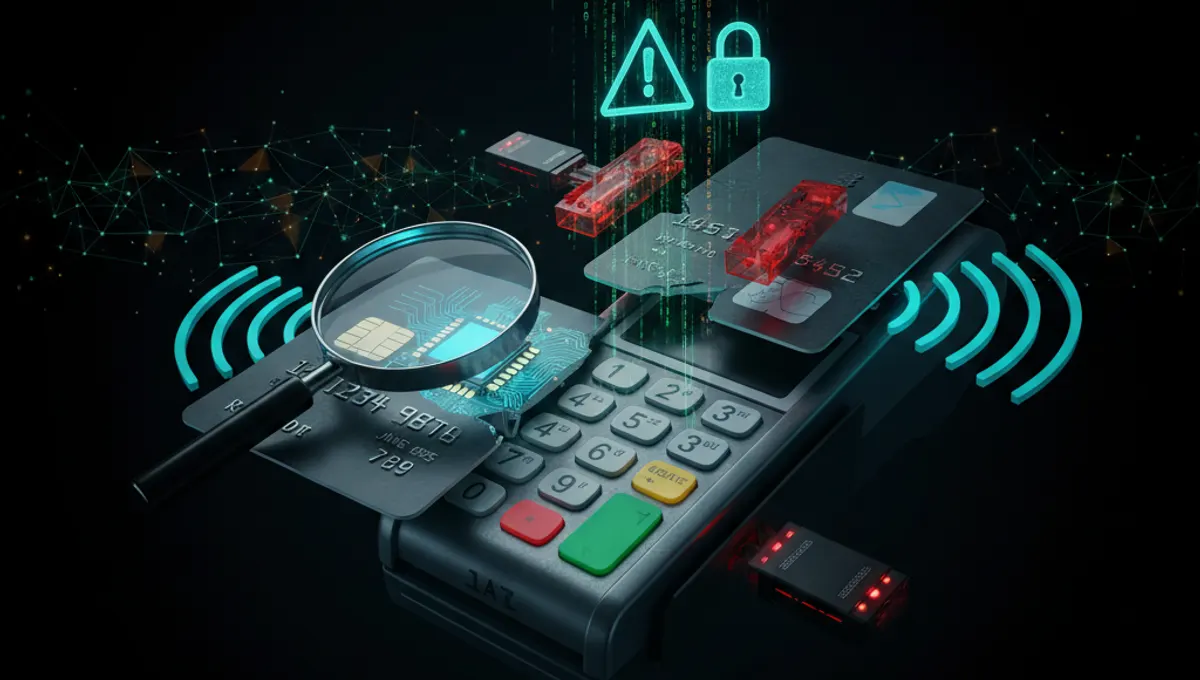
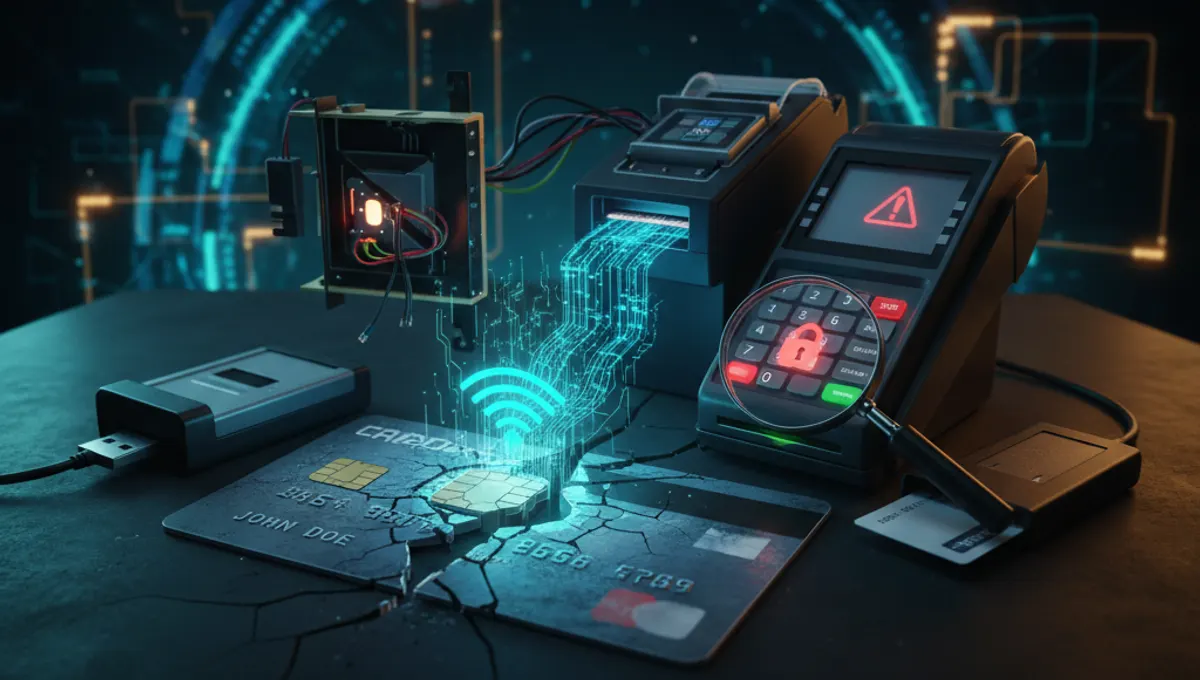
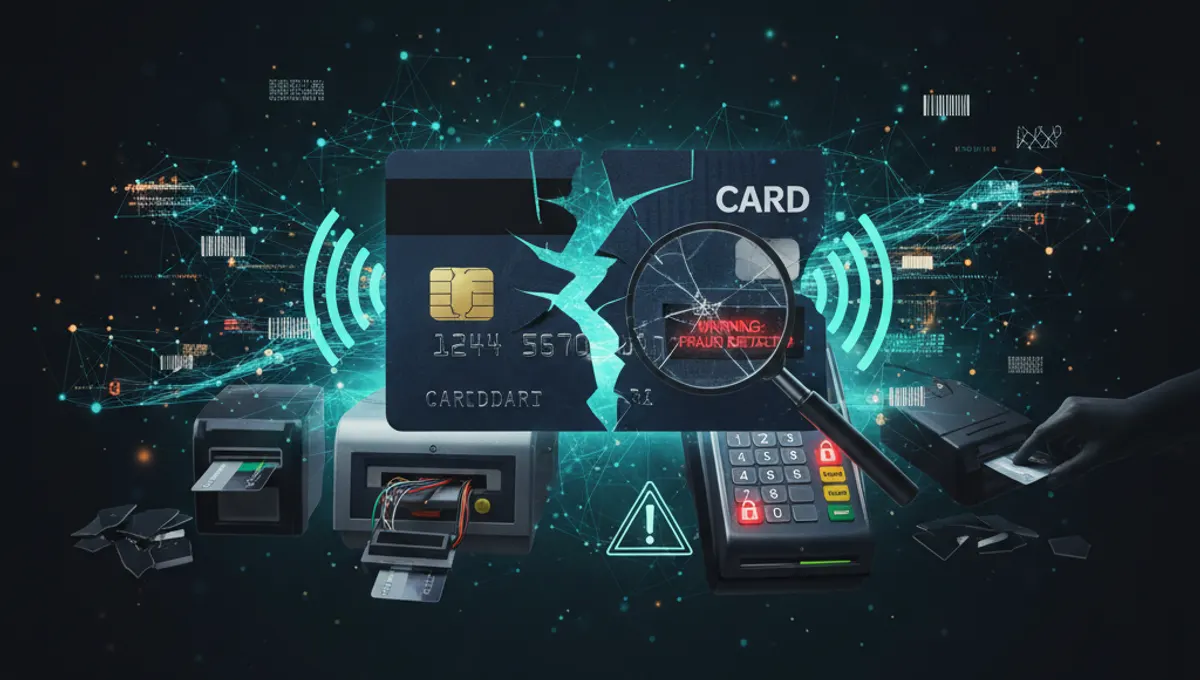
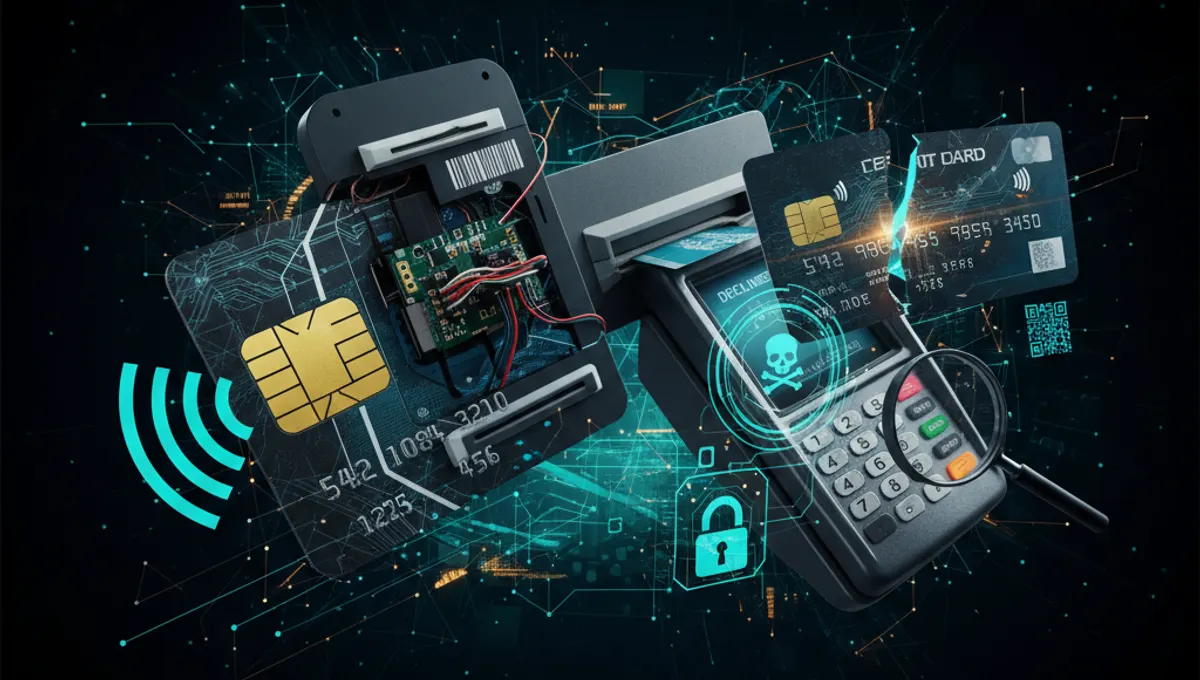
A cloned card is an unauthorized duplicate of a legitimate payment card created by copying the cardholder's data. ATM clone devices capture information in several ways. Skimming involves placing a thin reader over the card slot to record magnetic stripe data as the card passes through. Shimming uses a paper-thin device inserted into the card slot to read EMV chip information. Data breaches at retailers or financial institutions also supply card details to fraudsters. The magnetic stripe contains the cardholder's name, card number, and expiration date, while EMV chips store encrypted transaction data. Once criminals obtain this information, they encode it onto blank cards using specialized equipment, creating clones that function like the original card at point-of-sale terminals and ATMs until the legitimate cardholder or issuer detects the fraud.
How the Cloned Card Sales Ecosystem Operates on the Dark Web
Cloned cards are bought and sold on dark web marketplaces through a structured underground economy. Vendors acquire card data through skimming operations, data breaches, or purchasing from other criminals. They then produce clone cards with magnetic stripe or EMV chip data and list them for sale on specialized forums and marketplaces. Buyers typically pay in cryptocurrency to maintain anonymity. Sellers often provide card details including the cardholder's name, card number, expiration date, and CVV. Some vendors offer guarantees or refunds if cards are declined, creating a pseudo-legitimate transaction structure within illegal channels. The marketplace operates similarly to legitimate e-commerce platforms, with vendor ratings, customer reviews, and dispute resolution mechanisms. This ecosystem thrives because the barrier to entry is low for criminals with basic technical knowledge, and the profit margins are substantial relative to the risk of detection.
Legal Consequences of Card Cloning, Possession, and Fraud
The legal consequences for involvement in card cloning vary significantly by jurisdiction but generally fall into several categories. Possession of a cloned card or ATM clone device is typically prosecuted as fraud, identity theft, or device-based fraud. Using a cloned card constitutes wire fraud and access device fraud under many legal systems. Selling cloned cards can result in charges related to conspiracy, money laundering, and trafficking in stolen financial information. Penalties depend on factors including the number of cards involved, the total value of fraudulent transactions, prior criminal history, and whether the offense involved organized crime. Jurisdictions impose different sentencing ranges, from misdemeanor charges with fines and probation to felony convictions carrying years of imprisonment. Identity theft charges often carry separate penalties. Restitution to victims is frequently required. International prosecution is possible if the scheme crosses borders or involves multiple countries. Consult local legal resources for jurisdiction-specific penalty information.
How Cloned Cards Are Bought and Sold with Spin Codes
Dark web marketplaces facilitate cloned card sales using encrypted communication and cryptocurrency transactions. Vendors list cards with detailed specifications including the cardholder's name, card number, expiration date, CVV, and sometimes additional data like the cardholder's address or phone number. Spin codes or batch identifiers help organize inventory and allow buyers to specify card types, issuing banks, or geographic origin. Transactions occur through marketplace escrow systems where cryptocurrency is held until the buyer confirms receipt and card validity. Buyers test cards at ATMs or point-of-sale terminals before completing payment. Vendors may offer tiered pricing based on card type, balance, or verification status. Some marketplaces provide customer support channels for disputes or refunds if cards are blocked or declined. The entire transaction chain is designed to minimize law enforcement detection through anonymization layers, cryptocurrency mixing, and distributed hosting. However, law enforcement agencies actively monitor these marketplaces and have successfully prosecuted major vendors and buyers.
How to Detect ATM Skimmers and Protect Your Card
Detecting ATM clone devices requires visual inspection and awareness of common skimming tactics. Examine the card slot for loose, bulky, or misaligned components that differ from the machine's normal appearance. Check the keypad for overlays or raised buttons that don't align with the machine's design. Wiggle the card slot cover gently to test for removable parts. Use ATMs in well-lit, monitored locations such as bank lobbies rather than standalone machines in remote areas. Cover the keypad with your hand while entering your PIN to prevent hidden cameras from capturing it. Enable transaction alerts through your bank's mobile app to receive real-time notifications of card activity. Use contactless or tokenized payments when available, as these methods don't transmit full card data. Consider using virtual card numbers generated by your bank for online purchases. Block your card immediately if you notice suspicious activity. Request a replacement card with a new number and monitor your account statements regularly for unauthorized transactions.
What to Do If Your Card Information Is Compromised
If you suspect your card has been cloned or used fraudulently, act immediately to minimize damage. Contact your bank or card issuer by phone using the number on your statement or official website, not numbers from emails or texts. Report all unauthorized transactions and request that your card be blocked. File a dispute for each fraudulent charge; most issuers have dispute windows ranging from 60 to 120 days depending on jurisdiction and card type. Request a replacement card with a new number. Check your credit report through official channels for signs of identity theft or unauthorized accounts opened in your name. Place a fraud alert with credit bureaus if identity theft is suspected. Document all communications with your bank, including dates, times, and names of representatives. Refund timelines vary by issuer and jurisdiction but typically range from 5 to 30 business days for provisional credits, with full resolution within 60 to 90 days. File a report with local law enforcement if the fraud involves significant amounts or organized crime. Monitor your account closely for 12 months after the incident.
Frequently Asked Questions About ATM Clones and Card Security
This section addresses common questions about ATM clones, card cloning, and protective measures to help you understand the risks and safeguard your financial information.
Frequently asked questions
What is the difference between an ATM clone device and a card skimmer?
An ATM clone device is hardware placed on or inside an ATM to capture card data, while a card skimmer is a broader category that includes overlay readers, shimming devices, and magnetic stripe readers. Both serve the same purpose of extracting card information, but skimmers may be used at gas pumps, retail terminals, or other payment points. ATM clone machines specifically target automated teller machines.
Can cloned cards be used at any ATM or only specific ones?
Cloned cards can typically be used at any ATM that accepts the card type, though success depends on whether the clone contains valid data and the card hasn't been reported stolen. Older ATMs that rely solely on magnetic stripe readers are more vulnerable to cloned cards. Newer machines with EMV chip readers provide better protection, though shimming can still compromise them. Geographic and network restrictions may also apply.
How long does it take for fraudulent charges to appear on a statement?
Fraudulent charges can appear within hours or days of the unauthorized transaction, depending on the merchant and your bank's processing speed. Real-time transaction alerts through mobile apps often notify you immediately. However, some fraudulent charges may take several days to post to your account. Regularly monitoring your account through online banking or mobile apps helps you detect fraud quickly.
Are virtual cards and tokenized payments completely safe from cloning?
Virtual cards and tokenized payments significantly reduce cloning risk because they don't transmit your actual card number to merchants. Instead, a unique token or temporary number is generated for each transaction. However, no payment method is completely immune to fraud. If your account credentials are compromised through phishing or malware, fraudsters could still access your payment methods. Use these tools as part of a layered security approach.
What should I do if I find a suspicious device on an ATM?
Do not attempt to remove or tamper with the device. Immediately stop using the ATM and report it to the bank that operates the machine. Call the bank's customer service line or visit a branch in person. Provide a detailed description of the device, its location, and the date and time you discovered it. Take photos if safe to do so. Alert other customers nearby. Law enforcement may investigate if the device is confirmed to be a skimming or cloning device.