What Is a Credit Card Skimmer and How Does It Capture Data
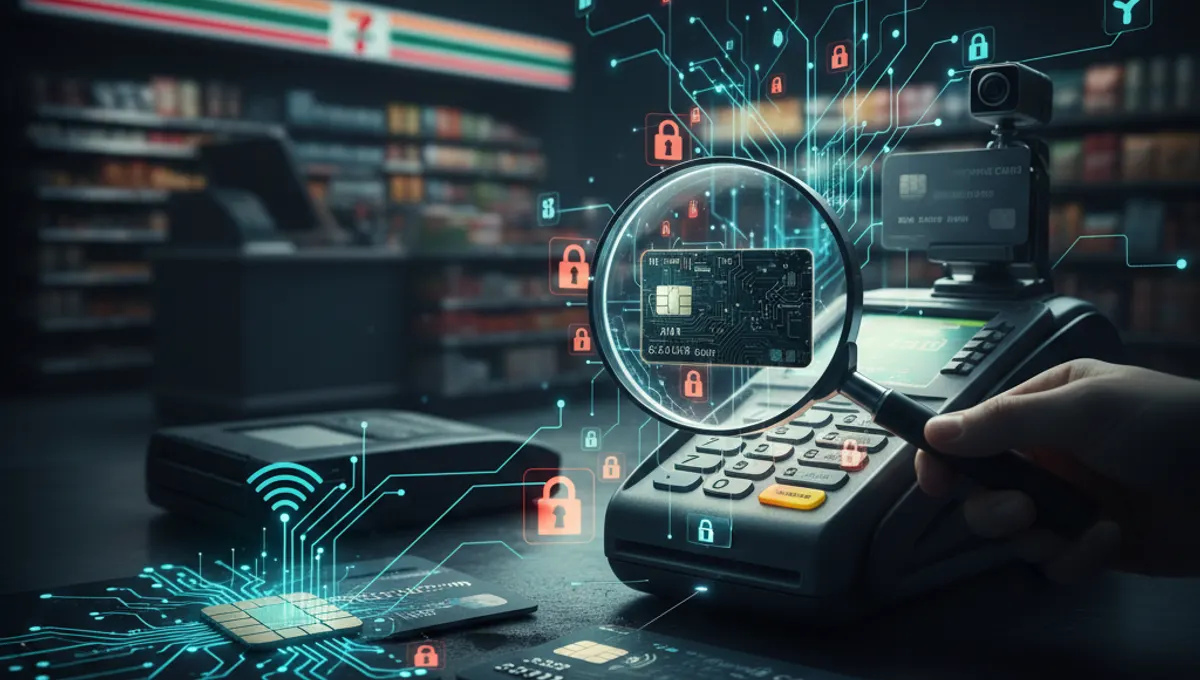
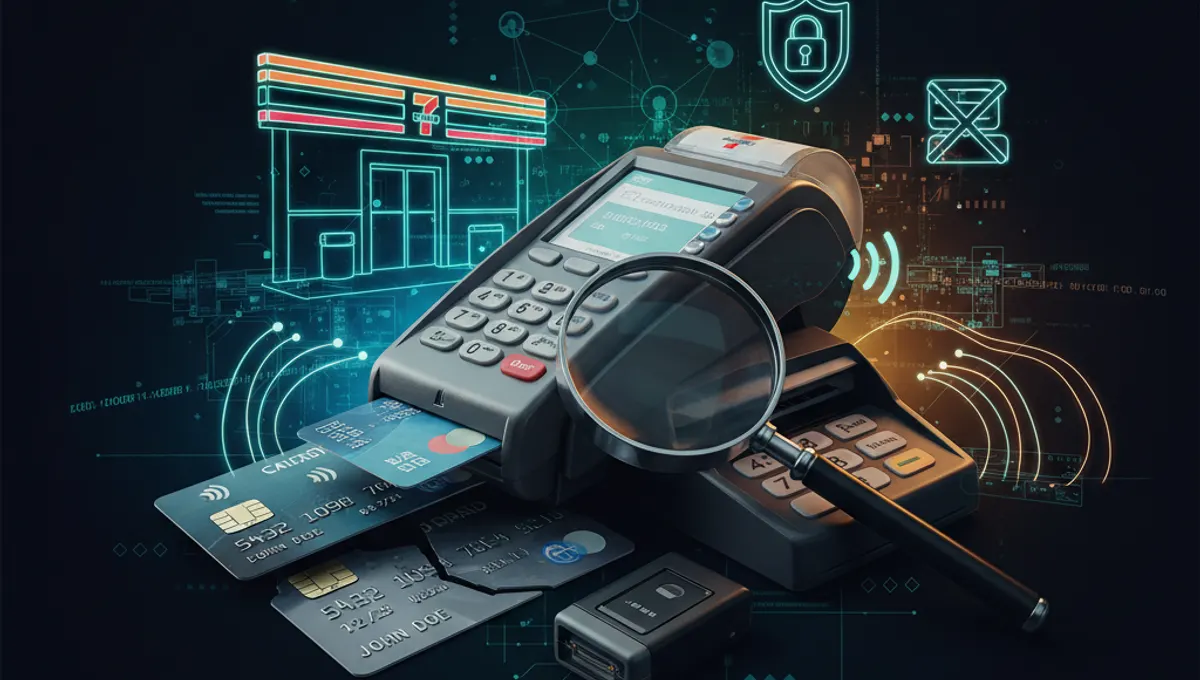
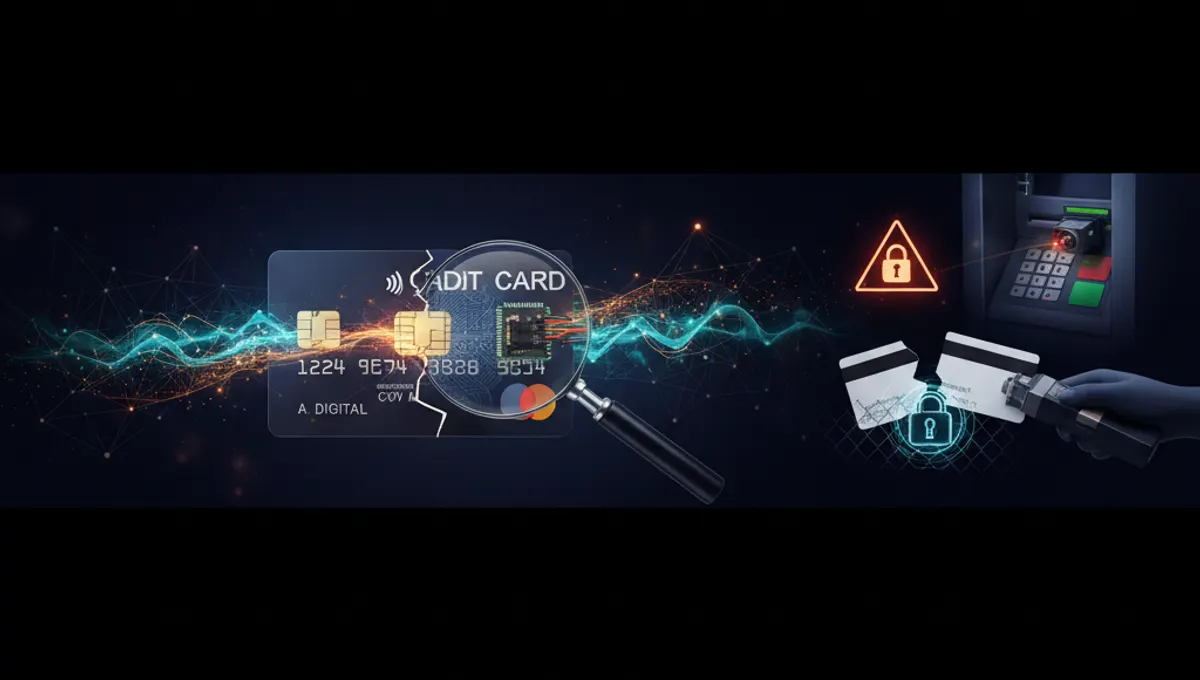
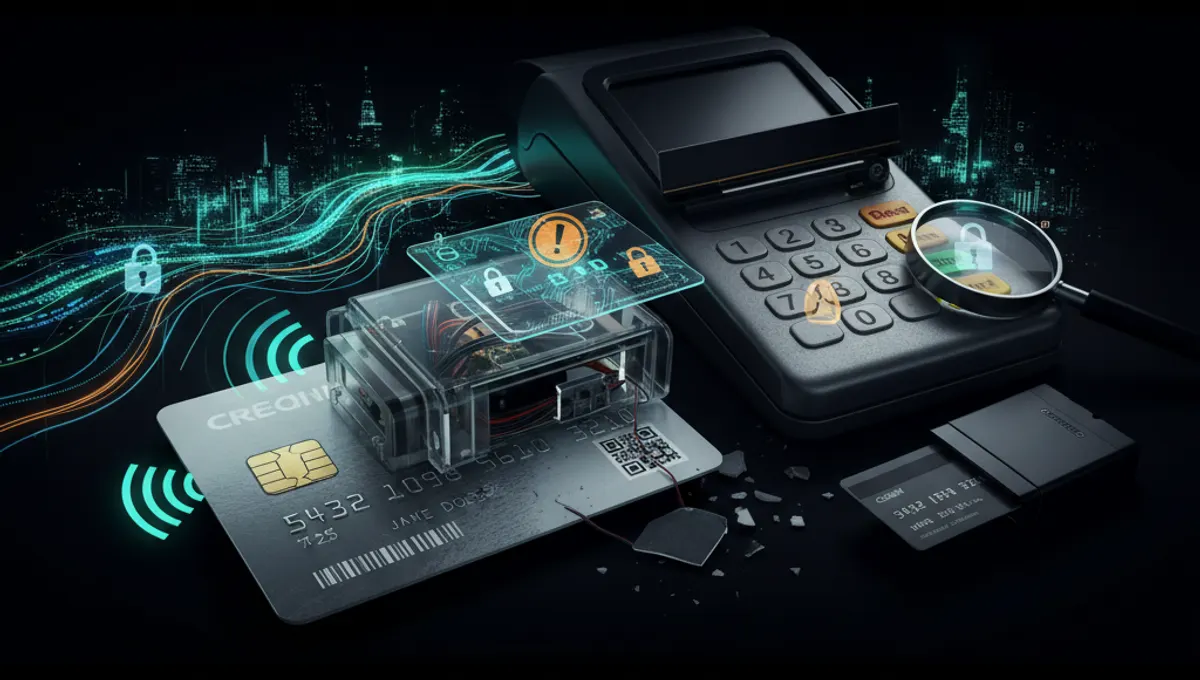
A credit card skimmer is a physical device or software overlay that reads and stores card information during a legitimate transaction. At 7-11 locations, skimmers are typically attached to the external card reader on the pump, the ATM slot, or the point-of-sale terminal. When you insert or swipe your card, the skimmer captures the magnetic stripe data or EMV chip information. Some skimmers also include a hidden camera or keypad overlay to record your PIN. The captured data is later retrieved by the criminal or transmitted wirelessly to a nearby receiver. Unlike chip-based transactions which are harder to clone, magnetic stripe data remains vulnerable because it contains static information that doesn't change with each transaction.
Skimming vs. Shimming: What's the Difference
Skimming involves attaching a device over the card slot, while shimming places a thin device inside the slot itself. A shimmer is a thin piece of hardware inserted into the card reader that captures chip data as your card passes through. Shimming is harder to detect because it sits flush inside the reader and leaves no visible external signs. At 7-11 ATMs and fuel pumps, both methods are used depending on the terminal design. Skimmers are more common on older machines with external card slots, while shimmers target newer EMV-equipped terminals. Both methods work because they intercept data before it reaches the legitimate payment processor. Understanding this distinction helps you know what to look for when inspecting a terminal before use.
Where Skimmers Are Typically Found at 7-11 Locations
Credit card skimmers at 7-11 stores are most commonly found on self-service fuel pumps, ATM machines, and indoor point-of-sale terminals. Fuel pumps are prime targets because they're outdoors, less monitored, and customers often leave them unattended. ATMs inside or outside 7-11 locations are also frequently compromised because they process high-value transactions. Indoor checkout terminals are less common targets but still vulnerable, especially during busy hours when staff attention is divided. Criminals prefer locations with older equipment that lacks advanced security features. They also target 7-11 stores in less affluent areas where terminal maintenance may be less frequent. Checking the card reader before inserting your card at any of these locations is essential protective behavior.
How to Detect a Credit Card Skimmer at 7-11
Before using any card reader at 7-11, inspect the device for physical signs of tampering. Gently tug on the card slot, bezel, or any protruding parts to see if they move or feel loose. Legitimate card readers are firmly attached and don't wiggle. Look for mismatched colors, seams, or overlays that appear glued or taped on. Check for small holes that could hide a camera. Feel for any unusual bumps or thickness around the reader. At fuel pumps, verify that the pump display and keypad match the others at that station. If a reader looks suspicious, use a different pump or location. Many 7-11 locations now use contactless payment options like Apple Pay or Google Pay, which bypass the card reader entirely and are significantly safer. Report any suspicious devices to store staff immediately.
The Dark Web Market for Cloned Cards and Stolen Data
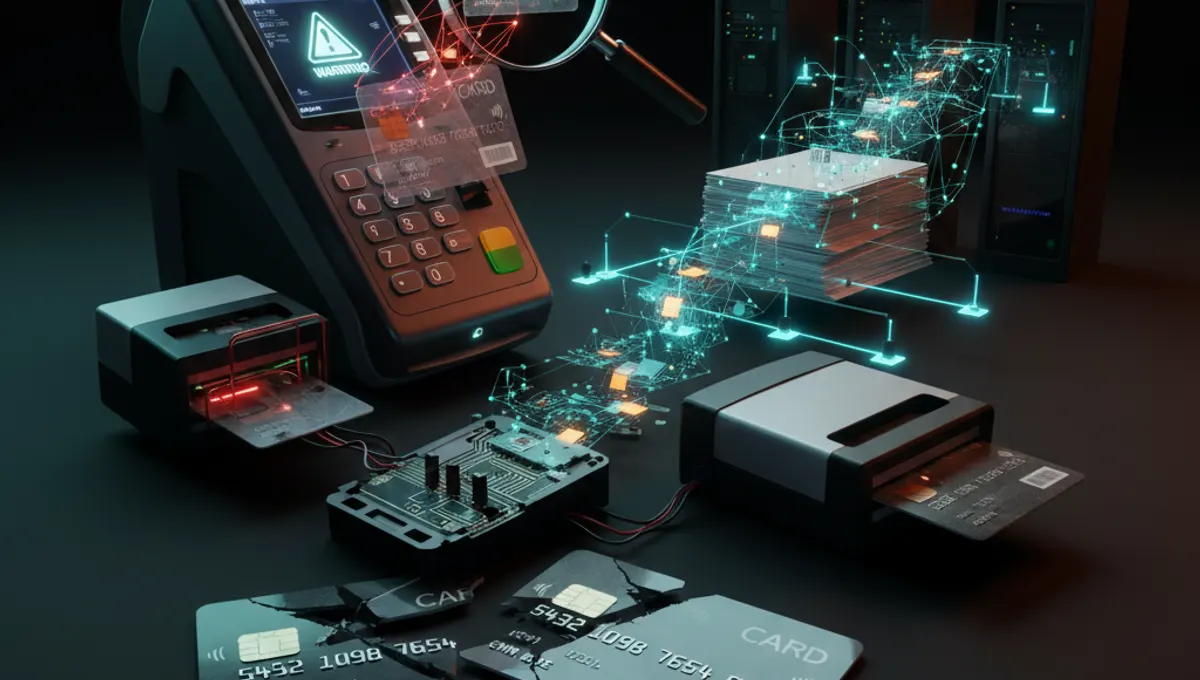
Stolen card data captured by skimmers at 7-11 and other locations is sold on dark web marketplaces where criminals buy and sell cloned cards and card information. These marketplaces operate as forums or shops where vendors list cards with full details including cardholder name, expiration date, and CVV. Buyers purchase this data to create physical cloned cards or to conduct online fraud. The pricing varies based on card type, available data, and the vendor's reputation. Cloned cards with chip data are more expensive than magnetic stripe data because they're harder to produce. Transactions on these marketplaces typically occur using cryptocurrency to maintain anonymity. Law enforcement agencies worldwide actively monitor these platforms, and purchasing or selling stolen card data is illegal in virtually all jurisdictions. The ecosystem thrives because of the volume of data captured through skimmers and data breaches, making prevention at the point of use critical.
Legal Consequences of Possessing or Using Cloned Cards
Possessing, creating, or using a cloned card constitutes fraud and identity theft in most jurisdictions. Specific charges typically fall into categories including wire fraud, access device fraud, and identity theft. Penalties vary significantly by jurisdiction and the severity of the offense. In the United States, federal charges for fraud can result in prison sentences ranging from several years to decades, depending on the amount involved and number of victims. State laws add additional penalties. Using a cloned card at a 7-11 or any retailer creates a documented transaction trail that law enforcement can trace. Even purchasing cloned cards from dark web marketplaces is illegal and constitutes conspiracy to commit fraud. Conviction results in criminal records that affect employment, housing, and financial opportunities. Restitution to victims is typically ordered. The legal system treats card fraud seriously because it directly harms individual victims and undermines financial system integrity. Consult local legal resources for jurisdiction-specific penalty information.
What to Do If Your Card Is Compromised or Fraudulent Charges Appear
If you notice unauthorized charges on your card or suspect your data was captured by a skimmer, contact your card issuer immediately. Most banks have 24/7 fraud hotlines. Report the specific fraudulent transactions and request that your card be cancelled and replaced. Your issuer will typically issue a new card within 7-10 business days. File a dispute for each fraudulent charge; most card issuers reverse unauthorized transactions within 30-60 days while investigating. Request a new card number rather than a replacement for the same number. Monitor your credit report for signs of identity theft by checking with the three major credit bureaus. Place a fraud alert on your credit file to prevent criminals from opening new accounts in your name. If the fraud is extensive, consider filing a report with the Federal Trade Commission and your local police department. Keep documentation of all communications with your bank and the timeline of fraudulent activity. Check your statements regularly for at least six months following the incident.
Best Practices for Protecting Your Card at 7-11 and Other Retailers
Use contactless payment methods like Apple Pay, Google Pay, or Samsung Pay whenever possible, as these tokenized payments don't expose your actual card number. If you must use a physical card, use chip readers instead of magnetic stripe swipes when available, as chip transactions are encrypted. Cover the keypad with your hand when entering your PIN to prevent hidden cameras from recording it. Monitor your bank and credit card statements weekly rather than monthly to catch fraud quickly. Set up transaction alerts with your card issuer to receive notifications for purchases above a certain amount. Consider using virtual card numbers generated by your bank for online purchases, which limits exposure if the number is compromised. Avoid using ATMs in isolated or poorly lit areas. Keep your card in sight during transactions. Use only ATMs at established financial institutions when possible. Regularly review your credit report for unauthorized accounts. Rotate which payment method you use to limit the impact if one is compromised.
Frequently asked questions
How can I tell if a 7-11 card reader has a skimmer attached
Inspect the card slot for loose parts, mismatched colors, or overlays. Gently tug on the reader to check if it's firmly attached. Look for small holes that could hide cameras. Check that the reader matches others at that location. If anything feels suspicious, use a different terminal or payment method. Contactless payments bypass card readers entirely and are safer.
What happens if my card data is stolen by a skimmer
Contact your card issuer immediately to report unauthorized charges. Your bank will cancel the card and issue a replacement within 7-10 days. File disputes for fraudulent transactions, which are typically reversed within 30-60 days. Monitor your credit report for identity theft. Place a fraud alert with credit bureaus. Keep documentation of all communications with your bank and file a report with the FTC if needed.
Are cloned cards sold on the dark web
Yes, stolen card data and cloned cards are actively bought and sold on dark web marketplaces. Vendors list full card details and buyers use cryptocurrency for transactions. Purchasing or selling cloned cards is illegal and constitutes fraud and identity theft. Law enforcement agencies monitor these platforms. Prices vary based on card type and data completeness.
What are the legal penalties for using a cloned card
Using a cloned card constitutes fraud and identity theft. Charges typically include wire fraud and access device fraud. Penalties vary by jurisdiction but can include prison sentences, fines, and restitution to victims. Federal charges can result in years of imprisonment. Conviction creates a criminal record affecting employment and housing. Consult local legal resources for specific jurisdiction penalties.
Is contactless payment safer than swiping or inserting a card
Yes, contactless payments like Apple Pay and Google Pay are significantly safer because they use tokenization, which doesn't expose your actual card number. The payment terminal receives a unique token instead of your card data. This prevents skimmers from capturing your full card information. Chip readers are the next safest option, followed by magnetic stripe swipes, which are most vulnerable to skimming.