What Is a Card Skimmer and How Does It Work at Walmart
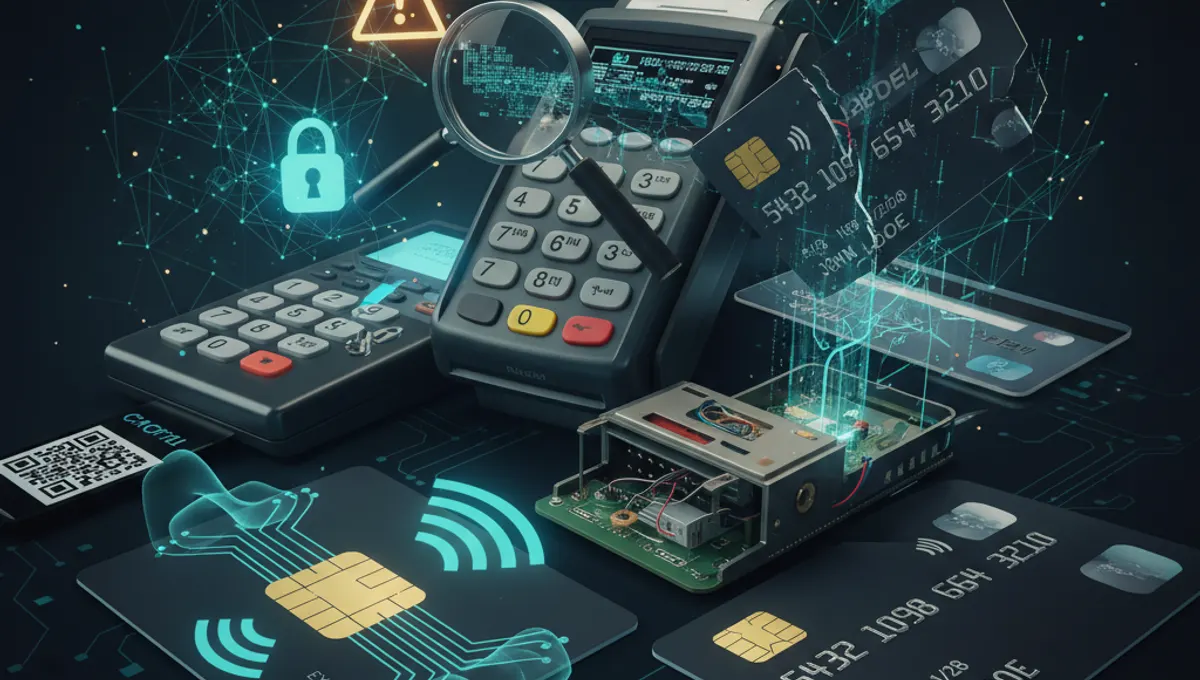
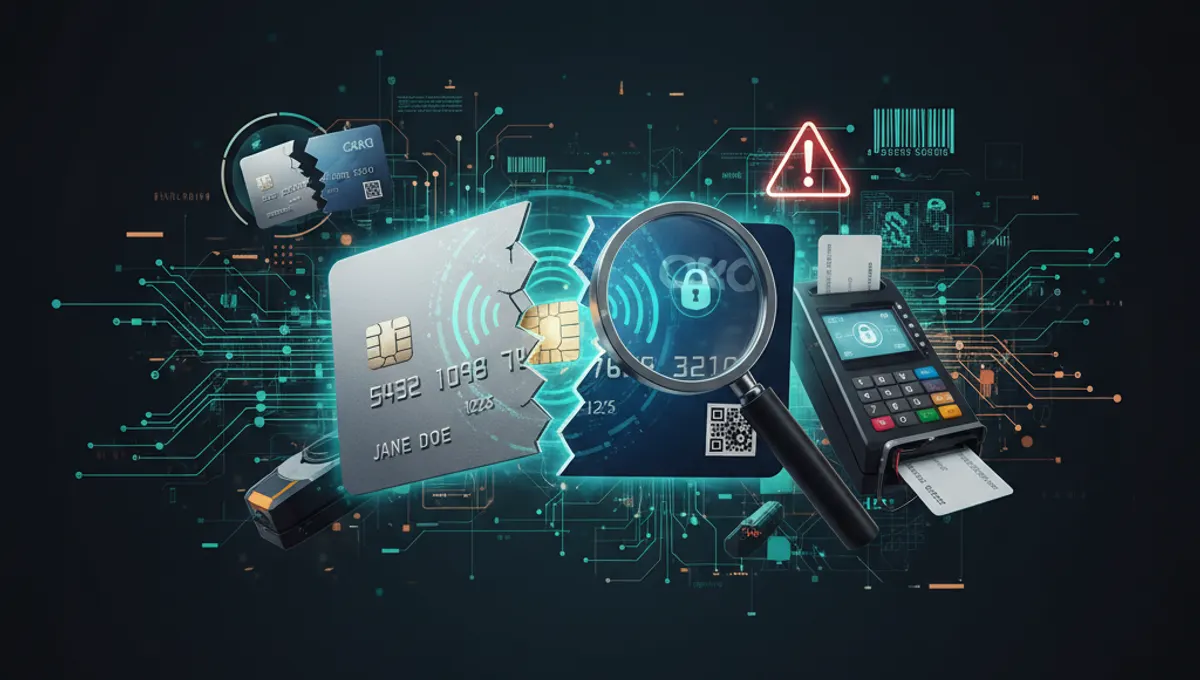
A card skimmer is a physical or wireless device that intercepts payment card information during a transaction. At Walmart, skimmers are typically installed on self-checkout terminals, card readers at checkout lanes, or payment kiosks. They capture data from the magnetic stripe on the back of your card or, in some cases, intercept wireless signals from contactless payments. The captured data includes your card number, expiration date, and sometimes the CVV. Shimming, a related technique, involves inserting a thin device into the chip reader slot itself. Unlike older skimming methods, modern devices can operate wirelessly, transmitting stolen data to criminals in real time without requiring physical retrieval of the device.
Magnetic Stripe vs. EMV Chip: Which Is More Vulnerable
Magnetic stripe cards remain vulnerable to skimming because the data is static and easily replicated. When a skimmer reads your magnetic stripe, all the information needed to create a clone card is captured in seconds. EMV chip technology, by contrast, generates a unique transaction code for each purchase, making it harder to clone. However, chip readers can still be compromised through shimming, where a thin device sits inside the slot and reads data as your chip card is inserted. Many Walmart terminals still support magnetic stripe fallback, meaning if the chip reader fails or is blocked by a shim, the terminal will accept the magnetic stripe instead. This creates a security gap that criminals exploit. Contactless payments and tokenized transactions offer additional protection because they don't transmit full card details to the terminal.
How Cloned Cards Are Sold on the Dark Web
Once a card skimmer captures your data, criminals encode it onto a blank card or sell the information to other fraudsters on dark web marketplaces. These marketplaces operate as underground shops where vendors list stolen card data in bulk, often organized by card type, issuing bank, and available balance. Buyers purchase cloned cards or card data using cryptocurrency to maintain anonymity. The ecosystem includes data brokers who aggregate information from multiple skimming operations, card manufacturers who produce physical clones, and resellers who distribute them. Prices vary based on card validity, balance, and whether the card includes a PIN. Some vendors offer guarantees or refunds if a card is declined, creating a pseudo-legitimate transaction structure. The dark web marketplace model allows this activity to persist because transactions are difficult to trace and vendors operate across multiple jurisdictions.
How to Detect a Card Skimmer at Walmart
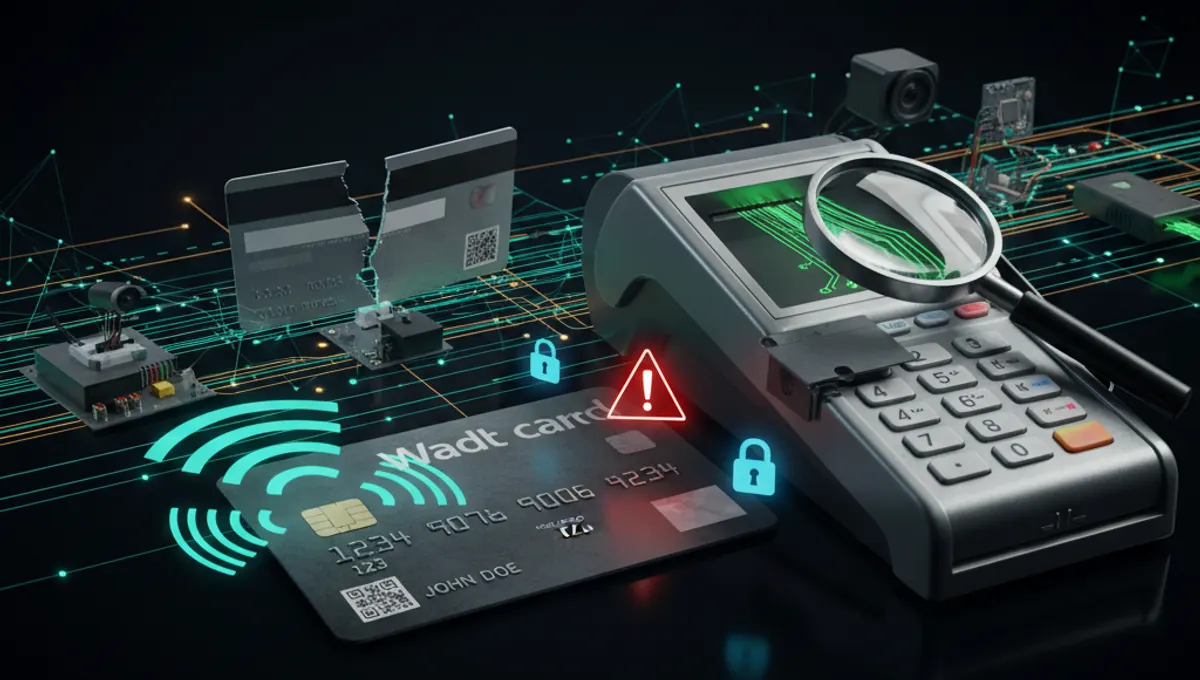
Before inserting your card at any Walmart terminal, inspect the card reader for signs of tampering. Look for loose, cracked, or protruding components around the slot. Legitimate card readers fit flush with the terminal; anything that appears glued on, raised, or misaligned may be a skimmer. Check the keypad for loose buttons or overlay devices that could capture your PIN. Gently tug on the card reader to see if it moves or comes loose. Skimmers are often installed quickly and may not be secured as firmly as factory equipment. Pay attention to the terminal's appearance and compare it to others nearby; inconsistencies in color, wear, or design can indicate a replacement. If something feels off, use a different terminal or payment method. Many Walmart locations now offer contactless payment options, which bypass the card reader entirely and provide stronger security.
Protecting Your Card: Payment Methods and Monitoring
The most effective protection against card skimmers is to use payment methods that don't expose your full card data. Contactless payments, including mobile wallets and NFC-enabled cards, transmit a one-time token instead of your actual card number, making them resistant to skimming. Virtual card numbers, generated by your bank or a third-party service for each transaction, limit exposure if compromised. Enable transaction alerts on your bank account so you receive notifications for every purchase, allowing you to spot unauthorized charges immediately. Consider using a credit card instead of a debit card at Walmart; credit card fraud liability is typically capped at fifty dollars, while debit card fraud can drain your account. Regularly review your bank and credit card statements for unfamiliar charges. If your card has been used at Walmart, request a new card with a different number from your issuer. Some banks offer card locking features that allow you to temporarily disable your card when not in use.
What to Do If Your Card Has Been Compromised
If you notice fraudulent charges on your card or suspect your data was captured by a skimmer, contact your bank or credit card issuer immediately. Most issuers allow you to dispute unauthorized transactions within a specific window, typically sixty to one hundred twenty days depending on the card type and issuer. Your issuer will investigate the charge and, if fraud is confirmed, reverse it and issue a replacement card. Request expedited shipping if available. File a report with the Federal Trade Commission through IdentityTheft.gov to create an official record. If the fraud involves identity theft beyond card cloning, consider placing a fraud alert or credit freeze with the three major credit bureaus. Document all communications with your bank and keep records of disputed transactions. Avoid using the compromised card until you receive a replacement. If you believe the skimmer was at a specific Walmart location, report it to store management and local law enforcement; this helps prevent other customers from becoming victims.
Legal Consequences of Card Cloning and Fraud
Possessing, using, or selling cloned cards constitutes fraud and identity theft, with penalties varying by jurisdiction and the amount of money involved. In the United States, federal charges for wire fraud, identity theft, and access device fraud can result in sentences ranging from several years to decades of imprisonment, depending on the specific statute and circumstances. State laws also impose penalties for credit card fraud, forgery, and unauthorized use of payment devices. Selling cloned cards on the dark web or any marketplace compounds the offense, as it involves conspiracy and distribution of fraudulent instruments. Restitution to victims is often required in addition to prison time. Possession of skimming devices or equipment used to clone cards is itself a crime in many jurisdictions. The consequences extend beyond criminal penalties; a conviction results in a permanent criminal record that affects employment, housing, and financial opportunities. Jurisdiction-specific statutes define exact penalty ranges, so consulting local legal resources or an attorney is necessary for precise information about potential sentences in your area.
Frequently asked questions
Can I get my money back if a card skimmer at Walmart stole my information
Yes. Contact your bank or credit card issuer immediately and dispute the fraudulent charges. Most issuers reverse unauthorized transactions within sixty to one hundred twenty days. Credit card fraud liability is typically capped at fifty dollars, while debit card protections vary by issuer and timing of the report. File a dispute in writing and keep documentation of all communications.
How do criminals use data from a Walmart card skimmer
Criminals either encode the stolen card data onto blank cards to create clones or sell the information on dark web marketplaces. Cloned cards are used to make fraudulent purchases or withdraw cash. Card data is sold in bulk to other fraudsters, often organized by card type and available balance. Prices depend on card validity and whether a PIN is included.
What payment method is safest at Walmart to avoid skimmers
Contactless payments, including mobile wallets and NFC-enabled cards, are the safest because they transmit a one-time token instead of your actual card number. Virtual card numbers generated by your bank for each transaction also provide strong protection. These methods bypass the card reader entirely, preventing skimmers from capturing your data.
What does a Walmart card skimmer look like
A card skimmer appears as a loose, raised, or misaligned component on the card reader slot. It may look glued on, cracked, or protruding from the terminal. Compare the reader to other terminals nearby; inconsistencies in color, wear, or design indicate tampering. Gently tug on the reader; if it moves or comes loose, it may be a skimmer.
Is using a cloned card illegal
Yes. Using a cloned card is fraud and identity theft, with penalties including imprisonment, fines, and restitution to victims. Sentences vary by jurisdiction and the amount of money involved but can range from several years to decades. Possessing cloning equipment or selling cloned cards compounds the offense and increases penalties.