What Is a Cloned Credit Card and How Does Cloning Happen
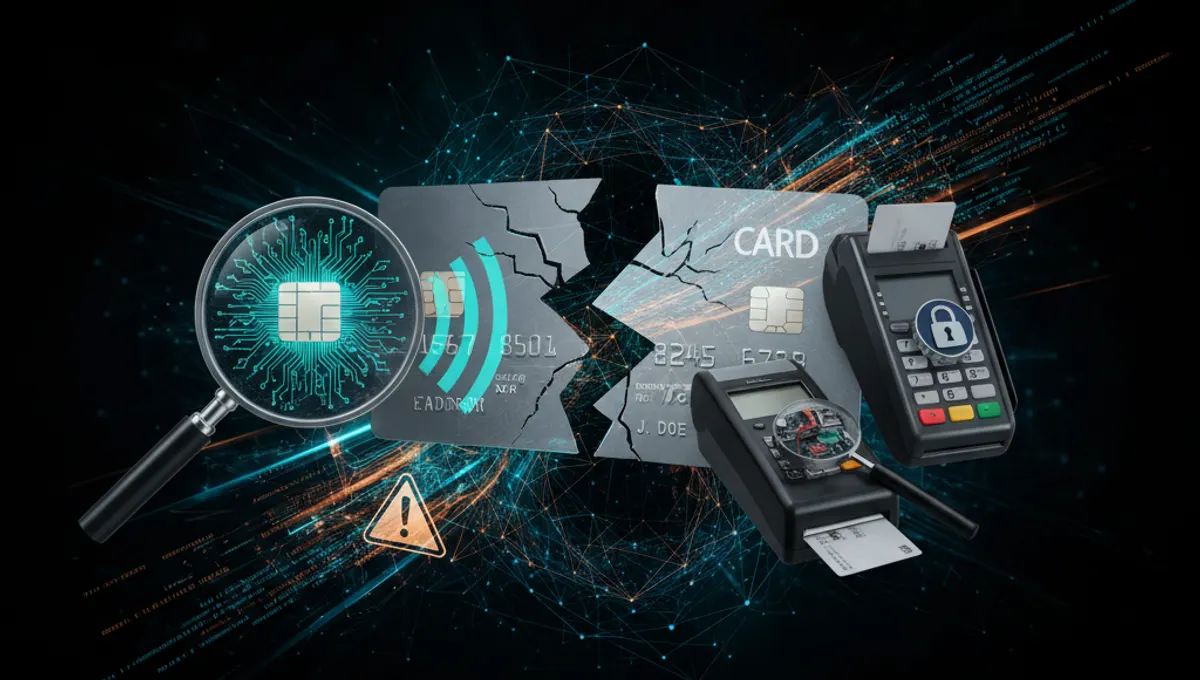
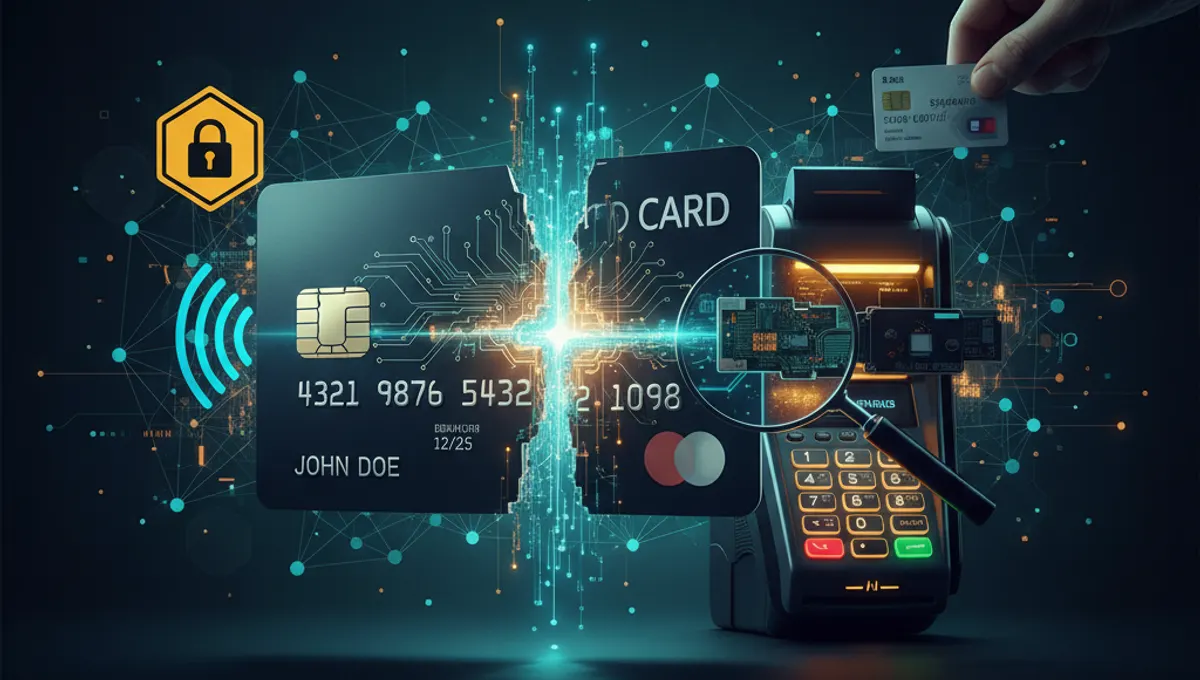
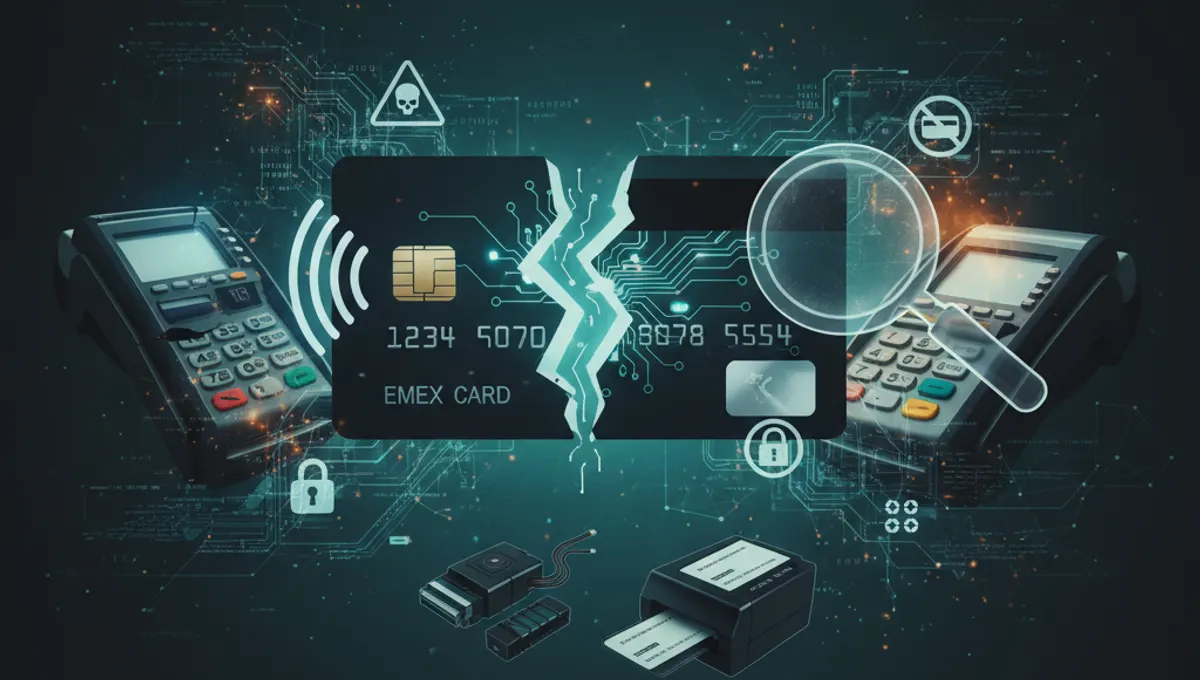
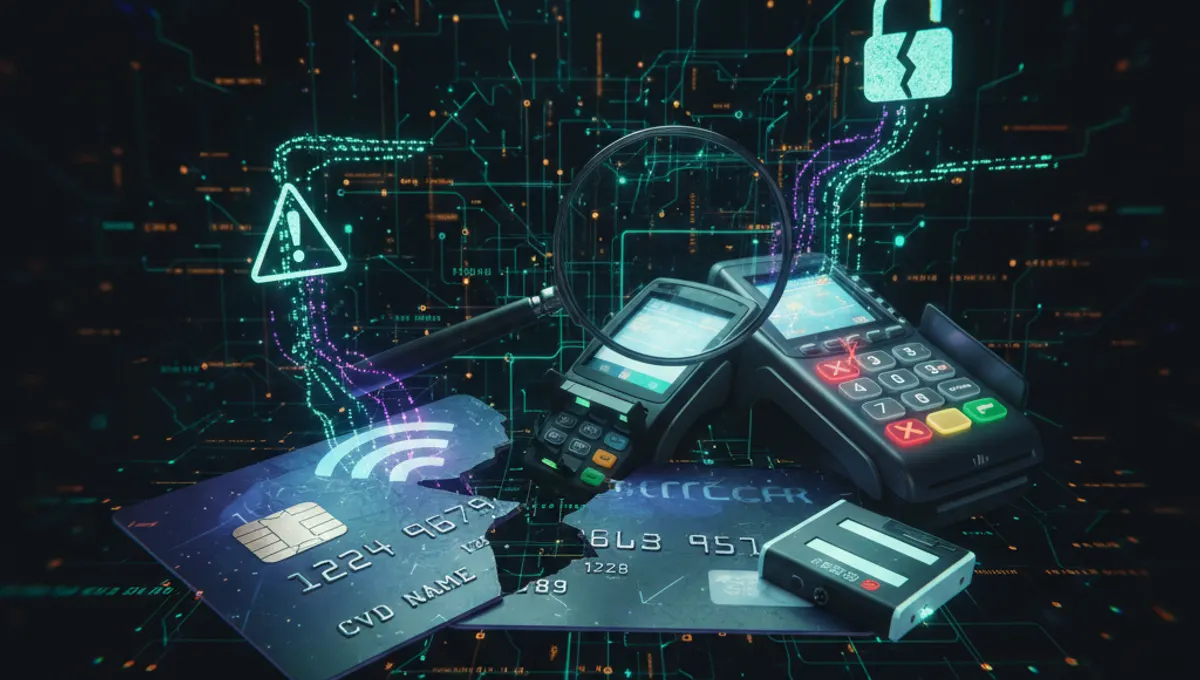
A cloned credit card is a duplicate created from data stolen from an original card. Cloning occurs through several methods. Skimming involves placing a hidden device on ATMs, gas pumps, or point-of-sale terminals that reads card data when swiped. Shimming uses thin devices inserted into card slots to capture EMV chip data. Magnetic stripe cloning copies the information from the stripe on the back of older cards. Data breaches expose millions of card details at once from retailers or payment processors. Once stolen, this data—cardholder name, account number, expiration date, and CVV—is encoded onto blank cards or used for online fraud. EMV chip cards are harder to clone than magnetic stripe cards, but older systems and contactless payments remain vulnerable to sophisticated attackers.
How the Dark Web Cloned Card Sales Ecosystem Functions
The dark web carding ecosystem operates through specialized marketplaces and forums where vendors sell stolen card data and cloned cards. Sellers list cards by bank, card type, balance range, and country of origin. Buyers browse listings, negotiate prices, and complete transactions using cryptocurrency to maintain anonymity. Cards are typically sold in batches or individually, with some vendors offering guarantees or refunds if cards are declined. The marketplace infrastructure includes escrow services, dispute resolution, and vendor reputation systems similar to legitimate e-commerce platforms. Sellers source cards from data breaches, skimming operations, or insider theft. Quality varies widely; some cards work immediately while others are already flagged by banks. Buyers test cards on small purchases before attempting larger fraud. This ecosystem thrives because it operates outside traditional law enforcement reach and cryptocurrency transactions are difficult to trace.
Legal Consequences of Possessing and Using Cloned Cards
Possession and use of cloned cards carries serious criminal charges that vary by jurisdiction. Typical charges include credit card fraud, identity theft, access device fraud, and conspiracy. Credit card fraud involves unauthorized use of a card or card number to obtain goods or services. Identity theft charges apply when a person's personal information is used without consent. Access device fraud specifically addresses the possession or use of cloned cards or skimming equipment. Penalties depend on the jurisdiction, amount defrauded, criminal history, and whether the offense is prosecuted at state or federal level. Federal charges typically carry higher penalties than state charges. Sentences can include prison time, substantial fines, restitution to victims, and probation. A single conviction can result in years of incarceration. Multiple offenses or involvement in organized carding operations increase penalties significantly. Conviction also creates a permanent criminal record affecting employment, housing, and financial opportunities.
How Buying and Selling Occurs on Dark Web Card Marketplaces
Dark web card marketplaces operate as hidden websites accessible only through Tor browsers or similar anonymity networks. Vendors create accounts, upload card listings with details like issuing bank, card type, and validity status, and set prices in cryptocurrency. Buyers create accounts, browse available inventory, and place orders through the marketplace interface. Payment is typically held in escrow by the marketplace operator until the buyer confirms receipt and card functionality. Transactions use Bitcoin, Monero, or other cryptocurrencies that provide varying degrees of transaction privacy. Vendors may offer bulk discounts for large purchases or loyalty programs for repeat buyers. Some marketplaces include testing services where buyers can verify card validity before full payment. Communication between buyer and seller occurs through encrypted messaging within the platform. Marketplace operators take a commission on each transaction. These platforms frequently shut down due to law enforcement action, but new ones emerge regularly. Buyers and sellers operate under pseudonyms and use additional security measures like VPNs to obscure their location and identity.
How to Protect Your Card from Skimming and Unauthorized Use
Multiple strategies reduce the risk of card cloning and unauthorized charges. Inspect card readers before use by checking for loose, unusual, or misaligned components on ATMs and gas pumps. Use ATMs in secure locations like bank lobbies rather than isolated areas. Cover the keypad when entering your PIN to prevent cameras or observers from capturing it. Enable transaction alerts through your bank's app or SMS notifications so you're informed of charges immediately. Use contactless or tokenized payments when available, as these don't transmit full card data. Virtual card numbers generated for online shopping limit exposure of your primary account number. Request chip-enabled cards from your bank, as EMV chips are more difficult to clone than magnetic stripes. Monitor your credit reports regularly for suspicious activity. Set up fraud alerts with credit bureaus. Use strong passwords and two-factor authentication on banking apps. Avoid using debit cards for online purchases when possible, as they offer less fraud protection than credit cards. Regularly review your bank and credit card statements for unfamiliar charges.
What to Do If Your Card Information Is Compromised or Fraudulently Charged
If you discover unauthorized charges or suspect your card data has been compromised, act immediately. Contact your bank or credit card issuer by phone using the number on the back of your card or their official website. Report the fraudulent charges and request that the card be cancelled and replaced. Most issuers will freeze the account temporarily while investigating. File a dispute for each unauthorized transaction; the issuer will typically initiate a chargeback process. Document all fraudulent charges with dates, amounts, and merchants. Request a new card with a different account number. Check your credit reports from all three bureaus for accounts opened fraudulently in your name. Place a fraud alert with the credit bureaus to prevent new accounts from being opened without verification. Consider a credit freeze if identity theft is suspected. Refund timelines vary by issuer but typically range from 5 to 10 business days for provisional credits, with full investigation resolution taking 30 to 90 days. Keep records of all communications with your bank and credit bureaus. File a report with the Federal Trade Commission if identity theft occurred.
Understanding Dark Web Card Markets and Related Discussions
Discussions about stolen credit cards on dark web platforms and forums reveal how the carding ecosystem operates. Reddit communities and dark web forums contain conversations about card sourcing, pricing, marketplace reliability, and law enforcement activity. These discussions help researchers and law enforcement understand trends in card fraud. Some forums include vendor reviews, scam warnings, and technical discussions about skimming and cloning methods. Participants share information about which marketplaces are active, which vendors are trustworthy, and which cards are currently profitable to use. Law enforcement agencies monitor these forums to identify active criminals and gather intelligence. The discussions also reveal that card prices fluctuate based on card type, issuing bank, country, and current balance. Premium cards with high balances or from wealthy countries command higher prices. Stolen card data from major breaches floods the market and drives prices down. Understanding these dynamics helps financial institutions and law enforcement combat organized carding operations more effectively.
Frequently asked questions
How do criminals obtain stolen credit card data for the dark web
Criminals obtain card data through skimming devices placed on ATMs and gas pumps, shimming EMV card slots, data breaches from retailers and payment processors, insider theft from financial institutions, and purchasing existing stolen data from other criminals. Magnetic stripe cards are particularly vulnerable to cloning because the data is static and easily copied. Once obtained, this data is packaged and sold on dark web marketplaces.
What is the difference between a cloned card and a stolen card
A stolen card is the original physical card taken from its owner. A cloned card is a duplicate created from data stolen from the original card. Cloned cards are created by encoding stolen account information onto blank cards or using that data for online fraud. Cloning allows criminals to create multiple copies from a single stolen card's data, multiplying the potential for fraud.
Can cloned cards with EMV chips be used in stores
EMV chip cloning is more difficult than magnetic stripe cloning, but it is possible. Cloned EMV cards may work at some older terminals that fall back to magnetic stripe reading. However, most modern terminals require chip insertion and authentication, making cloned EMV cards less reliable than cloned magnetic stripe cards. Online use of cloned card data is more common than in-store use for EMV cards.
What cryptocurrency is used for dark web card purchases
Bitcoin and Monero are the most commonly used cryptocurrencies on dark web card marketplaces. Bitcoin transactions are recorded on a public ledger but can be made pseudonymous. Monero provides stronger privacy features with transaction amounts and addresses hidden by default. Some marketplaces accept multiple cryptocurrencies to accommodate different buyer preferences and provide additional anonymity layers.
How long does it take to receive a cloned card after purchase on the dark web
Delivery timelines vary depending on whether physical cards are shipped or digital card data is provided. Digital card data is typically delivered within hours or minutes after payment confirmation. Physical cloned cards shipped through mail can take days to weeks depending on origin and destination countries. Some vendors offer expedited shipping for higher fees. Marketplace escrow systems typically hold payment until the buyer confirms receipt.