What Is RFID Card Cloning and How Does It Work
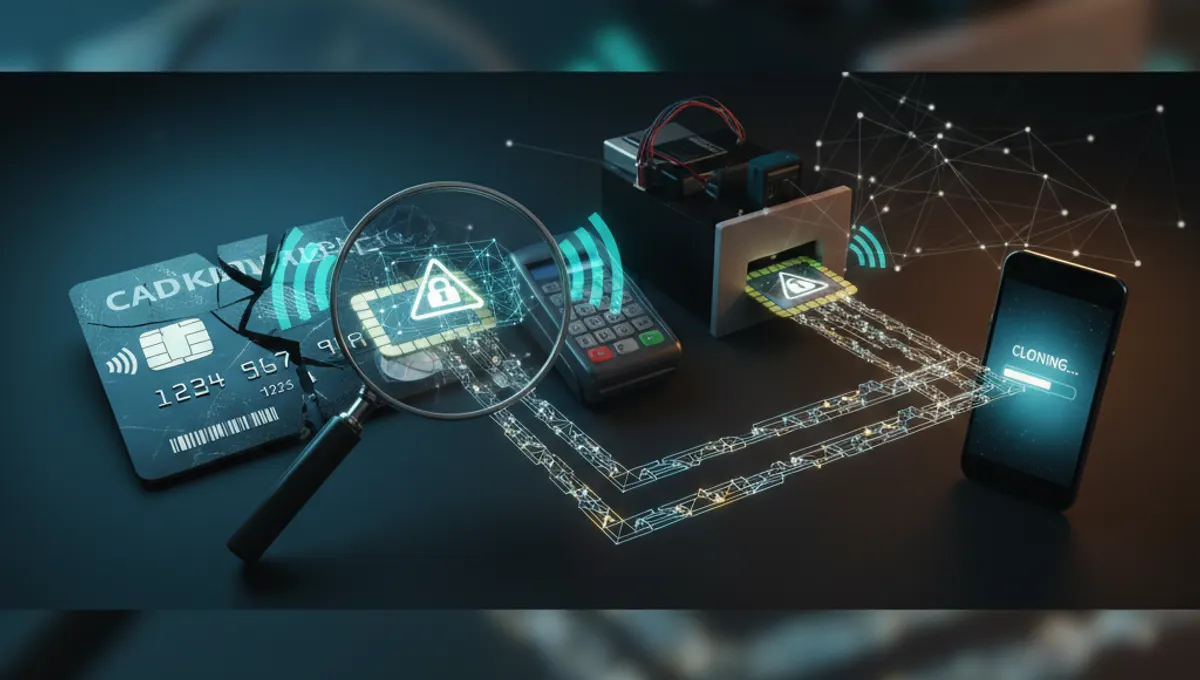
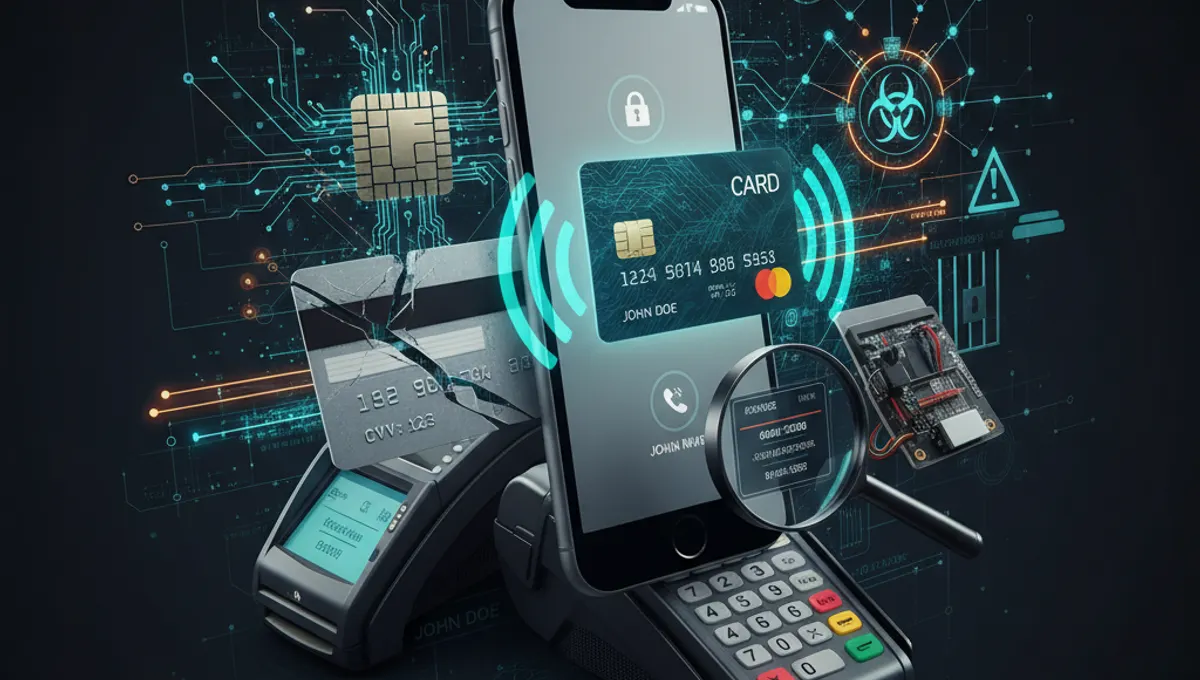
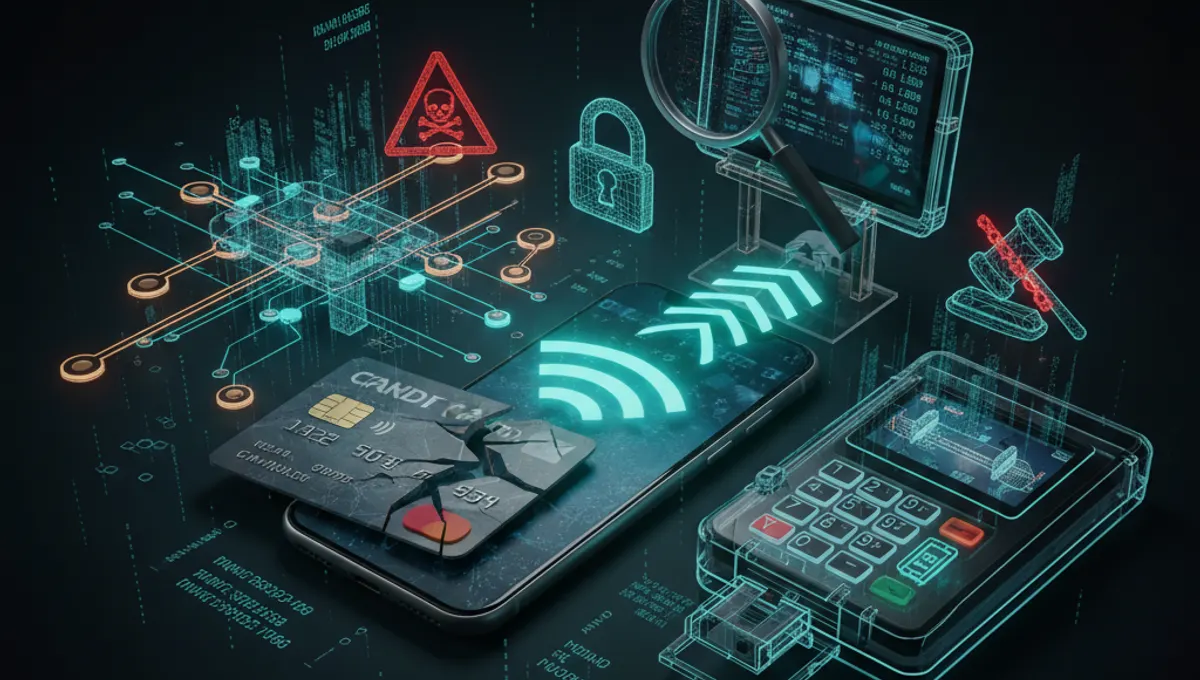
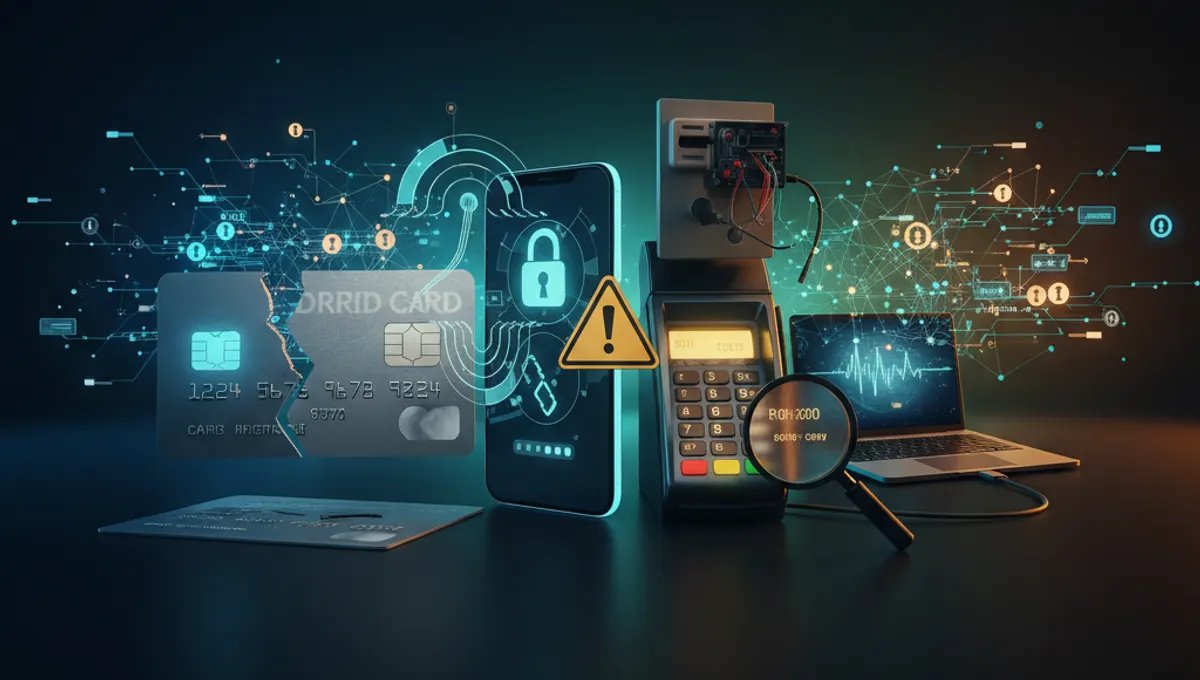
RFID card cloning is the process of reading data from a contactless card and copying it to another device, such as an iPhone or Android phone. Most contactless payment cards and access badges transmit unencrypted data via radio frequency identification. When you clone an RFID card to an iPhone, you are extracting the card's unique identifier, account number, and transaction data, then writing that information to the phone's NFC (Near Field Communication) chip. The iPhone's NFC capability allows it to emulate the original card when held near a compatible reader. Older magnetic stripe cards and basic RFID systems lack robust encryption, making them vulnerable to this type of duplication. Modern EMV chip cards include cryptographic protections that make cloning significantly more difficult, though not impossible in all cases. The technical barrier to entry is low; specialized software and affordable hardware readers are available online.
Skimming, Shimming, and Data Sources for Card Cloning
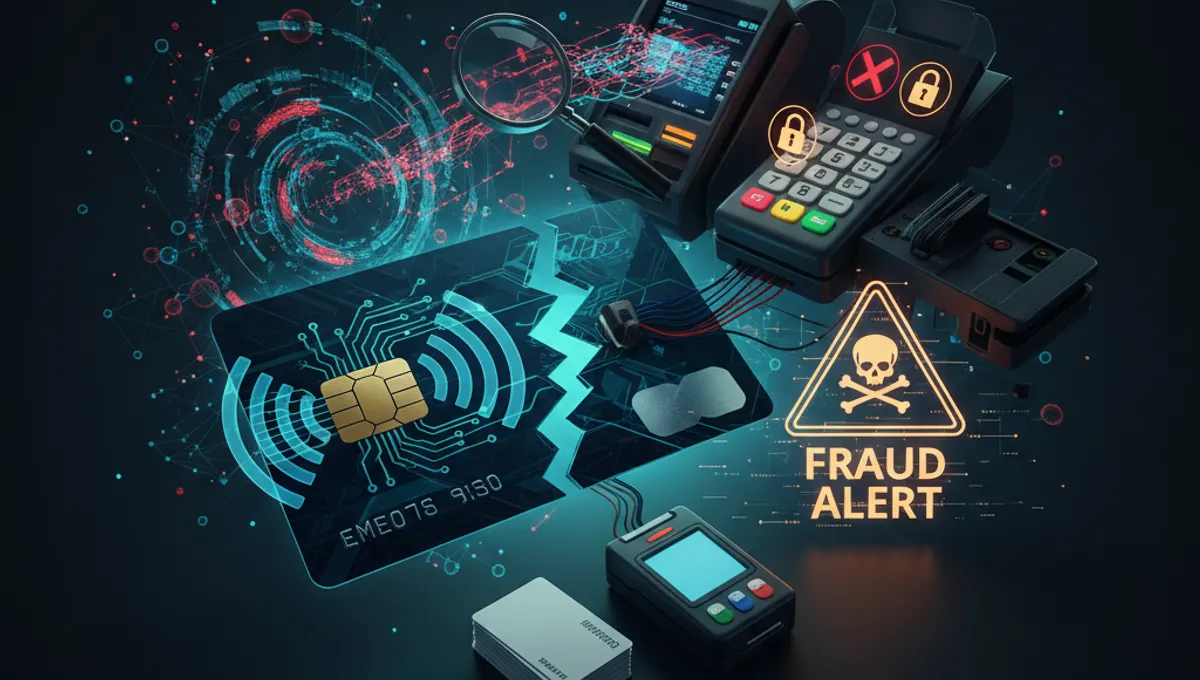
Card cloning relies on obtaining the original card's data through several methods. Skimming involves using a hidden reader to capture data from a card's magnetic stripe or RFID chip without the cardholder's knowledge, often at gas pumps, ATMs, or point-of-sale terminals. Shimming is a similar technique that places a thin device inside a card slot to read EMV chip data. Large-scale data breaches from retailers, payment processors, and financial institutions also supply cloned card information to the dark web market. When a database is compromised, millions of card numbers, expiration dates, and CVV codes become available for purchase. Contactless payment systems transmit data over short distances, making them targets for portable skimming devices. Once card data is obtained through any of these methods, it can be written to an iPhone's NFC chip, creating a functional clone that works at any contactless reader.
The Dark Web Cloned Card Marketplace and Sales Ecosystem
Cloned cards are bought and sold on dark web marketplaces, which operate as anonymous forums and storefronts accessible through Tor browsers. Sellers on these platforms offer cloned card data in bulk, often organized by card type, issuing bank, and geographic region. Prices vary based on the card's remaining balance, the freshness of the data, and whether it includes the CVV code. Buyers typically purchase card information in batches and either use it directly for fraudulent transactions or clone the data to smartphones for in-person purchases. The marketplace operates with cryptocurrency payments to maintain anonymity. Vendors maintain reputation scores based on customer feedback, and disputes are resolved through escrow systems managed by the marketplace administrators. New card data is constantly added as breaches occur and skimming operations yield results. Some sellers offer guarantees on card validity, promising refunds if a card is declined. The ecosystem is highly organized, with specialized roles including data brokers, technical operators, and money launderers.
Legal Consequences of Card Cloning, Possession, and Fraud
Possessing cloned card data or using a cloned card constitutes fraud and identity theft in most jurisdictions. The specific charges depend on local law, but typically include wire fraud, access device fraud, and identity theft. In the United States, federal wire fraud carries penalties up to 20 years imprisonment and fines up to $250,000. Using a cloned card for transactions can result in additional charges for each fraudulent purchase. Possession of cloning equipment or software may be prosecuted under laws prohibiting fraud devices. State laws vary significantly; some jurisdictions impose mandatory minimum sentences for organized fraud schemes. International enforcement has increased, with law enforcement agencies coordinating across borders to prosecute dark web marketplace operators and major card cloning networks. Conviction records include restitution orders requiring defendants to repay victims and financial institutions. Even first-time offenders face substantial prison time and permanent criminal records that affect employment and housing eligibility.
How to Detect Card Skimmers and Protect Your Payment Data
Detecting skimmers requires visual inspection of card readers before use. At gas pumps and ATMs, check for loose, misaligned, or unusual-looking card slots. Wiggle the card reader to see if it moves independently from the machine. Look for hidden cameras near the keypad that might capture your PIN. Use contactless or chip payment methods instead of swiping magnetic stripes, as these offer stronger encryption. Enable transaction alerts on your bank account to receive notifications of any charges. Consider using virtual card numbers generated by your bank or payment app, which create one-time-use card numbers that limit exposure if compromised. Tokenized payments through Apple Pay or Google Pay replace your actual card number with a secure token, preventing cloning. Block RFID readers with a Faraday wallet or sleeve that shields your card from wireless scanning. Monitor your credit reports regularly through official channels and place fraud alerts with credit bureaus if you suspect compromise.
What to Do If Your Card Information Is Compromised
If you discover unauthorized charges on your card, contact your bank or card issuer immediately. Most financial institutions have fraud departments available 24/7. Report the specific fraudulent transactions and request a chargeback, which reverses the charge and credits your account. The bank will typically issue a replacement card within 5 to 10 business days. File a dispute in writing if the initial phone report is not resolved; federal law requires banks to investigate disputes within 30 days. Request a copy of the investigation results. If your card data was part of a large breach, the affected company or bank may offer free credit monitoring. Place a fraud alert with the three major credit bureaus (Equifax, Experian, TransUnion) to prevent new accounts from being opened in your name. Consider a credit freeze, which restricts access to your credit report and prevents unauthorized accounts. Document all communications with your bank and keep records of fraudulent charges for potential tax deductions or insurance claims.
Technical Differences Between iPhone NFC and RFID Cloning Methods
iPhones use NFC technology operating at 13.56 MHz, which differs from older RFID systems that often operate at 125 kHz or other frequencies. When cloning to an iPhone, the source card must operate at a compatible frequency. Many access cards and older payment systems use 125 kHz RFID, which cannot be directly cloned to an iPhone without intermediate conversion. Newer contactless payment cards use 13.56 MHz NFC, making them compatible with iPhone cloning. The iPhone's NFC chip can emulate card data when powered and in close proximity to a reader. Android phones with NFC capability offer similar cloning potential. The process requires specialized software that can read the card's data structure and write it to the phone's NFC memory. Some cards include encryption or rolling codes that change with each transaction, making cloning ineffective for future use. Understanding these technical distinctions helps explain why certain cards are vulnerable to iPhone cloning while others are not.
Frequently asked questions
Can you actually clone an RFID card to an iPhone?
Yes, RFID cards operating at 13.56 MHz can be cloned to iPhones with NFC capability using specialized software and hardware readers. The process copies the card's data to the iPhone's NFC chip, allowing the phone to emulate the original card at compatible readers. However, modern EMV chip cards with encryption are significantly more difficult to clone successfully.
What is the difference between RFID and NFC cloning?
RFID and NFC both use radio frequency technology, but operate at different frequencies and standards. NFC operates at 13.56 MHz and is used in modern contactless payment cards and smartphones. Older RFID systems often operate at 125 kHz. iPhones can clone NFC-compatible cards but not all RFID frequencies. The terms are sometimes used interchangeably, but NFC is a subset of RFID technology.
Is cloning a card to your phone illegal?
Yes, cloning a card without authorization is illegal in virtually all jurisdictions. It constitutes fraud, identity theft, and unauthorized access device fraud. Possession of cloning equipment or software may also be prosecuted. Using a cloned card for transactions carries additional criminal charges for each fraudulent purchase. Penalties include imprisonment, substantial fines, and restitution orders.
How can I protect my contactless card from being cloned?
Use a Faraday wallet or RFID-blocking sleeve to shield your card from wireless scanning. Enable transaction alerts on your bank account. Use virtual card numbers or tokenized payments through Apple Pay or Google Pay. Monitor your credit reports and bank statements regularly. Inspect card readers for skimming devices before use. Consider using chip or PIN-based payments instead of contactless when possible.
What should I do if I suspect my card has been cloned?
Contact your bank or card issuer immediately to report unauthorized charges. Request a chargeback for fraudulent transactions. Your bank will typically issue a replacement card within 5 to 10 business days. File a written dispute if the initial report is not resolved. Place a fraud alert with credit bureaus and consider a credit freeze. Keep documentation of all communications and fraudulent charges.