What Is Card Cloning and How Does It Differ from Skimming
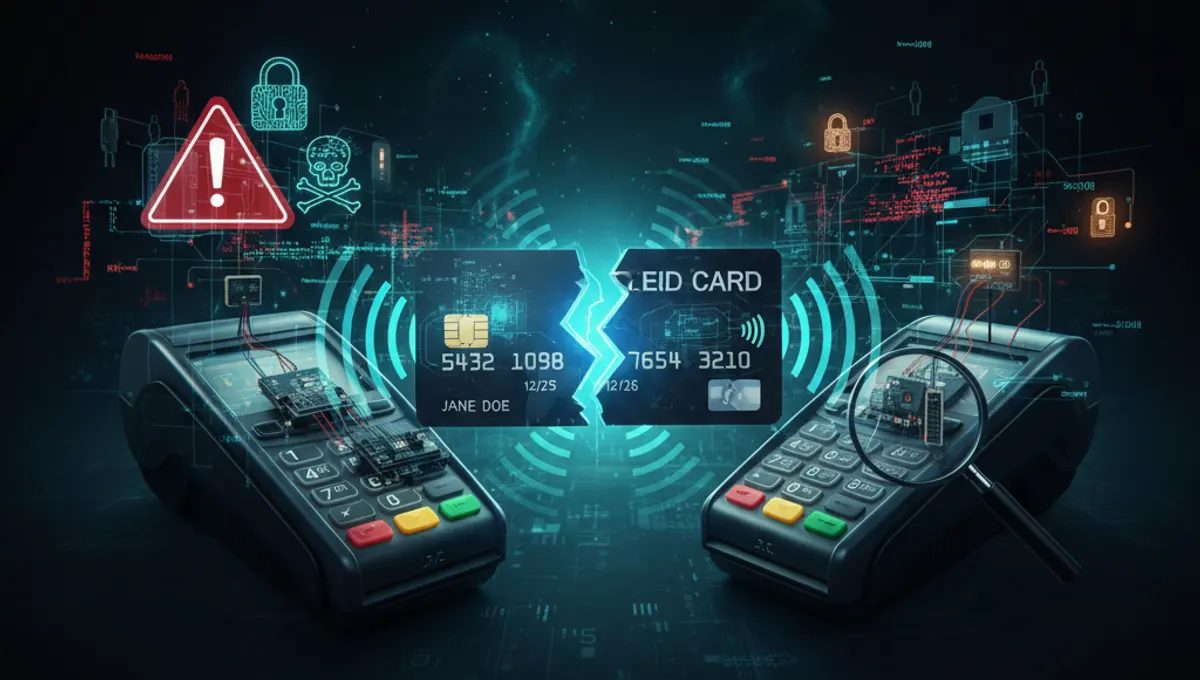
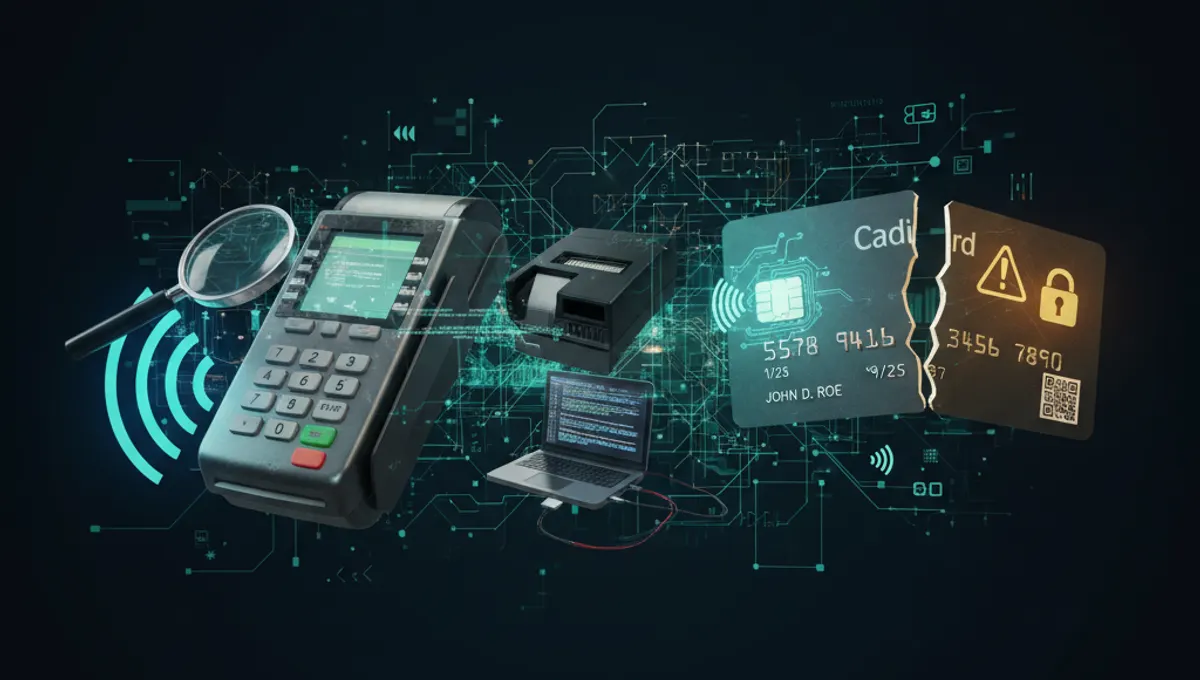
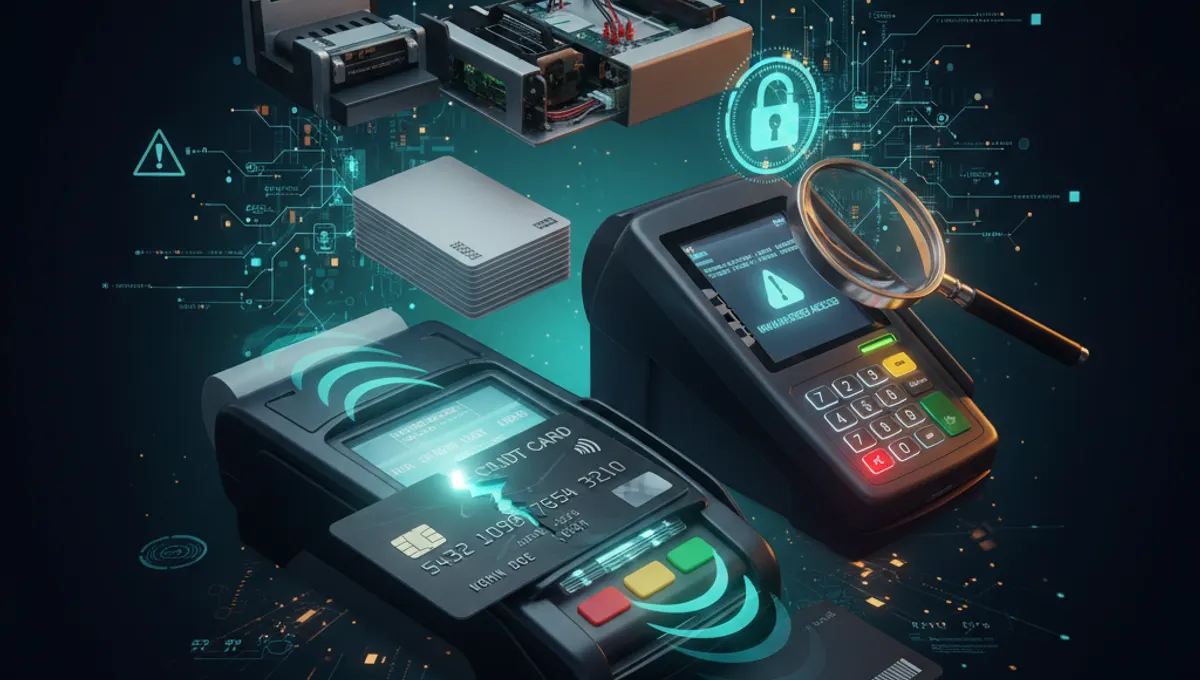
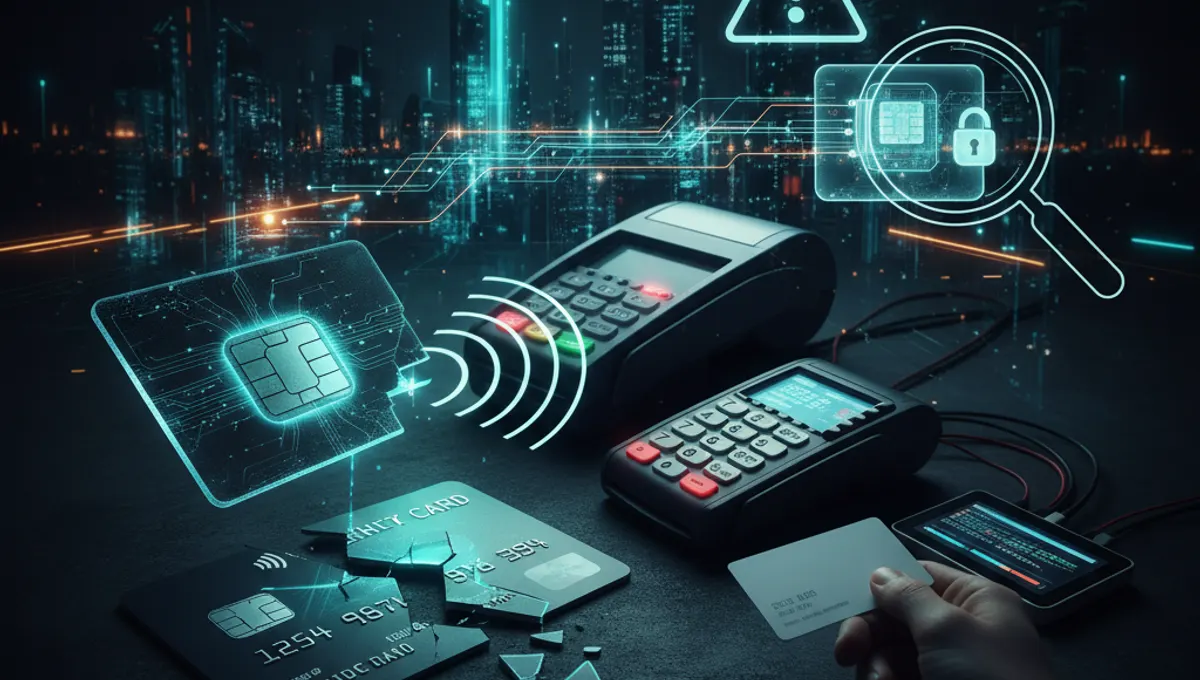
Card cloning involves copying the data from a legitimate card onto a blank card or device. The process differs depending on the card type. Magnetic stripe cards store data in a simple format that can be read and written by relatively basic equipment. EMV chips, by contrast, use encryption and are significantly harder to clone, though not impossible. NFC card cloners specifically target contactless cards and badges that communicate via radio frequency. Skimming refers to the unauthorized reading of card data without physical contact, while cloning is the act of reproducing that data onto another medium. Both techniques can be used in sequence: a skimmer captures data, and a cloner reproduces it. Data breaches and leaks also provide cloners with card information without any physical device interaction. The distinction matters legally because different jurisdictions classify these activities under separate statutes.
How Cloned Card Sales Work on Dark Web Marketplaces
Cloned cards are bought and sold on dark web marketplaces through a structured underground economy. Sellers obtain card data through skimming devices, data breaches, or insider theft, then test the cards to verify their validity before listing them. Marketplaces operate as forums or storefronts where vendors advertise batches of cloned cards with details such as card type, balance range, and country of origin. Buyers typically pay in cryptocurrency to maintain anonymity. Sellers often offer guarantees or refunds if cards are declined, creating a transactional trust system within these illegal communities. The ecosystem includes specialized roles: data harvesters, card writers, marketplace operators, and money launderers. Transactions are often escrow-based, with the marketplace holding funds until the buyer confirms receipt. This infrastructure mirrors legitimate e-commerce but operates entirely outside legal oversight. Law enforcement agencies across multiple jurisdictions monitor these marketplaces and conduct undercover operations to identify and prosecute participants.
Legal Consequences of Card Cloning Possession and Use
Possession of cloned cards or cloning devices is illegal in most jurisdictions and carries serious criminal penalties. Charges typically fall into several categories. Fraud statutes apply when cloned cards are used to make unauthorized purchases or transfers. Identity theft laws address the unauthorized use of another person's financial information. Device-based fraud charges apply specifically to possessing or manufacturing cloning equipment. Wire fraud statutes may apply if electronic communications are used in the scheme. Conspiracy charges can be filed against multiple participants in a cloning operation. Specific penalty ranges depend on the jurisdiction and the facts of the case, including the number of cards involved, the total amount defrauded, and the defendant's prior criminal history. Federal charges in the United States can result in imprisonment and substantial fines. State-level charges vary significantly. International jurisdictions have their own frameworks, though many countries have harmonized laws targeting payment card fraud. Conviction can also result in restitution orders requiring defendants to repay victims.
How to Detect Card Skimmers and Protect Against Cloning
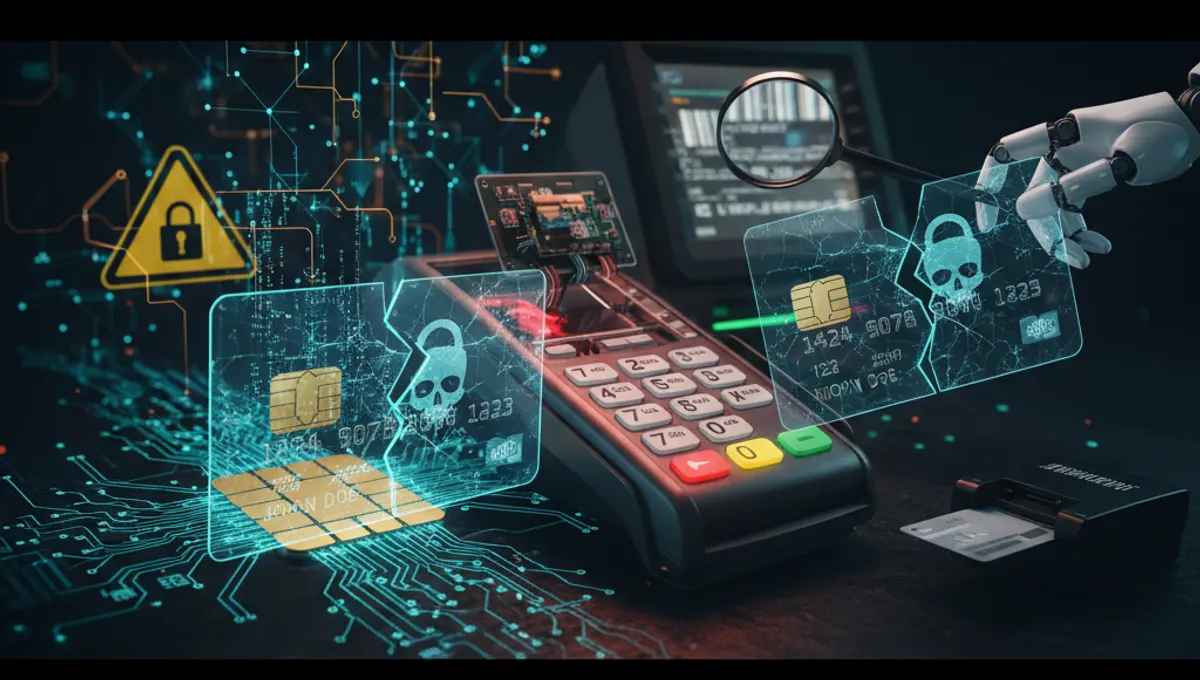
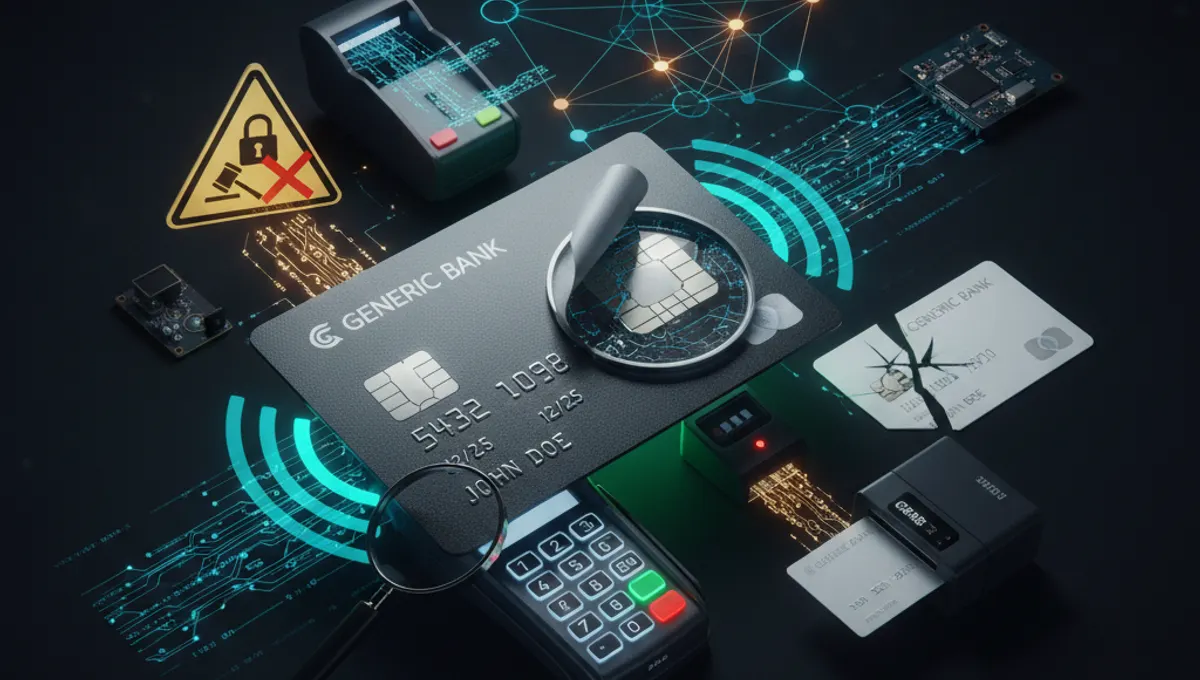
Detecting skimmers requires visual inspection and awareness of common installation points. At ATMs and gas pumps, check for loose, misaligned, or unusual-looking card slots. Shimming devices are thin inserts placed inside legitimate card slots and are harder to spot visually. Physical inspection should include feeling for loose parts and comparing the device to others nearby. For NFC card skimmers, be aware that contactless readers can be concealed in bags or held near you in crowds. Protecting against cloning involves multiple strategies. Use contactless or tokenized payments when available, as these generate one-time transaction codes rather than transmitting static card data. Enable transaction alerts on your accounts to receive notifications of any activity. Consider using virtual card numbers for online purchases, which isolate your primary account from exposure. Chip readers are more secure than magnetic stripe readers. Blocking sleeves and RFID-blocking wallets can reduce the range at which NFC data can be captured. Regularly monitor your statements and credit reports for unauthorized activity. Use strong passwords on financial accounts and enable multi-factor authentication where available.
What to Do If Your Card Information Is Compromised
If you discover unauthorized charges or suspect your card information has been compromised, act immediately. Contact your card issuer by phone using the number on the back of your card or your statement, not a number from an email or text. Report the fraudulent charges and request that your card be cancelled and replaced. Most card issuers will initiate a dispute process and issue a temporary credit while investigating. Document all unauthorized transactions with dates, amounts, and merchant names. File a dispute claim with your card issuer in writing if requested. Under payment card regulations in most jurisdictions, your liability for fraudulent charges is limited, often to zero if reported promptly. Refund timelines vary by issuer and jurisdiction but typically range from a few days for provisional credits to 30 to 90 days for final resolution. If your personal information was compromised in a data breach, consider placing a fraud alert or credit freeze with credit bureaus. Monitor your credit reports for signs of identity theft. Report the incident to relevant authorities if it involves a specific merchant or ATM. Keep records of all communications with your card issuer and any supporting documentation.
Related Card Cloning Technologies: AWID, HID, and ID Card Cloners
Beyond NFC card cloners, several other cloning technologies target different card systems. AWID card cloners target access control systems used in commercial and residential buildings. HID card cloners focus on proximity cards and smart cards commonly used for building access and vehicle immobilizers. ID card cloners can duplicate government-issued identification cards, driver's licenses, and other credential cards. Each technology operates on different frequency ranges and encryption standards. AWID systems typically operate at 125 kHz, while HID systems use 125 kHz or 13.56 MHz depending on the card type. The legal framework surrounding these devices is similar to NFC cloners: possession with intent to defraud is illegal, and manufacturing or selling cloning equipment is prosecuted under device-based fraud statutes. The consequences for cloning access control cards can be more severe because they often involve trespassing, burglary, or theft of physical assets. Cloning government ID cards carries additional federal charges related to identity fraud and document forgery. Understanding the distinctions between these technologies is important for recognizing the scope of card cloning as a criminal enterprise.
Why Cloned Cards Are Sold on the Dark Web
Cloned cards are sold on the dark web because these marketplaces provide anonymity for both buyers and sellers and operate outside the reach of traditional law enforcement. The dark web's infrastructure, built on encrypted networks and anonymizing protocols, makes it difficult for authorities to identify participants or shut down operations. Cryptocurrency transactions further obscure the financial trail. Sellers prefer the dark web because it allows them to reach a global customer base without the risk of in-person transactions. Buyers use these marketplaces because they believe the anonymity protects them from detection, though this belief is often unfounded. Law enforcement agencies have successfully infiltrated dark web marketplaces, identified operators, and prosecuted buyers and sellers. The dark web also serves as a distribution hub for other stolen financial data, including full account credentials and personal information obtained from data breaches. Marketplace operators profit by taking a commission on each transaction. The ecosystem is inherently unstable because marketplaces are frequently shut down, scammed by exit fraud operators, or compromised by law enforcement. Despite these risks, the market persists because the barriers to entry are low and the potential profits are high.
Frequently asked questions
Can NFC card cloners work through clothing or a wallet?
NFC cloners require proximity to the card, typically within a few inches. Thick materials, metal, and specialized blocking sleeves can reduce or prevent cloning. However, determined attackers with high-powered equipment may overcome some barriers. The risk is real but can be significantly mitigated by using RFID-blocking wallets and keeping cards in secure locations.
What is the difference between a cloned card and a skimmed card?
A skimmed card is one whose data has been illegally read by a skimming device. A cloned card is a blank card or device onto which that stolen data has been written. Skimming is the data capture step; cloning is the reproduction step. Both can occur in sequence, or cloned cards can be created from data obtained through data breaches without any skimming device involved.
Are EMV chip cards immune to cloning?
EMV chip cards are significantly more resistant to cloning than magnetic stripe cards because they use encryption and dynamic data. However, they are not completely immune. Attackers can still clone the magnetic stripe data on dual-interface cards, or they can use sophisticated equipment to extract and replicate chip data. The best protection is using contactless or tokenized payments when available.
What should I do if I find a skimmer device on an ATM?
Do not attempt to remove or tamper with the device. Notify the ATM operator or bank immediately by calling the number on the machine or your statement. Report the incident to local law enforcement. Warn other customers if possible. Do not use that ATM. If you used the ATM before discovering the skimmer, contact your bank and monitor your account closely for unauthorized activity.
Can I be prosecuted for buying a cloned card online?
Yes. Purchasing a cloned card is illegal in most jurisdictions and constitutes fraud and identity theft. Prosecution can occur regardless of whether the purchase was made on the dark web or elsewhere. Law enforcement agencies actively investigate and prosecute buyers as well as sellers. The fact that a transaction occurred online or on the dark web does not provide legal protection.