What Is a Skimming Device and How Does It Capture Card Data
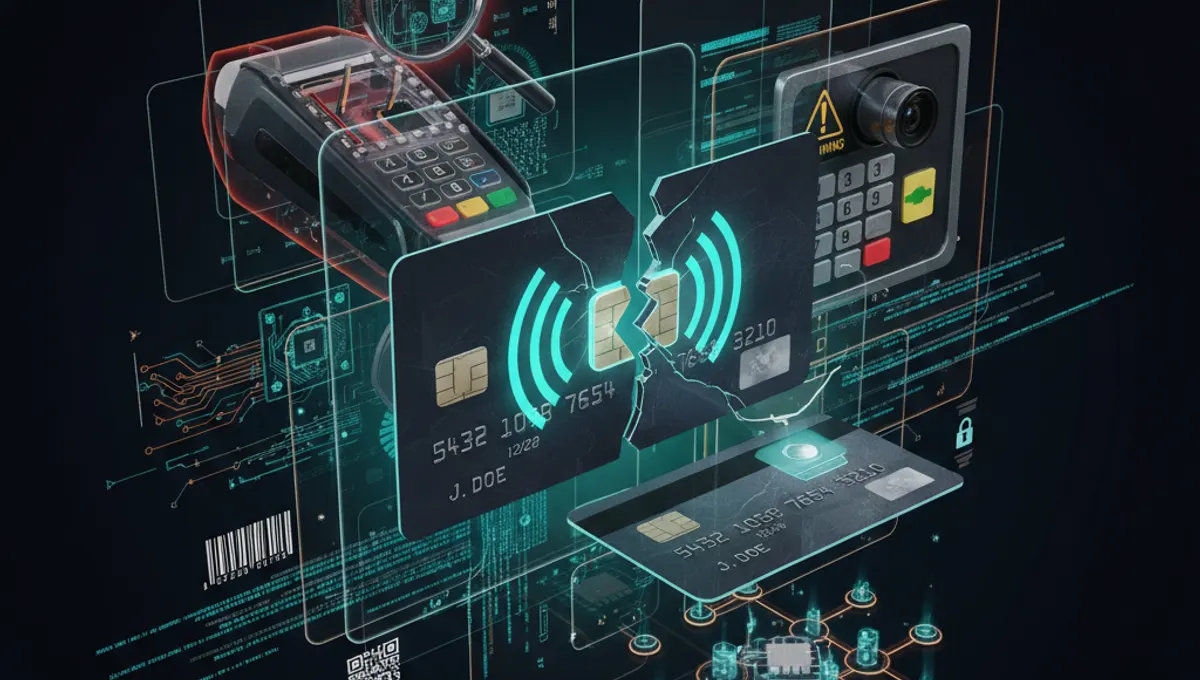
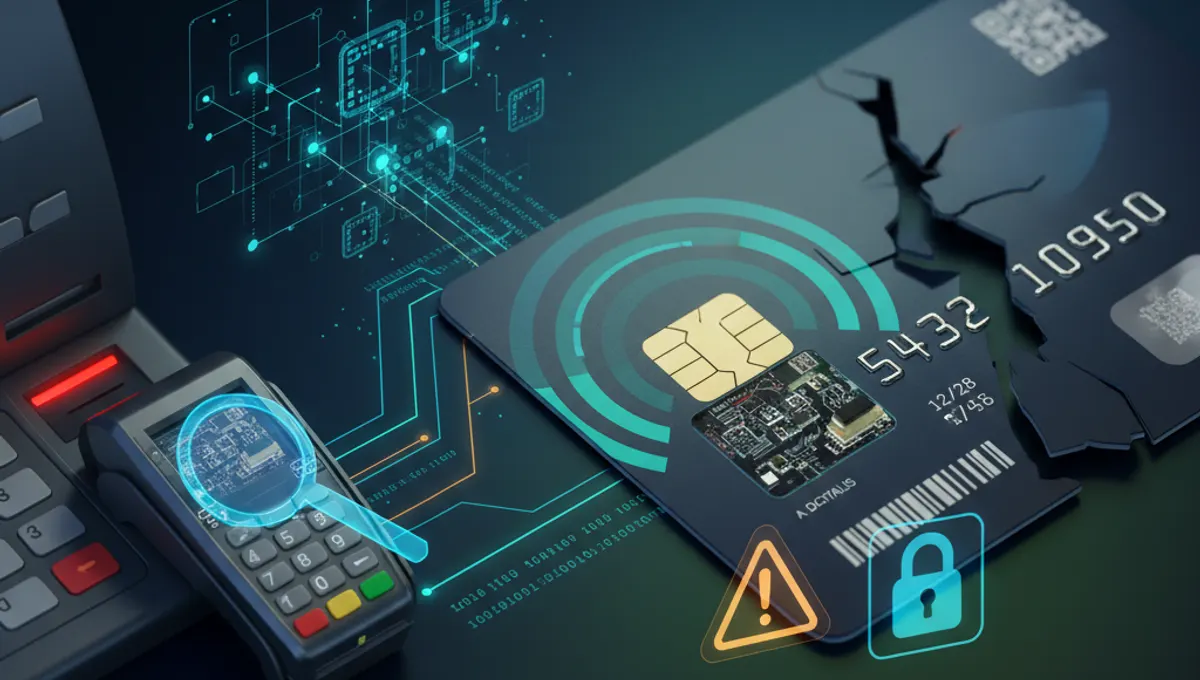
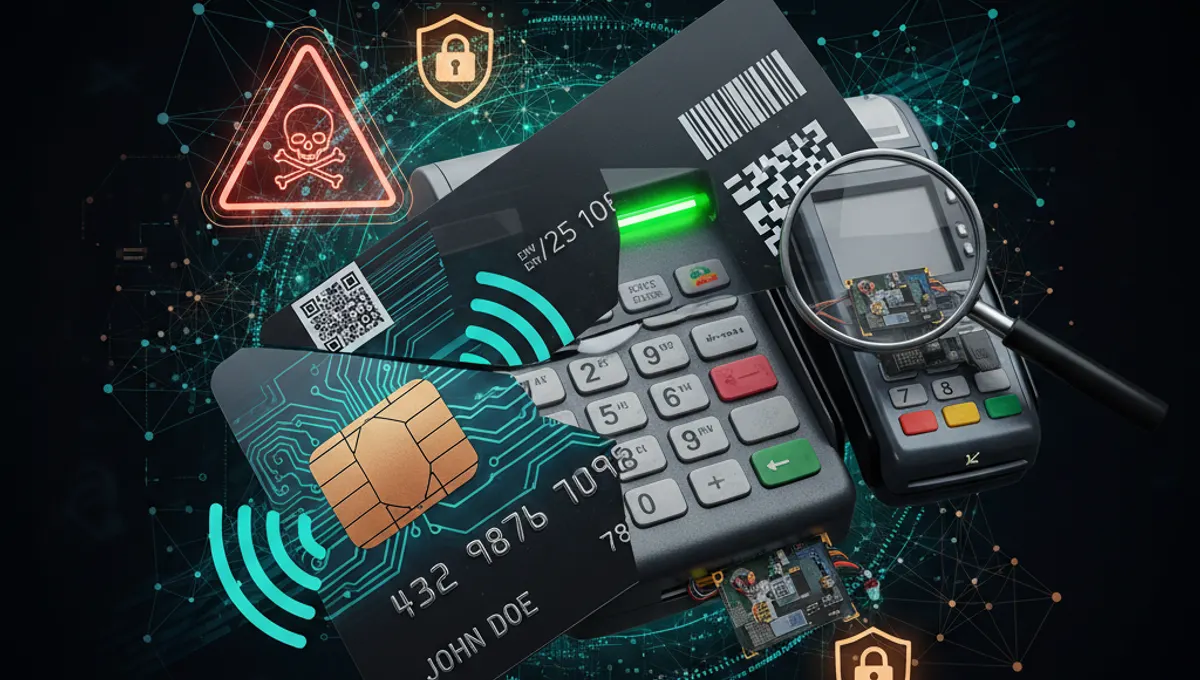
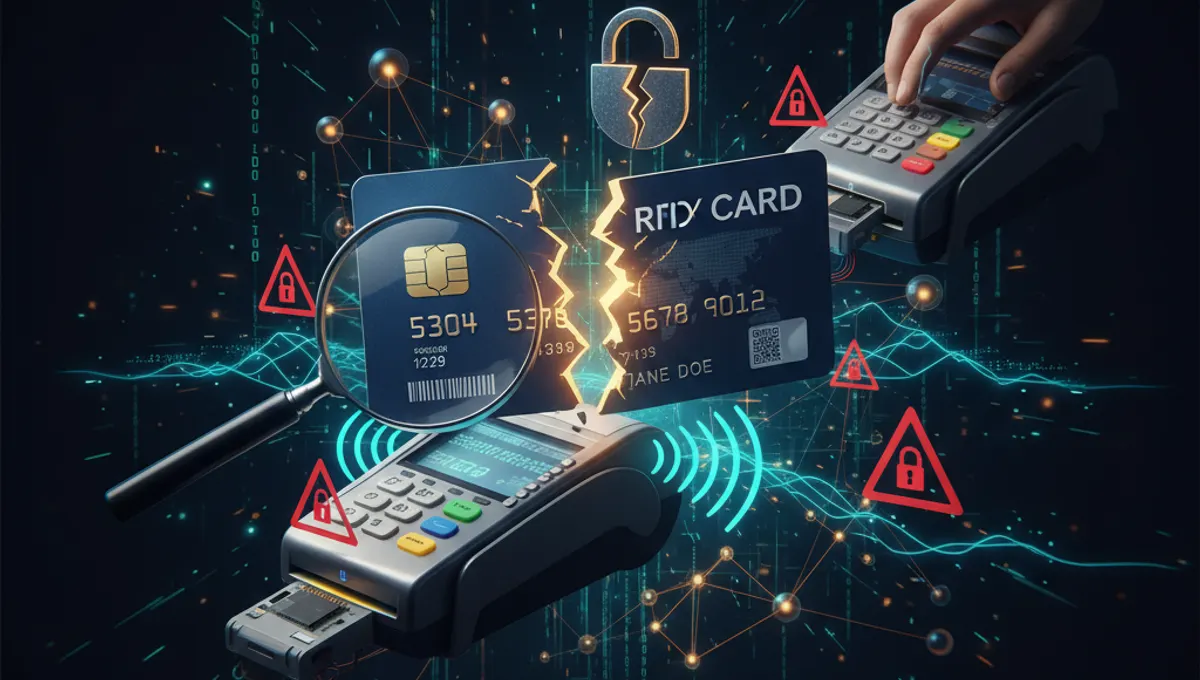
A skimming device reads and stores the magnetic stripe data or chip information from your card without your awareness. Traditional skimmers work by capturing the track data from the magnetic stripe, which contains your card number, expiration date, and sometimes the CVV. Newer handheld skimming devices can read contactless cards and NFC-enabled payment methods from a distance. Some devices, called shimming devices, are inserted directly into card slots and read EMV chip data. The captured information is then stored in the device's memory or transmitted wirelessly to a nearby receiver. This stolen data can later be used to create cloned cards or make fraudulent purchases. The latest skimming technology has evolved to bypass some security features, making detection increasingly difficult for average cardholders.
Types of New ATM Skimming Devices and Where They're Installed
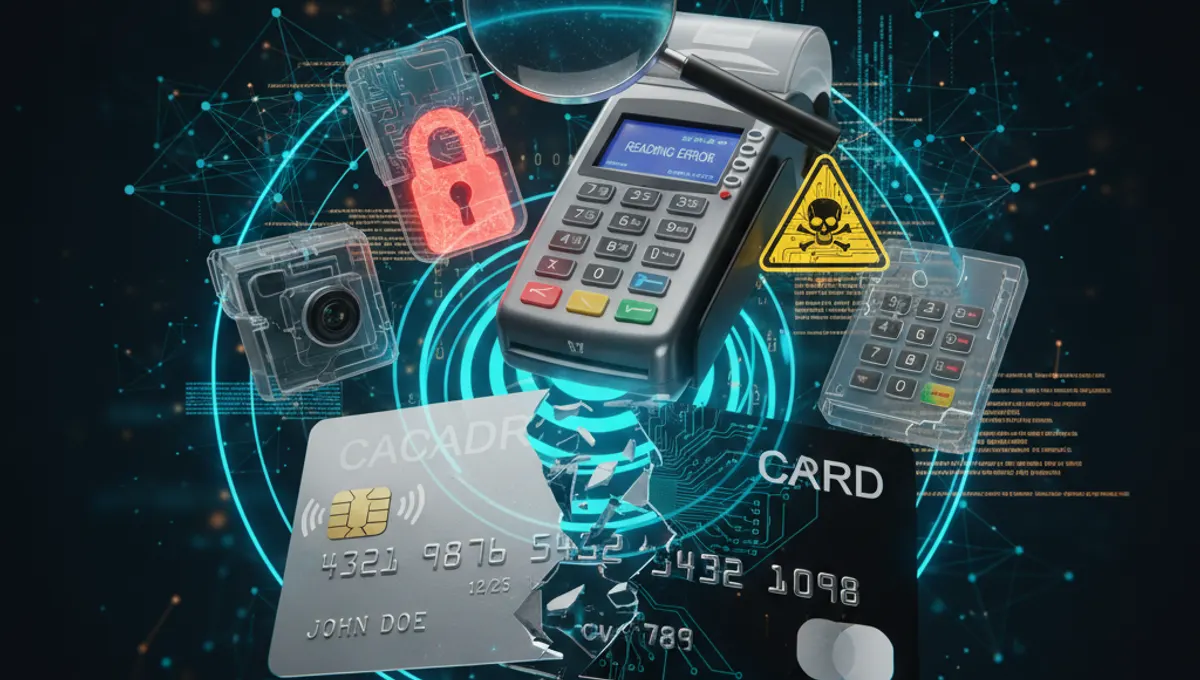
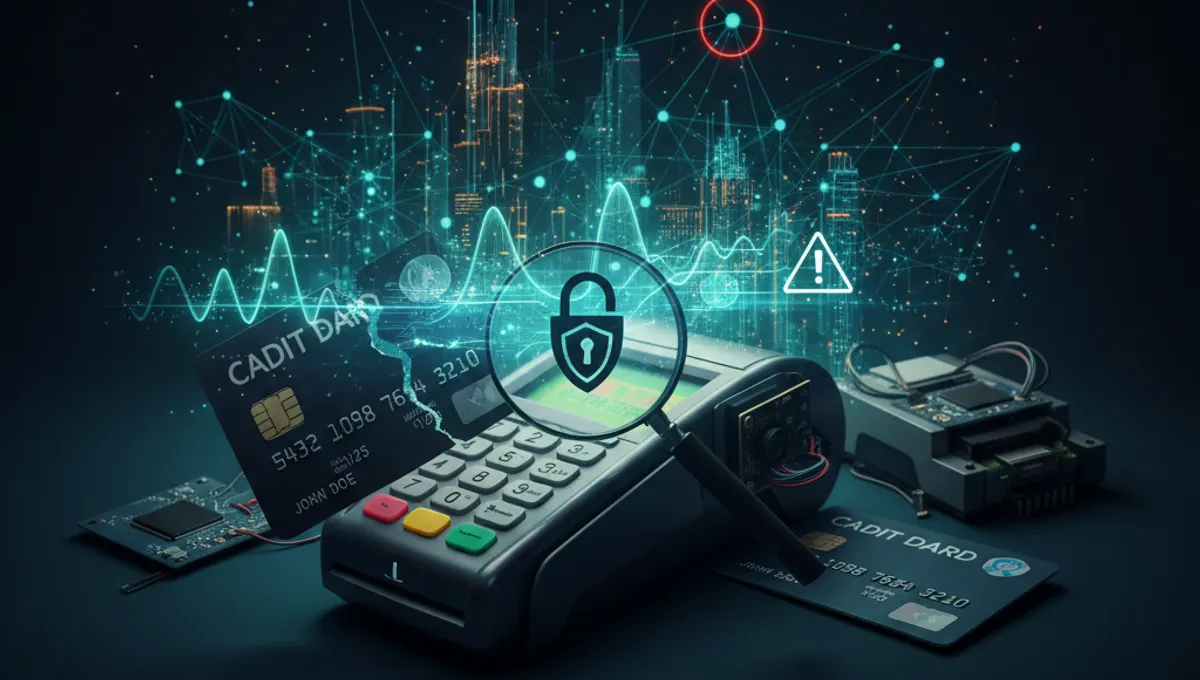
ATM skimming devices come in several forms, each designed to remain hidden while capturing card data. Deep-insert skimmers are placed inside the card slot mechanism and are difficult to detect visually. Overlay skimmers fit over the existing card slot like a sleeve, making the slot appear normal while capturing data. Keypad overlays record PIN entries when you type them in. Wireless ATM skimming devices transmit captured data via Bluetooth or GSM signals to a nearby receiver, eliminating the need for the fraudster to return and physically retrieve the device. Cashpoint skimming devices are specifically designed for use on bank ATMs and are often paired with hidden cameras to capture PIN numbers. Some new devices combine multiple technologies, reading both magnetic stripe and chip data simultaneously. These devices are typically installed by criminals who have access to the ATM or who work with insiders at financial institutions.
How to Detect a Skimming Device at ATMs and Gas Pumps
Detecting a skimming device requires careful visual inspection before using any card reader. Start by examining the card slot and surrounding area for loose, misaligned, or protruding parts that don't match the machine's design. Gently tug on the card slot cover, keypad, and any removable components to see if they're secure. Look for signs of tampering such as scratches, adhesive residue, or color mismatches. Check if the keypad feels different from normal or if keys are raised or loose. At gas pumps, compare the card reader to others nearby to spot inconsistencies. Use your phone's flashlight to look inside the card slot for any foreign objects or wires. If something feels off, don't use that machine. Use an alternative ATM or pump, and report your concerns to the bank or facility operator. Many banks now offer card readers with built-in skimmer detection, and some ATMs have anti-skimming technology that makes device installation more difficult.
The Cloned Card Sales Ecosystem and Dark Web Marketplaces
When card data is stolen via skimming devices, the information is sold on dark web marketplaces where buyers can purchase cloned cards or card details. These marketplaces operate similarly to conventional e-commerce sites but use anonymity-focused networks and cryptocurrency for transactions. Sellers list stolen card information in bulk, often organized by card type, issuing bank, and available balance. Buyers purchase this data to create physical cloned cards or to make fraudulent online purchases. The ecosystem includes specialized services such as card encoding machines, blank card stock, and tutorials on card cloning techniques. Prices vary based on card type, available funds, and verification status. Some marketplaces offer buyer protection guarantees and seller ratings to build trust within the criminal community. The supply chain depends on continuous theft through skimming devices, data breaches, and other acquisition methods. Law enforcement agencies worldwide monitor these marketplaces, but the decentralized nature of the dark web makes complete shutdown difficult. Participation in buying or selling cloned cards carries serious legal consequences including fraud charges, identity theft charges, and device-based fraud charges, with penalties varying by jurisdiction.
Legal Consequences of Possessing, Using, or Selling Cloned Cards
Possession of cloned cards or card-making equipment can result in charges related to fraud, identity theft, and unauthorized access to financial systems. Using a cloned card to make purchases constitutes fraud and potentially wire fraud if the transaction crosses state or international lines. Selling cloned cards or card data is treated as trafficking in stolen financial information and can lead to more severe penalties than simple possession. Charges typically fall into categories including credit card fraud, identity theft, access device fraud, and conspiracy. Penalties depend on the jurisdiction and specific circumstances of the case, including the number of cards involved, the total amount defrauded, and prior criminal history. Some jurisdictions impose mandatory minimum sentences for financial crimes involving multiple victims or large sums. Federal charges carry different penalty ranges than state charges. Restitution to victims is often required in addition to fines and imprisonment. A criminal record for fraud or identity theft can result in long-term employment difficulties, housing discrimination, and professional licensing restrictions. Anyone facing charges related to cloned cards should consult with a criminal defense attorney in their jurisdiction for specific legal guidance.
Protecting Your Card: Detection Methods and Preventive Measures
Multiple strategies can reduce your risk of card skimming and fraud. Use contactless or tokenized payment methods when available, as these technologies don't transmit your full card number to the merchant. Enable transaction alerts on your bank account so you're notified immediately of any charges. Check your statements regularly for unauthorized purchases and report discrepancies promptly. Consider using virtual card numbers for online purchases, which generate temporary numbers that can't be reused. Use chip readers instead of magnetic stripe when available, as EMV chips are more difficult to clone than magnetic data. Avoid using ATMs in isolated or poorly lit locations. Cover the keypad with your hand when entering your PIN. Use ATMs operated by your own bank when possible, as these are typically monitored more closely. Keep your card in sight during transactions and never let it out of your possession. Use RFID-blocking wallets if you have contactless cards, though the risk of remote skimming is lower than commonly believed. Monitor your credit reports for signs of identity theft and consider placing a fraud alert or credit freeze with the credit bureaus.
What to Do If Your Card Information Has Been Compromised
If you discover unauthorized charges or suspect your card information has been stolen, contact your card issuer immediately. Most banks offer fraud protection that limits your liability for unauthorized charges. Report the fraudulent transactions in detail, including dates, amounts, and merchants. Your bank will typically cancel your current card and issue a replacement within 7-10 business days. File a dispute for each fraudulent charge through your bank's dispute resolution process. Keep documentation of all communications with your bank and copies of statements showing the unauthorized charges. File a report with the Federal Trade Commission if your personal information was compromised, as this creates an official record. Consider placing a fraud alert with the credit bureaus to prevent criminals from opening new accounts in your name. Monitor your credit reports for suspicious activity for at least one year after the incident. If your information was part of a data breach, check if the affected company is offering credit monitoring services. Refund timelines vary by bank but typically range from 3-10 business days for provisional credits, with full resolution within 30-60 days. Document everything for potential insurance claims or tax purposes if applicable.
Frequently asked questions
Can a skimming device read EMV chip cards?
Some newer skimming devices called shimming devices can read EMV chip data, though it's more difficult than reading magnetic stripe data. Shimming devices are inserted into the card slot and intercept the chip communication. However, EMV chips are more secure than magnetic stripes because they generate unique transaction codes that can't be reused. Cloning an EMV chip requires more sophisticated equipment than cloning a magnetic stripe.
How can I tell if an ATM has a skimming device?
Inspect the card slot, keypad, and surrounding area for loose, misaligned, or protruding parts. Gently tug on removable components to check if they're secure. Look for scratches, adhesive residue, or color mismatches. Check if the keypad feels normal and keys aren't raised or loose. Compare the card reader to nearby machines for inconsistencies. If something feels wrong, don't use that machine and report it to the bank.
What happens if someone uses my cloned card?
If your card is cloned and used fraudulently, contact your bank immediately to report the unauthorized charges. Most banks limit your liability for fraud to zero or a small amount under consumer protection laws. Your bank will cancel your card and issue a replacement. File a dispute for each fraudulent charge. The bank will investigate and typically issue a provisional credit within 3-10 days, with full resolution within 30-60 days.
Are contactless payments safer from skimming?
Contactless payments offer some advantages over magnetic stripe cards because they use tokenization and encryption. However, contactless cards can still be skimmed by specialized handheld devices that read the card data from a distance. The risk is lower than with magnetic stripe cards, but not eliminated. Using virtual card numbers or transaction alerts provides additional protection layers.
What are the penalties for using a cloned card?
Using a cloned card constitutes fraud and can result in criminal charges including credit card fraud, identity theft, and access device fraud. Penalties vary significantly by jurisdiction, the number of cards involved, and the total amount defrauded. Consequences can include fines, restitution to victims, and imprisonment. A criminal record for fraud can result in employment difficulties and professional licensing restrictions. Consult a criminal defense attorney for jurisdiction-specific guidance.