What Is a Credit Card Skimmer and How Does It Work
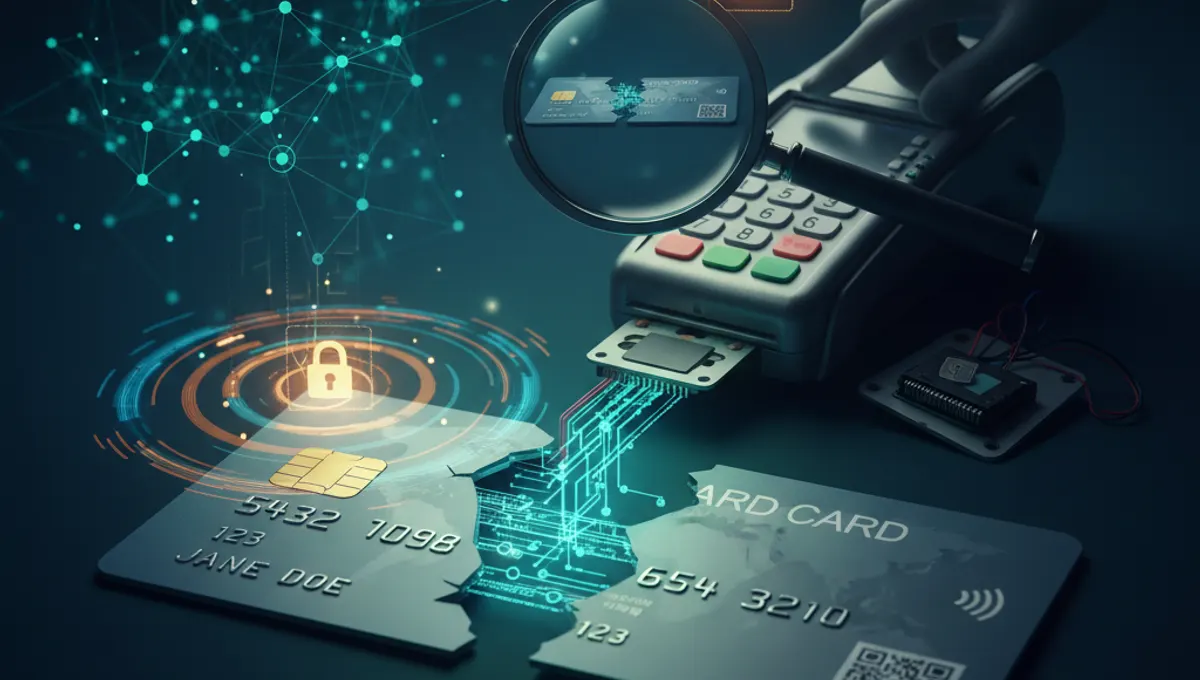
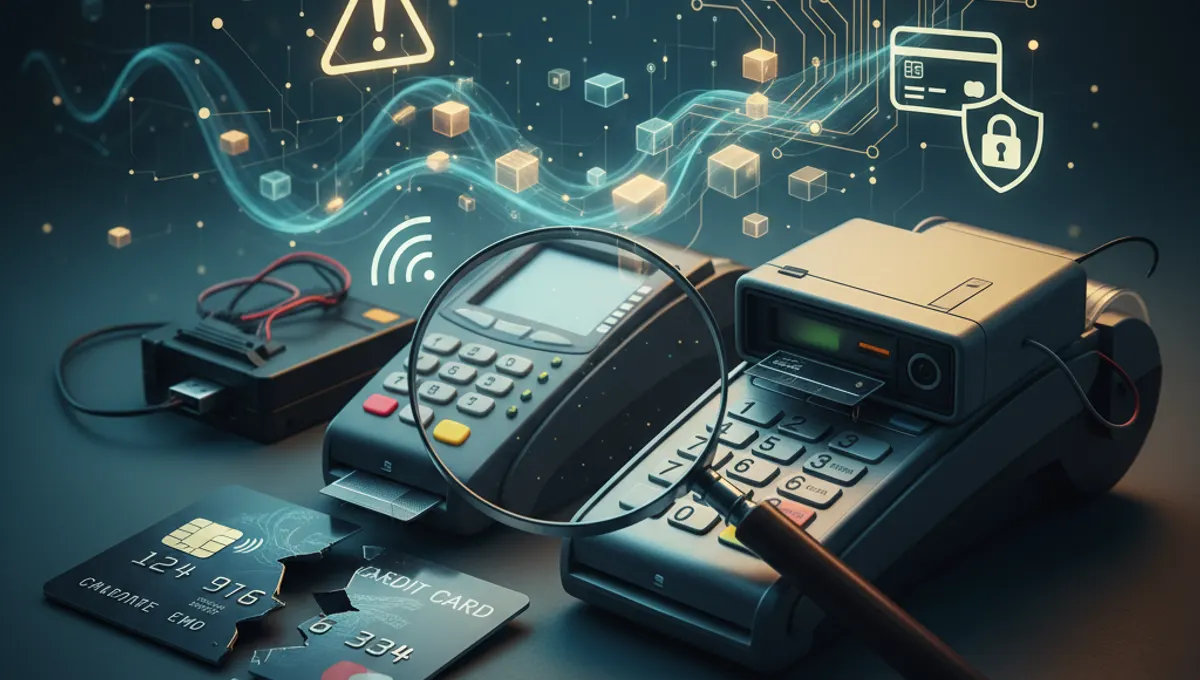
A credit card skimmer is a device designed to capture card information during a legitimate transaction. Skimmers operate through two main methods: magnetic stripe reading, which copies data from the magnetic strip on older cards, and shimming, which targets EMV chip readers by inserting a thin device into the card slot. Skimmers can also be software-based, installed on point-of-sale terminals or ATM systems to intercept data as it passes through. Physical skimmers are commonly placed on gas pumps, ATM facades, and convenience store terminals. The captured data—card number, expiration date, and sometimes PIN—is later used to create cloned cards or make unauthorized purchases. Understanding how skimmers function helps you recognize the warning signs when checking for them at payment terminals.
Physical Signs to Look for When Checking ATM and Gas Pump Readers
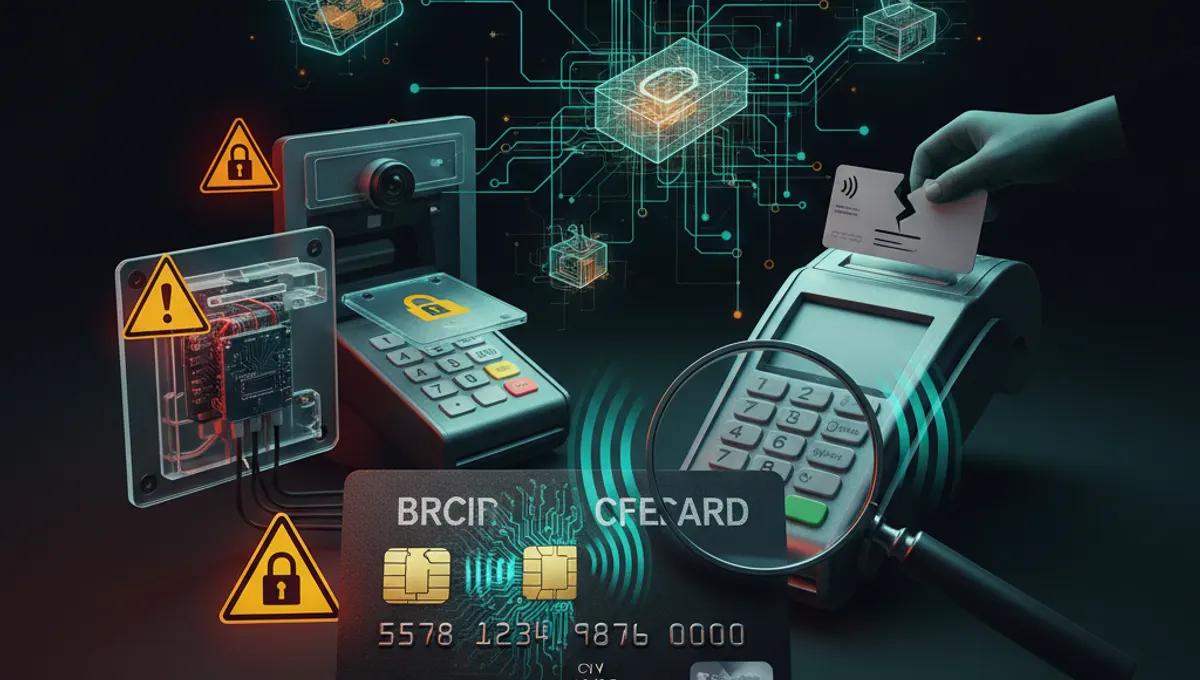
When checking for a card skimmer at an ATM or gas pump, start by visually inspecting the card reader slot. Look for loose, misaligned, or protruding parts that don't match the rest of the machine's design. Run your fingers around the edges of the card slot—a skimmer overlay will feel raised or uneven compared to the surrounding surface. Check the keypad for signs of tampering, such as a raised or wobbly surface, or keys that feel different from the rest. Examine the area around the machine for small cameras, wireless devices, or unusual attachments. At gas pumps specifically, verify that the pump door seals properly and that the card reader panel is flush with the machine body. At 7-Eleven and similar convenience stores, inspect both the card reader and the PIN pad before use. Trust your instincts—if something looks or feels out of place, use a different terminal or payment method.
How to Test a Card Reader for Tampering
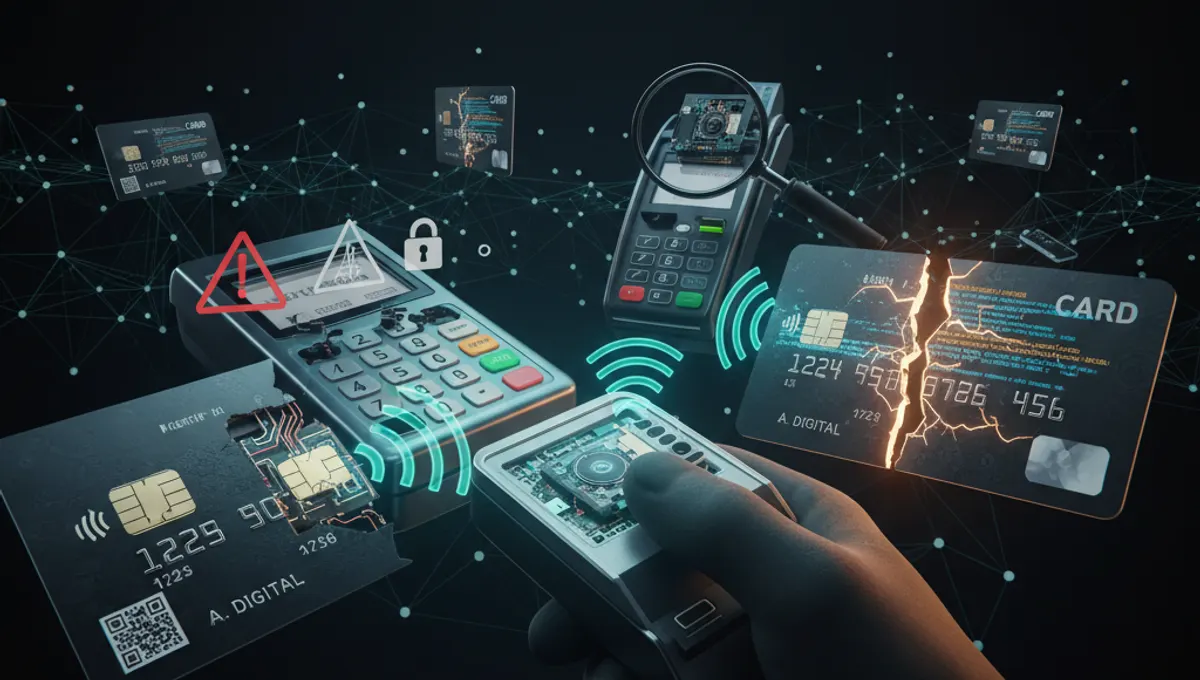
To test a card reader for tampering, gently tug on the card slot and surrounding bezel. A legitimate reader is firmly attached; a skimmer overlay may shift or come loose under light pressure. Press on the keypad buttons to ensure they all have consistent resistance and feedback. Uneven or sticky keys may indicate a shimmer device or overlay. Wiggle the entire card reader panel if the design allows—it should not move. Before inserting your card, look inside the slot with your phone's flashlight to check for any internal devices or obstructions. If you notice anything unusual, do not use that terminal. Report it to the business owner or bank immediately. At ATMs, contact the bank that operates the machine. At gas pumps, notify the station attendant. These precautions help prevent your card data from being captured by a best credit card skimmer or similar device.
What Cloned Cards Are and How They Result from Skimming
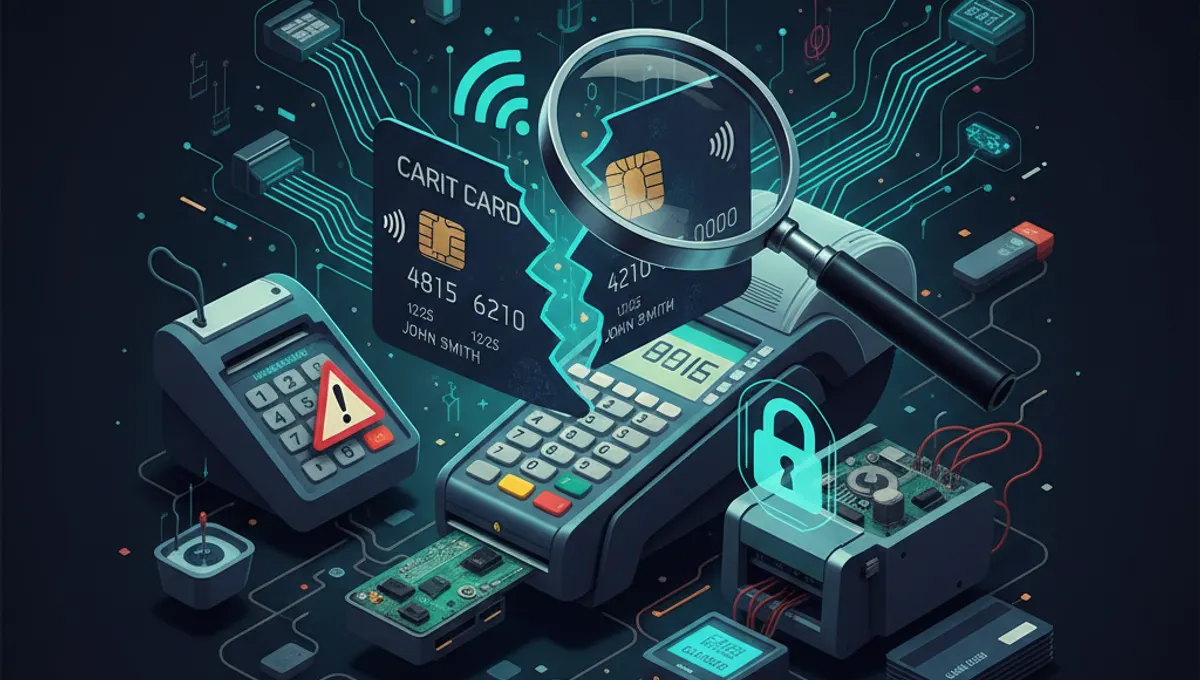
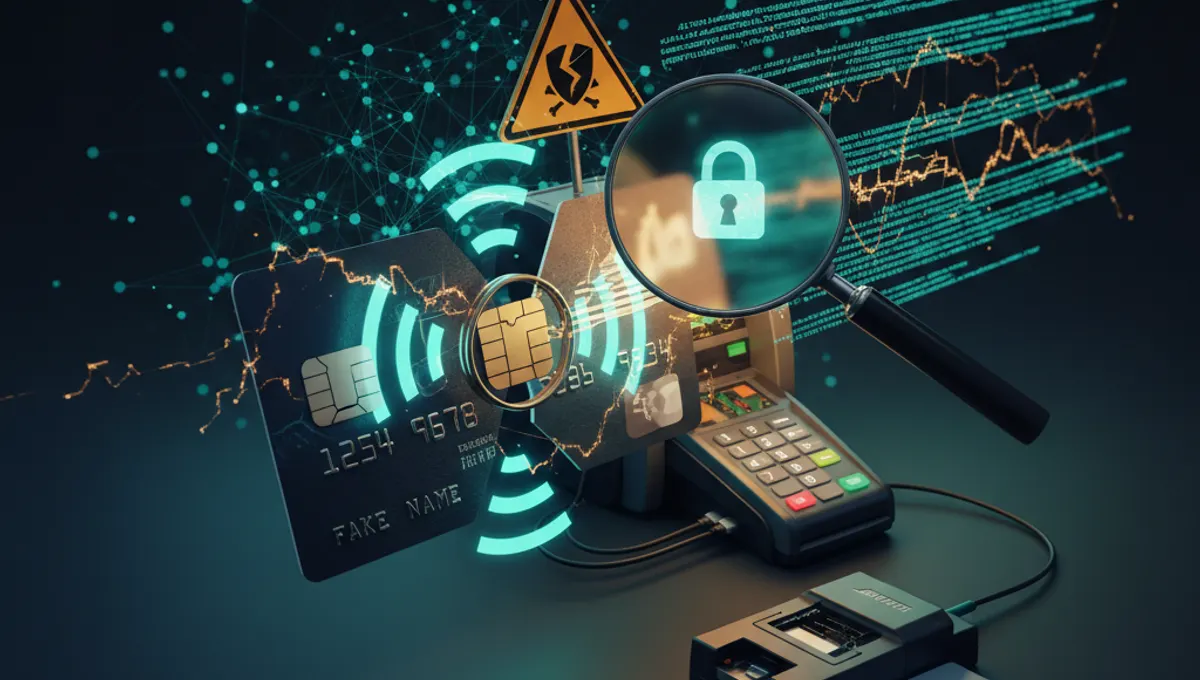
A cloned card is a duplicate of a legitimate credit or debit card created using data stolen by a skimmer. When a skimmer captures your magnetic stripe or chip data, criminals use that information to encode a blank card with your account details. The cloned card functions like your original card at point-of-sale terminals and ATMs, allowing fraudsters to make purchases or withdraw cash in your name. Cloned cards are often sold on dark web marketplaces, where buyers purchase them to commit fraud. The data used to create cloned cards comes from multiple sources: skimmers at ATMs and gas pumps, data breaches at retailers, and compromised payment processors. EMV chip technology has reduced cloning of chip-enabled cards, but magnetic stripe data remains vulnerable. Contactless and tokenized payments offer additional protection by not transmitting your full card number. Understanding the link between skimmers and cloned cards emphasizes why detecting skimmers early is critical to preventing fraud.
How the Dark Web Cloned Card Marketplace Operates
The dark web cloned card marketplace functions as an underground economy where stolen card data and cloned cards are bought and sold. Sellers on these platforms offer cards with varying levels of verification, often categorized by card type, issuing bank, and available balance. Transactions typically occur through cryptocurrency to maintain anonymity. Buyers purchase cloned cards to commit fraud, make unauthorized purchases, or withdraw cash from ATMs. The ecosystem also includes services such as drop addresses for receiving goods purchased with cloned cards and tutorials on avoiding detection. Law enforcement agencies worldwide actively monitor these marketplaces and pursue both sellers and buyers. Participation in buying or selling cloned cards carries serious legal consequences, including federal fraud charges, identity theft charges, and device-based fraud charges. The operation of these marketplaces depends on a continuous supply of stolen card data, which makes skimmer detection and prevention essential for protecting your financial information.
Steps to Protect Your Card from Skimmers and Fraud
Protecting your card from skimmers involves multiple strategies. First, always inspect card readers before use, as described above. Second, use contactless or tokenized payment methods when available—these technologies do not transmit your full card number to the terminal. Third, enable transaction alerts through your bank's mobile app or website so you receive notifications of any charges. Fourth, consider using virtual card numbers for online purchases; many banks and payment services offer single-use card numbers that limit exposure if compromised. Fifth, monitor your bank and credit card statements regularly for unauthorized charges. Sixth, use ATMs located inside banks rather than standalone machines, which are more frequently targeted. Seventh, cover the keypad with your hand while entering your PIN to prevent hidden cameras from capturing it. Eighth, consider using a card reader-blocking wallet if you have contactless cards, though this is less critical with modern EMV technology. These steps significantly reduce your risk of becoming a victim of card skimming.
What to Do If Your Card Has Been Compromised or Skimmed
If you discover unauthorized charges or suspect your card has been skimmed, contact your bank or card issuer immediately. Most financial institutions have fraud departments available 24/7. Report the fraudulent transactions and request that your card be cancelled and replaced. File a dispute for each unauthorized charge; banks typically investigate disputes within 10 business days and often issue provisional credits within 2-3 business days while the investigation continues. Keep documentation of all communications with your bank, including dates, times, and names of representatives. Place a fraud alert on your credit reports with the three major credit bureaus—Equifax, Experian, and TransUnion—to prevent criminals from opening accounts in your name. Consider freezing your credit if you believe your personal information has been compromised. Request a new card with a different number; most banks issue replacements within 5-10 business days. Monitor your credit reports for suspicious activity for at least one year. If the skimming occurred at a specific location, report it to the business and local law enforcement so others can be warned.
Frequently asked questions
What does a credit card skimmer look like?
A physical skimmer typically appears as a raised or slightly misaligned overlay on a card reader slot. It may be plastic or metal and often matches the color of the terminal. Some skimmers are thin enough to fit inside the card slot without being visible from the front. At gas pumps, skimmers may appear as an extra bezel around the reader. The key is that legitimate readers are flush and seamless, while skimmers create visible or tactile inconsistencies.
Can you detect a skimmer by looking at an ATM?
Yes, visual inspection can reveal many skimmers. Look for loose parts, misaligned panels, raised bezels around the card slot, or unusual attachments. Check the keypad for uneven surfaces or sticky buttons. Inspect the area around the machine for small cameras or wireless devices. However, some advanced skimmers are difficult to detect visually, which is why physical testing—gently tugging on components—is also important. If anything seems off, use a different ATM.
How do criminals use cloned cards after skimming your data?
After capturing your card data with a skimmer, criminals encode that information onto blank cards to create clones. These cloned cards are used to make purchases at retail locations, withdraw cash from ATMs, or sold on dark web marketplaces. Some cloned cards are used immediately by the thief; others are sold to other fraudsters. The stolen data may also be used for online fraud or identity theft. This is why detecting skimmers early prevents your data from being misused.
What are the legal consequences of buying or selling cloned cards?
Buying or selling cloned cards is illegal and prosecuted as fraud, identity theft, and device-based fraud depending on the jurisdiction and specific circumstances. Penalties vary by location but typically include federal charges, substantial fines, and imprisonment. Possession of cloning equipment or blank cards intended for fraud also carries criminal liability. Specific penalty ranges depend on the jurisdiction and the amount of fraud involved. Conviction can result in felony records that affect employment and housing opportunities.
How long does it take for a bank to refund fraudulent charges?
Banks typically issue provisional credits within 2-3 business days after you report fraudulent charges. The full investigation usually takes 10 business days, after which the bank either confirms the credit or reverses it if they determine the charge was legitimate. Under consumer protection laws in most jurisdictions, you are not liable for unauthorized charges if you report them promptly. Keep all documentation of your dispute and follow up with your bank if the refund is not processed within the stated timeframe.