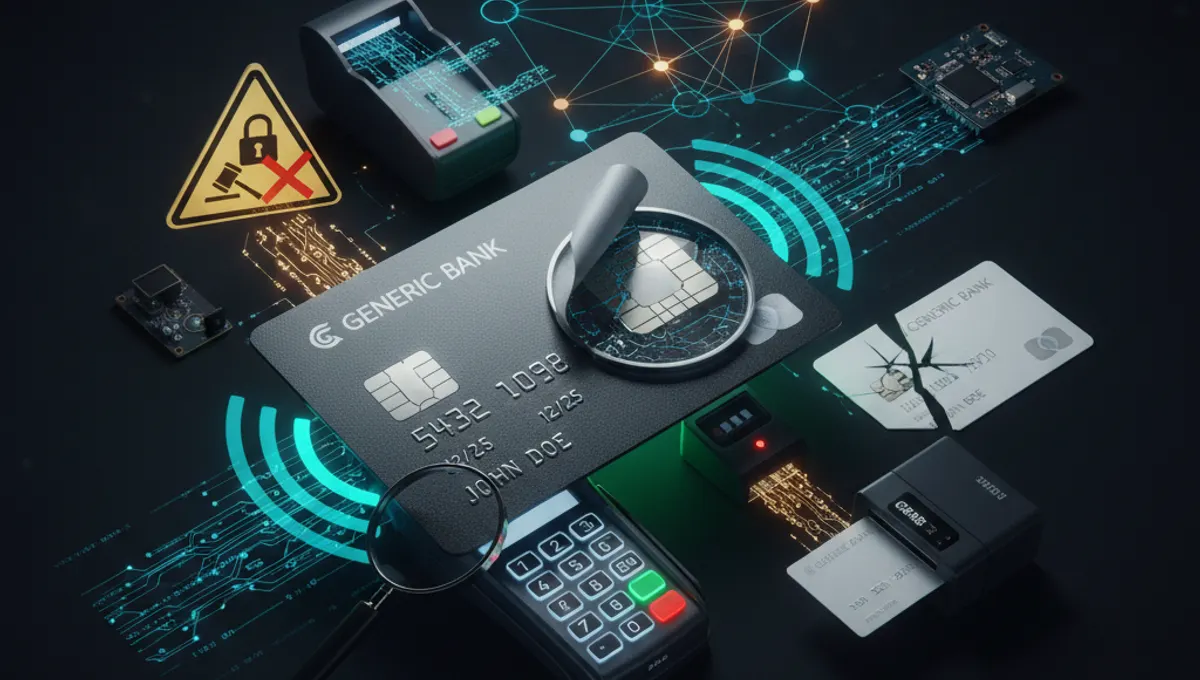
What Is an HID Card Cloner and How Does It Work
An HID card cloner reads and replicates the data stored on HID proximity cards or iClass cards without requiring physical contact with the original. HID proximity cards use 125 kHz radio frequency identification (RFID) technology, while iClass cards operate at 13.56 MHz and use encryption. A cloner device captures the electromagnetic signal emitted by the card, extracts the unique identifier or credential data, and writes that information to a blank card or compatible device. The process differs from magnetic stripe cloning used on payment cards; HID cloners target access control systems in offices, data centers, and secure facilities. Some cloners can also replicate AWID cards and generic proximity card formats. The cloned card then functions identically to the original, granting unauthorized access to restricted areas.
The Cloned Card Sales Ecosystem on Dark Web Marketplaces
Cloned access cards are sold on dark web marketplaces as part of a broader carding ecosystem. Sellers acquire blank cards and cloning equipment, then offer pre-cloned cards or cloning services to buyers seeking unauthorized facility access. These marketplaces operate similarly to other dark web commerce platforms, with vendor ratings, escrow systems, and cryptocurrency payments. Buyers range from individuals seeking access to specific buildings to organized groups targeting corporate espionage or theft. The dark web provides anonymity for both parties and reduces the risk of law enforcement detection compared to surface-level transactions. Prices vary based on the card type, facility target, and seller reputation. Some vendors also sell the cloning devices themselves, along with tutorials on how to operate them. The market persists because access card data is relatively static and difficult to revoke quickly once compromised.
Legal Consequences of Possession, Use, and Sale
The legal consequences of possessing or using a cloned HID card depend on jurisdiction and intent. Possession of a cloning device without authorization is typically prosecuted under access device fraud statutes, which carry felony charges in most jurisdictions. Using a cloned card to gain unauthorized access to a facility may result in charges for burglary, trespassing, or identity theft, depending on what occurs inside the facility and whether property is stolen. Selling cloned cards or cloning devices is prosecuted as fraud, conspiracy, or trafficking in access devices. Specific penalty ranges vary by jurisdiction and the severity of the underlying crime; some jurisdictions impose mandatory minimum sentences for organized fraud schemes. Federal charges under the Computer Fraud and Abuse Act or the Access Device Fraud statute can result in substantial prison time and fines. State-level charges may carry different penalties. Conviction typically results in a felony record, affecting employment and housing prospects. Restitution to victims is often required as part of sentencing.
How Cloned Card Transactions Occur on Dark Web Platforms
Dark web marketplaces facilitate cloned card sales through structured transaction processes designed to minimize detection. Buyers access the marketplace using Tor or a VPN, browse vendor listings, and select cards based on facility type, location, or card format (HID proximity, iClass, AWID, or generic key card cloner options). Payment is made in cryptocurrency, typically Bitcoin or Monero, which provides pseudonymity rather than true anonymity. The marketplace holds funds in escrow until the buyer confirms receipt and satisfaction. Delivery occurs through postal mail or dead drops in physical locations. Vendors often provide proof of functionality, such as photos of the cloned card working at a target facility or video demonstrations. Repeat buyers build trust with vendors through positive feedback ratings. Some marketplaces require vendor bonds or deposits to reduce fraud. Law enforcement agencies monitor these platforms and have successfully prosecuted both buyers and sellers by tracing cryptocurrency transactions and coordinating with postal services.
How to Protect Your Access Card from Cloning
Protection against HID card cloning involves both personal vigilance and organizational security measures. Keep your card on your person and avoid leaving it unattended in public spaces where it could be scanned by a cloner device. Request a Faraday pouch or RFID-blocking sleeve from your organization if available; these block radio frequency signals and prevent unauthorized scanning. Monitor access logs and alert your security team if you notice unauthorized access attempts using your card credentials. Organizations should implement multi-factor authentication for high-security areas, requiring both a card and a PIN or biometric verification. Regularly audit access logs for anomalies and revoke credentials immediately if compromise is suspected. Upgrade to encrypted card systems like iClass SE or iClass SE2, which are more resistant to cloning than standard proximity cards. Implement rolling codes or time-based credentials that change periodically. Educate employees about the risks of lost or stolen cards and establish clear procedures for reporting suspected compromise. Physical security measures such as security guards and surveillance cameras deter unauthorized access attempts.
What to Do If Your Card Information Is Compromised
If you suspect your HID access card has been cloned or compromised, notify your organization's security team immediately. Provide details about when and where you last used the card, any unusual access attempts, or suspicious activity in your work area. Your organization should revoke your current card credentials and issue a replacement card with a new credential number. Request a detailed access log for your account to identify any unauthorized access events. If the compromise resulted in theft, data breach, or other criminal activity, your organization may file a police report and provide evidence to law enforcement. Document the timeline of events and any communications with your security team. If you suspect your personal information was accessed through the compromised card, monitor your financial accounts and credit reports for fraudulent activity. Place a fraud alert with credit bureaus if necessary. Your organization may offer identity protection services or credit monitoring as part of incident response. Avoid using the compromised card for any purpose and destroy it once a replacement is issued.
Related Card Cloning Technologies and Devices
Beyond HID card cloners, several related technologies target different access card formats. An HID iClass card cloner specifically targets iClass systems and may include encryption-breaking capabilities depending on the device model. An HID proximity card cloner focuses on standard 125 kHz proximity cards, which are older and more vulnerable to cloning. An AWID card cloner replicates AWID brand access cards, which use similar frequency ranges to HID proximity cards. A generic ID card cloner or key card cloner may support multiple formats and frequencies, offering versatility for attackers targeting diverse facilities. Magnetic stripe cloners, while primarily used for payment card fraud, can also target magnetic stripe access cards in older systems. NFC cloners target newer contactless systems. Understanding these variations helps security professionals implement appropriate defenses and helps individuals recognize the specific threats relevant to their organization's access control infrastructure.
Frequently asked questions
Can an HID card cloner work through a wallet or bag?
Yes, HID proximity card cloners operate at 125 kHz frequency and can read cards through thin materials like wallets, bags, and clothing. The radio frequency signal penetrates non-metallic barriers. This is why keeping your card in a Faraday pouch or RFID-blocking sleeve provides protection; these materials contain conductive layers that block the signal.
What is the difference between HID proximity and iClass card cloning?
HID proximity cards use unencrypted 125 kHz signals and are relatively simple to clone with basic equipment. iClass cards operate at 13.56 MHz and include encryption, making them more difficult but not impossible to clone. Advanced cloners can break iClass encryption, but the process requires more sophisticated equipment and technical knowledge than proximity card cloning.
How do I know if my access card has been cloned?
You may not know immediately. Signs include unauthorized access attempts logged to your card credentials, security alerts from your organization, or discovering someone accessed your workspace when you were absent. Request an access log from your security team if you suspect compromise. Your organization should monitor for multiple simultaneous access attempts or access from unusual locations or times.
Are cloned cards sold with guarantees on dark web marketplaces?
Some dark web vendors offer limited guarantees, such as replacement if the cloned card does not function at the specified facility. However, these guarantees are unenforceable and depend entirely on vendor reputation. Escrow systems provide some buyer protection, but disputes are resolved through marketplace moderators rather than legal channels. Buyers assume significant risk.
What federal laws apply to HID card cloning in the United States?
The Computer Fraud and Abuse Act (18 U.S.C. § 1030) and the Access Device Fraud statute (18 U.S.C. § 1029) are primary federal laws. Possession of a cloning device with intent to defraud, unauthorized access to computer systems, and trafficking in access devices all carry felony charges. State laws vary but typically include fraud, burglary, and trespassing statutes. Consult official Department of Justice resources for specific penalty information.