What Is a Debit Card Skimmer and How Does It Work
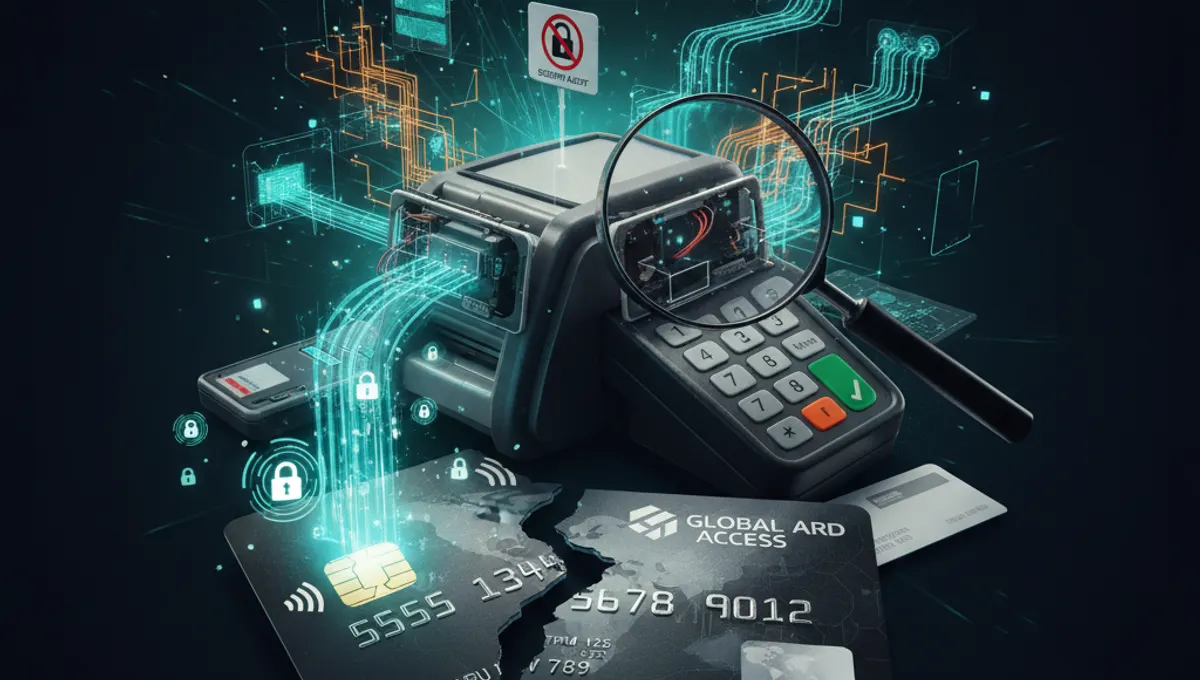
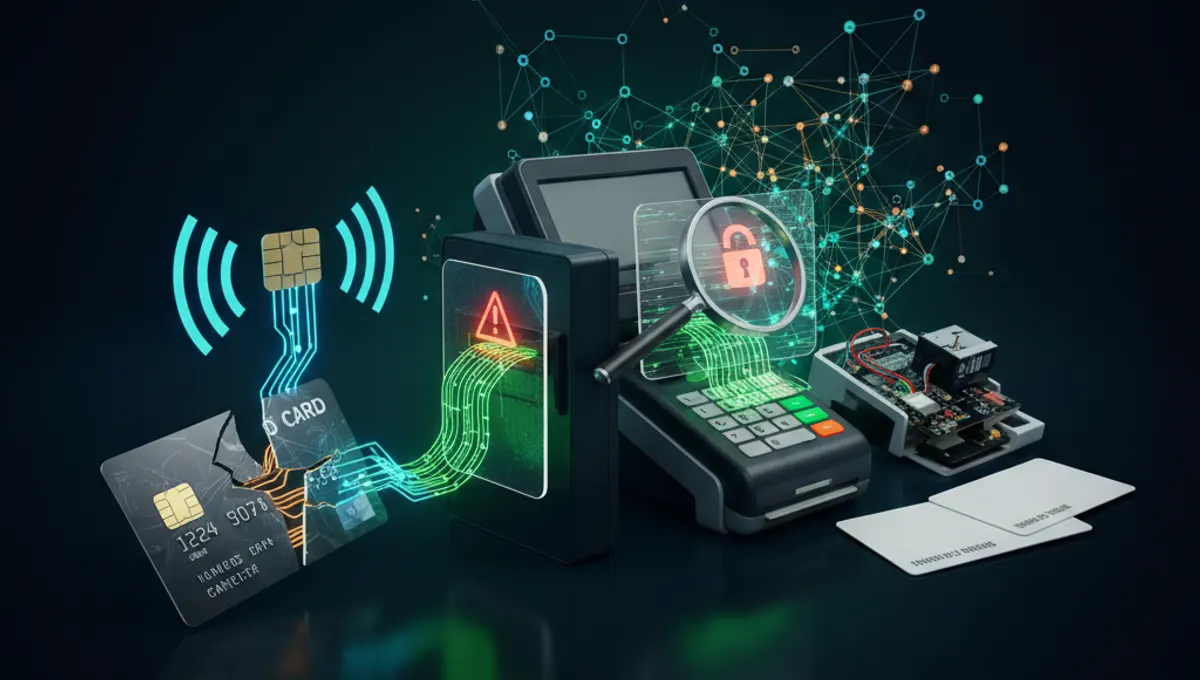
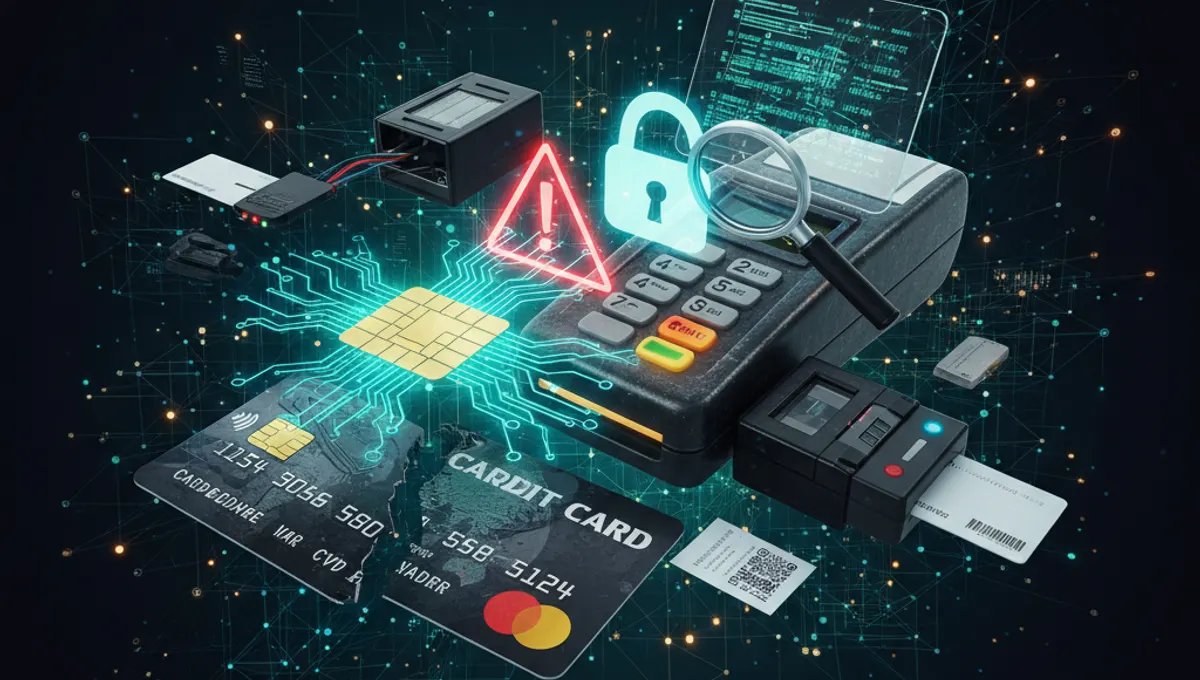
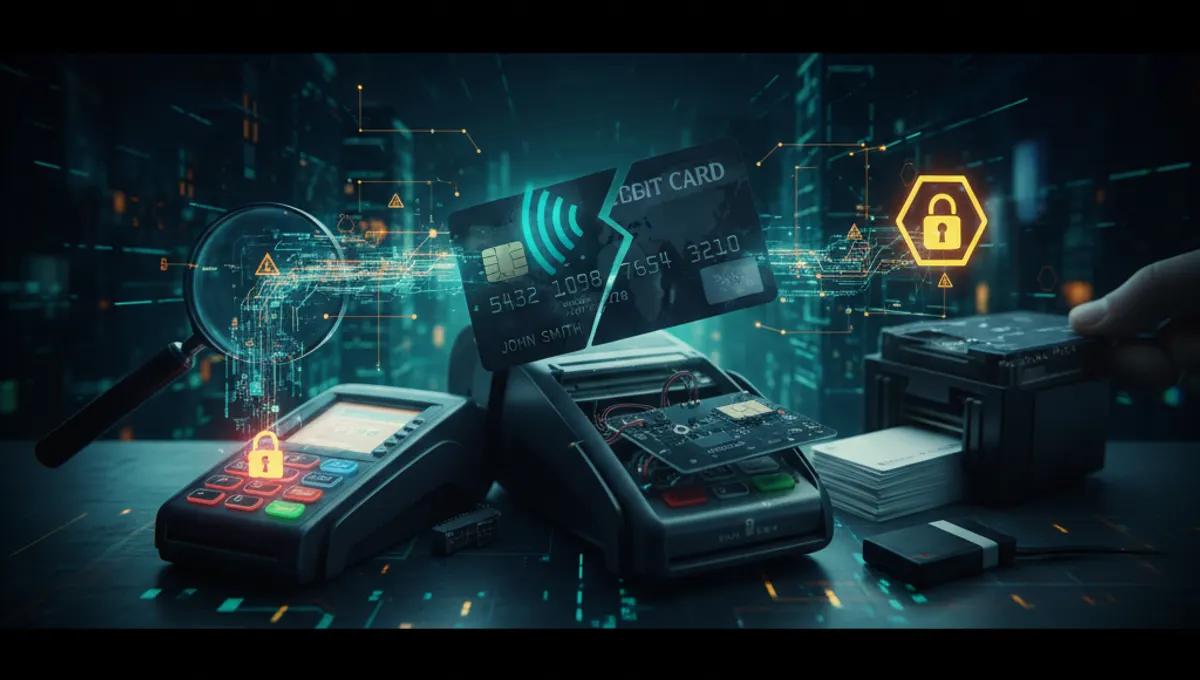
A debit card skimmer is a device or software designed to capture card information without your knowledge. At gas stations, skimmers are typically installed inside the pump's card slot or overlaid on the exterior. When you insert or swipe your card, the skimmer reads the magnetic stripe data, which contains your card number, expiration date, and sometimes your PIN. Some advanced skimmers also target EMV chip readers by using shimming technology—a thin insert that intercepts data before it reaches the legitimate chip reader. Gas pump skimmers are particularly effective because they operate unattended and can remain in place for weeks. Criminals may also pair skimmers with hidden cameras or PIN pads to capture your personal identification number, giving them complete access to your account.
Debit Card Skimming Scams: The Data Theft Pipeline
Once a debit card skimmer collects your information, the stolen data enters a criminal supply chain. Skimmed card details—including the full card number, expiration date, CVV, and sometimes PIN—are extracted from the device and compiled into batches. These credentials are then sold on dark web marketplaces, often bundled with other compromised cards. Buyers on these platforms use the data to create cloned cards, make fraudulent purchases, or drain accounts directly. The speed of this process means your card can be compromised within hours of skimming. Some criminal operations specialize in specific card types or bank regions to maximize resale value. The dark web ecosystem for cloned card sales operates through dedicated marketplaces where vendors maintain reputation scores and offer guarantees on card validity, creating a structured underground economy around stolen payment data.
How Cloned Cards Are Created and Sold on Dark Web Marketplaces
Cloned cards are created by encoding stolen magnetic stripe data onto blank card stock using specialized encoding devices. Once your debit card information is skimmed, a criminal can purchase blank cards and a magnetic stripe writer, then produce physical clones that match your account details. These cloned cards are then sold on dark web marketplaces, typically priced based on card type, bank, and account balance. Buyers access these marketplaces using Tor browsers and cryptocurrency for anonymity. Vendors often provide batch discounts and offer refunds if a card is reported as invalid within a specified timeframe. The buying and selling of cloned cards with full account access represents a major revenue stream for organized cybercrime groups. Dark web marketplaces operate continuously, with new vendors and card batches appearing regularly. Some marketplaces also offer tutorials on card cloning techniques and sell the equipment needed to produce clones independently.
How to Detect Debit Card Skimmers at Gas Pumps
Detecting a card skimmer requires visual inspection before you use a pump. Examine the card slot for loose, cracked, or misaligned components that differ from adjacent pumps. Skimmers are often slightly raised or protrude from the pump face. Check for hidden cameras mounted above the keypad or in the pump's bezel—these are used to capture your PIN. Wiggle the card slot gently; a legitimate slot should not move, while a skimmer overlay may shift or feel loose. Look at the PIN pad for signs of tampering, such as adhesive residue, discoloration, or a keypad that feels different from others at the same station. If something feels wrong, use a different pump or pay inside the station instead. Gas station attendants can also help identify suspicious equipment. Trust your instincts; if a pump looks unusual, it likely is.
Protecting Your Debit Card from Skimmers and Fraud
Several strategies reduce your risk of card skimming. Pay inside the station rather than at the pump when possible, as indoor payment terminals are monitored and less accessible to criminals. Use contactless payment methods like mobile wallets or tap-enabled cards, which transmit encrypted tokens instead of raw card data. Enable transaction alerts on your debit account so you receive notifications of any charges immediately. Consider using virtual card numbers generated by your bank for online purchases, as these cannot be used for in-person fraud. Monitor your bank statements weekly for unauthorized charges. Some banks offer card locking features that disable your card until you manually unlock it for use. Avoid using debit cards at unfamiliar or poorly maintained gas stations. If your bank offers it, request a chip-enabled card and always insert it rather than swiping, as chip readers are more secure than magnetic stripe readers.
What to Do If Your Debit Card Information Is Compromised
If you discover unauthorized charges or suspect your card has been skimmed, contact your bank immediately. Most banks allow you to dispute fraudulent charges by phone, online, or through their mobile app. Report the specific transactions you did not authorize and provide any relevant details, such as the location where you believe the skimming occurred. Your bank will typically issue a new card and reverse fraudulent charges within 5 to 10 business days, though some banks process disputes faster. File a report with your local police department and the Federal Trade Commission if identity theft is involved. Request a copy of your credit report from all three bureaus to check for unauthorized accounts opened in your name. Place a fraud alert on your credit file to prevent criminals from opening new accounts using your information. Keep records of all communications with your bank and documentation of the dispute process for your records.
Legal Consequences of Card Skimming and Cloning Fraud
The legal consequences for possessing, using, or selling cloned cards vary significantly by jurisdiction and the specific charges filed. Possession of skimming devices or cloned cards can result in charges related to fraud, identity theft, or unauthorized access to computer systems. Using a cloned card constitutes fraud and potentially wire fraud if the transaction crosses state or international lines. Selling cloned cards or operating a dark web marketplace for stolen payment data can lead to charges of conspiracy, money laundering, and trafficking in stolen goods. Penalties typically include fines, restitution to victims, and imprisonment. The length of sentences depends on factors such as the number of victims, total financial loss, and whether the offense is a first-time or repeat violation. Federal charges carry mandatory minimum sentences in some cases. Victims of card fraud are generally protected by federal law and are not liable for unauthorized charges, though the burden of proof falls on the cardholder to report the fraud promptly.
Frequently asked questions
Can I get my money back if my debit card is skimmed at a gas station
Yes. Federal law protects debit card holders from unauthorized charges. Contact your bank immediately to report the fraud. Most banks reverse fraudulent charges within 5 to 10 business days. Your liability is typically zero if you report the fraud promptly, though some banks may temporarily hold you responsible if you delay reporting by more than 60 days.
How can I tell if a gas pump has a skimmer installed
Inspect the card slot for loose, cracked, or misaligned parts. Check for hidden cameras above the keypad. Wiggle the card slot gently—it should not move. Look for adhesive residue or discoloration on the PIN pad. If the pump looks different from others at the station or feels wrong, use a different pump or pay inside.
What information does a gas station skimmer capture
A skimmer captures your card number, expiration date, and magnetic stripe data. If a hidden camera is present, it also records your PIN. Some advanced skimmers target EMV chip data. This information is sufficient for criminals to create cloned cards or make fraudulent purchases online.
Why are cloned cards sold on the dark web
The dark web provides anonymity for buyers and sellers. Cloned card credentials are sold in bulk batches at discounted prices. Dark web marketplaces offer vendor reputation systems and refund guarantees, creating a structured marketplace for stolen payment data. Cryptocurrency payments add another layer of anonymity to the transaction.
What are the penalties for possessing or using a cloned card
Penalties vary by jurisdiction but typically include fraud charges, identity theft charges, and device-based fraud charges. Sentences can range from misdemeanor charges with fines to felony convictions with years of imprisonment. Using a cloned card may result in federal charges if the transaction crosses state lines. Restitution to victims is often required in addition to fines and incarceration.