What Is a Cloned Card and How Are They Created
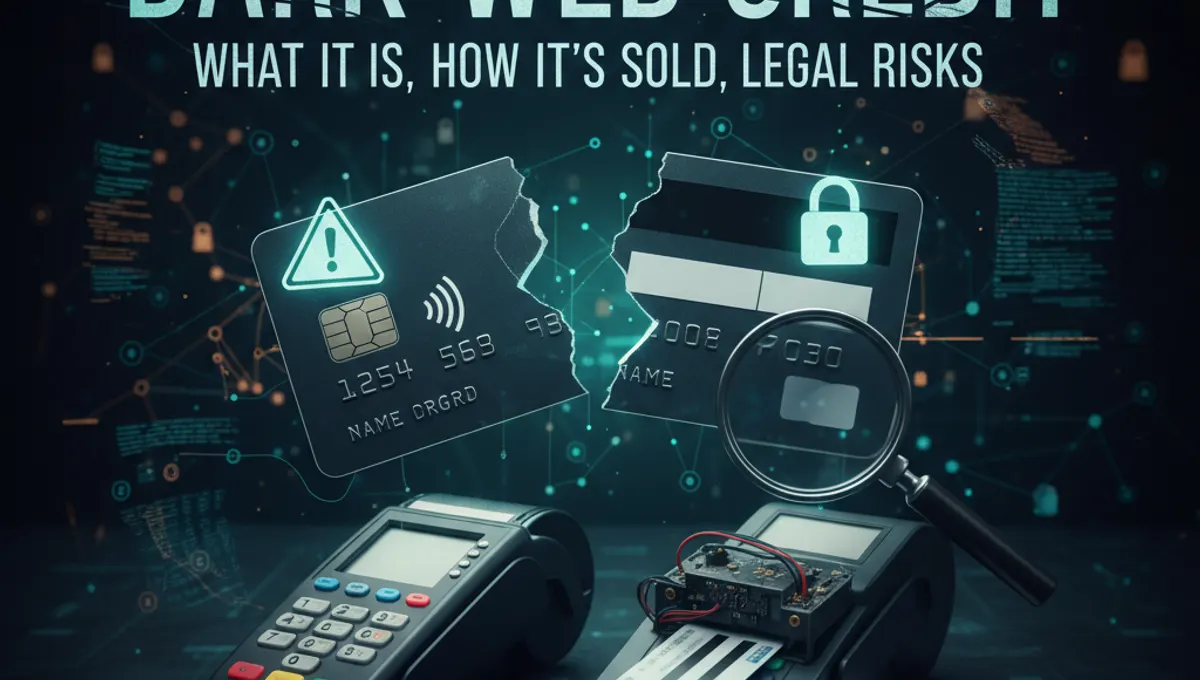
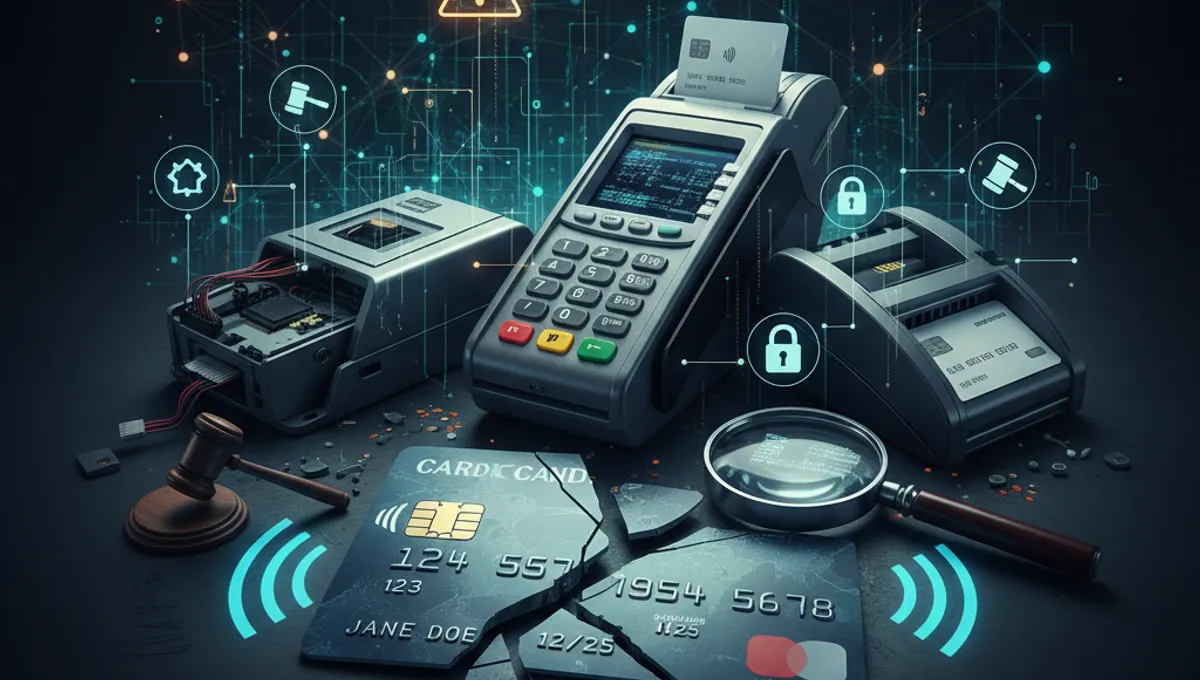
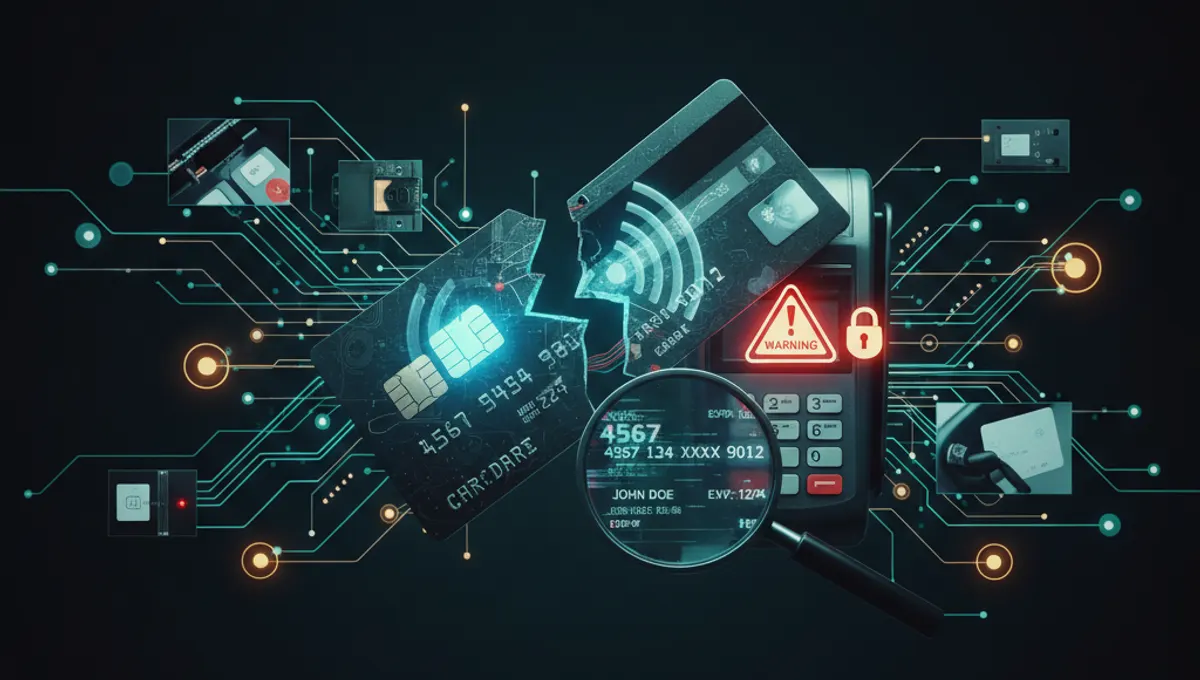
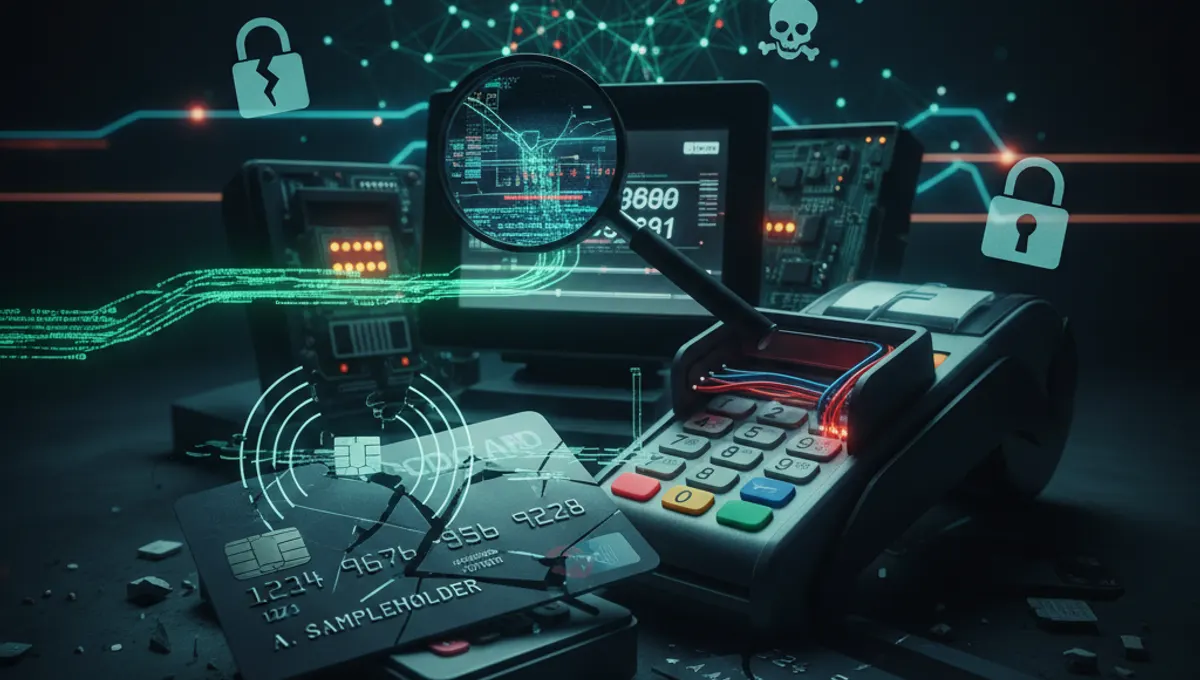
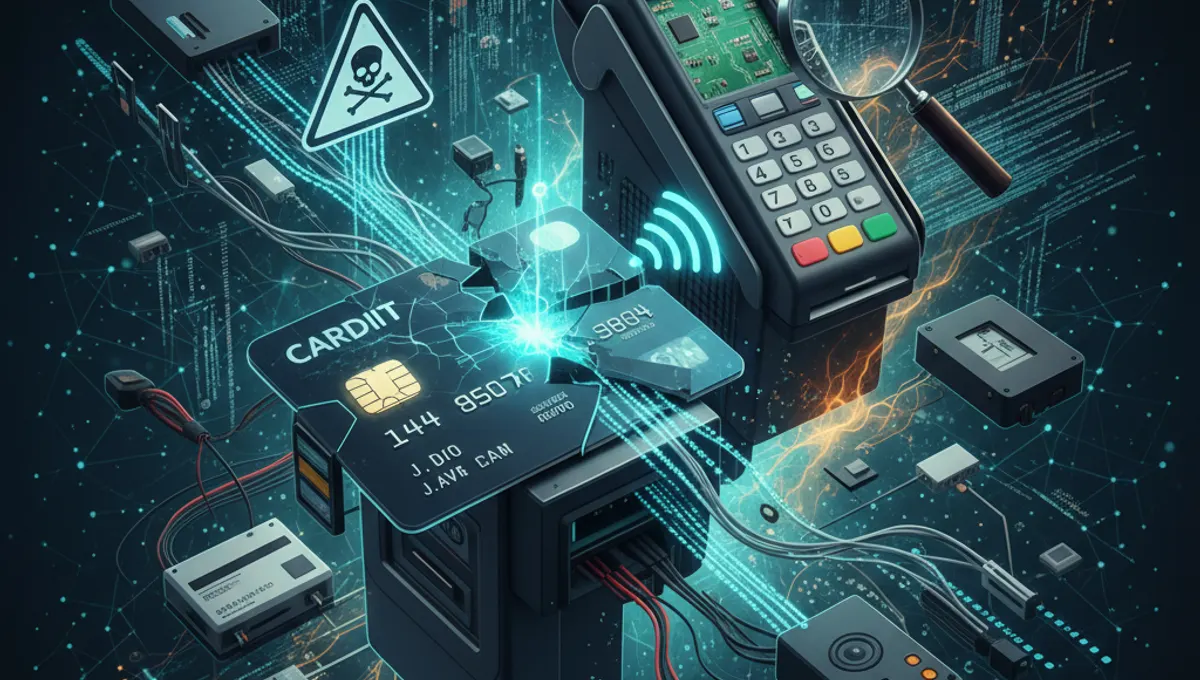
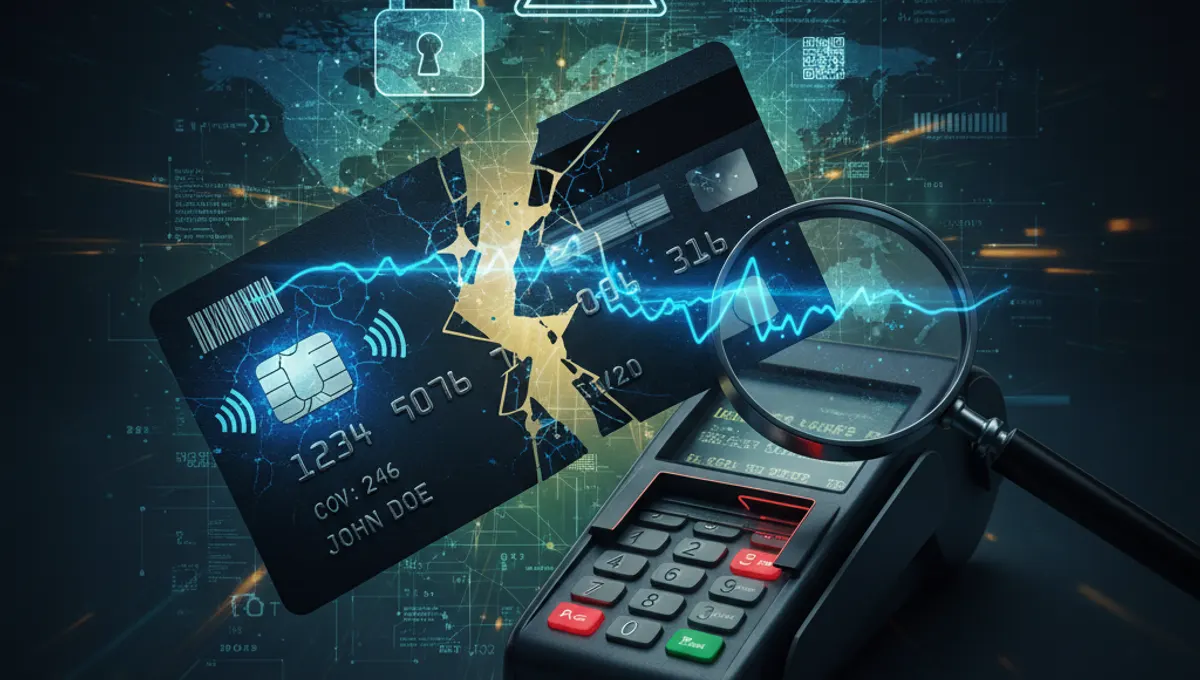
A cloned card is a duplicate of a legitimate payment card created by copying data from the original card's magnetic stripe or EMV chip. Cloning typically occurs through skimming—devices placed on ATMs, gas pumps, or point-of-sale terminals that read card information when swiped. Shimming is a similar technique using thin devices inserted into chip readers. Magnetic stripe data is easier to clone than EMV chips, which contain encryption. Data can also be obtained from large-scale retail breaches, where millions of card records are leaked. Once the magnetic stripe information is captured, criminals encode it onto blank cards or use the data for online purchases. EMV chips are harder to replicate but not impossible; some cloning operations target the magnetic stripe backup on chip cards.
How the Dark Web Cloned Card Sales Ecosystem Operates
The dark web marketplace for cloned cards functions as a supply chain connecting skimmers and data thieves to resellers and end users. Threat actors who harvest card data sell it in bulk to middlemen, who then repackage and resell smaller quantities on marketplaces accessible only through Tor browsers. Sellers advertise cards by type—Visa, Mastercard, American Express—and often include details like card expiration dates, CVV codes, and cardholder names. Pricing varies based on card validity, balance, and geographic origin. Buyers typically purchase cards in batches and test them on low-value transactions before larger fraud attempts. The marketplace operates with reputation systems, escrow services, and vendor ratings similar to legitimate e-commerce platforms. Transactions use cryptocurrency to maintain anonymity. This ecosystem depends on constant supply from new skimming operations and data breaches to replenish inventory.
Legal Consequences of Possession and Use of Cloned Cards
Possessing or using cloned card information carries serious criminal penalties that vary by jurisdiction. Charges typically fall into three categories: fraud (unauthorized use of payment instruments), identity theft (using another person's personal information), and device-based fraud (possession of skimming equipment or cloning devices). In the United States, federal wire fraud statutes can apply to interstate transactions, carrying penalties up to 20 years imprisonment. Identity theft charges often result in additional sentences stacked on top of fraud convictions. Possession of cloning equipment or skimmers can trigger separate charges for conspiracy or trafficking in counterfeit access devices. State laws add further penalties; some jurisdictions impose mandatory minimum sentences for organized fraud schemes. International jurisdictions have comparable statutes with varying sentence lengths. Restitution to victims is typically required alongside incarceration. Specific penalty ranges depend on the jurisdiction, number of cards involved, and amount defrauded.
How Buying and Selling of Cloned Cards Occurs on Dark Web Marketplaces
Dark web card marketplaces operate on encrypted platforms accessible through Tor, where vendors maintain storefronts with product listings and customer reviews. Buyers create anonymous accounts using cryptocurrency wallets and browse available card batches organized by type, issuer, and geographic region. Vendors provide sample card data or proof of validity before bulk purchases. Payment occurs in Bitcoin, Monero, or other privacy-focused cryptocurrencies sent to escrow addresses controlled by the marketplace. Once payment clears, the seller delivers card data via encrypted message or downloadable file containing full track data, CVV, expiration dates, and cardholder information. Some marketplaces offer guarantees: if a card is declined or flagged, the vendor provides replacements. Buyers then encode the data onto blank cards using cloning equipment or use it for card-not-present fraud online. Marketplace administrators take a commission on each transaction and enforce rules to prevent scams between buyers and sellers. Law enforcement agencies monitor these marketplaces and conduct undercover operations to identify and prosecute participants.
How to Detect Skimmers and Protect Your Card Information
Detecting skimmers requires visual inspection of card readers before use. At ATMs and gas pumps, check for loose, misaligned, or unusually thick card slots; wiggle the card reader to see if it moves independently from the machine. Look for small cameras or pinhole lenses pointed at the keypad. Use ATMs in well-lit, monitored locations inside banks rather than standalone outdoor machines. For contactless and chip-based payments, use EMV readers when available instead of magnetic stripe; EMV encryption makes cloning significantly harder. Enable transaction alerts on your bank account to receive notifications of purchases in real time. Consider using virtual card numbers generated by your bank or payment provider for online purchases; these single-use numbers limit exposure if compromised. Block high-risk merchants or geographic regions in your card settings if your bank offers this feature. Monitor your credit reports regularly through official channels. Use a dedicated payment card for high-risk transactions rather than your primary account.
What to Do If Your Card Data Is Compromised or Fraudulent Charges Appear
If you discover unauthorized charges, contact your card issuer immediately by phone using the number on your statement or official website. Report the fraudulent transactions and request a dispute. Most card issuers provide temporary credit within 24 to 48 hours while investigating. The formal dispute process typically takes 10 business days, though complex cases may extend to 45 days. Document all communications with your bank, including dates, times, and names of representatives. Request a new card with a different number and expiration date. Check your credit reports from all three bureaus for signs of identity theft or new accounts opened in your name. If your card data was part of a large breach, monitor for phishing emails or calls claiming to be from your bank. File a report with the Federal Trade Commission at IdentityTheft.gov if identity theft occurred. Consider placing a fraud alert or credit freeze on your accounts to prevent new accounts from being opened. Keep records of all fraudulent charges and dispute documentation for your records and potential tax deductions if applicable.
Why Cloned Cards Are Sold on the Dark Web Instead of Used Directly
Cloned card data is sold rather than used directly by thieves for several operational reasons. Reselling allows threat actors to monetize data quickly without the risk of detection that comes with repeated fraudulent transactions. A single skimming operation might harvest thousands of card numbers; selling them in bulk generates immediate revenue without needing to execute individual fraud schemes. Buyers may have different geographic locations, spending patterns, or merchant access than the original thieves, reducing detection risk through geographic diversification. Marketplace sales create separation between data collection and fraud execution, complicating law enforcement investigations. Specialized buyers—such as organized fraud rings or money launderers—have infrastructure and methods to use cards more efficiently than individual thieves. The dark web marketplace structure also allows for quality control through reputation systems; sellers with high ratings attract more buyers, incentivizing data accuracy. Cryptocurrency payments provide anonymity and irreversibility that cash transactions lack. This division of labor in the cybercrime supply chain maximizes profit while distributing risk across multiple actors.
Frequently asked questions
Can cloned cards be used safely on the dark web with a VPN or Tor
Using a VPN or Tor does not make purchasing or using cloned cards safe or legal. These tools only mask your IP address; they do not prevent law enforcement from identifying you through cryptocurrency transactions, marketplace accounts, or undercover operations. Purchasing cloned cards is a federal crime regardless of anonymization tools used. Prosecution has occurred against buyers who believed they were anonymous.
What is the difference between a cloned card and a card from a data breach
A cloned card is a physical duplicate created by copying magnetic stripe data onto a blank card, typically through skimming devices. Card data from a breach is digital information stolen from a retailer or service provider's database. Breach data can be used for card-not-present fraud online or encoded onto blank cards for cloning. Both are sold on dark web marketplaces, but cloned cards require physical equipment to create, while breach data can be used immediately for online fraud.
How long does a cloned card remain usable after it is created
A cloned card's usability depends on when the original card is reported stolen or when the issuer detects fraud. If the legitimate cardholder notices unauthorized charges quickly, the issuer cancels the card within hours, rendering clones useless. Some cloned cards are detected and blocked within days of creation. Others may remain functional for weeks if fraud goes unnoticed. This is why dark web vendors offer replacement guarantees for declined cards—they expect a percentage to be blocked before use.
What happens if you are caught buying cloned cards on the dark web
Federal prosecution typically follows discovery of dark web card purchases. Charges include wire fraud, identity theft, and conspiracy. Sentences vary by jurisdiction and case specifics but commonly range from several years to decades of imprisonment. Restitution to victims is mandatory. Your cryptocurrency transaction history, marketplace account, and communications can be subpoenaed as evidence. Law enforcement agencies conduct undercover operations and monitor marketplaces specifically to identify and prosecute buyers.
Are EMV chip cards immune to cloning
EMV chips are significantly harder to clone than magnetic stripes because they use encryption and generate unique transaction codes. However, they are not completely immune. Some cloning operations target the magnetic stripe backup present on most chip cards. Shimming attacks can extract chip data in certain scenarios. The most secure approach is using contactless payments or chip readers when available, enabling transaction alerts, and monitoring your account regularly.