What Are Cloned Cards and How Are Card Numbers Stolen
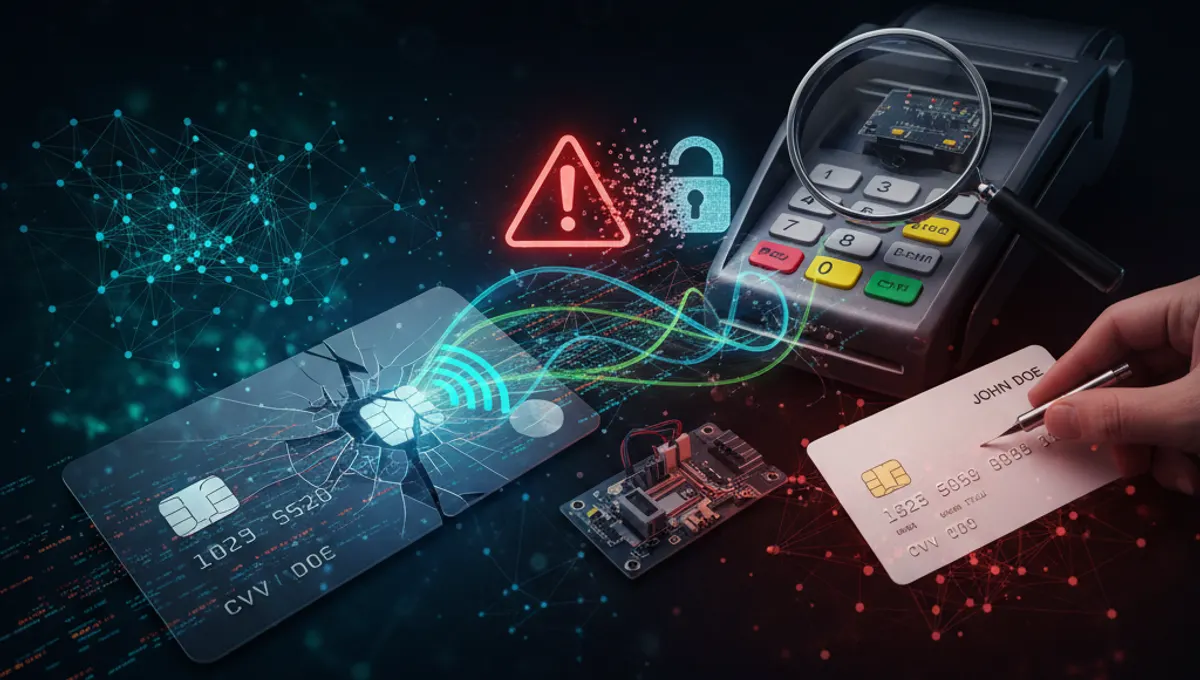
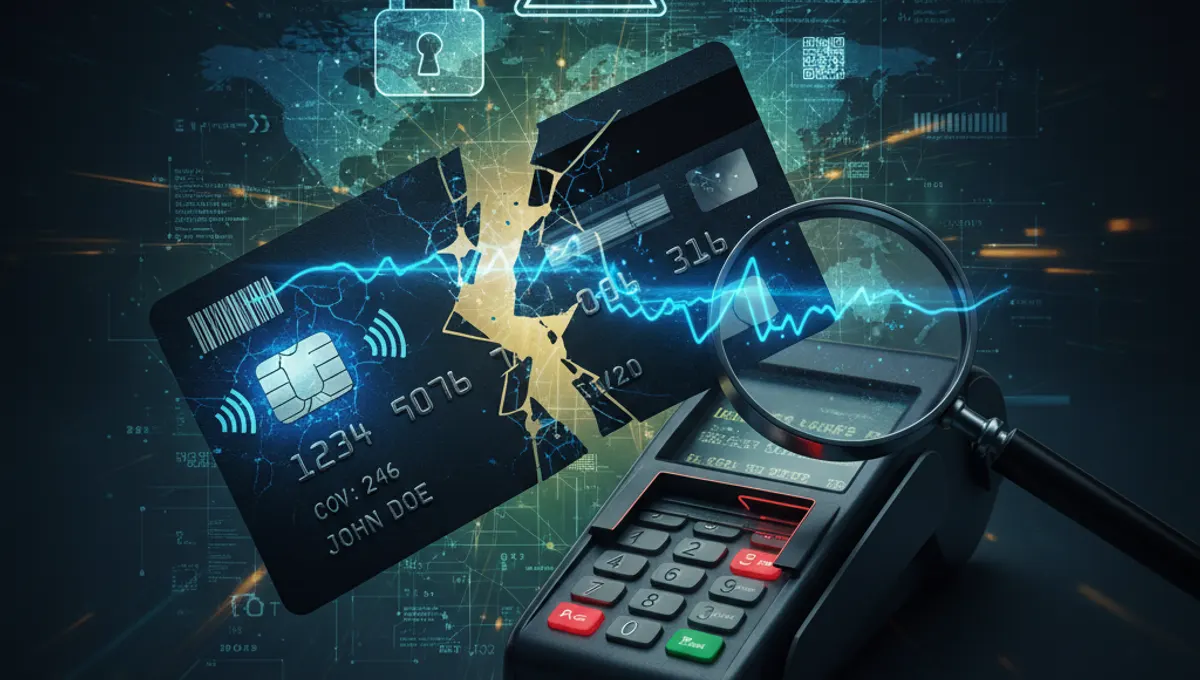
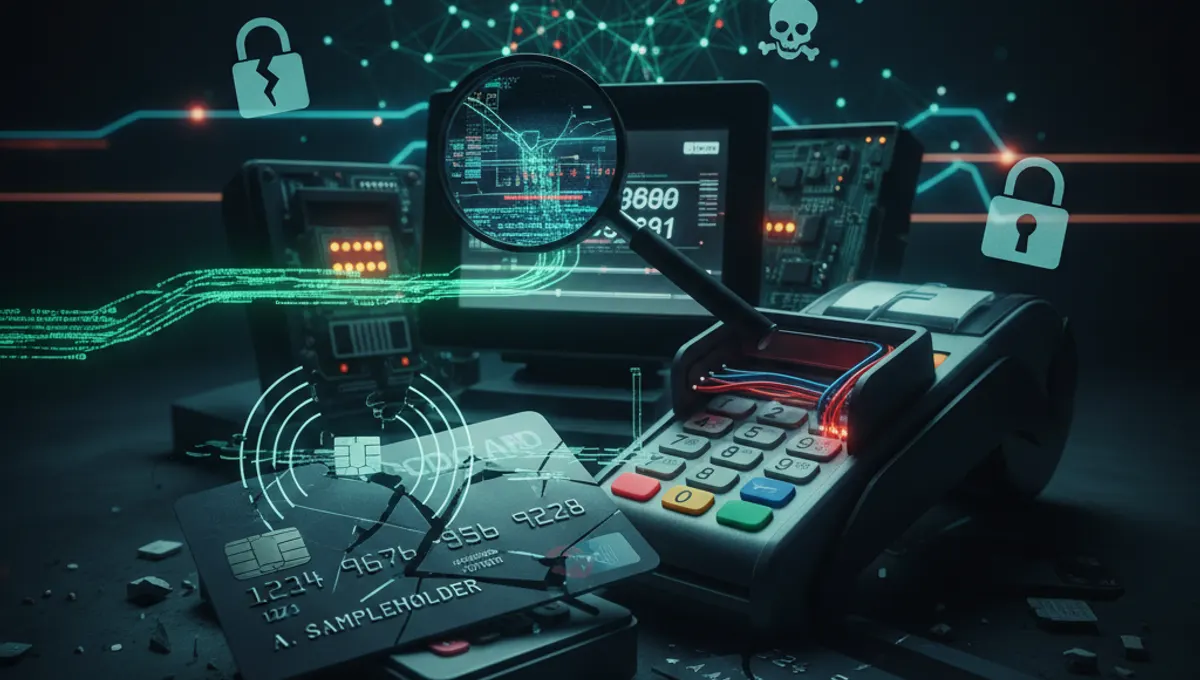
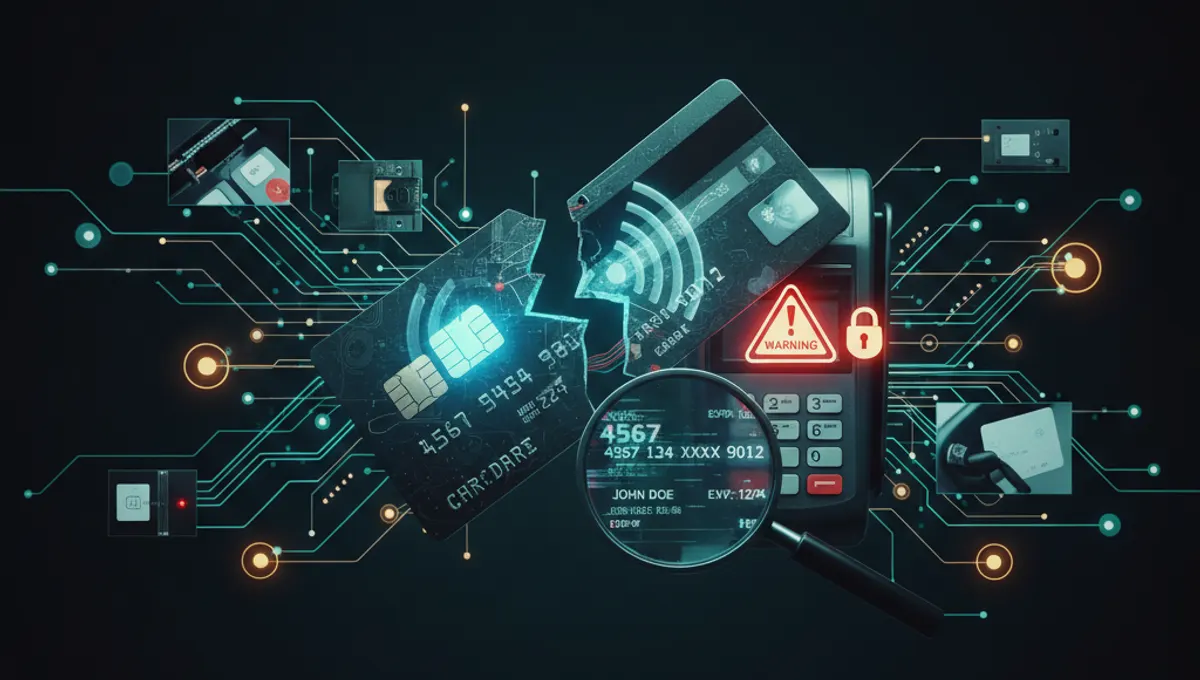
A cloned card is a duplicate payment card created using stolen card data. Card numbers are typically obtained through several methods: skimming devices placed on ATMs or gas pumps that capture magnetic stripe data, shimming attacks that read EMV chip information, data breaches from retailers or payment processors, and phishing schemes targeting cardholders. Magnetic stripe cards remain vulnerable because they store static data that can be read and copied. EMV chip cards offer better protection, but older systems still accept magnetic stripe fallback, allowing criminals to create cloned cards that work on non-chip terminals. Dark web card details are often harvested in bulk from compromised databases and sold as complete sets including the card number, expiration date, CVV, and sometimes cardholder name and address.
How the Dark Web Card Sales Ecosystem Operates
The dark web card marketplace functions as a supply chain where stolen card data moves from initial thieves to resellers to end users. Criminals obtain card numbers through skimming, breaches, or purchasing from other threat actors, then list them on dark web marketplaces organized by card type, issuing bank, and validity. Prices vary based on card freshness, credit limit, and geographic origin. Sellers often provide guarantees or refunds if cards are declined, creating a transactional trust system within criminal communities. Best dark web credit card sites operate as forums or marketplaces where vendors maintain reputation scores and buyer feedback. The ecosystem also includes services for validating card numbers, converting them to physical clones, and laundering proceeds. Cards are sold individually or in bulk dumps containing thousands of records. This infrastructure persists because demand remains constant among fraudsters seeking quick access to funds without establishing their own payment processing infrastructure.
Legal Consequences of Possessing and Using Stolen Card Numbers
Possession and use of stolen card numbers carries severe criminal penalties that vary by jurisdiction. In the United States, federal charges typically include wire fraud, identity theft, access device fraud, and conspiracy. Wire fraud carries sentences up to 20 years imprisonment and fines up to $250,000. Identity theft charges under the Identity Theft and Assumption Deterrence Act can result in 2 to 15 years imprisonment depending on whether the theft is in connection with other crimes. Possession of counterfeit access devices or cloning equipment falls under separate statutes with penalties ranging from 5 to 15 years. State-level charges for credit card fraud, forgery, and theft add additional liability. Prosecutors often charge multiple counts, resulting in consecutive sentences. Restitution to victims is mandatory. International jurisdictions impose comparable penalties; the UK treats card fraud as theft and fraud offenses with sentences up to 10 years, while Canada imposes sentences up to 14 years for identity theft. Penalties increase substantially if the defendant has prior convictions or if the scheme involves organized criminal activity.
How Dark Web Card Numbers Are Bought and Sold
Dark web card sites operate as marketplaces accessible through Tor browsers, requiring cryptocurrency for transactions to maintain anonymity. Buyers create accounts, browse listings of dark web card details organized by card type and issuer, and place orders using Bitcoin or Monero. Sellers deliver card numbers via encrypted message, often providing validation codes or proof of card freshness. Some marketplaces offer escrow services where the platform holds payment until the buyer confirms the card works. Bulk purchases are common, with buyers acquiring hundreds or thousands of card numbers at discounted rates. Sellers sometimes offer guarantees: if a card is declined within a specified period, they provide replacement numbers. The marketplace infrastructure includes forums for dispute resolution, vendor ratings, and feedback systems that mirror legitimate e-commerce platforms. Transactions are pseudonymous but not truly anonymous; law enforcement has successfully traced and prosecuted buyers and sellers by analyzing blockchain transactions and correlating them with other digital evidence. Some marketplaces collapse when operators are arrested or when they exit scams where they disappear with buyer funds.
How to Detect Card Skimmers and Protect Your Card Information
Detecting card skimmers requires visual inspection and behavioral awareness. At ATMs and gas pumps, examine the card slot for loose, misaligned, or protruding components that don't match the machine's design. Feel the card reader area for devices that seem glued or attached on top of the original slot. Check the keypad for overlays or raised buttons. Avoid machines in isolated locations or those showing signs of tampering. When entering your PIN, cover the keypad with your hand to prevent hidden cameras from capturing it. Use ATMs inside banks rather than standalone kiosks. Enable transaction alerts on your bank account to receive notifications of any card use. Switch to contactless payments or tokenized digital wallets that don't transmit your full card number to merchants. Request virtual card numbers from your bank for online purchases, which limits exposure if the merchant is breached. Monitor your credit reports regularly through official channels. If you suspect skimming, report it to the bank and the institution operating the machine. Consider using a card with chip technology and requesting chip-only transactions, though this doesn't eliminate all risk.
What to Do If Your Card Information Is Compromised
If you discover unauthorized charges or suspect your card information has been compromised, contact your card issuer immediately. Most banks offer zero-liability protection for fraudulent charges, meaning you won't be held responsible for unauthorized transactions. Report the fraud within 60 days of receiving your statement to ensure maximum protection. The issuer will cancel your card and issue a replacement, typically arriving within 5 to 10 business days. File a dispute for each fraudulent transaction; the bank initiates a chargeback investigation and typically issues a provisional credit within 10 days while investigating. Full resolution usually takes 30 to 90 days. Request a new card number rather than a replacement card with the same number. Place a fraud alert on your credit file by contacting one of the three major credit bureaus, which notifies other lenders to verify your identity before opening new accounts. Consider a credit freeze to prevent unauthorized account opening. Monitor your credit reports for accounts you didn't open. If your card number appears on the dark web, assume it may be used by multiple fraudsters; remain vigilant for charges over an extended period. Document all communications with your bank and keep records of fraudulent transactions for potential tax deductions or insurance claims.
Why Dark Web Card Numbers Remain in Demand Despite Risks
Dark web card numbers persist as a commodity because they enable immediate access to funds without establishing merchant accounts, payment processing infrastructure, or legitimate banking relationships. Fraudsters use stolen cards for rapid cash conversion through purchases of resellable goods, gift cards, or cryptocurrency. The barrier to entry is low: a buyer needs only a Tor browser, cryptocurrency, and basic technical knowledge. Card numbers are fungible and easily replaceable; if one card is declined, the buyer simply uses another from their batch. The dark web marketplace structure provides some operational security through pseudonymity and cryptocurrency transactions, though this security is imperfect and law enforcement has successfully prosecuted many participants. Demand remains constant because card theft generates revenue for organized criminal groups, and the supply chain is resilient—new data breaches and skimming operations continuously replenish inventory. Sellers operate with minimal overhead and face low consequences in jurisdictions with weak cybercrime enforcement. The ecosystem also includes money laundering services that convert fraudulent purchases into usable funds, completing the criminal workflow. As long as payment card systems remain vulnerable and enforcement remains inconsistent across borders, dark web card markets will continue operating.
Frequently asked questions
What is the difference between a cloned card and a card number purchased on the dark web
A cloned card is a physical duplicate created using stolen card data, typically produced with specialized equipment. A dark web card number is the digital credential itself—the 16-digit number, expiration date, and CVV—sold as data. Buyers of dark web card numbers must either create physical clones or use the numbers for online fraud. Cloned cards require manufacturing equipment and blank card stock, while card numbers are instantly downloadable and usable for e-commerce.
Can I be prosecuted for purchasing a card number on the dark web even if I don't use it
Yes. Possession of stolen payment card information is illegal in most jurisdictions under access device fraud and identity theft statutes, regardless of whether you use it. Federal law criminalizes possessing counterfeit access devices or stolen card numbers with intent to defraud. Prosecution typically requires proof of knowledge that the card was stolen and intent to use it fraudulently, but mere possession combined with access to dark web marketplaces can support these inferences. Sentencing depends on jurisdiction and prior record.
How long does it take for a fraudulent charge to be refunded after I file a dispute
Banks typically issue a provisional credit within 10 business days of receiving your dispute. The full investigation takes 30 to 90 days, after which the bank either makes the provisional credit permanent or reverses it if the merchant provides evidence supporting the charge. During this period, the funds are usually available to you, though the dispute remains open. Some banks expedite the process for obvious fraud, issuing permanent credits within days. Keep documentation of all communications.
Are EMV chip cards immune to cloning and skimming
EMV chip cards are significantly more resistant to cloning than magnetic stripe cards because they generate unique transaction codes for each purchase, making the stolen data non-reusable. However, they are not immune. Shimming attacks can extract chip data, and older payment systems still accept magnetic stripe fallback, allowing criminals to create clones that work on non-chip terminals. Contactless EMV payments and tokenization provide additional layers of protection by avoiding transmission of the full card number.
What should I do if I see a card skimmer at an ATM or gas pump
Do not use the machine. Report it immediately to the bank or institution operating the machine, and contact local law enforcement. Provide photos if safe to do so. Warn other customers if possible. Contact your card issuer to monitor your account for unauthorized activity. If you already used the machine before noticing the skimmer, request a new card and monitor your statements closely for fraudulent charges over the following weeks.