What Is a Credit Card Skimmer and How Does It Capture Data
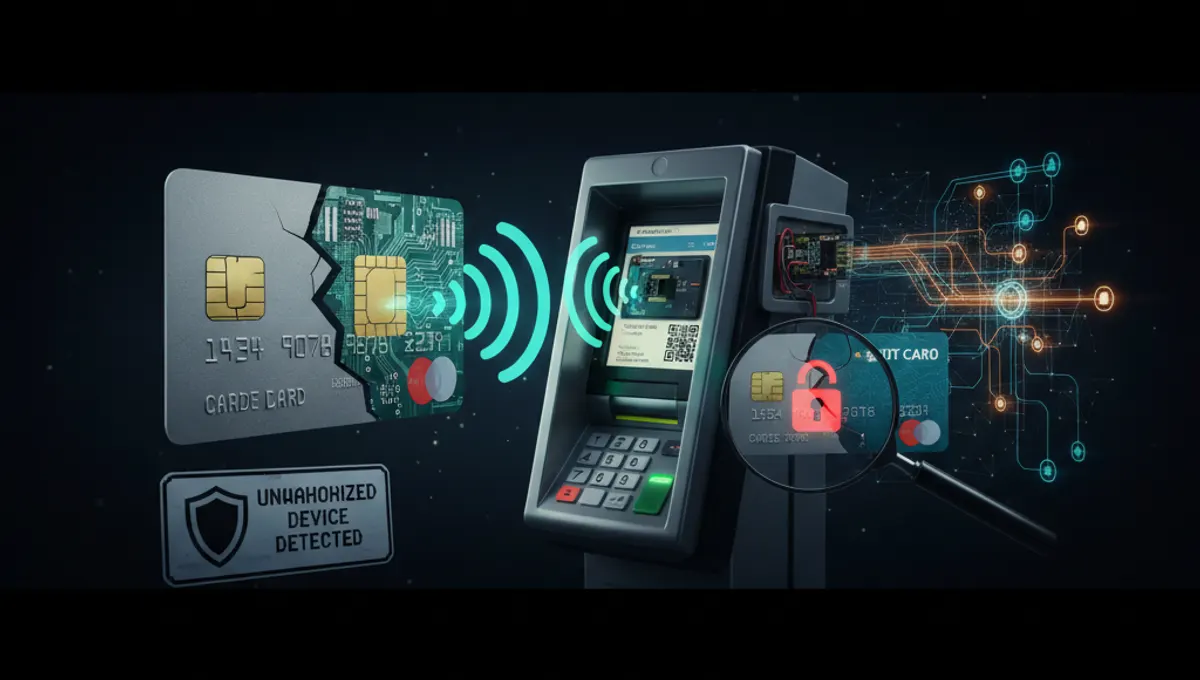
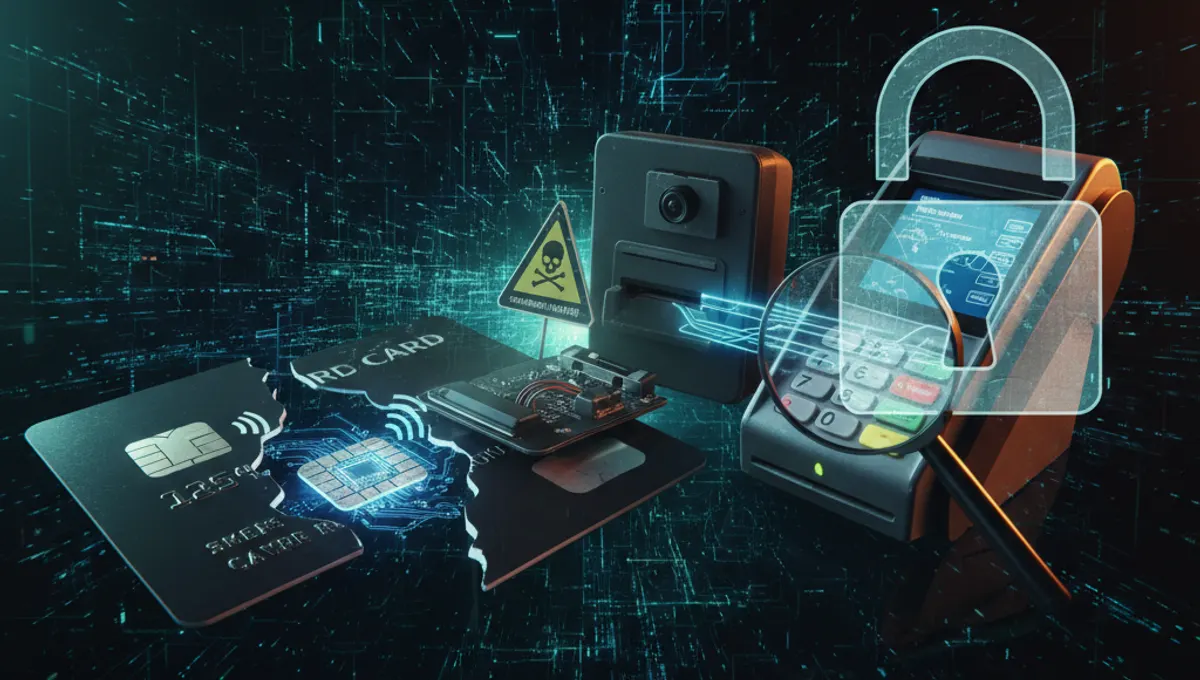
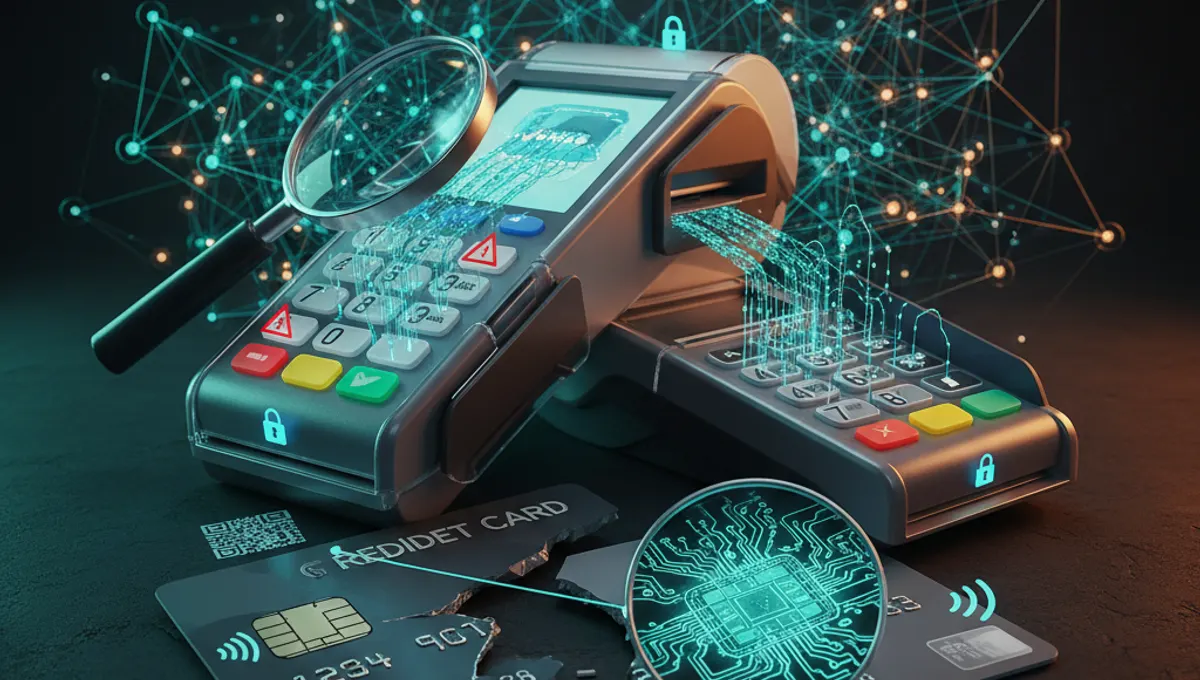
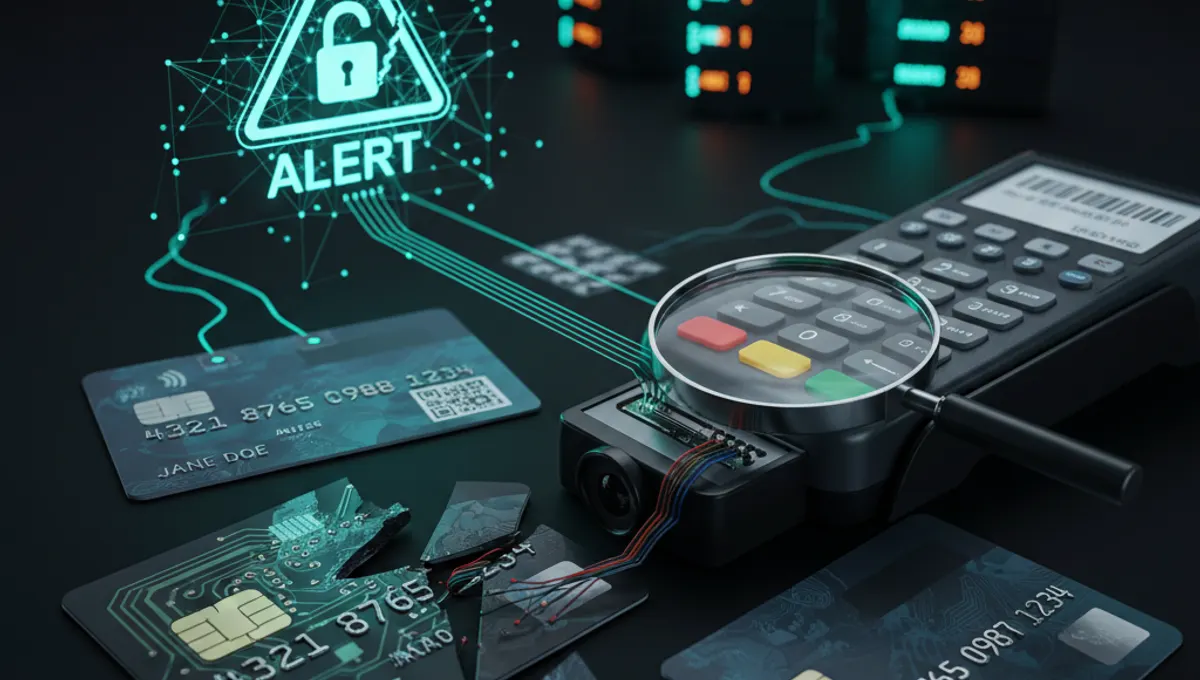
A credit card skimmer is a physical or electronic device that intercepts card information during a transaction. At gas stations, skimmers are typically installed over the legitimate card slot or hidden inside the pump mechanism. When you insert your card, the skimmer reads the magnetic stripe data—or in newer models, attempts to capture EMV chip information. Some skimmers also include a hidden camera or keypad overlay to record your PIN. The stolen data includes your card number, expiration date, and cardholder name. Shimming, a related technique, involves inserting a thin device into the chip reader slot itself. Unlike magnetic stripe data, EMV chip technology encrypts each transaction, making chip skimmers less effective than older magnetic stripe attacks. However, criminals still target gas stations because many pumps lack updated security hardware and operate in low-visibility areas.
How Cloned Cards Are Created From Skimmed Data
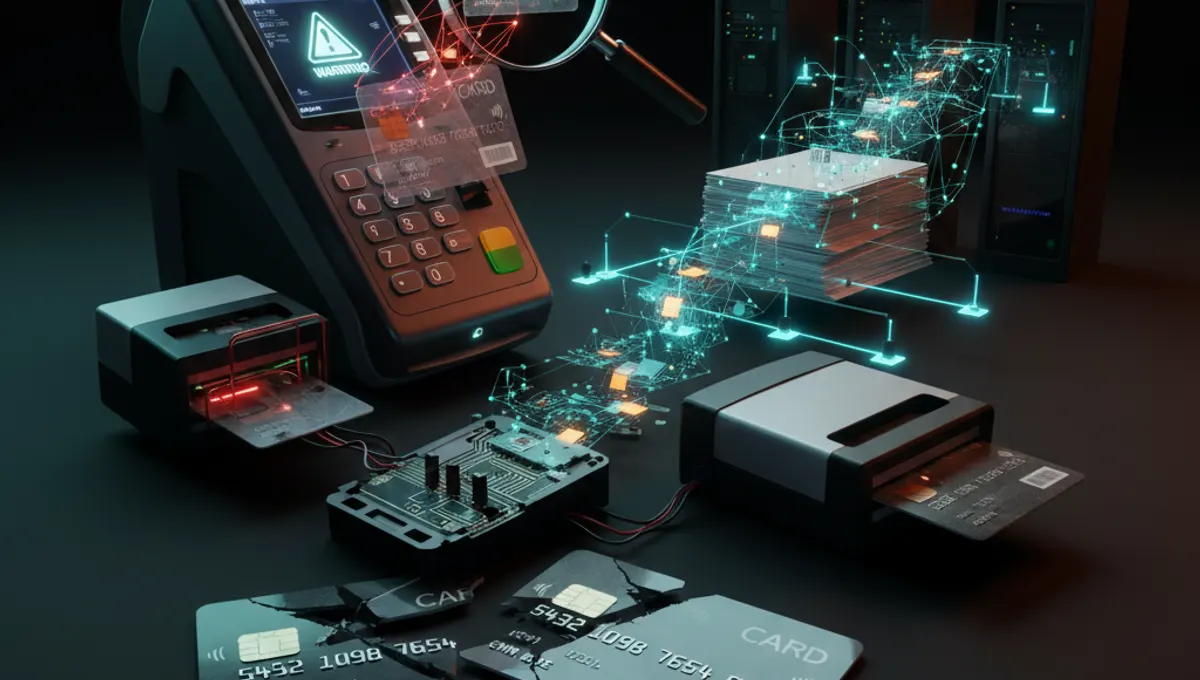
Once a skimmer captures your card data, criminals encode that information onto blank cards using specialized equipment. This process creates a cloned card that mimics your legitimate card's magnetic stripe. The cloned card can be used for in-person purchases at retailers that only read the magnetic stripe and do not require a PIN or signature verification. Cloned cards cannot replicate the encrypted chip data, so they fail at terminals requiring chip insertion. Criminals prioritize magnetic stripe data because it remains easier to clone and use. The cloning process takes minutes and requires only a card writer device and blank card stock. Cloned cards are then sold individually or in batches on dark web marketplaces, where buyers purchase them for fraudulent transactions. The entire pipeline—from skimming to cloning to sale—operates across multiple criminal actors, with skimmer operators selling raw data to carders who handle cloning and distribution.
The Dark Web Marketplace for Cloned Cards and Stolen Data
Dark web marketplaces facilitate the buying and selling of cloned cards, stolen card data, and related fraud tools. These sites operate as forums or storefronts where vendors list cards by type, bank, country, and balance. Sellers offer cloned cards with varying levels of verification—some include the cardholder's name and address, while others provide only the card number and expiration date. Prices vary based on card type, reported balance, and seller reputation. Buyers access these marketplaces using Tor browsers and cryptocurrency for anonymous transactions. The marketplace ecosystem includes data brokers who sell raw skimmed information, carders who perform the cloning, and resellers who distribute finished cloned cards. Escrow systems and vendor ratings create a pseudo-legitimate transaction structure, though disputes and scams are common. Law enforcement agencies monitor these marketplaces, and transactions carry significant legal risk for both buyers and sellers. Participation in any purchase on dark web marketplaces exposes users to criminal liability regardless of anonymity tools used.
Legal Consequences of Possessing or Using Cloned Cards
Possession of a cloned card or stolen card data constitutes fraud in virtually all jurisdictions. Charges typically fall into categories including wire fraud, identity theft, access device fraud, and money laundering. Wire fraud involves using electronic communications or financial systems to execute a scheme to defraud. Identity theft charges apply when stolen personal information is used without authorization. Access device fraud specifically addresses the possession or use of cloned cards or skimming equipment. Penalties depend on jurisdiction, number of cards involved, and total fraud amount. Federal charges in the United States can result in imprisonment and substantial fines. State-level charges vary but often include felony fraud statutes. Using a cloned card for even a single transaction elevates charges from possession to active fraud, increasing penalties. Buying cloned cards on dark web marketplaces adds charges related to conspiracy and money laundering. Selling cloned cards or skimming equipment carries additional charges for facilitating fraud. Conviction typically results in felony records, restitution orders, and supervised release. Specific penalty ranges depend on the applicable law in your jurisdiction.
How to Detect a Credit Card Skimmer at Gas Pumps
Detecting a skimmer requires visual inspection before inserting your card. Examine the card slot area for loose, misaligned, or protruding components. Legitimate pump components fit flush with the surrounding plastic. Skimmers often appear as add-on devices with slightly different color or texture than the original pump. Gently tug on the card slot bezel—legitimate parts do not move easily, while skimmers may shift or feel loose. Check for hidden cameras positioned to view the keypad during PIN entry. Look for overlay keypads that sit on top of the legitimate keypad; these feel thicker or have slightly raised buttons. Inspect the pump exterior for signs of tampering, such as scratches, mismatched screws, or adhesive residue. Use the pump closest to the station entrance or attendant booth, as these receive more frequent monitoring. Avoid pumps that appear damaged or neglected. If you notice anything suspicious, do not use that pump. Report concerns to the station attendant immediately. Consider using contactless payment, mobile wallets, or paying inside the station with a clerk instead of at the pump.
Protecting Your Card: Prevention and Secure Payment Methods
Multiple strategies reduce your skimming risk. Use contactless payment methods such as mobile wallets, which tokenize your card data and prevent the merchant from seeing your full card number. Tokenization replaces your actual card data with a unique token for each transaction, making cloning impossible. Enable transaction alerts through your bank's mobile app or SMS notifications so you receive immediate notification of any charge. Virtual card numbers, offered by many banks and credit card issuers, generate unique card numbers for each transaction that expire after use. These prevent skimmed data from being reused. Pay inside the station with a clerk rather than at the pump when possible, eliminating exposure to unattended terminals. Regularly monitor your card statements and bank account for unauthorized charges. Use a credit card rather than a debit card when possible, as credit card fraud liability is capped at $50 under federal law, while debit card protections vary. Request chip-enabled cards from your issuer, as chip technology encrypts each transaction. Avoid using ATM skimmers by inspecting machines before use and covering the keypad while entering your PIN.
What to Do If Your Card Information Has Been Compromised
If you discover unauthorized charges or suspect your card data was skimmed, contact your card issuer immediately. Most banks have 24/7 fraud hotlines. Report the specific fraudulent transactions and request that your card be cancelled and replaced. Your issuer will initiate a dispute investigation and typically issue a provisional credit within one to three business days while the investigation proceeds. Provide the issuer with transaction details, dates, and amounts. Request a new card with a different number. Check your credit report through official channels to identify any fraudulent accounts opened in your name. Place a fraud alert with the credit bureaus to prevent new accounts from being opened without verification. File a report with the Federal Trade Commission through IdentityTheft.gov if your personal information was compromised beyond just card data. Keep documentation of all communications with your bank and credit bureaus. Monitor your accounts closely for 12 months following the incident. Consider freezing your credit if identity theft occurred. Refund timelines vary by issuer but typically complete within 30 to 60 days for legitimate disputes. Do not ignore suspicious activity, as prompt reporting strengthens your fraud claim.
Frequently asked questions
Can a credit card skimmer read EMV chip cards
Most gas station skimmers target magnetic stripe data because it is easier to clone and use. EMV chip technology encrypts each transaction with a unique code, making chip data difficult to replicate. However, some advanced skimmers attempt to capture chip information, though cloning encrypted chip data remains technically challenging. Criminals still prioritize magnetic stripe skimming because the stolen data can be used immediately on non-chip terminals.
How long does it take for a cloned card to appear on the dark web
Cloned cards can appear on dark web marketplaces within hours of being created. Skimmer operators sell raw card data to carders, who clone the cards and list them for sale. The timeline depends on the seller's processing speed and marketplace listing procedures. Some vendors batch cards and release them in groups, while others list cards individually as they are produced. Faster listings typically command higher prices due to reduced fraud detection time.
What should I do if I see a loose card reader at a gas pump
Do not use that pump. Report the issue to the station attendant or manager immediately and provide a description of the pump location and the problem. Use a different pump or pay inside the station instead. If the attendant dismisses your concern, consider reporting the station to your state's attorney general or consumer protection agency. Document the date, time, and pump number for your records.
Are virtual card numbers safe from gas station skimmers
Virtual card numbers are safe from skimmers because they cannot be used for future transactions. Each virtual card number is unique to a single transaction and expires after use. Even if a skimmer captures a virtual card number, the number becomes invalid immediately after the transaction completes. Virtual cards eliminate the risk of cloning because there is no reusable card data to steal. Most major credit card issuers offer this feature through their mobile apps or websites.
What is the difference between skimming and shimming
Skimming involves placing a device over the card slot to read data as you insert your card. Shimming involves inserting a thin device directly into the chip reader slot to capture chip data during insertion. Both techniques steal card information, but shimming targets chip readers while skimming targets magnetic stripe readers or the card slot itself. Shimming is less common because chip data is encrypted, making it harder to use than magnetic stripe data.