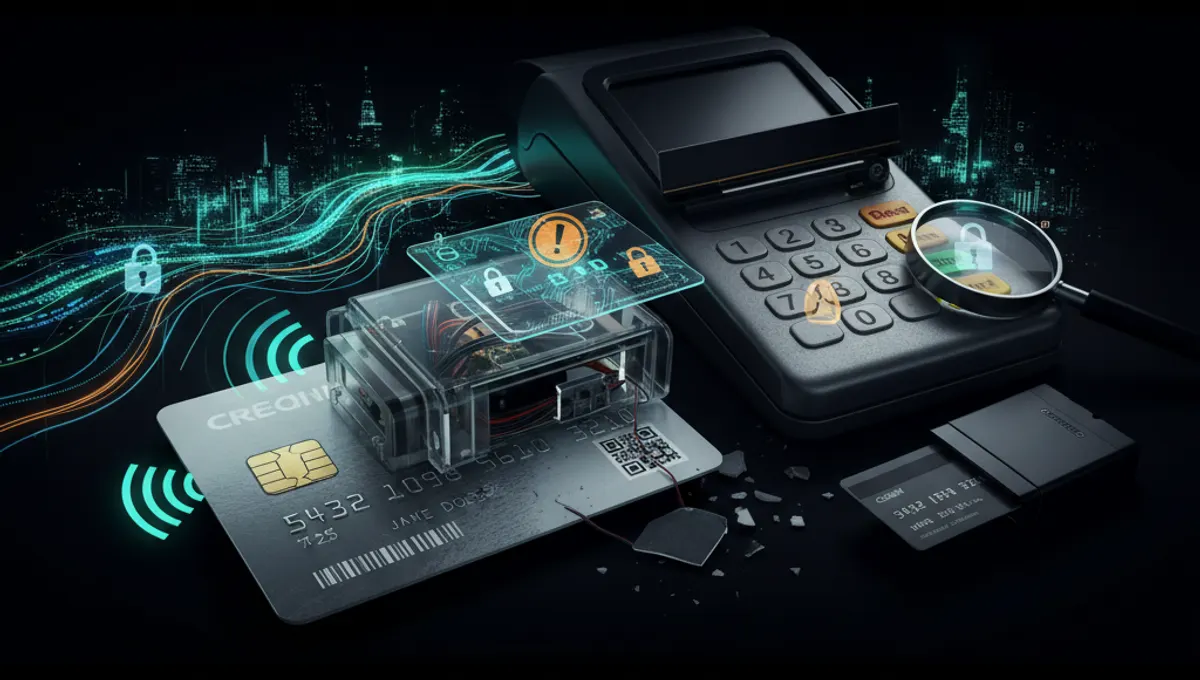
What Is a Cloned Credit Card
A cloned card is created when someone copies the data from the magnetic stripe or EMV chip of a legitimate card onto a blank card or uses that data to make unauthorized transactions online. Cloning typically occurs through skimming—a device placed on ATMs, gas pumps, or card readers that captures card information—or shimming, which targets the chip itself. Data can also come from large retail breaches or leaked databases sold on underground forums. Unlike a stolen physical card, a clone allows fraudsters to use the card information without possessing the original, making detection harder for cardholders.
How the Cloned Card Sales Ecosystem Operates
Cloned cards are bought and sold on dark web marketplaces where vendors list cards by type, balance, and region. Sellers typically acquire card data through skimming operations, data breaches, or phishing campaigns, then bundle the information with spin codes (CVV numbers and expiration dates) for resale. Buyers purchase these cards in bulk or individually to conduct fraud, often testing small transactions first before attempting larger purchases. The marketplace operates on escrow systems and reputation scores, with vendors offering refunds if cards are quickly flagged as fraudulent. This ecosystem exists because the barrier to entry is low and the perceived risk of prosecution feels distant to participants, though law enforcement agencies actively monitor these platforms.
Legal Consequences of Credit Card Fraud and Possession
Credit card fraud is prosecuted under multiple statutes depending on the conduct. Federal law treats unauthorized use of a card as wire fraud, identity theft, or access device fraud, each carrying distinct penalties. Possession of cloned cards or card data with intent to defraud is itself a crime in most jurisdictions. Charges typically fall into categories: fraud (unauthorized transactions), identity theft (using someone's personal information), and device-based fraud (possessing or using counterfeit access devices). Penalties depend on jurisdiction, amount defrauded, and criminal history. Federal convictions can result in prison sentences of 5 to 15 years for serious offenses, while state charges may range from misdemeanors to felonies. Minors are usually tried in juvenile court, which may result in detention, probation, or transfer to adult court for serious cases.
Credit Card Fraud Jail Time for Minors
Minors charged with credit card fraud typically enter the juvenile justice system, where proceedings are confidential and sentences differ from adult courts. Penalties may include detention in a juvenile facility, probation, restitution to victims, and mandatory counseling or education programs. However, if the fraud is severe or the minor has prior offenses, prosecutors can petition to try the minor as an adult, exposing them to adult prison sentences. Conviction as a minor can still result in a permanent criminal record that affects college admissions, employment, and housing opportunities. The length of detention or probation depends on the jurisdiction, the amount defrauded, and the minor's age and prior record.
How Dark Web Card Marketplaces Operate
Dark web marketplaces function as forums where vendors post cloned card listings with details like card type, issuing bank, available balance, and price. Transactions occur using cryptocurrency to maintain anonymity. Buyers and sellers communicate through encrypted messaging, and disputes are resolved by marketplace administrators. Cards are typically delivered as data files containing the magnetic stripe information or as physical cloned cards mailed to the buyer. Marketplaces employ reputation systems where vendors build trust through successful sales and positive reviews. Law enforcement agencies conduct undercover operations and use blockchain analysis to trace cryptocurrency payments, leading to arrests of both buyers and sellers.
Detecting and Protecting Against Card Skimmers
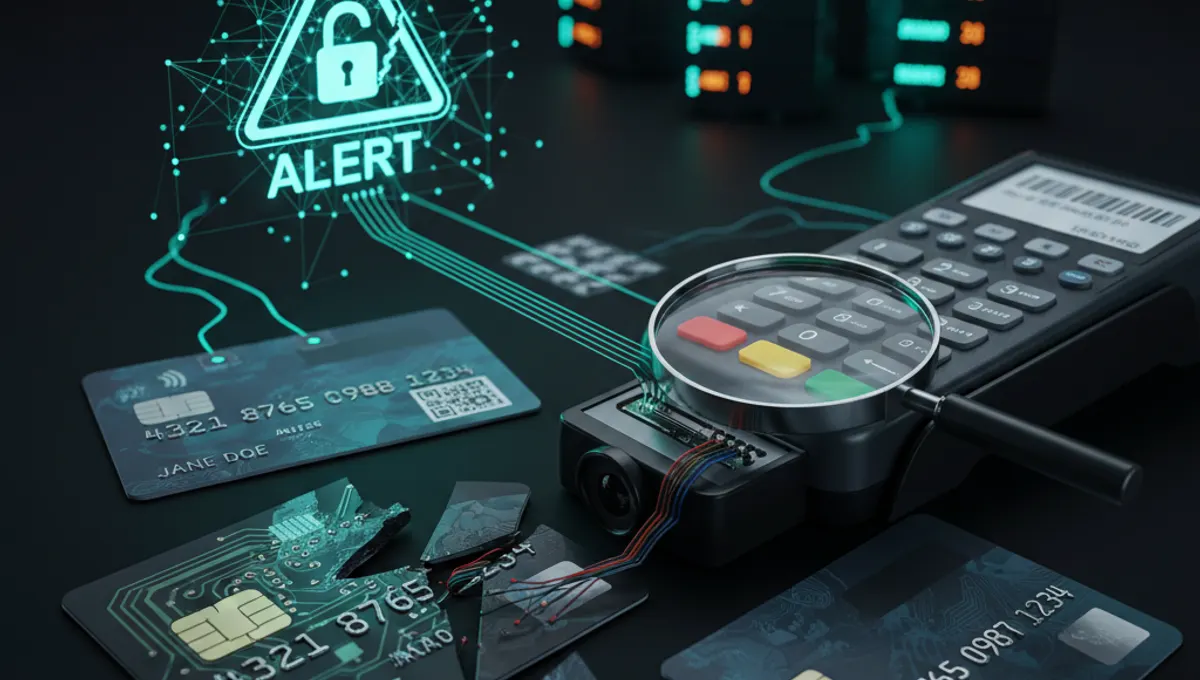
A credit card skimmer is a device placed over legitimate card readers at ATMs, gas pumps, or payment terminals to capture card data. To detect a skimmer, inspect the card slot for loose, misaligned, or protruding components before inserting your card. Shimming targets the EMV chip slot and is harder to detect visually. Protect yourself by using ATMs in well-lit, monitored locations, covering the keypad when entering your PIN, and opting for contactless or tokenized payments when available. Enable transaction alerts on your account to receive notifications of purchases. Consider using virtual card numbers generated by your bank for online purchases, which limits exposure if the number is compromised. Regularly review your statements for unauthorized charges.
What to Do If Your Card Information Is Compromised
If you discover fraudulent charges or suspect your card data has been compromised, contact your card issuer immediately to report the fraud. Most card issuers offer zero-liability protection, meaning you are not responsible for unauthorized transactions if reported promptly. File a dispute for each fraudulent charge; the issuer will investigate and typically issue a provisional credit within 10 business days while the investigation proceeds. Request a replacement card with a new number. File a report with the Federal Trade Commission at IdentityTheft.gov to create an official record. If your personal information was part of a data breach, monitor your credit reports through the three major bureaus and consider placing a fraud alert or credit freeze. Keep documentation of all communications with your issuer and the FTC.
Frequently asked questions
How long do you go to prison for credit card fraud?
Prison sentences for credit card fraud vary by jurisdiction and offense severity. Federal convictions typically result in 5 to 15 years imprisonment, while state charges may range from months to several years. Factors include the amount defrauded, number of victims, and criminal history. Minors are usually tried in juvenile court with different sentencing guidelines.
What is the difference between a cloned card and a stolen card?
A stolen card is the physical card taken from its owner, which can be used until reported and canceled. A cloned card is a duplicate created from copied data, allowing fraudsters to make transactions without possessing the original. Cloning is often undetected longer because the legitimate cardholder still has their card.
Can you go to jail for buying cloned cards?
Yes. Purchasing cloned cards or card data is illegal in most jurisdictions and constitutes possession of counterfeit access devices and fraud conspiracy. Penalties include prison time, fines, and restitution. The severity depends on the number of cards purchased and the jurisdiction.
How do credit card skimmers work?
A credit card skimmer is a device placed over a legitimate card reader that captures magnetic stripe or chip data when a card is inserted. Skimmers are commonly found on ATMs and gas pumps. Some also include hidden cameras to record PIN entries. The captured data is later used to create cloned cards or make fraudulent transactions.
What should I do if I find a skimmer on an ATM?
Do not use the ATM. Report the skimmer to the bank or ATM operator immediately. If you already used the ATM, contact your card issuer to monitor for fraud. File a report with local law enforcement. Check your account statements regularly for unauthorized charges and consider placing a fraud alert with credit bureaus.