What Is a Chip Credit Card Skimmer and How Does It Differ from Magnetic Stripe Skimmers
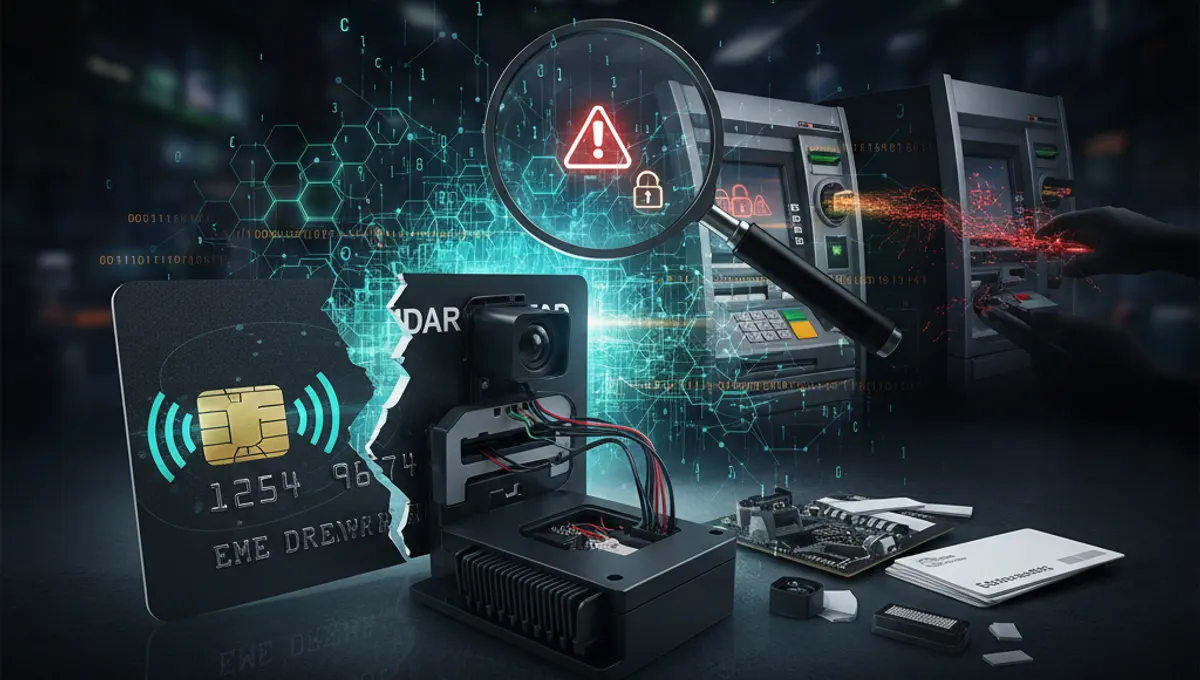
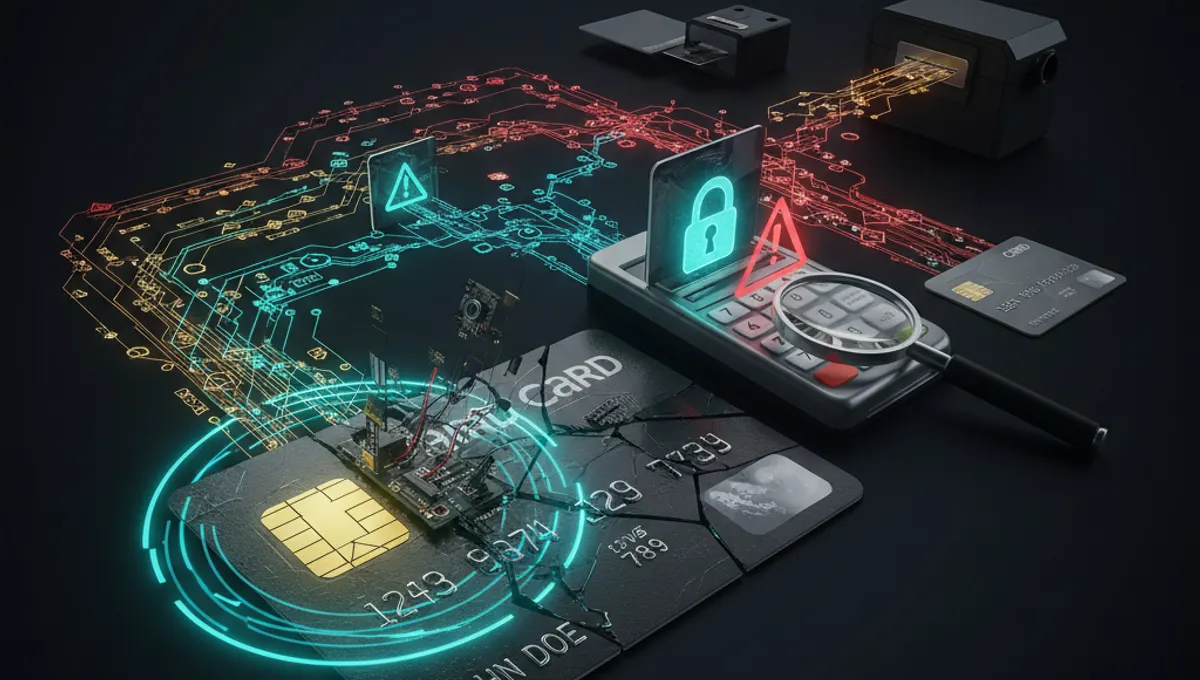
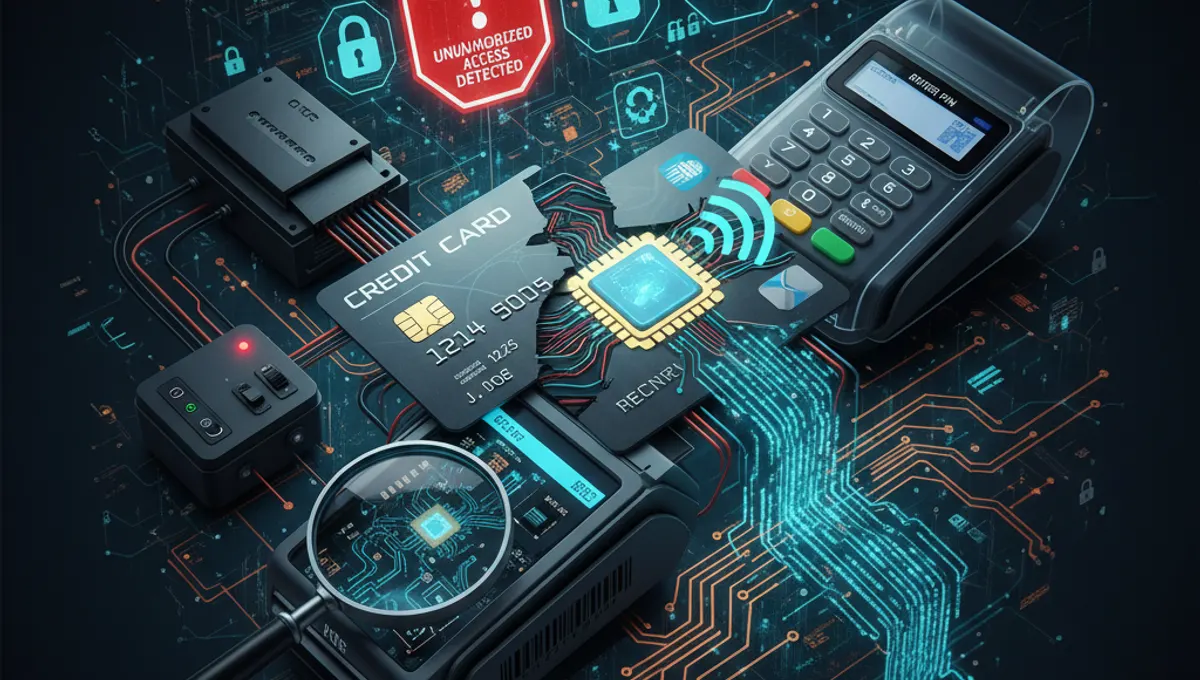
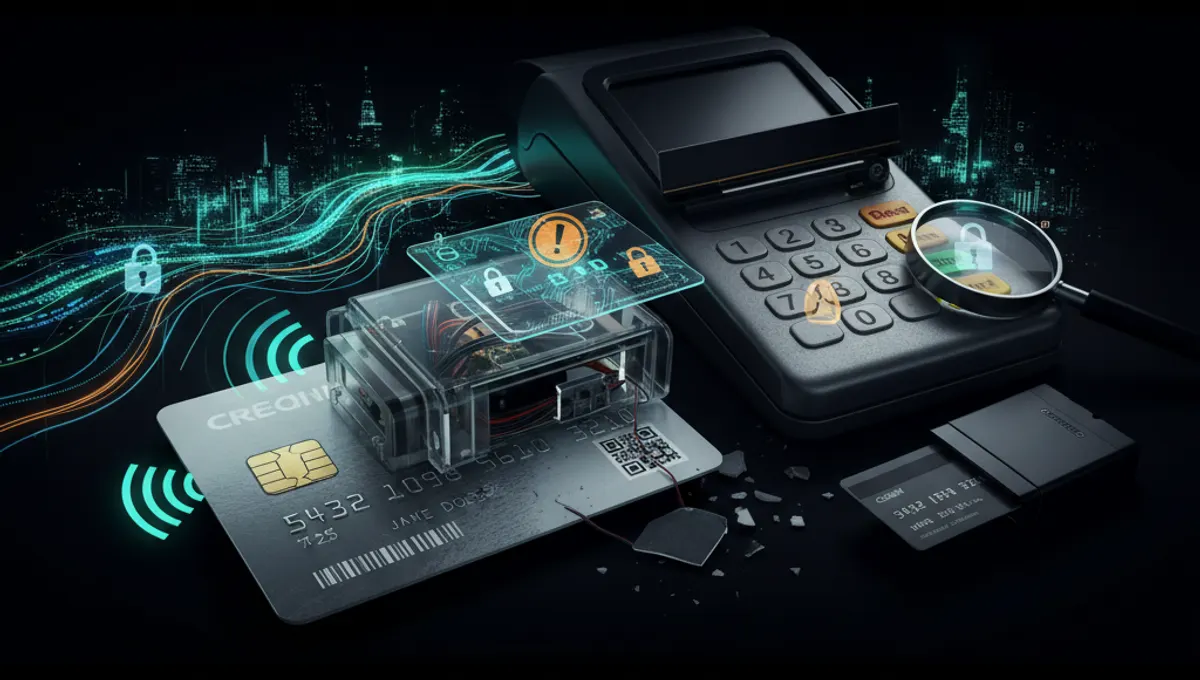
A credit card skimmer chip operates by intercepting card information at the point of entry—typically at ATMs, gas pumps, or payment terminals. Traditional skimmers read the magnetic stripe, which stores static data that remains the same across transactions. Chip-based cards (EMV technology) generate a unique cryptogram for each transaction, making the captured data useless for future fraud. Some skimmers attempt to read both the chip and stripe simultaneously, but the chip's dynamic authentication creates a significant technical obstacle. Shimming—inserting a thin device into the chip reader slot—represents an evolution in skimming technology, though it remains less prevalent than magnetic stripe attacks due to the complexity and cost of manufacturing effective shimming devices.
How Cloned Cards Are Created and Sold in the Dark Web Ecosystem
Once a credit card skimmer chip captures magnetic stripe data, that information is encoded onto blank cards or used to create digital clones. The dark web marketplace ecosystem operates through specialized forums and vendor sites where sellers offer cloned cards with track data, CVV numbers, and cardholder information. Buyers typically purchase cards in batches, with pricing varying based on card type, issuing bank, and account balance verification. The supply chain involves skimmer operators who harvest data, middlemen who aggregate and verify the information, and vendors who repackage it for retail sale. Transactions occur through cryptocurrency to maintain pseudonymity. The viability of these cards depends on whether they retain magnetic stripe functionality and whether the issuing bank has already flagged the account. Chip-based transactions are harder to exploit because the dynamic authentication cannot be replicated from stolen data alone.
Legal Consequences of Possessing, Using, or Distributing Cloned Cards
Possession of cloned cards or skimming devices carries serious criminal liability across multiple jurisdictions. Charges typically fall into three categories: fraud (unauthorized use of payment instruments), identity theft (using another person's personal information), and device-based fraud (manufacturing or possessing skimming equipment). Penalties vary significantly by location and the scale of the operation. In many jurisdictions, federal wire fraud statutes apply to card fraud schemes, carrying sentences that can range from years to decades depending on the amount involved and whether the offense is prosecuted at state or federal level. Possession of a single cloned card may result in misdemeanor charges in some areas, while distribution or manufacturing skimmers typically triggers felony prosecution. International variations are substantial—some countries impose mandatory minimum sentences for financial fraud, while others apply proportional penalties. Conviction also results in restitution orders, civil liability to affected cardholders and banks, and permanent criminal records affecting employment and housing.
How Dark Web Marketplaces Facilitate Card Sales and Transactions
Dark web card marketplaces operate as vendor platforms accessible through Tor browsers, requiring cryptocurrency for transactions and often implementing escrow systems to reduce fraud between buyers and sellers. Vendors maintain reputation scores based on customer feedback, and cards are typically listed with details about issuing bank, card type, and verification status. Transactions are pseudonymous but leave blockchain records that law enforcement can trace through cryptocurrency analysis. Marketplace administrators extract fees from each transaction, creating a financial incentive to maintain the platform. Buyers access these sites using VPNs or Tor to obscure their location and ISP, though this does not guarantee anonymity or legal protection. Many marketplaces include dispute resolution mechanisms and money-back guarantees if cards are flagged or non-functional. The infrastructure relies on hosting providers willing to tolerate illegal activity, typically located in jurisdictions with weak enforcement. These platforms are frequently targeted by law enforcement operations, leading to periodic shutdowns and arrests of both operators and high-volume buyers.
How to Detect Chip Card Skimmers and Protect Your Payment Card
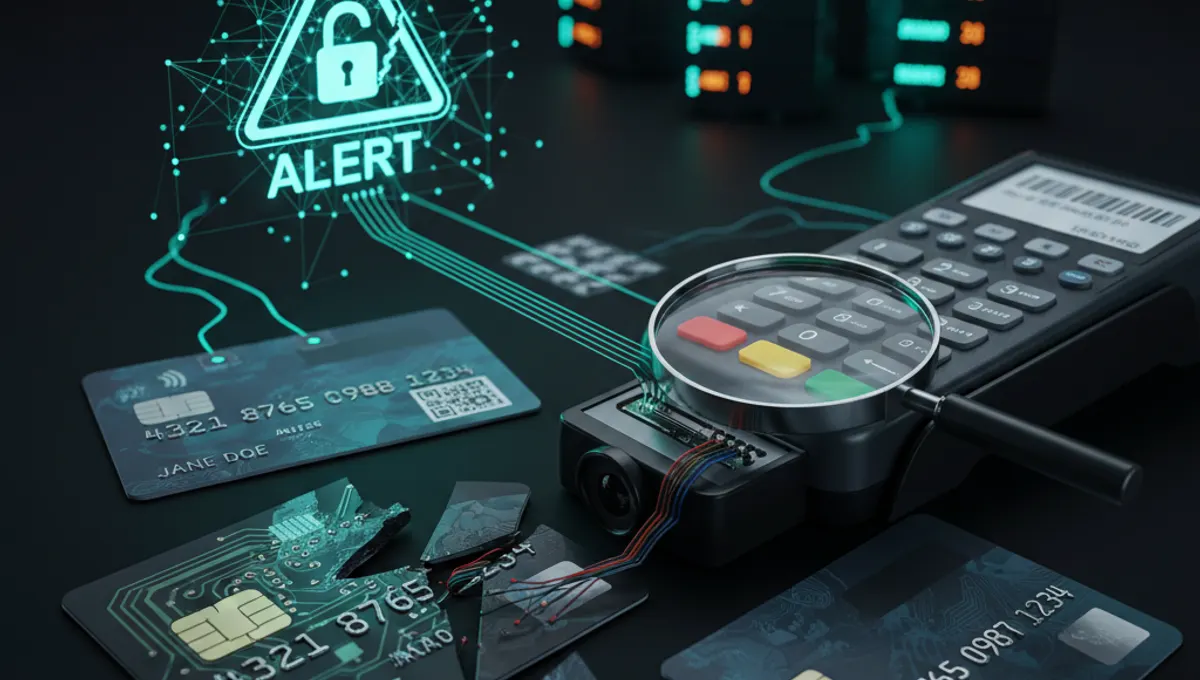
Detection of a credit card skimmer chip requires visual inspection of card readers before use. Look for loose, misaligned, or protruding components on ATM card slots, gas pump readers, or payment terminals. Skimming devices are often slightly thicker or discolored compared to the legitimate reader. Wiggle the card slot gently—legitimate readers are firmly mounted, while skimmers may shift or feel unstable. For protection, use chip readers whenever available rather than magnetic stripe, as they generate transaction-specific codes that cannot be reused. Enable transaction alerts through your bank's mobile app to receive notifications of card use in real time. Consider using virtual card numbers or digital wallets (Apple Pay, Google Pay) that tokenize your actual card data, preventing merchants from accessing your full card number. Request a new card if you suspect compromise. Monitor your credit reports through official channels and place fraud alerts with credit bureaus if needed. Avoid using debit cards at ATMs in unfamiliar locations; credit cards offer stronger fraud protections under federal law.
What to Do If Your Card Information Has Been Compromised or Fraudulent Charges Appear
If you detect unauthorized charges or suspect your card data has been stolen, contact your card issuer immediately through the phone number on your statement or official website. Report the fraudulent transactions and request a card replacement. Most card issuers initiate disputes within 24 hours and conduct investigations that typically conclude within 30 to 60 days. During this period, you are usually not liable for fraudulent charges under federal law, though some issuers may temporarily hold you responsible for a small amount pending investigation results. Request a written confirmation of the dispute and keep records of all communications. File a report with the Federal Trade Commission through IdentityTheft.gov if identity theft is involved. Check your credit reports from all three bureaus (Equifax, Experian, TransUnion) for unauthorized accounts opened in your name. Place a fraud alert or credit freeze to prevent new accounts from being opened without verification. If the compromise involved a data breach, monitor for phishing emails or calls claiming to be from your bank. Refund timelines vary by issuer and dispute type, but most legitimate claims are resolved within 60 days.
Why EMV Chip Technology Limits the Effectiveness of Card Skimmers
EMV (Europay, Mastercard, Visa) chip technology fundamentally changed card fraud dynamics by implementing dynamic data authentication. Each transaction generates a unique cryptogram that is mathematically tied to the transaction amount, merchant, and timestamp. This cryptogram cannot be reused for subsequent transactions, rendering stolen chip data useless for fraudulent purchases. Skimmers that capture chip data obtain only static information that cannot authenticate new transactions. This is why modern skimmers focus on magnetic stripe data or attempt shimming attacks, which are technically complex and less reliable. The shift to chip technology has driven fraudsters toward other vectors: card-not-present fraud (online purchases), account takeover through phishing, and social engineering. Some older terminals still support magnetic stripe fallback, creating a vulnerability window for skimmers targeting cards that have both technologies. Contactless payment systems (NFC) further reduce skimming risk by using tokenization—the actual card number is never transmitted to the merchant. This layered security approach explains why chip card skimmers have become less profitable than earlier generations of skimming devices.
Frequently asked questions
Can a chip card skimmer actually clone my card for fraud?
A chip card skimmer can capture your chip data, but that data alone cannot be used to create fraudulent transactions because EMV chips generate unique codes for each transaction. Skimmers are more effective against magnetic stripe data, which remains static. However, if your card has both chip and stripe, a skimmer may capture the stripe data and use it for card-not-present fraud or create a cloned card for magnetic stripe transactions.
What are the signs that an ATM or gas pump has a skimmer device?
Look for loose, protruding, or misaligned card readers. Skimmers are often slightly thicker or a different color than the legitimate reader. Wiggle the card slot gently—legitimate readers are firmly mounted. Check for hidden cameras above the keypad. Avoid terminals that look damaged or recently installed. If something feels off, use a different machine or contact the business to report your concerns.
How long does it take to get a refund after reporting fraudulent charges?
Most card issuers initiate dispute investigations within 24 hours and complete them within 30 to 60 days. You are typically not liable for fraudulent charges under federal law during this period. Some issuers provide provisional credits within a few days while the investigation continues. Timelines vary by issuer and dispute complexity. Request written confirmation of the dispute and follow up if you do not receive resolution within the stated timeframe.
Is using a virtual card number or digital wallet safer than a physical card?
Yes, virtual card numbers and digital wallets (Apple Pay, Google Pay) are significantly safer because they use tokenization. Your actual card number is never transmitted to the merchant, making skimming irrelevant. Each transaction uses a unique token that cannot be reused. Digital wallets also require biometric or PIN authentication, adding an extra security layer. However, these methods do not protect against account takeover through phishing or password compromise.
What criminal charges apply to someone caught with cloned cards or skimming devices?
Charges typically include fraud (unauthorized use of payment instruments), identity theft, and device-based fraud (manufacturing or possessing skimmers). Penalties depend on jurisdiction and the scale of the operation. Possession of a single cloned card may result in misdemeanor charges in some areas, while distribution or manufacturing skimmers typically triggers felony prosecution. Conviction results in imprisonment, fines, restitution to victims, and permanent criminal records. Federal charges carry significantly harsher sentences than state-level charges.