What Is an ATM Insert Skimmer and How Does It Capture Data
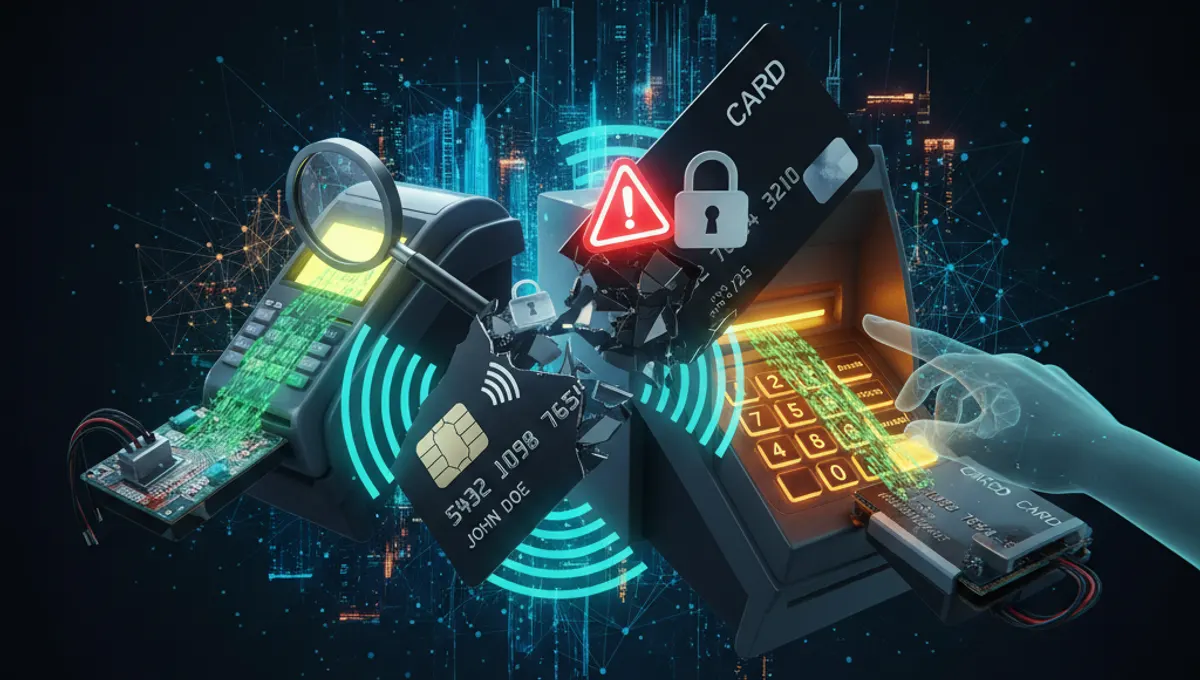
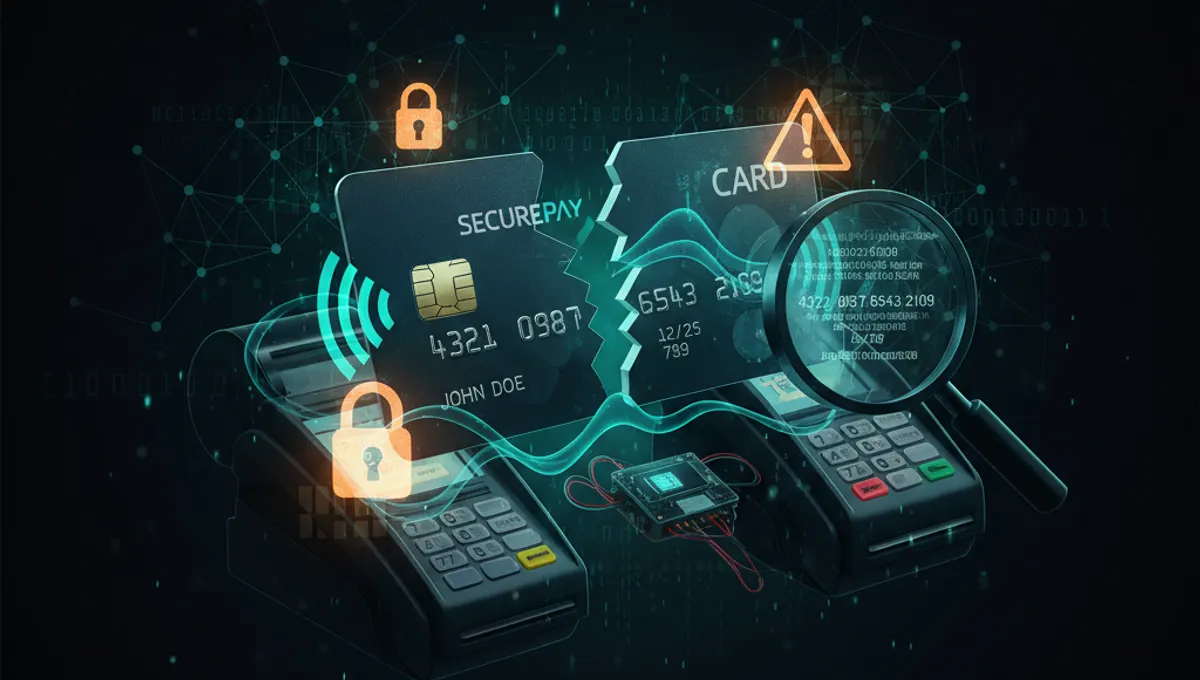
An ATM insert skimmer is a thin, custom-built device that fits inside the card acceptance slot of an automated teller machine. When you insert your card, the skimmer reads the magnetic stripe or EMV chip data as the card passes through. Deep insert ATM skimmers are engineered to sit flush within the slot, making them difficult to detect visually. The device records the full track data from your card's magnetic stripe, including the card number, expiration date, and service code. Many skimmer operations pair the insert device with an anti skimmer overlay on the keypad or a hidden camera positioned to capture your PIN entry. Once your card data and PIN are recorded, criminals have everything needed to clone your card or conduct fraudulent transactions. The skimmer stores this information in internal memory or transmits it wirelessly to a nearby receiver. Unlike shimming attacks that target chip-based EMV technology, insert skimmers primarily exploit the legacy magnetic stripe data that remains on most payment cards.
Magnetic Stripe vs. EMV Chip: Why Skimmers Still Work
Most payment cards contain both a magnetic stripe and an EMV chip. The magnetic stripe is the older technology and remains vulnerable to skimming because it stores static data that does not change with each transaction. An ATM card skimmer can capture this stripe data in seconds, and that data remains valid for cloning purposes. EMV chips, by contrast, generate a unique transaction code for each use, making them resistant to traditional cloning. However, many ATMs and merchants still accept magnetic stripe transactions, and criminals exploit this fallback. When a cloned card is used at a location that only reads the magnetic stripe, the static stolen data works as if it were the original card. This is why ATM insert skimmers remain profitable despite chip technology adoption. Criminals target ATMs specifically because they are often less monitored than retail checkout terminals and because ATM transactions frequently involve larger cash withdrawals.
The Dark Web Cloned Card Sales Ecosystem
Cloned cards stolen via ATM skimmers are sold on dark web marketplaces where buyers and sellers operate under pseudonymous accounts. The ecosystem functions as a supply chain: skimmer operators harvest card data, compile it into batches, and list it for sale on marketplace forums and specialized carding sites. Sellers typically offer cards sorted by card type, issuing bank, and country to help buyers target specific financial institutions or regions. Prices vary based on card validity, available balance information, and whether the PIN is included. Buyers purchase these cards using cryptocurrency to maintain anonymity. The marketplace infrastructure includes dispute resolution mechanisms, seller ratings, and escrow services similar to legitimate e-commerce platforms. Many marketplaces also offer tutorials on card usage, cash-out methods, and techniques to avoid detection. The ecosystem depends on a continuous supply of skimmed data, which is why ATM insert skimmers and keypad skimmers remain in active deployment. Law enforcement agencies across multiple jurisdictions monitor these marketplaces, but the decentralized and pseudonymous nature of dark web platforms makes enforcement difficult.
How Cloned Cards Are Used and Cashed Out
Once a cloned card is obtained from a dark web marketplace, buyers use it to make fraudulent purchases or withdraw cash from ATMs. The most common approach is to test the card with a small transaction at a retail location to verify it is active and not yet flagged by the issuing bank. Buyers then make larger purchases at high-value retailers or use the card to withdraw cash at ATMs in different locations to avoid triggering fraud alerts. Some buyers use the cloned card to purchase gift cards or digital goods that can be resold quickly. Cash-out operations often involve multiple transactions across different ATMs and merchants within a short timeframe to maximize the stolen funds before the cardholder or bank detects the fraud. Organized groups may coordinate multiple cloned cards simultaneously to overwhelm fraud detection systems. The time window between card cloning and detection is critical; most fraud is discovered within hours or days, so cash-out operations prioritize speed. Buyers may also use the cloned card to open accounts, apply for loans, or conduct identity theft, extending the fraud beyond the card's immediate value.
Legal Consequences of Possession, Use, and Sale of Cloned Cards
Possession of a cloned card or skimming device is illegal in most jurisdictions and constitutes fraud, identity theft, or device-based fraud depending on the specific circumstances and local law. Using a cloned card to make purchases or withdraw cash is typically prosecuted as wire fraud, access device fraud, or identity theft. Selling cloned cards or skimming devices on the dark web or elsewhere can result in charges related to conspiracy, money laundering, and trafficking in stolen financial information. Specific penalty ranges depend on the jurisdiction, the number of cards involved, the total amount defrauded, and the defendant's criminal history. Some jurisdictions impose mandatory minimum sentences for organized fraud schemes. Federal charges in countries with comprehensive fraud statutes may carry sentences ranging from several years to decades of imprisonment, along with substantial fines and restitution orders. Possession of skimming equipment itself may be prosecuted separately from the use of stolen data. International cooperation between law enforcement agencies has increased prosecution of dark web carding operations, though many perpetrators operate from jurisdictions with limited extradition treaties. Conviction records for fraud or identity theft carry collateral consequences including employment restrictions, financial penalties, and civil liability to victims.
How to Detect ATM Skimmers and Protect Your Card
Detecting an ATM insert skimmer requires visual inspection before use. Examine the card slot for any loose, protruding, or misaligned components that appear different from the rest of the ATM. Check the keypad for overlays or raised buttons that might conceal a camera or skimming device. Gently tug on the card slot bezel and other external components to see if anything is removable or unstable. Use ATMs located in well-lit, monitored areas such as bank lobbies rather than isolated outdoor machines. Cover the keypad with your hand while entering your PIN to prevent hidden cameras from recording it. Enable transaction alerts and balance notifications through your bank's mobile app or SMS service so you are notified immediately of any unauthorized activity. Use contactless or tokenized payment methods whenever possible, as these do not transmit your full card number or magnetic stripe data. Consider using virtual card numbers generated by your bank or payment provider for online and ATM transactions; these single-use numbers limit exposure if compromised. Regularly review your bank and credit card statements for unfamiliar transactions. If your card is lost or stolen, report it to your issuer immediately to prevent unauthorized use.
What to Do If Your Card Data Has Been Compromised
If you detect a fraudulent charge on your card or suspect your card data has been compromised, contact your bank or card issuer immediately. Most issuers have fraud departments available 24/7 to report unauthorized transactions. Request that your card be cancelled and a replacement card be issued. File a dispute for each fraudulent transaction; most card networks and banks offer zero-liability protection for unauthorized charges, meaning you will not be held responsible for the fraudulent amount. The dispute process typically takes 10 to 30 days, during which the issuer investigates the transaction. Provide the issuer with documentation of the fraudulent charge, including the date, merchant, and amount. Request a temporary credit while the dispute is being investigated; many issuers provide this within 48 hours. Monitor your credit reports through the three major credit bureaus to check for unauthorized accounts opened in your name. Consider placing a fraud alert or credit freeze on your credit file to prevent identity thieves from opening new accounts. If you believe your personal information has been compromised beyond just your card, file a report with your country's consumer protection agency or equivalent authority. Keep records of all communications with your bank and credit bureaus.
Frequently asked questions
Can I see an ATM insert skimmer with my eyes?
A deep insert ATM skimmer is designed to be difficult to detect visually because it sits flush inside the card slot. However, you may notice slight protrusions, loose components, or misalignment if you inspect the ATM carefully. Gently tug on the card slot bezel and surrounding parts to check for removable devices. Skimmers placed on the outside of the slot are more visible but still may blend in if they are well-constructed.
How long does it take for a cloned card to stop working?
A cloned card typically stops working within hours to days after the cardholder or bank detects the fraud and cancels the original card. However, if the cloning goes undetected, the cloned card may remain active for weeks. This is why criminals prioritize quick cash-out operations. Banks use fraud detection systems to identify unusual transaction patterns and may block a card before the cardholder notices.
What is the difference between skimming and shimming?
Skimming targets the magnetic stripe on the back of a card and captures static data that remains the same for every transaction. Shimming targets the EMV chip and attempts to intercept the data exchange between the chip and the reader. ATM insert skimmers primarily exploit magnetic stripe technology, while shimmers are designed for chip-based transactions. Both methods require the PIN or additional data to complete fraud.
Can contactless payments prevent skimming?
Contactless payments do not prevent skimming of your card's magnetic stripe or chip if a physical skimmer is attached to an ATM or card reader. However, contactless payments do not transmit your full card number or expiration date, reducing the data available to skimmers. Tokenized payments and virtual card numbers provide additional protection by generating unique transaction codes that cannot be reused for fraud.
What should I do if I find a skimmer on an ATM?
Do not attempt to remove the device yourself. Report it immediately to the bank that operates the ATM and to local law enforcement. Take a photo of the device if it is safe to do so, but do not touch it as it may contain fingerprints or other evidence. Warn other customers not to use that ATM. The bank will secure the machine and investigate the incident.